Seeing that one of your child’s legs looks shorter, curved, or shaped differently can be alarming, but many families discover that early information and the right care team make a huge difference in their child’s comfort and confidence.
What Are Lower Limb Differences?
Lower limb differences are conditions that affect the bones, joints, or soft tissues of the hips, thighs, knees, lower legs, ankles, or feet. These differences may be present at birth or appear as a child grows.
Some children are born with one leg that is shorter, bowed, or missing a part, while others develop differences over time due to growth patterns, injuries, or medical conditions. These changes can range from very mild and mostly cosmetic to more serious differences that affect walking, balance, and daily activities.
- One leg may be shorter than the other.
- A leg may appear more curved, angled, or twisted.
- The foot or ankle might look or function differently.
- In some cases, part of a bone is missing or underdeveloped.
Common Types of Leg and Foot Differences
There are many specific diagnoses that fall under the umbrella of lower limb differences, but they often share similar challenges and treatment goals. Below is a simplified overview of some patterns parents might hear about from their child’s care team.
Length Differences
A leg length difference means one leg is shorter than the other. This might be obvious at birth or become noticeable only after a few years of growth.
- Mild differences may cause little or no symptom and can be managed with a shoe insert.
- Moderate to large differences can lead to limping, hip or back pain, and uneven wear on joints.
- In some cases, the shorter leg is also thinner or has a smaller foot.
Shape or Alignment Differences
Sometimes the issue is not so much length, but how the bones are aligned. Children can be born with or develop differences in the angle or rotation of their legs.
- Curved or bowed lower legs.
- Knock-knees, where the knees angle inward.
- Inward or outward turning of the feet or entire legs while walking.
Structural Differences in Bones or Joints
Other children have bones that are partially missing, much shorter than expected, or shaped differently. The hip, knee, ankle, or foot joints may form in an unusual way, altering the way the leg bears weight.
- Short or absent segments of the thigh or lower leg bones.
- Unstable or stiff knees or ankles.
- Feet with fewer toes, stiff joints, or unusual shape.
Why Do Lower Limb Differences Happen?
In many cases, lower limb differences develop before birth while a baby is still forming. The exact cause often remains unknown, and parents should know that these conditions are not caused by anything a mother or father did or did not do.
Sometimes, lower limb differences are part of a broader syndrome or genetic condition. In other cases, they may develop later due to injury to a growth plate, infection, or problems that affect blood supply or bone growth.
- Congenital (present at birth): Resulting from differences in bone or joint development during pregnancy.
- Developmental: Arising gradually during childhood as bones grow at different rates.
- Acquired: Caused by trauma, infection, or other medical issues affecting the legs.
Most of the time, parents could not have predicted or prevented the condition. The focus is on understanding the difference, supporting function, and encouraging a positive body image.
Signs Parents Might Notice
Some differences are visible right away, while others become obvious only as a child starts standing and walking. Parents are often the first to notice something that looks or feels “off.”
- One leg looks shorter, either when the child is lying down or standing.
- The hips look uneven, or one side of the pelvis appears higher.
- Your child limps, walks on their toes on one side, or leans to one side.
- Shoes wear down unevenly, or one shoe size is different from the other.
- The knee or ankle bends in an unusual direction, or the leg seems very curved.
- The foot looks different, with fewer toes or a different shape.
If any of these signs appear, or if you simply feel uneasy about the way your child moves, it is wise to discuss your concerns with a pediatrician, who can decide whether a referral to a specialist is needed.
How Doctors Evaluate Lower Limb Differences
Evaluation usually begins with a detailed history and physical exam. The provider may ask about pregnancy and birth, family history, development milestones, and any pain or movement difficulties your child has.
- Measurement of both legs in different positions.
- Observation of walking, standing, and sitting posture.
- Assessment of joint movement, muscle strength, and flexibility.
- Examination of the spine, hips, knees, ankles, and feet.
Imaging tests may be used to understand which bones and joints are different and to plan for future growth. These can include low-dose X-rays, ultrasounds in very young infants, or, in selected cases, CT or MRI scans.
Growth and Future Planning
Because children’s bones grow over many years, specialists focus not just on what the leg looks like now, but also on how it may look and function later. This long-term view helps families prepare for possible treatments at different ages.
Some clinics use growth prediction models to estimate how big the difference in leg length might be at full height. This information can guide decisions about whether to lengthen the shorter leg, slow the growth of the longer leg, or combine methods.
Treatment Options and Goals
Every child’s situation is unique, so treatment plans are tailored to the individual. The main goals are to support safe and comfortable movement, protect joints, and allow the child to participate as fully as possible in play, school, and family life.
Non-Surgical Options
Many children benefit from conservative treatments, especially when differences are mild or when surgery is not yet needed.
- Shoe lifts or inserts: Added height inside or under the shoe to help even out leg length.
- Braces or orthotics: Devices that help support joints, align legs, or improve walking pattern.
- Physical therapy: Exercises to build strength, flexibility, and balance, and to protect other joints.
- Activity modifications: Adapting sports, play, or school activities to reduce pain or fatigue.
Surgical Approaches
When differences are larger or significantly affect function, surgery may be recommended. Some procedures are done early, while others are timed around growth spurts or adolescence.
| Treatment Strategy | Main Purpose | Typical Timing |
|---|---|---|
| Guided growth or growth modulation | Slow or redirect growth at one side of a bone to improve alignment or balance leg lengths. | Usually during middle childhood or early adolescence, while growth plates are open. |
| Leg lengthening | Gradually lengthen a shorter bone using an external or internal device. | Often in later childhood or teens, once the care team is confident about growth predictions. |
| Reconstruction of joints | Improve stability and function of hip, knee, or ankle. | Timing varies based on severity, symptoms, and walking needs. |
| Foot or ankle reshaping procedures | Improve the ability to stand, walk, or fit into shoes. | May be done in early childhood or staged over several years. |
| Amputation with prosthetic fitting | In some severe cases, create a stable limb that works well with a prosthetic device. | Carefully planned, often with input from a full multidisciplinary team. |
Decisions about surgery are deeply personal and depend on family values, cultural perspectives, and the child’s own preferences and goals. Open, ongoing conversations with the care team are essential.
Daily Life: Helping Your Child Thrive
Beyond medical treatments, everyday support from family, schools, and communities plays a huge role in a child’s quality of life. Children with lower limb differences can lead active, fulfilling lives with the right accommodations and encouragement.
- Work with your child’s school to arrange seating, elevator use, or extra time between classes if needed.
- Encourage participation in physical activities, including adaptive sports or alternative forms of exercise.
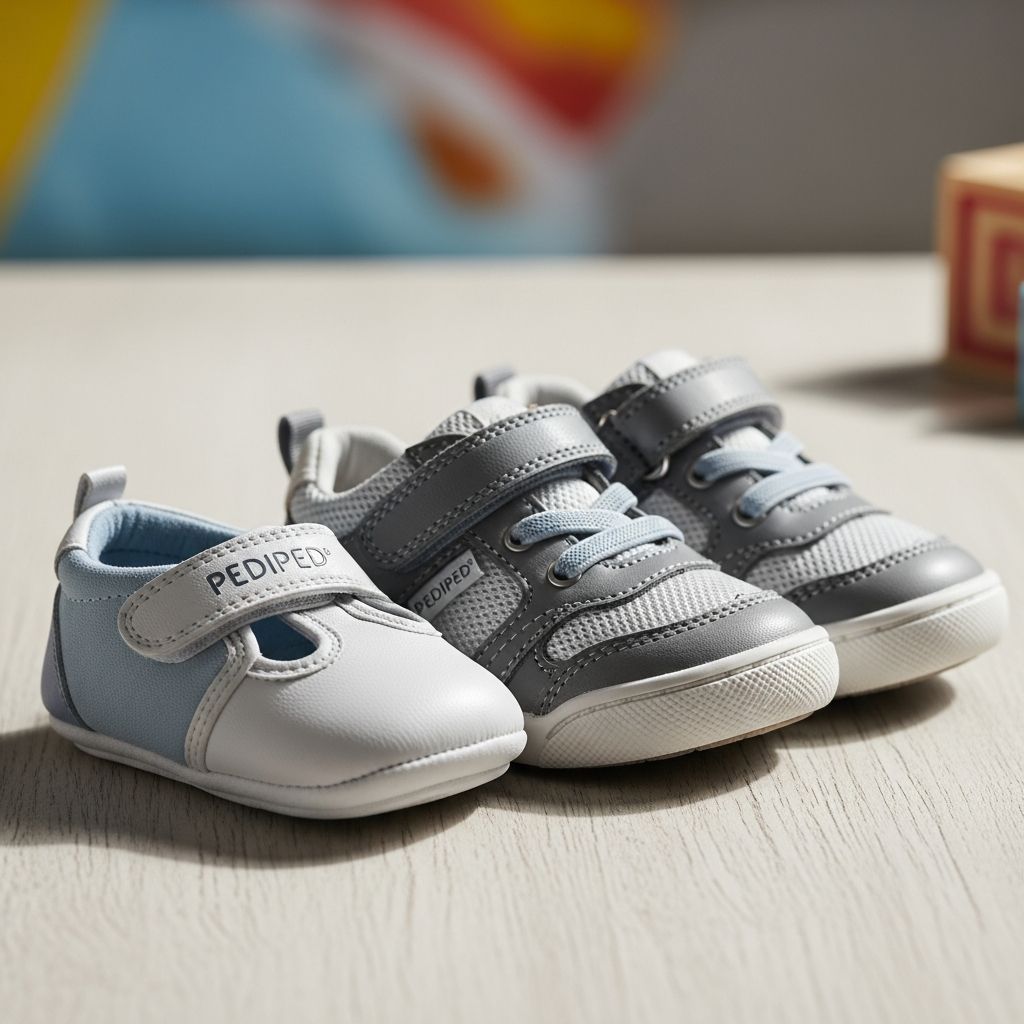
- Help your child find clothing and footwear that are both comfortable and confidence-boosting.
- Talk openly about questions or comments from peers, practicing simple scripts your child can use.
- Model respect and acceptance for all body types, including your child’s unique body.
Many families also find it helpful to connect with other parents or children living with similar conditions, whether through local support groups, online communities, or programs offered by hospitals and nonprofits.
Supporting Emotional Well-Being
Body differences can affect the way a child feels about themselves, especially as they get older and become more aware of social expectations. Parents have a powerful role in shaping a child’s sense of identity and self-worth.
- Celebrate what your child’s body can do, not just how it looks.
- Listen calmly when your child shares worries or frustrations about their leg.
- Reinforce that having a difference does not limit their value, intelligence, or potential.
- Consider counseling or child-focused therapy if anxiety, sadness, or withdrawal persist.
Involving your child in decisions whenever possible—choosing brace colors, decorating mobility aids, or helping plan treatments—can also foster a stronger sense of control and resilience.
Working With a Care Team
Most children with significant lower limb differences benefit from a multidisciplinary approach. This means several specialists coordinate care, share information, and help families understand options over time.
- Pediatric orthopedic surgeon or specialist in limb differences.
- Physical and occupational therapists.
- Prosthetists and orthotists who design supportive devices.
- Pediatricians and nurse practitioners who monitor overall health.
- Psychologists, social workers, and child life specialists who support emotional and social needs.
Bringing a written list of questions to appointments, taking notes, and asking for clear explanations can empower families to make decisions that feel right for them.
Questions to Ask Your Child’s Doctor
Good communication with the care team is key. Consider using some of these questions as a starting point during visits:
- What exactly is different about my child’s leg or foot?
- How might this change as my child grows?
- What are our options for treatment now, and what might be needed later?
- How will each option affect my child’s daily life, school, and sports?
- Are there families, support groups, or resources you recommend?
- How often should we schedule follow-up visits or imaging?
Frequently Asked Questions (FAQs)
1. Will my child grow out of a leg length difference?
In some mild cases, what looks like a difference early on becomes less noticeable as the child grows and gains muscle strength. However, true leg length discrepancies caused by bone differences tend not to disappear on their own. Regular monitoring helps determine whether the difference is stable, shrinking, or increasing over time.
2. Does having one shorter leg always require surgery?
No. Many children with small differences do well with conservative measures, such as shoe inserts or lifts, and never need surgery. The decision to consider surgery depends on the size of the difference, how it affects movement and comfort, and the child’s and family’s preferences.
3. Can my child play sports?
In many cases, yes. Children with lower limb differences often participate in a wide range of sports and physical activities, sometimes with small adaptations. Your child’s care team can advise which sports are safest, how to manage fatigue or pain, and whether any protective equipment or activity limits are needed.
4. Will my child have pain as an adult?
Future comfort depends on several factors, including the severity of the difference, how well joints are protected, and whether alignment issues are addressed. Early evaluation and thoughtful treatment aim to reduce the risk of long-term problems such as joint wear or chronic back pain.
5. How can I help my child handle teasing or questions?
Open conversations at home are a strong foundation. Help your child practice simple responses like “My leg was just made this way and it works for me,” or “This brace helps me walk and run.” Involving teachers and school staff can create a more inclusive environment, and support groups can provide role models who show that people with limb differences can thrive.
6. Is it okay to get a second opinion?
Absolutely. Lower limb differences can be complex, and it is reasonable for families to seek another expert’s perspective, especially when facing big decisions about surgery or long-term treatment. Most specialists understand this and welcome collaboration focused on what is best for the child.
Key Takeaways for Families
- Lower limb differences range widely, from subtle variations in length to more complex structural differences.
- Parents are not to blame, and many causes cannot be predicted or prevented.
- Early evaluation helps identify which children need only observation and which may benefit from treatment.
- Treatment goals focus on function, comfort, and participation—not just appearance.
- With supportive families, skilled care teams, and inclusive communities, children with one shorter or different-looking leg can grow into confident, active adults.