The Biological Foundation of Contractions and Discomfort
Childbirth represents one of the most intense physical experiences a woman can encounter, yet understanding the underlying biology transforms apprehension into informed preparation. Labor pain emerges from distinct physiological mechanisms that activate during different phases of delivery. Unlike sudden injuries that produce sharp, localized pain, labor discomfort follows a predictable pattern rooted in how the uterus functions and how the body’s nervous system responds to these muscular contractions.
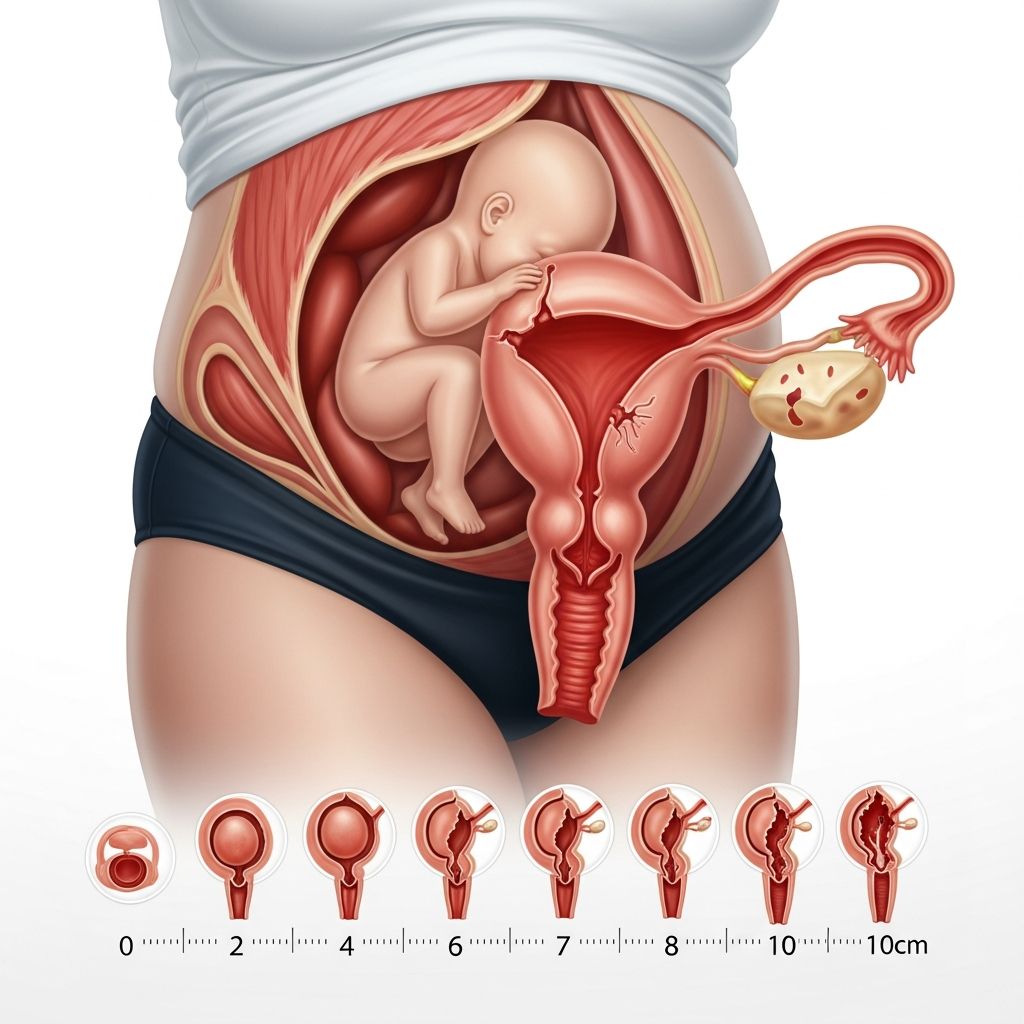
The uterus, a remarkable muscular organ, initiates contractions that serve a critical purpose: progressing the baby downward through the birth canal while simultaneously dilating the cervix. These contractions are involuntary and intensify progressively throughout labor. The pain accompanying contractions results from pressure transmitted to the cervix, which stretches and distends with each contraction, activating pain receptors known as nociceptors. Additionally, as labor advances, the vagina, perineum, and lower pelvic structures experience stretching and pressure, contributing to evolving sensations throughout the delivery process.
Distinguishing Visceral and Somatic Pain Components
Labor pain consists of two distinct neurological components, each originating from different anatomical structures and affecting different regions of the body. Recognizing these differences helps expectant parents understand why pain sensations change as labor progresses.
Visceral pain dominates the early stages of labor and stems from the cervix and lower uterine segment. When the uterus contracts, pressure builds against the cervix, creating stretching sensations that travel through specific nerve pathways from the spinal segments T10 to L1. This type of pain typically feels like deep, aching discomfort concentrated in the lower abdomen and lower back. Many women describe visceral labor pain as similar to severe menstrual cramps, though significantly more intense and rhythmic.
Somatic pain becomes increasingly prominent as labor advances into later stages. This component arises from the perineum, vagina, and lower pelvic floor structures as they stretch to accommodate the baby’s descent. The nerve pathways involved in somatic pain include T12 to L1 and S2 to S4 spinal segments. Women often characterize somatic pain as a burning, stretching sensation concentrated in the perineal area. This distinction matters because different pain relief strategies may be more effective for addressing one component versus the other.
How Labor Unfolds: The First Stage Experience
The initial stage of labor represents the longest phase, often lasting 12 to 19 hours for first-time mothers and approximately 14 hours for those who have previously given birth. This extended duration can feel challenging, but understanding the progression provides perspective on what to expect.
The Latent Phase: Subtle Beginnings
Labor often begins so subtly that women may not immediately recognize it as the start of the birthing process. During the latent phase, the cervix softens and begins dilating, though contractions remain irregular and relatively mild. Many women experience no notable discomfort during this extended period, which can last hours or even days. Physical signs may include a bloody mucus discharge called a “show,” mild lower back pain, or period-like cramping that comes and goes. Some women report loose bowel movements or a sudden gush of fluid as membranes rupture.
The unpredictability of the latent phase can create psychological uncertainty. A woman may wake during the night with contractions, experience brief pain, then have it subside completely, leaving her uncertain whether true labor has begun. This waiting period can extend considerably, and many healthcare providers recommend that women remain home during this phase, resting when possible and maintaining normal activities to conserve energy for the more intense labor ahead.
The Active Phase: Intensifying Contractions
As labor progresses into the active phase, contractions become stronger, longer, and more frequent, typically lasting 45 seconds with intervals of approximately 3 minutes between contractions. Pain intensity increases noticeably, and the rhythmic pattern becomes unmistakable. During active labor, the cervix dilates from approximately 6 centimeters to 8 centimeters. Women commonly report increased pressure in the lower back and may experience leg cramps. The active phase typically lasts 6 to 12 hours, during which most women find it necessary to focus on breathing techniques and movement to manage discomfort.
The Transition Period: Peak Intensity
The transition phase represents the bridge between full cervical dilation and the pushing stage. Though typically brief—lasting 15 minutes to one hour—it is often the most intense and challenging portion of labor. Contractions accelerate dramatically, occurring every 60 to 90 seconds and lasting longer. Many women describe this phase as the “hardest” part of labor, as pain reaches its peak while the body signals readiness to push before the cervix is completely dilated. During transition, women frequently experience overwhelming pressure in the lower back and rectum, trembling, nausea, and intense emotional responses. Healthcare providers closely monitor this phase to ensure women do not begin pushing prematurely, which could cause cervical swelling and delay delivery.
Advancing to the Second Stage: Active Pushing
Once the cervix reaches full dilation of 10 centimeters, labor enters the second stage, characterized by an almost irresistible urge to push. This stage lasts from 20 minutes to several hours, depending on numerous factors including whether this is a first birth, whether pain medication has been administered, and the baby’s position.
Paradoxically, many women report that the pain sensation changes during the pushing phase. While contractions continue and remain powerful, the ability to actively participate in pushing often provides psychological relief and a sense of productive action. The sensation of pressure intensifies, and women frequently experience stretching and burning sensations in the vaginal area as the baby’s head descends. Breathing deeply, relaxing between contractions, and following the body’s natural urges to push typically facilitates this stage more effectively than rigid techniques. Most women find that their midwife or healthcare provider’s guidance becomes invaluable during pushing, as they can offer encouragement and feedback about positioning and technique.
Individual Variation in Pain Experience
Substantial research demonstrates that labor pain differs significantly between first-time mothers and women who have previously given birth. First-time mothers typically report higher pain scores during early labor, partly because their bodies have not previously experienced the stretching and dilation process. However, multiparous women—those who have previously delivered—often experience more intense pain during the later pelvic phase of labor, attributable to the rapid descent of the fetus and sudden stimulation of nerve endings in the vaginal area.
Emotional and psychological factors profoundly influence pain perception. Women who have received childbirth education, understand what to expect, and feel supported typically report better pain management outcomes than those lacking this preparation. Anxiety and fear can intensify pain sensation, while feelings of control, support, and confidence appear to moderating the subjective experience of discomfort. Cultural background, previous pain experiences, and personal coping strategies also shape how individual women experience and respond to labor sensations.
Pain Management Strategies Across Labor’s Timeline
Modern obstetric care offers multiple approaches to managing labor pain, ranging from non-pharmaceutical techniques to medical interventions. The most effective approach often involves combining strategies tailored to individual preferences and labor’s progression.
Non-Medication Approaches
- Movement and positioning – Changing positions, walking, swaying, or using birthing balls can shift the baby’s position and reduce pressure on sensitive areas while allowing gravity to assist descent
- Breathing techniques – Slow, deep breathing during contractions increases oxygen flow, promotes relaxation, and provides psychological focus
- Hydrotherapy – Warm showers or tubs relax muscles and provide buoyancy that reduces pressure sensations
- Massage and counter-pressure – Partner or provider massage of the lower back or perineum can interrupt pain signals and provide comfort
- Continuous support – A dedicated labor support person offering emotional encouragement, physical assistance, and advocacy consistently improves pain management outcomes
- Visualization and mental focusing – Concentrating on positive imagery or focal points can reduce pain perception and anxiety
Medical Pain Relief Options
Pharmacological interventions provide additional tools when non-medication approaches alone prove insufficient. Epidural analgesia represents the most commonly used medical pain relief during labor, administered through a catheter placed in the lower back that delivers medication to numb the lower body. Epidurals effectively reduce pain while allowing some movement and sensation, though they do require continuous monitoring and restrict mobility somewhat. Other options include nitrous oxide (laughing gas) that women can self-administer through inhalation, or intravenous pain medications that reduce pain perception while maintaining some alertness.
The Third Stage: Delivering the Placenta
Following the baby’s birth, labor enters its third and final stage, during which the placenta must be expelled. This stage typically involves continued contractions, though women frequently report these as significantly less intense than earlier labor contractions. The contractions serve to separate the placenta from the uterine wall and propel it through the birth canal. Most women experience a sense of relief and emotional elation following their baby’s delivery, which can substantially reduce their perception of any remaining discomfort. Contractions may continue even after the placenta is delivered as the uterus begins its contraction process to control bleeding. Healthcare providers may administer medication to assist with placental expulsion and prevent excessive hemorrhage.
How Pain Memory Evolves After Childbirth
An interesting phenomenon occurs after childbirth: women’s memory of labor pain typically diminishes significantly with time. Research indicates that while labor pain is genuinely severe during the experience, women consistently report that their recollection of its intensity fades within weeks and months postpartum. This selective memory appears to reflect how the brain processes traumatic but finite experiences, especially when they result in profoundly meaningful outcomes. This characteristic of labor pain memory may actually facilitate women’s ability to consider future pregnancies without being dominated by fear of repeating the painful experience.
Frequently Asked Questions
Q: Is labor pain constant throughout labor?
A: No, labor pain follows a wave-like pattern, building during contractions and subsiding between them. Early labor may involve minimal discomfort, while late labor contractions are typically intense and frequent.
Q: Can I request pain medication at any point during labor?
A: Most facilities accommodate pain medication requests throughout labor, though some medications become less viable once labor is very advanced. Discuss pain management preferences with your healthcare provider during pregnancy planning.
Q: Will an epidural completely eliminate labor pain?
A: Epidurals typically reduce pain substantially, though some women retain sensation and pressure feelings. Individual responses vary based on medication dosage and individual physiology.
Q: What can my partner do to help me manage labor pain?
A: Partners can provide continuous emotional support, assist with positioning changes, offer massage or counter-pressure, help with breathing techniques, and advocate for the laboring woman’s preferences and comfort needs.
Q: Does labor pain indicate something is wrong?
A: Labor pain is expected and normal, reflecting the body’s natural process of delivering the baby. However, pain that seems unusually severe or differs dramatically from contraction patterns should be reported to healthcare providers.
References
- Stages of labour — The Royal Women’s Hospital. https://www.thewomens.org.au/health-information/pregnancy-and-birth/labour-birth/stages-of-labour
- Stages of labor — March of Dimes. https://www.marchofdimes.org/find-support/topics/birth/stages-labor
- The Pain of Labour — PubMed Central, National Institutes of Health. https://pmc.ncbi.nlm.nih.gov/articles/PMC4589939/
- Stages of labor and birth: Baby, it’s time! — Mayo Clinic. https://www.mayoclinic.org/healthy-lifestyle/labor-and-delivery/in-depth/stages-of-labor/art-20046545
- The stages of labour and birth — NHS (National Health Service). https://www.nhs.uk/pregnancy/labour-and-birth/the-stages-of-labour-and-birth/
- Stages of Labor: What To Expect During Labor & Delivery — Cleveland Clinic. https://my.clevelandclinic.org/health/body/22640-stages-of-labor
- Stages of Labor & Childbirth — Kaiser Permanente. https://healthy.kaiserpermanente.org/health-wellness/maternity/labor-delivery/what-to-expect/stages