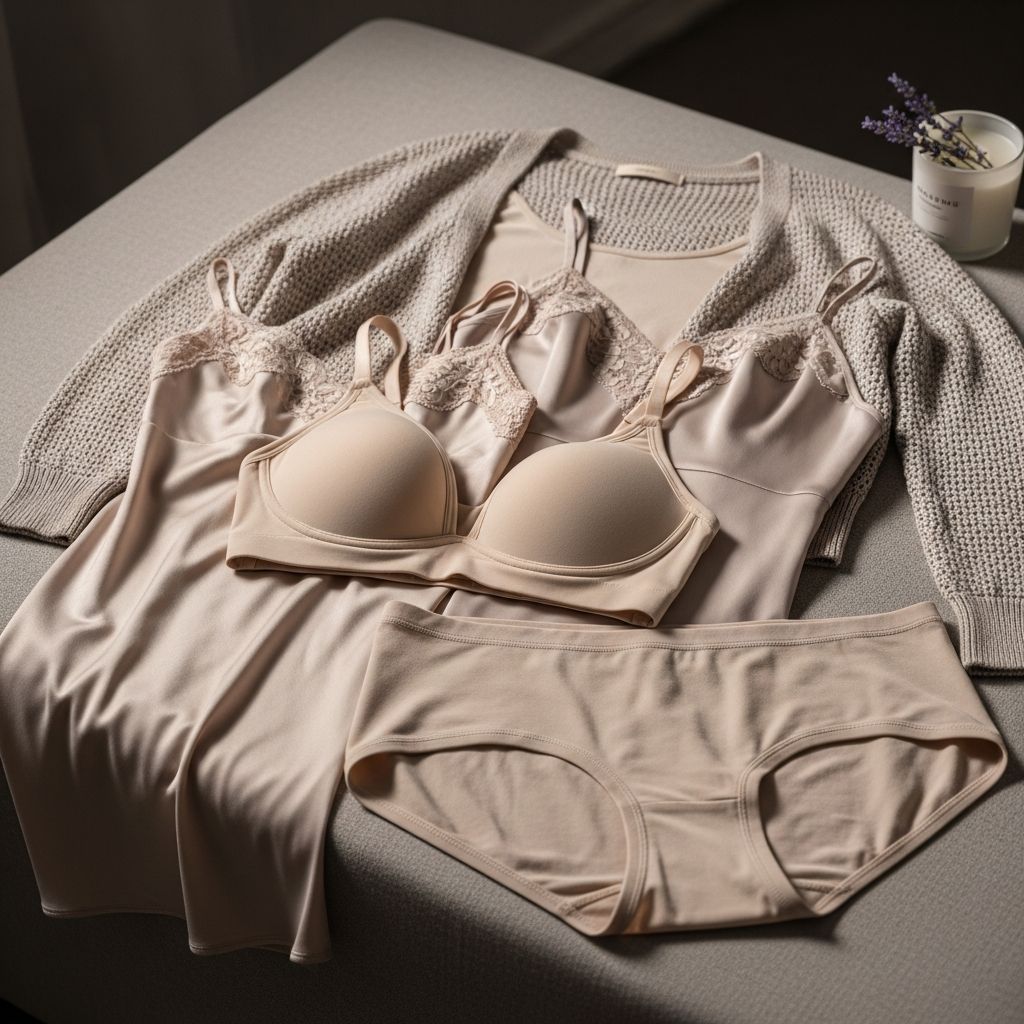
Most people spend far more time thinking about jeans, dresses, and blazers than the layer that sits closest to the skin. Yet undergarments quietly influence posture, silhouette, comfort, and even mood throughout the day. Thoughtful choices in this hidden layer can transform how clothing looks and how the body feels.
Modern wardrobes often lean on stretch fabrics, elastic waistbands, and casual fits, which can make it easy to ignore what lies beneath. However, understanding undergarments as functional tools rather than afterthoughts brings clarity to common frustrations like visible lines, slipping straps, and waistbands that dig in by noon.
The Silent Architecture Under Your Clothes
Undergarments act as the structural support of an outfit by smoothing, securing, or subtly reshaping the body so that outer layers hang more cleanly. Instead of thinking of underwear as purely decorative or purely practical, it helps to see it as a quiet form of architecture that supports the design of the clothes above it.
The right foundation pieces distribute pressure more evenly across the body, reduce distracting adjustments, and let fabric drape the way designers intended. This is why the same dress can look polished with one bra and rumpled with another.
Comfort Before Aesthetics (But Not Instead Of)
Comfort is not the enemy of style; it is the foundation of it. When straps dig into shoulders or waistbands roll down, attention shifts from conversations and work to constant fidgeting. Choosing undergarments that feel good for hours allows aesthetics to become a bonus rather than a trade-off.
- Look for breathable materials like cotton blends or moisture-wicking synthetics for everyday wear.
- Choose stretch that recovers its shape after movement rather than fabric that feels rigid or scratchy.
- Test how garments feel when you sit, stand, and bend, not just when you’re standing still in front of a mirror.
Decoding the Main Types of Undergarments
While there are countless styles on the market, most everyday undergarments fall into a few core categories. Understanding what each one does helps in building a small but versatile rotation rather than a crowded drawer full of pieces that never get worn.
| Type | Primary Purpose | Best Paired With | Good To Avoid When |
|---|---|---|---|
| Everyday bra | Support and shaping for daily wear | T-shirts, blouses, sweaters | Straps show with very low or intricate necklines |
| T-shirt bra | Invisible look under thin or smooth fabrics | Fitted tops, knit dresses | Deep plunge necklines or open backs |
| Strapless or convertible bra | Support without visible straps | Off-the-shoulder, halter, strapless dresses | Very long days if the band tends to slip |
| Sports bra | Minimize movement and provide high support | Exercise, travel, casual days | Under very delicate fabrics that show texture |
| Briefs, bikinis, hipsters | General coverage and comfort | Everyday outfits, looser pants | Very body-hugging fabrics that reveal lines |
| Seamless underwear | Minimize visible lines | Fitted skirts, bodycon dresses, leggings | Situations where you prefer more structure or cotton-only fabric |
| Shapewear shorts or bodysuits | Smoothing, light sculpting, and anchoring fabric | Occasion wear, tailored pieces, slippery fabrics | Very hot weather or times you need maximum flexibility |
The Bra Fit Problem: Why Many People Get It Wrong
Many people wear bras that are too loose in the band and too small in the cup, leading to slipping straps, gaping cups, or overflowing edges. A poor fit often stems from relying on a single measurement taken years ago, or assuming that the same labeled size will behave the same across different brands and styles.
An effective bra fit starts with the band, which should sit level around the torso and provide most of the support without digging. Cups should fully encase tissue without spillage at the top, sides, or center, and the center front should sit close to the chest on most wired designs.
Simple At-Home Bra Fit Checks
- If the band rides up your back, the band is likely too large or too loose on the current hook setting.
- If cups wrinkle or gap, consider a smaller cup size or a different shape better suited to your frame.
- If tissue spills over the top or sides, try a larger cup size or a fuller-coverage style.
- If straps dig in, the band may not be doing enough work, or the straps may simply need adjustment.
Shapewear: Tool, Not Requirement
Shapewear is often framed as a requirement for formal events, but it is simply one possible tool among many. The goal is not to change the body into something it is not; rather, it is to prevent specific garments from clinging awkwardly or bunching in motion.
Light-to-medium compression pieces can help dresses glide smoothly, reduce chafing, and keep hems from riding up. Heavy compression, on the other hand, can restrict breathing, limit the ability to sit comfortably, and turn a special event into an endurance test.
When Shapewear Is Worth Considering
- Wearing a very thin or clingy fabric that highlights every seam or line.
- Styling a structured dress that needs a stable base to sit correctly.
- Spending long hours on your feet and wanting extra support through the torso or thighs.
If shapewear leaves deep marks, makes you short of breath, or causes discomfort after a short time, the fit or compression level is likely wrong. Undergarments should support your day, not dominate it.
Matching Undergarments to Fabrics and Cuts
Different outer fabrics behave in distinct ways, and undergarments can either cooperate with that behavior or fight it. The aim is to pair fabric with foundations that respect its weight, texture, and level of transparency.
- Thin knits and jersey: Work best with smooth, lightly padded or unpadded bras and seamless underwear that avoids thick edges.
- Structured wovens: Can handle more textured lace or seams without showing through, making room for more decorative choices.
- Silk and satin: Often benefit from slips or bodysuits that keep the fabric from clinging to skin or catching on other layers.
- Sheer or light-colored garments: Usually look smoothest with undergarments in a tone close to your natural skin shade, not pure white.
Slips and Camisoles: The Overlooked Layer
In many modern wardrobes, slips and camisoles have nearly vanished, replaced by stretch linings or accepted cling. Yet a simple slip can change how a dress behaves: it helps fabric skim rather than stick, adds opacity to thin materials, and reduces static.
Camisoles provide a gentle buffer between skin and outerwear, which can be especially useful under slightly itchy sweaters, low-cut tops, or garments that pull across the chest. Choosing versions with smooth straps and minimal hardware keeps the look subtle.
Situations Where Slips Shine
- Wearing a light-colored dress that becomes transparent in strong sunlight.
- Styling a skirt that clings to tights or stockings when you walk.
- Wanting a smoother waistline without committing to firm shapewear.
Building a Thoughtful Undergarment Capsule
Just as many people create capsule wardrobes, it is possible to create a core set of undergarments that serve most outfits without overflowing drawers. This reduces decision fatigue and makes laundry cycles easier to manage.
Example Everyday Undergarment Capsule
- Two to three everyday bras in a neutral tone that disappears under most clothes.
- One darker bra for deeper colors and one lighter or seamless bra for thin fabrics.
- Seven to ten pairs of everyday underwear in preferred cuts, plus a few seamless options.
- One sports bra with the right support level for typical activities.
- One slip or smoothing half-slip and one simple camisole.
- Optional: one shapewear garment for occasions where extra smoothing feels helpful.
This kind of curated set focuses on reliability and comfort first, then layers in special pieces for certain outfits or moods. Over time, it becomes easier to spot which items truly earn their place and which were impulse buys.
Undergarments and Body Image
The relationship between undergarments and body image can be complicated. Some pieces highlight curves, some minimize them, and others simply act as a neutral layer. Instead of choosing items to hide perceived flaws, it can be more liberating to choose pieces that support how you want to feel that day: secure, relaxed, playful, or powerful.
Underwear does not need to be reserved for other people to see; it can just as easily be a private expression of taste. Delicate lace, bold colors, or minimalist silhouettes can all serve the same basic functions while reflecting different aesthetics.
Care and Longevity: Making Pieces Last
Because undergarments are worn and washed frequently, proper care dramatically extends their life. Simple habits can maintain elasticity, preserve color, and keep fabric smooth.
- Fasten bras before washing so hooks don’t snag other items.
- Use cool water and gentle detergent to protect elastic fibers.
- Air-dry whenever possible, since high heat breaks down stretch.
- Rotate among multiple bras rather than wearing the same one for many days in a row.
Treating undergarments as functional investments rather than disposable items encourages more mindful buying decisions. Pieces that feel good and hold up over time ultimately cost less than a constant stream of uncomfortable replacements.
Common Undergarament Mistatoes (And Simple Fixes)
Many undergarment frustrations come from small, fixable issues rather than major wardrobe failures. Identifying patterns in what bothers you most can point directly to better solutions.
- Visible lines under clothing: Try seamless designs, laser-cut edges, or slips that smooth transitions.
- Waistbands that roll: Experiment with higher-rise styles, wider waistbands, or size adjustments.
- Straps that always fall: Adjust strap length, explore racerback or cross-back options, or select styles with closer-set straps.
- Underwires that poke: Consider different wire shapes, soft-wire or wireless bras, or reevaluate band and cup size.
Frequently Asked Questions About Undergaraments
How many bras does someone really need?
The number depends on lifestyle and laundry habits, but many people do well with three to five functional bras: a few for everyday wear, one sports bra, and possibly one dressier or specialty option. The key is making sure each piece is comfortable and genuinely used.
Is it necessary to be professionally fitted for a bra?
Professional fittings can be helpful, especially after major body changes like pregnancy, weight fluctuation, or surgery. However, it is also possible to fine-tune fit at home by trying multiple band and cup combinations, paying attention to how the band sits, how the cups contain tissue, and whether you can breathe and move comfortably.
Do slips feel outdated in a modern wardrobe?
Slips may feel nostalgic to some, but they remain extremely practical for preventing cling, adding opacity, and increasing comfort under certain fabrics. The designs available today often use lighter, stretchier materials that feel more like a second skin than a separate garment.
Is shapewear harmful if worn often?
Light and moderate compression designed for everyday wear is generally comfortable for many people when it fits properly. Intense compression worn for long periods, especially if it restricts breathing or movement, is more likely to cause discomfort or strain, so it should be used sparingly and always in a size that allows natural movement.
How often should undergaraments be replaced?
Elastic wears out over time, especially with frequent washing and drying. When bras no longer provide support even on tighter hooks, or when underwear loses shape, becomes transparent, or feels rough, it usually signals that it is time to refresh those pieces.
Reframing Undergaraments as Everyday Tools
Seeing undergaraments as tools—rather than tests of worth or sources of embarrassment—opens up more freedom to experiment. The layer closest to the skin can quietly enhance posture, comfort, and confidence without shouting for attention.
A small set of well-chosen, well-fitting pieces can make morning dressing simpler, transform the way clothes hang, and offer a subtle daily reminder that comfort and self-respect are not at odds. In that sense, rediscovering undergaraments is less about fashion rules and more about making friends with the clothes no one else sees.