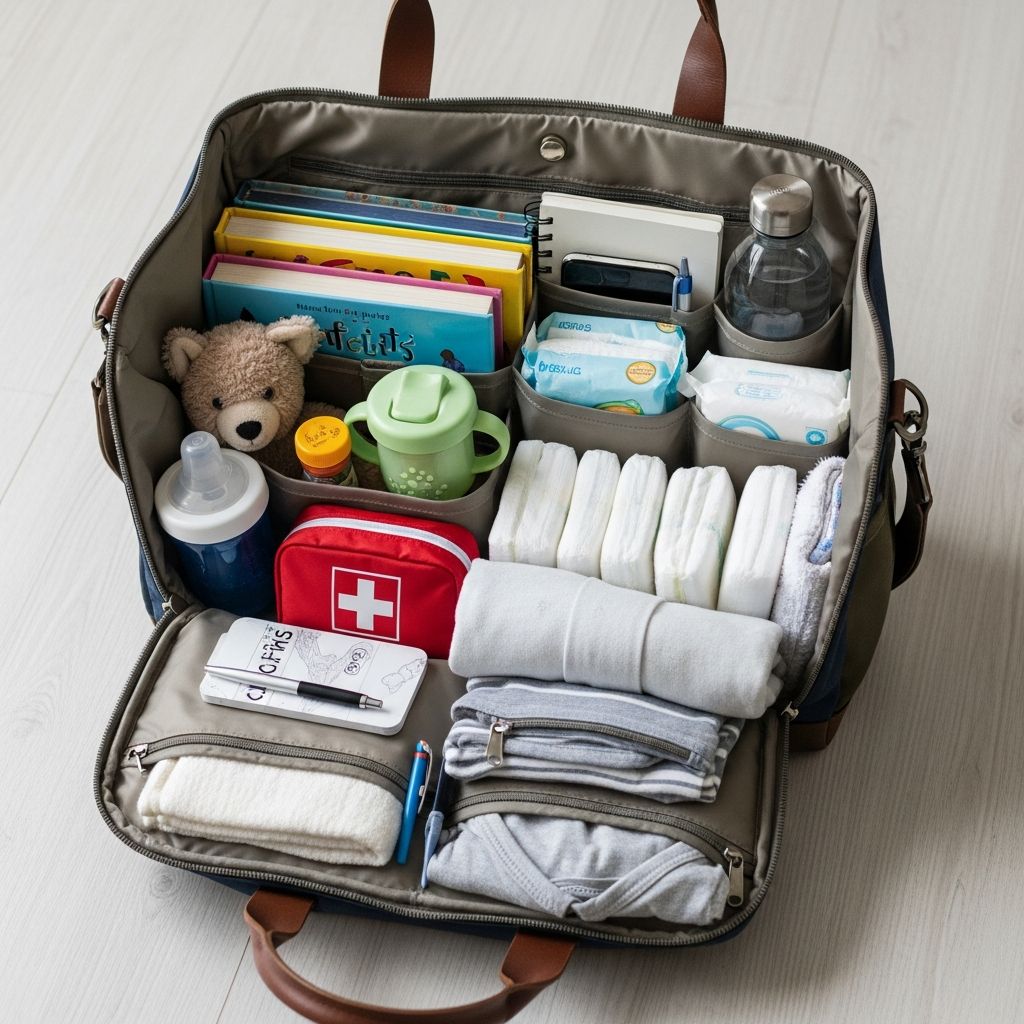
A well-packed nanny bag turns an ordinary day with children into a smooth, stress-free experience. It keeps kids entertained, comfortable, and safe, while helping you stay organized and professional from the moment you walk through the door.
This guide walks through the main sections a great nanny bag should cover: everyday basics, comfort items, fun activities, health and safety supplies, and your own personal essentials. You will also find packing tips, sample checklists, and answers to common questions nannies have about stocking and using their bags.
What Is a Nanny Bag?
A nanny bag is the central “command center” you bring to every childcare job. Think of it as a portable toolkit that holds everything you might reasonably need while caring for children at home, at the park, on errands, or during longer outings.
- It combines activity supplies, comfort items, snacks, and safety tools in one organized place.
- It helps you respond quickly to spills, boredom, minor injuries, schedule changes, and unexpected mishaps.
Parents notice when a nanny arrives fully prepared. A thoughtfully stocked bag signals reliability, professionalism, and experience, which can set you apart from other caregivers.
Choosing the Right Bag
The best nanny bag is comfortable to carry, easy to clean, and simple to organize. You do not need an expensive designer bag; durability and function matter far more than the brand name.
- Size: Large enough for diapers, snacks, and activities, but not so huge that it becomes heavy or unwieldy.
- Straps: Look for padded shoulder straps or a crossbody design so you can be hands-free with the kids.
- Material: Wipeable or washable fabric is ideal for dealing with spills, dirt, and sticky fingers.
- Pockets: Multiple compartments help you separate clean items from dirty ones and find what you need quickly.
Many nannies use a large backpack or tote with a zipper closure. Backpacks are especially helpful on outings because the weight is evenly distributed and your hands stay free.
Core Categories of Nanny Bag Items
To make packing easier, divide your nanny bag into a few main categories. This structure keeps you from overpacking while ensuring you never miss a crucial item.
- Daily care basics (diapers, wipes, changes of clothes)
- Food and drink (snacks and water)
- Comfort and weather gear (blankets, jackets, sun protection)
- Entertainment and learning (books, toys, crafts)
- Health and safety (first-aid, contact info, emergency tools)
- Nanny’s personal essentials (phone, keys, planner, hygiene items)
Using packing cubes or small pouches for each category keeps your bag tidy and makes it easy to restock between shifts.
Daily Care Basics
Daily care items are the foundation of a nanny bag. These cover all the little messes and mishaps that are guaranteed to happen when you spend time with kids.
For Babies and Toddlers
- Diapers or pull-ups (pack more than you think you’ll need)
- Wipes in a travel-friendly container
- Portable changing pad or disposable changing liners
- Diaper cream or barrier ointment (if parents approve)
- Plastic bags or wet bags for dirty diapers and soiled clothes
- Two complete changes of clothes (including socks)
Keep diapering supplies together in a dedicated pouch or small caddy so you can quickly grab everything for a bathroom or changing-table trip.
For Preschool and School-Age Kids
- One change of clothes appropriate for the season
- Extra underwear and socks
- Small pack of tissues or wipes for quick cleanups
- Hair ties or clips for children with long hair
Even older children spill drinks, find muddy puddles, or decide to roll down a grassy hill. A spare outfit can save a trip home and keep the day on track.
Snacks and Hydration
Hungry or thirsty kids become cranky quickly. Packing simple, parent-approved snacks and water keeps blood sugar stable and moods more even.
- Reusable water bottle for each child (or a large bottle with paper cups)
- Non-perishable, low-mess snacks like crackers, dry cereal, or fruit bars
- Toddler snacks in small containers to prevent spills
- Napkins or wipes for sticky fingers
Always ask parents about allergies, dietary restrictions, and family rules around food. Use sealed containers or snack bags to keep food fresh and your bag clean.
Comfort and Weather Gear
Comfort items help kids feel secure and ready for adventures, while weather gear protects them from heat, cold, and sudden changes in conditions.
- Lightweight blanket or muslin swaddle for naps or extra warmth
- Seasonal hat (sun hat in warm weather, knit cap in cold weather)
- Weather-appropriate jacket or sweatshirt
- Baby carrier or sling if you often care for infants
- Travel-size sunscreen (approved by parents) and lip balm
Store weather items in an outer pocket so you can grab them quickly if the temperature changes or the sun becomes intense.
Entertainment and Learning Activities
One of the hallmarks of a great nanny bag is a thoughtful collection of activities that entertain children without overwhelming them. Aim for items that are quiet, compact, and open-ended.
Low-Mess Quiet Activities
- Board books or early readers matched to the child’s age
- Small coloring books or sketch pads
- Crayons or washable markers in a pencil case
- Reusable activity books (wipe-clean pages)
- Sticker sheets or reusable window clings
These are perfect for waiting rooms, restaurants, or quiet time at home. Rotating the activities every week or two helps maintain the “new and exciting” factor.
Active and Outdoor Items
- Small ball or soft frisbee for park play
- Sidewalk chalk in a lidded container
- Simple card games or travel-sized board games
- Magnifying glass or nature scavenger-hunt cards
These encourage movement, exploration, and social skills, turning even a short trip to the park into an engaging mini-adventure.
Health and Safety Essentials
A nanny bag should always include a small but well-chosen set of health and safety items. These help you handle minor injuries and unexpected situations calmly and efficiently.
Mini First-Aid Kit
- Adhesive bandages in assorted sizes
- Antiseptic wipes or spray
- Sterile gauze pads and medical tape
- Tweezers for splinters
- Instant cold pack (if allowed by parents)
- Pair of disposable gloves
Do not administer medications unless parents have provided them and given clear written instructions. Instead, focus on basic cleaning, covering, and communicating with caregivers.
Emergency Information and Tools
- List of emergency contacts (parents, pediatrician, local emergency numbers)
- Copies of relevant medical information or allergy action plans
- Phone charger or small power bank
- Hand sanitizer for times when soap and water are unavailable
- Travel pack of disinfecting wipes for surfaces
Keep emergency information in a clearly labeled envelope or pouch so you can find it instantly and show it to first-responders if needed.
Nanny’s Personal Essentials
Your comfort and organization matter too. When you are well prepared and cared for, you are more patient, focused, and creative with the kids.
- Phone, keys, and wallet in a secure, zippered pocket
- Planner, notebook, or small clipboard for tracking schedules and notes
- Pen and small notepad to leave updates for parents
- Healthy snack and water bottle for yourself
- Small hand lotion, lip balm, and personal hygiene items
Use your planner to track naps, meals, diapers, behavior notes, and special moments. Parents appreciate concise, clear communication about their child’s day.
Suggested Nanny Bag Layout
The way you organize your bag can be just as important as what you put in it. Group similar items together and keep the most frequently used supplies within easy reach.
| Bag Area | Suggested Contents |
|---|---|
| Main compartment | Diapers, wipes, change of clothes, small blanket, activity pouch |
| Front pocket | Snacks, tissues, hand sanitizer, small toys |
| Side pockets | Water bottles for you and the kids |
| Inner zip pocket | Emergency contacts, first-aid kit, medications supplied by parents |
| Dedicated pouch | Personal items (phone, keys, wallet, planner, pens) |
Over time, you will naturally adjust the layout based on your routine, the ages of the children, and the activities you do most often.
Seasonal and Special-Situation Add-Ons
In addition to your everyday essentials, it helps to have a few optional items ready for specific situations. You can rotate these in and out of your bag as the season or schedule changes.
- Summer: Extra sunscreen, sun hats, light long-sleeve shirts, bug spray (with parent approval), swimsuits and small towels if you often visit splash pads.
- Winter: Gloves or mittens, warm hats, extra socks, small hand warmers (if allowed), lip balm for chapped lips.
- Long outings: Extra snacks, backup entertainment, lightweight stroller clip-on fan, additional change of clothes.
Keep a small bin or basket at home with these seasonal add-ons so you can quickly grab what you need before heading out.
Maintaining and Restocking Your Nanny Bag
A nanny bag works best when it is consistently maintained. Make it a habit to clean and restock your bag at the end of each workday or at least once a week.
- Remove trash, used tissues, and empty snack wrappers.
- Replace any used diapers, wipes, bandages, or first-aid items.
- Return toys and books to their pouches and rotate in fresh options.
- Wipe down the interior and exterior if there were spills or outdoor adventures.
Regular maintenance prevents your bag from becoming a cluttered catch-all and ensures you are always ready for your next shift.
Sample Nanny Bag Checklist
Use the following list as a starting point, then customize it for each family based on the children’s ages, routines, and preferences.
- 3–5 diapers or pull-ups per child (if applicable)
- Wipes, changing pad, and diaper cream (if approved)
- 1–2 changes of clothes per child
- Reusable water bottles and parent-approved snacks
- Light blanket and weather-appropriate hat or jacket
- Books, coloring supplies, and a few small toys
- Mini first-aid kit and hand sanitizer
- Emergency contact list and phone charger
- Planner or notebook, pen, and your personal essentials
Print or save this checklist on your phone and quickly review it before leaving home so nothing important gets left behind.
FAQs About Packing the Perfect Nanny Bag
How often should a nanny restock the bag?
Most nannies find it helpful to restock at the end of each shift or at least once a day. This timing gives you a clear sense of what was used and ensures you begin your next job with a fully supplied bag.
Should the nanny or the parents supply the items?
Core items like diapers, wipes, formula, and specific snacks usually come from the family, while many nannies provide general supplies such as activity books, basic first-aid materials, and their own personal essentials. Discuss expectations upfront so everyone is on the same page.
How can a nanny avoid overpacking?
Focus on categories instead of every possible scenario. Choose one or two options in each area (snacks, activities, comfort, safety) rather than bringing everything you own. Reviewing your bag after a few weeks will show which items you never use and can leave at home.
Is it better to have one nanny bag or different bags for different families?
Some caregivers prefer a single core bag plus a small add-on pouch for each family’s unique items, such as special snacks or medications. This approach keeps your main system consistent while still respecting each child’s routine and needs.
What makes a nanny bag look professional to parents?
Parents tend to be impressed by a clean, organized bag with clearly separated sections, age-appropriate activities, a simple first-aid kit, and visible emergency contact information. Taking a few seconds to show them how you’ve organized things can build immediate trust.
Final Thoughts
Packing the perfect nanny bag is less about having every gadget and more about thoughtful preparation. When your bag balances fun, comfort, and safety, you are free to focus on what matters most: building a strong, caring relationship with the children in your care.
Start with the basics, add items that fit your specific families, and refine your system as you gain experience. Over time, your nanny bag will become a reliable partner that keeps every outing and workday running smoothly.