Ulnar dysplasia, also known as ulnar club hand or ulnar longitudinal deficiency, is a rare congenital condition where the ulna bone in the forearm fails to develop properly. This leads to the hand and wrist bending toward the pinky side, potentially affecting elbow function, finger formation, and overall arm use. Affecting approximately 1 in 100,000 births, it requires early intervention to maximize function.
Understanding the Anatomy Behind Ulnar Dysplasia
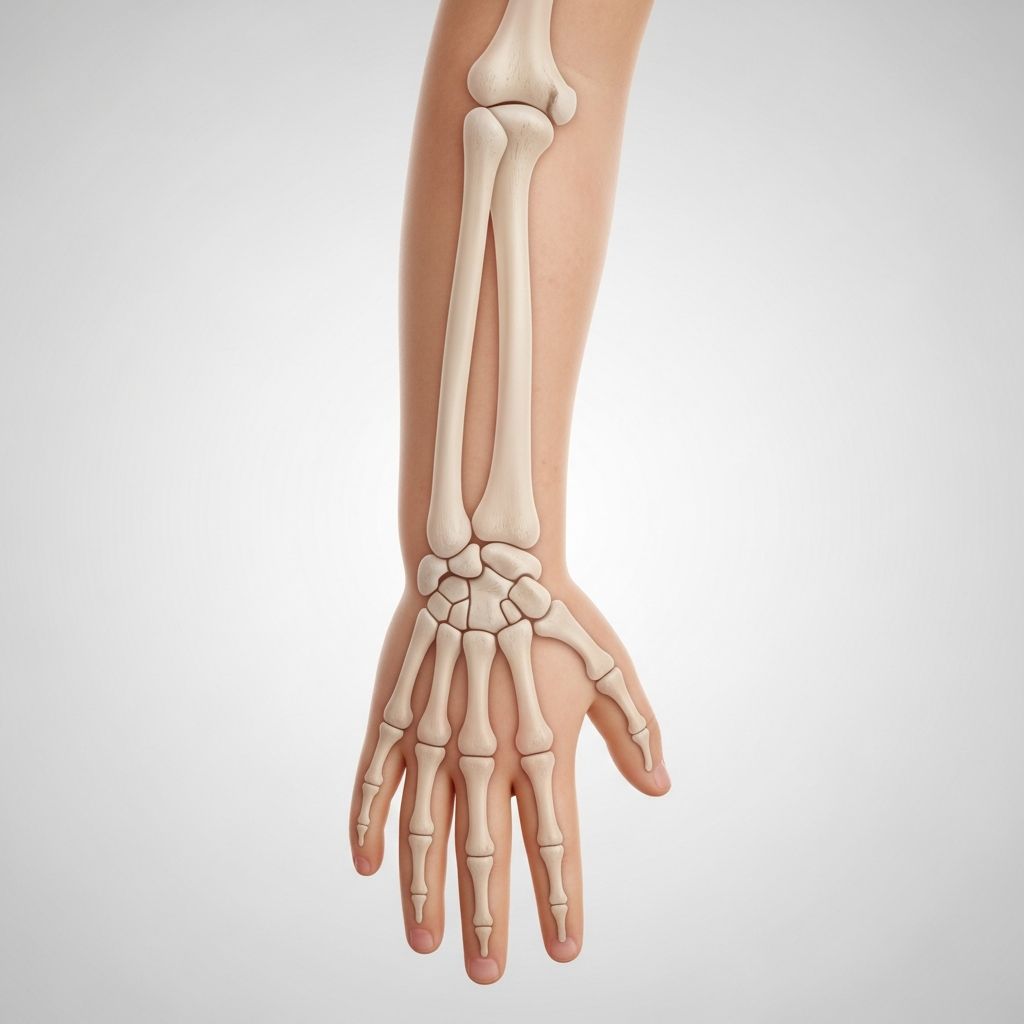
The forearm consists of two parallel bones: the radius on the thumb side and the ulna on the pinky side. In ulnar dysplasia, the ulna is underdeveloped, absent, or malformed, causing the radius to bow and the hand to deviate ulnarly (toward the pinky). Soft tissues, muscles, nerves, and sometimes fingers or the thumb may also be impacted, leading to imbalances that hinder grip and motion. This condition arises during early fetal development, around weeks 4-8 of pregnancy, when limb buds form.
Recognizing the Signs at Birth
Parents may notice ulnar dysplasia immediately after birth due to visible deformities. Common indicators include:
- A shortened or absent forearm on the pinky side.
- Wrist angled sharply toward the little finger.
- Bowed radius bone creating a curved forearm appearance.
- Smaller or missing fingers, particularly the ring and pinky fingers.
- Limited elbow movement or instability in severe cases.
- Potential thumb hypoplasia or syndactyly (fused fingers).
These features can occur unilaterally (one arm) or bilaterally (both arms), with unilateral cases being more common. Associated issues like scoliosis or heart defects may accompany it in some children. Early observation allows for prompt specialist referral.
Classifications of Ulnar Dysplasia Severity
Ulnar dysplasia is categorized into four main types based on ulna involvement and associated anomalies, guiding treatment decisions. The following table summarizes these classifications:
| Type | Ulna Status | Key Features | Functional Impact |
|---|---|---|---|
| 1 | Slightly short | Mild wrist deviation; stable elbow | Minimal; good prognosis |
| 2 | Moderately short | Bowed radius; hand turned out; possible finger differences | Moderate; often requires intervention |
| 3 | Absent | Severe wrist deviation; unstable elbow; hand deformities | Significant; surgery common |
| 4 | Absent with radiohumeral fusion | Fixed elbow; bowed forearm; malformed hand | Severe; complex reconstruction needed |
Type 2 is the most frequent, while Type 4 presents the greatest challenges. Classification helps predict outcomes and tailor care plans.
Potential Causes and Risk Factors
The precise etiology remains multifactorial, often idiopathic. Genetic mutations play a role in familial cases, with links to syndromes like Cornelia de Lange. Environmental influences during pregnancy, such as maternal diabetes, infections, teratogenic medications (e.g., thalidomide), or toxin exposure, increase risk. Vascular disruptions in the developing limb bud may also contribute. No single cause predominates, emphasizing the need for thorough prenatal and postnatal evaluations. Genetic counseling is recommended for recurrent cases in families.
Diagnostic Approaches for Confirmation
Diagnosis begins with a newborn physical exam, assessing range of motion, muscle strength, and skeletal alignment. Imaging confirms findings:
- X-rays: Reveal bone length, bowing, and joint status; primary tool.
- Ultrasound or MRI: Evaluate soft tissues, cartilage, and nerves in infants.
- Genetic testing: Identifies chromosomal abnormalities or mutations if syndromic features present.
- Echocardiogram: Screens for cardiac associations.
Multidisciplinary teams, including pediatric orthopedists, hand surgeons, and geneticists, collaborate for accurate assessment. Prenatal ultrasound may detect severe cases.
Non-Surgical Management Strategies
Conservative treatments aim to improve position and function without surgery, especially in milder types. Key approaches include:
- Serial Casting: Gentle manipulation and plaster casts from birth to stretch tight structures and straighten the wrist.
- Splinting: Custom orthoses worn full-time initially, then nights, for years to maintain alignment.
- Physical and Occupational Therapy: Focuses on strengthening, range of motion, and adaptive skills; starts early and continues long-term.
These methods can correct mild deformities and enhance function in up to 50% of cases, delaying or avoiding surgery. Compliance is crucial for success.
Surgical Interventions for Correction
Surgery is indicated for moderate to severe cases or when non-operative measures fail. Procedures are staged over years:
- Wrist Reconstruction: Releases tight ulnar structures, excises abnormal fibrous bands, and stabilizes the carpus on the radius.
- Elbow Stabilization: For Types 3-4, creates a functional joint or addresses fusions.
- Finger/Thumb Procedures: Web space deepening, pollicization (thumb creation from index), or lengthening.
- Limb Lengthening: Distraction osteogenesis using external fixators for significant discrepancies.
Optimal timing is between 6-12 months for initial wrist surgery, with follow-ups into adolescence. Outcomes vary, with 70-80% achieving improved function. Risks include stiffness, infection, and recurrence.
Long-Term Outlook and Daily Living
Most children with ulnar dysplasia lead active lives post-treatment. Functional goals include independent self-care, sports participation, and fine motor skills. Adaptive equipment like ergonomic tools aids challenges. Regular monitoring tracks growth-related changes. Psychosocial support addresses body image; peer groups foster resilience. With intervention, many achieve near-normal capabilities.
Associated Conditions and Holistic Care
Beyond the arm, ulnar dysplasia links to musculoskeletal issues (e.g., scoliosis), genitourinary anomalies, and rarely, cognitive delays. Comprehensive screenings ensure whole-child care. Parental education empowers home management.
Frequently Asked Questions (FAQs)
Can ulnar dysplasia be detected before birth?
Yes, advanced prenatal ultrasounds may identify forearm shortening or wrist deviation in the second trimester, prompting specialist consults post-delivery.
Is ulnar dysplasia hereditary?
In most cases, no, but 10-20% have genetic links; family history warrants counseling.
How successful is treatment for ulnar dysplasia?
Success rates are high with early, combined therapies; function improves significantly, though full normality is rare in severe types.
Will my child need surgery?
Depends on type and response to casting/splints; milder cases often avoid it.
What activities should be avoided?
High-impact contact sports initially; therapy guides safe progression.
Supporting Your Child’s Journey
Empowerment comes from knowledge and advocacy. Connect with hand surgery clinics, support networks, and therapists. Celebrate milestones to build confidence. Research advances, like tissue engineering, promise future improvements.
References
- Ulnar Dysplasia: Symptoms, Causes & Treatment — Medicover Hospitals. 2023. https://www.medicoverhospitals.in/diseases/ulnar-dysplasia/
- Ulnar Longitudinal Deficiency — Stanford Medicine Children’s Health. 2024. https://www.stanfordchildrens.org/en/services/hand-upper-limb-surgery/ulnar-longitudinal-deficiency.html
- Ulnar dysplasia — Wikipedia (referencing primary sources). 2024. https://en.wikipedia.org/wiki/Ulnar_dysplasia
- Ulnar Club Hand — Orthobullets. 2025-01-15. https://www.orthobullets.com/hand/6068/ulnar-club-hand
- Ulnar Dysplasia — Nemours KidsHealth. 2024. https://kidshealth.org/en/parents/ulnar-dysplasia.html