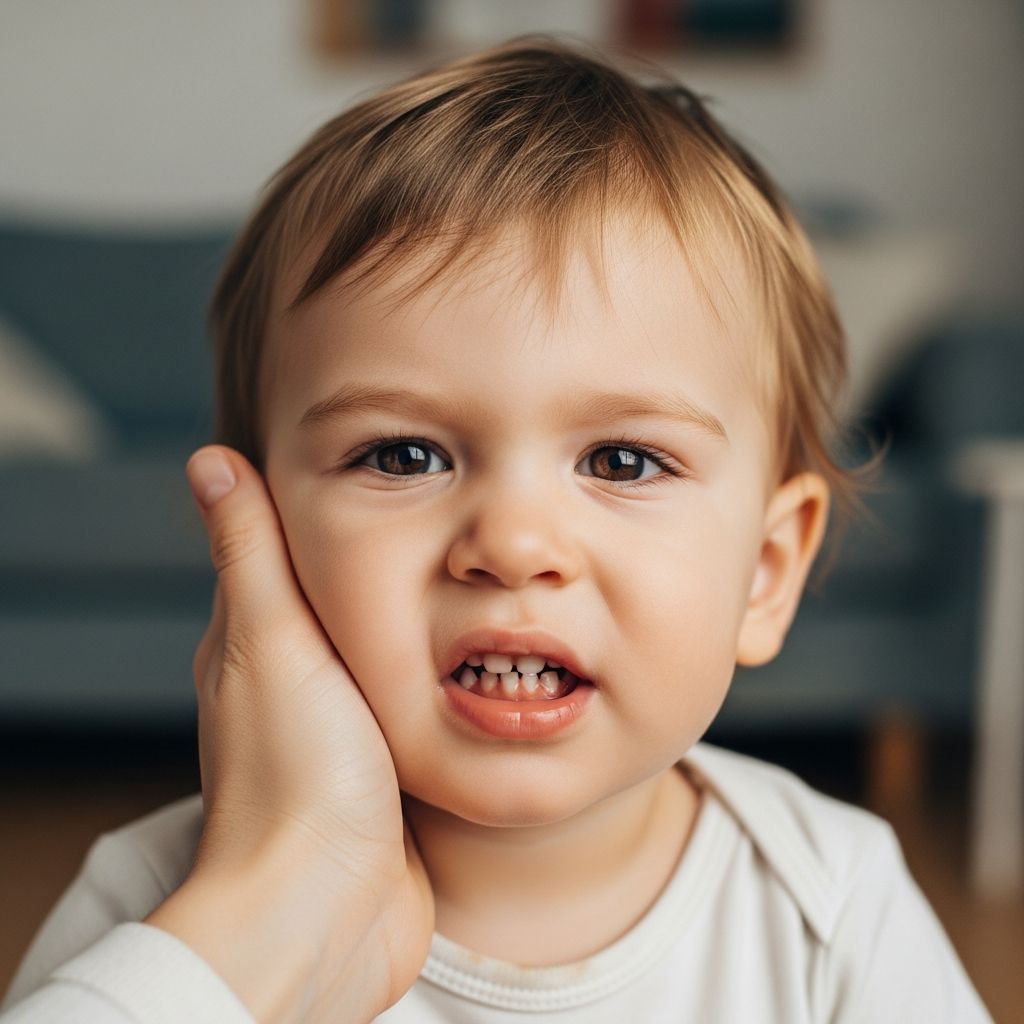
The arrival of two-year molars marks a significant milestone in your toddler’s dental development, often bringing waves of discomfort that can test both parent and child. These large back teeth, essential for grinding food, typically push through the gums between 20 and 33 months, sometimes causing more intense symptoms than earlier teeth due to their size and position. Understanding this phase empowers parents to provide targeted relief, ensuring your little one navigates it with minimal fuss.
Understanding the Timeline of Toddler Molars
Two-year molars, also known as second molars, are the final set of primary teeth to emerge. Unlike the smaller incisors that appear earlier, these molars develop deeper in the jaw and erupt later. Most children experience lower second molars between 23-31 months and upper ones from 25-33 months, though variations are common. By age three, toddlers should have all 20 primary teeth, completing the baby set.
This timeline overlaps with the ‘terrible twos,’ where behavioral changes might mask teething signs. Factors like genetics and overall health influence exact timing, but vigilance from 18 months onward helps anticipate issues. Early awareness allows proactive measures, reducing surprise discomfort.
Recognizing Signs Your Toddler is Getting Molars
Teething symptoms for molars amplify those from earlier teeth because of their bulkier structure, which exerts greater pressure on gums. Common indicators include:
- Heightened irritability: Toddlers may become unusually fussy, crying more due to constant gum soreness.
- Excessive drooling: Increased saliva production leads to chin rashes or clothing saturation.
- Gum swelling and redness: Back gums appear inflamed, sometimes visible as white bumps signaling imminent breakthrough.
- Chewing behaviors: Gnawing on toys, fingers, or furniture relieves pressure.
- Sleep disruptions: Night wakings or resistance to bedtime stem from pain.
- Ear or cheek tugging: Referred pain via shared nerves mimics earaches.
- Appetite changes: Preference for soft foods or outright refusal of solids.
Not all toddlers show every sign; some breeze through silently. Track patterns over days, as symptoms peak 1-3 days before eruption and subside post-breakthrough.
Safe and Effective Home Remedies for Relief
Comforting a teething toddler focuses on numbing gums, reducing inflammation, and distracting from pain. Prioritize safe, supervised methods.
Cold Therapy Options
Cold constricts blood vessels, numbing nerves effectively. Safe choices include:
- Chilled washcloths: Dampen, freeze briefly, and offer for chewing—ensures reach to back molars.
- Cold spoons: Metal conducts cold; gently rub gums without hard biting.
- Frozen foods: Applesauce, yogurt, or fruit smoothies soothe while providing nutrition.
Avoid direct ice to prevent tissue damage; aim for cool, not frozen solid.
Gum Massage Techniques
Gentle pressure counters eruption force. Wash hands, optionally chill fingers, and rub gums in circular motions for 1-2 minutes. This TLC fosters bonding amid discomfort.
Chewable Produce for Natural Relief
Firm, chilled veggies like carrot sticks, apple slices, or cucumber pieces (cut small to prevent choking) massage gums as toddlers bite. Supervise closely; peel skins for safety.
| Safe Chilled Options | Benefits | Foods to Avoid | Risks |
|---|---|---|---|
| Applesauce, yogurt | Numbing, nutritious | Sugary treats | Cavity promotion |
| Frozen banana smoothies | Easy to chew | Hard candies | Choking hazard |
| Carrot/cucumber sticks | Massages gums | Raw hard veggies (uncut) | Choking |
Dental Toys and Tools: What Works Best
Teething toys aid self-soothing but must suit molars’ rear position. Opt for longer, solid rings or textured massagers that reach back; chill briefly but thaw if too firm. Discard worn toys to avoid bacteria.
Steer clear of:
- Necklace-style teethers: Strangulation risk.
- Hard plastics: Gum damage potential.
- Liquid-filled rings: Leakage or breakage hazards.
Combine with distractions like books or music for holistic relief.
Over-the-Counter Aids: When and How to Use
For severe pain, consult pediatricians about age-appropriate analgesics like acetaminophen. Never exceed doses; gel rubs are discouraged due to numbing risks. Home methods suffice for most.
Long-Term Oral Health After Eruption
Molars demand immediate care to prevent decay. Establish routines:
- Brush twice daily with fluoride toothpaste (rice-sized amount, soft brush).
- Floss contacting teeth.
- Limit sugars; prioritize water.
- First dental visit by age one or six months post-first tooth.
Fluoride treatments may be recommended for high-risk kids. Regular checkups monitor alignment and health.
When to Seek Professional Dental Advice
Teething is temporary, but watch for red flags:
- Fever over 101°F (not mild elevation).
- Diarrhea or rash persisting beyond gums.
- Refusal of all foods >24 hours.
- Visible pus or extreme swelling.
- Pain unrelieved by remedies.
These may signal infection, not teething. Schedule evaluations if molars delay past 36 months.
Parenting Through the Discomfort: Emotional Support
Beyond physical aids, extra cuddles combat irritability. Maintain routines for security; validate feelings with phrases like ‘Gums hurt, but soon better.’ Track progress in a journal for patterns and triumphs.
Self-care for parents: Rotate shifts if nights are rough. Communities offer solidarity—know this phase passes, revealing a grinning toddler ready for solid foods.
Frequently Asked Questions About Two-Year Molars
How long does two-year molar teething last?
Each tooth takes 3-7 days to fully emerge; clusters prolong symptoms up to weeks.
Can teething cause fever?
Mild rises (under 100.4°F) possible, but higher warrants medical check.
Are two-year molars more painful?
Yes, their size often intensifies discomfort compared to front teeth.
What if my toddler won’t eat?
Offer soft, cold favorites; persist gently. Consult doctor if prolonged.
Do all toddlers get molars at two?
Ages vary 20-33 months; by three, all should appear.
References
- Teething remedies for those last molars — Ovia Health. Accessed 2026. https://www.oviahealth.com/guide/103436/parenting-teething-remedies-last-molars/
- A Parent’s Guide to Two-Year Molars — Children’s Dental. Accessed 2026. https://childrens-dental.com/need-to-know-a-parents-guide-to-two-year-molars/
- Signs your child’s Two Year Molars are Erupting — Hersch Smiles. Accessed 2026. https://herschsmiles.com/cc-5dbc7f0f53754/
- Toddler Molar Teething Symptoms: What to Expect and How to Help — Akoya Pediatric Dentistry. Accessed 2026. https://www.akoyapediatricdentistry.com/toddler-molar-teething-symptoms-what-to-expect-and-how-to-help/
- Terrible Teething: A Guide to Two-Year Molars — Casper Children’s Dental. 2025-06-02. https://www.casperchildrensdental.com/blog/2025/06/02/terrible-teething-a-guide-to-two-year-molars/
- How Can I Help My Child When Their Two-Year Molars Erupt? — Brush for Kids. 2023-03-02. https://www.brushforkids.com/blog/2023/03/02/two-year-molars-and-what-to-do/
- Teething Toddler Tips — Dogwood Pediatric Dentistry. Accessed 2026. https://dogwoodsmiles.com/teething-toddler-tips/