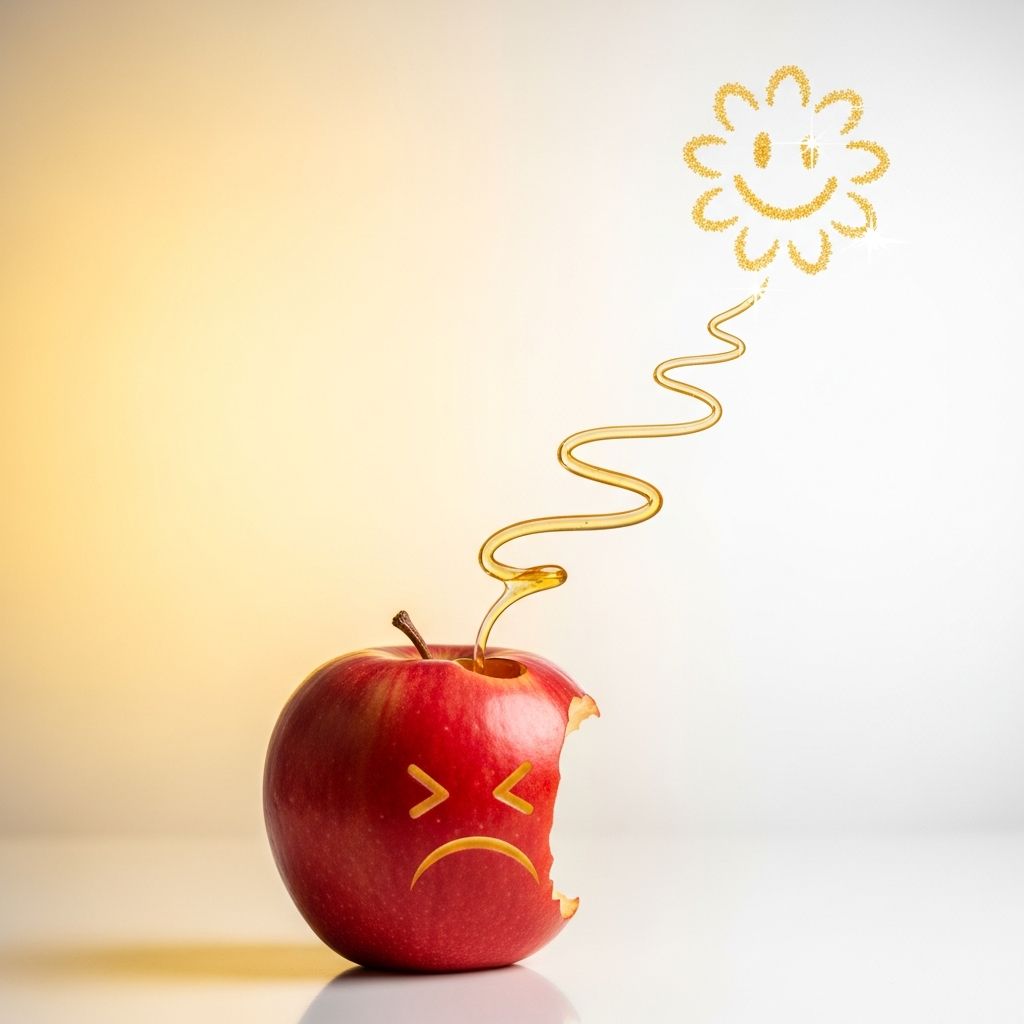
In the whirlwind of parenthood, unexpected hurdles often feel like a barrage of sour lemons raining down. Yet, many mothers discover the power of alchemy—transforming those bitter experiences into refreshing lemonade that nourishes the whole family. This article delves into personal journeys, psychological insights, and actionable strategies for cultivating resilience amid chaos.
Embracing the Unexpected: A Mother’s Reframing Journey
Picture this: a routine day shattered by a child’s sudden illness or a financial setback. For one mother, a venomous snake encounter in her backyard became a pivotal moment. Instead of succumbing to fear, she channeled the adrenaline into educating her kids about nature’s dangers and safety, turning terror into teachable wisdom. Such stories highlight how **reframing** adversity sparks growth.
Psychological research underscores this approach. Positive psychology emphasizes gratitude as a tool for shifting perspectives. When life hurls obstacles, acknowledging small wins—like a family’s unity during crisis—builds emotional fortitude. Parents who practice this report stronger bonds and heightened problem-solving skills.
The Science of Resilience in Family Life
Resilience isn’t innate; it’s cultivated. Studies from leading institutions reveal that families facing chronic stress, such as medical emergencies, develop coping mechanisms through shared experiences. For instance, the American Psychological Association notes that adaptive families view challenges as temporary, focusing on controllable aspects.
Key elements include:
- Open Communication: Discussing fears openly reduces anxiety and fosters trust.
- Routine Maintenance: Sticking to daily rituals provides stability amid turmoil.
- Creative Outlets: Turning mishaps into art, stories, or games engages children’s imaginations.
These practices not only buffer immediate stress but also equip kids for future trials, creating a legacy of emotional intelligence.
Real-Life Transformations: Stories from the Trenches
Consider Sarah, a working mom whose home was upended by a plumbing disaster during a global pandemic. Water everywhere, kids home from school—pure chaos. She rallied the family for a ‘disaster adventure,’ assigning roles like ‘chief moppers’ and ‘morale boosters.’ What emerged was laughter, teamwork, and a cleaner home than ever. This pivot exemplifies how **humor** sweetens sour situations.
Another tale involves Maria, battling postpartum depression while managing a toddler’s allergies. Her ‘lemon’ was isolation; her lemonade, a virtual support group that evolved into a community resource. Today, she mentors others, proving personal pain can fuel communal good.
| Challenge | Initial Reaction | Transformation Strategy | Outcome |
|---|---|---|---|
| Child’s medical scare | Panic and helplessness | Research and advocacy | Empowered parenting, better health plan |
| Job loss | Financial worry | Skill-building side hustle | New career path, family savings |
| Relocation stress | Disruption of routines | Exploration games | Stronger family adventures |
This table illustrates common parental pitfalls and triumphant turnarounds, grounded in shared experiences.
Practical Tools for Making Your Own Lemonade
Ready to squeeze sweetness from life’s zests? Start with these evidence-based techniques:
- Gratitude Journaling: nightly entries of three positives train the brain for optimism. Harvard studies link this to reduced depression rates.
- Mindfulness Moments: 5-minute breathing exercises lower cortisol, per NIH research.
- Family Councils: Weekly meetings to brainstorm solutions democratize problem-solving.
- Skill Swaps: Trade chores for fun challenges, building competence and joy.
Integrate these into daily life for cumulative benefits. Over time, they rewire responses from reactive to proactive.
Navigating Long-Term Adversity: Building Lasting Strength
Short-term fixes shine, but chronic issues demand depth. When a child’s diagnosis lingers or marital strains persist, sustainability matters. The World Health Organization advocates community networks, noting they cut isolation by 40% in vulnerable families.
Mothers often lead here, modeling perseverance. One parent’s year-long battle with infertility ended in adoption joy, enriched by lessons in patience. Such arcs remind us: lemons may pile up, but blended wisely, they refresh profoundly.
The Role of Community in Collective Sweetness
No one lemons alone. Online forums and local groups amplify transformation. Platforms like parenting apps connect isolated moms, sharing hacks from ‘snake-proofing yards’ to ‘allergy-friendly recipes.’ This collective wisdom turns individual sours into shared refreshment.
Experts from the CDC emphasize social ties for mental health, especially post-crisis. Building these bridges ensures no family faces the orchard solo.
Frequently Asked Questions (FAQs)
What if the lemons feel too overwhelming?
Seek professional support immediately. Therapists specialize in family resilience; combine with self-care for balanced recovery.
How do I involve kids without scaring them?
Use age-appropriate language, focusing on actions: ‘We’re team superheroes fixing this!’ This empowers without details.
Can positivity backfire?
Yes, if toxic. Acknowledge pain first—’This hurts, and that’s okay’—then pivot to solutions for authentic growth.
What’s the quickest lemonade hack?
A 2-minute ‘win scan’: List one strength, one lesson, one next step. Repeat daily for momentum.
How has this mindset changed long-term?
Families report 30% less stress and deeper bonds, per longitudinal studies on adaptive coping.
FAQs
These queries address common hurdles, empowering readers to act confidently.
References
- Resilience in Families — American Psychological Association. 2023-05-15. https://www.apa.org/topics/resilience
- Mindfulness and Stress Reduction — National Institutes of Health (NIH). 2024-02-10. https://www.nccih.nih.gov/health/mindfulness
- Social Connections and Mental Health — Centers for Disease Control and Prevention (CDC). 2025-01-20. https://www.cdc.gov/mentalhealth/social-connectedness/index.html
- Gratitude Interventions — Harvard Health Publishing. 2023-11-08. https://www.health.harvard.edu/healthbeat/giving-thanks-can-make-you-happier
- Family Coping Strategies — World Health Organization (WHO). 2024-07-12. https://www.who.int/news-room/fact-sheets/detail/mental-health-strengthening-our-response