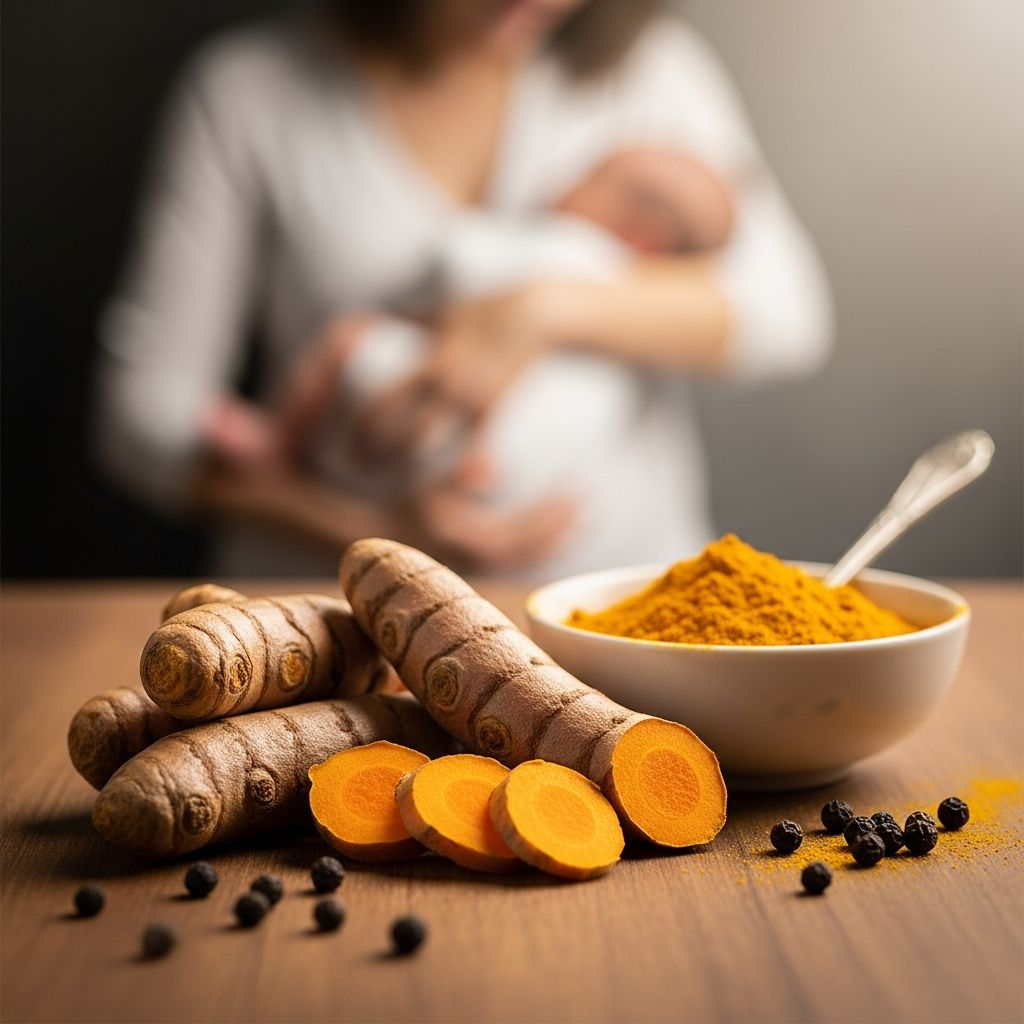
Turmeric, a vibrant golden spice revered in traditional medicine, offers profound support for new mothers navigating the postpartum phase. Its active compound, **curcumin**, delivers anti-inflammatory, antioxidant, and immune-boosting effects that address common recovery challenges like pain, fatigue, and hormonal shifts.
Understanding Turmeric’s Core Compounds and Mechanisms
At the heart of turmeric’s efficacy lies curcumin, responsible for its potent therapeutic properties. This bioactive element combats oxidative stress, neutralizes free radicals, and modulates inflammatory pathways, making it ideal for postpartum bodies under strain from labor, sleep deprivation, and breastfeeding demands.
Traditional systems like Ayurveda have long prescribed turmeric for its warming qualities, which enhance circulation, digestion, and uterine tone post-delivery. Modern research validates these uses, showing curcumin’s role in enzyme production for detoxification and hormone regulation.
Enhancing Breast Milk Production Naturally
One of turmeric’s standout roles is as a galactagogue, promoting increased milk volume without side effects. Studies from Eastern traditions and preliminary research indicate that regular intake supports lactation by reducing breast tissue inflammation and preventing duct clogs.
- Stimulates prolactin pathways for higher output.
- Reduces swelling that impedes milk flow.
- Provides essential nutrients like magnesium for mammary health.
Incorporate turmeric into warm lattes or meals to harness this benefit, pairing it with black pepper to boost curcumin absorption by up to 2000%.
Strengthening Immunity During Vulnerable Weeks
Postpartum immune suppression from exhaustion and hormonal flux heightens infection risks. Turmeric’s antifungal, antibacterial, and antiviral agents, combined with magnesium, fortify defenses against pathogens.
Daily use helps new moms ward off colds, mastitis, and other issues, ensuring they stay healthy to care for their baby. Its antioxidant profile also counters environmental toxins exacerbated by poor sleep.
Combating Postpartum Mood Challenges
Postpartum depression affects many due to serotonin dips, sleep loss, and inflammation. Curcumin acts as a natural antidepressant by elevating dopamine, boosting brain-derived neurotrophic factor (BDNF), and curbing cytokine storms linked to mood disorders.
A well-designed study confirmed curcumin’s effectiveness in alleviating depressive symptoms and anxiety in postpartum women, offering a safe adjunct to conventional care.
Curcumin elevates mood markers, providing new moms with emotional resilience during recovery.
Reducing Inflammation and Body Aches
Labor-induced inflammation causes widespread soreness, joint stiffness, and uterine discomfort. Turmeric inhibits pro-inflammatory enzymes like COX-2, rivaling pharmaceutical options without gastrointestinal risks.
Regular consumption eases perineal pain, backaches, and breastfeeding-related tension, accelerating return to normal mobility.
Promoting Digestive Harmony After Birth
Pregnancy shifts organs, slowing gut motility postpartum and causing bloating, gas, and constipation. Turmeric’s fiber content, bile stimulation, and carminative effects restore efficient digestion.
- Triggers enzyme secretion for better breakdown of foods.
- Expels intestinal gas for comfort.
- Supports microbiome balance disrupted by antibiotics or C-sections.
Pair with ginger for synergistic warming effects that soothe the system.
Detoxifying the Body for Renewed Energy
The liver works overtime postpartum to clear labor hormones and toxins. Turmeric ramps up phase II detoxification enzymes, flushing waste and stabilizing blood flow for vitality.
This process combats fatigue, enhances mental clarity, and prevents toxin buildup that contributes to skin issues or sluggishness.
Sharpening Cognitive Function Amid ‘Mom Brain’
Forgetfulness from sleep deprivation plagues new parents. Turmeric’s omega-6 fatty acids and improved cerebral circulation counteract this, enhancing memory, focus, and schedule management.
By reducing neuroinflammation, it preserves hippocampal function critical for learning baby’s cues and routines.
Balancing Lipids and Supporting Heart Health
Postpartum cholesterol spikes are common, straining vascular health. Curcumin fortifies blood vessel linings, lowers LDL oxidation, and regulates lipids naturally.
| Benefit | Mechanism | Postpartum Impact |
|---|---|---|
| Cholesterol Reduction | Improves endothelial function | Prevents plaque buildup |
| Blood Sugar Stability | Enhances insulin sensitivity | Avoids energy crashes |
| Weight Regulation | Boosts metabolism | Eases postpartum shedding |
Preventing Joint Wear and Osteoarthritis Risk
Free radical surges post-delivery damage joint cartilage. Turmeric’s antioxidants quench these, while anti-inflammatory action preserves synovial fluid, warding off early osteoarthritis.
This is vital for active moms lifting babies and chasing toddlers.
Accelerating Wound Healing for C-Sections and Tears
Perineal or surgical wounds heal faster with turmeric. Clinical trials show 5-10% infusions reduce redness, edema, and closure time, outperforming standard antiseptics.
Topical applications minimize scarring, while internal use supports collagen synthesis systemically.
Practical Ways to Incorporate Turmeric Daily
Start with 1-2 teaspoons daily, enhanced by piperine from black pepper. Try these recipes:
Golden Recovery Latte
- 1 cup plant milk
- 1.5 tsp turmeric powder
- 1 tsp grated ginger
- ¼ tsp cinnamon, black pepper
- 1 tsp coconut oil; simmer 5 mins, strain, sweeten if desired.
Turmeric Fudge Bites
Mix turmeric, coconut butter, ginger, cinnamon, orange zest, and stevia; chill for portable energy boosts.
For topical use, blend into pastes with honey for wounds, but patch-test first.
Safety Considerations for Nursing Moms
Turmeric is generally safe up to 3g curcumin daily during lactation, per NIH data, with no adverse effects on milk quality. Consult providers if on blood thinners or with gallbladder issues, as it stimulates bile.
Frequently Asked Questions (FAQs)
What dosage of turmeric is safe postpartum?
1-2 tsp powder daily, or 500mg curcumin supplements with piperine; monitor for digestive upset.
Can turmeric help with postpartum hair loss?
Indirectly, via reduced inflammation and better nutrient absorption supporting follicle health.
Is fresh turmeric better than powder?
Powder offers concentrated curcumin; fresh adds hydration but lower potency—use both.
Does turmeric interact with birth control?
No major interactions reported, but inform your doctor.
How quickly do benefits appear?
Anti-inflammatory effects in days; lactation/mood in 1-2 weeks with consistent use.
References
- Top 10 Benefits of Turmeric for a Blissful Postpartum Routine — Matritva Care. 2023. https://www.matritva.care/benefits-of-turmeric
- 5 Benefits of Turmeric for Postpartum Recovery — Helen Kim Physical Therapy. 2020-08. https://helenkimphysicaltherapy.com/2020/08/5-benefits-of-turmeric-for-postpartum-recovery/
- Turmeric Spice Fudge For Postpartum — Oh Baby Nutrition. 2023. https://www.ohbabynutrition.com/blog/turmeric-spice-fudge-for-postpartum
- Potency of complemeter therapy to the healing process of perineal wounds — Gaceta Sanitaria. 2021. https://www.gacetasanitaria.org/en-potency-complemeter-therapy-healing-process-articulo-S0213911121002375
- Turmeric Benefits for Women: Skin, Hormones & Sex Life — Naydaya. 2023. https://www.naydaya.com/blogs/naydaya-hub/the-benefits-of-turmeric-for-women-health-and-hormones
- The Happy, Hidden Benefit of Turmeric — Dr. For Moms. 2023. https://www.drformoms.com/single-post/hidden-benefit-turmeric
- Turmeric – Drugs and Lactation Database (LactMed®) — National Center for Biotechnology Information (NCBI), NIH. 2023-10-30. https://www.ncbi.nlm.nih.gov/books/NBK501846/