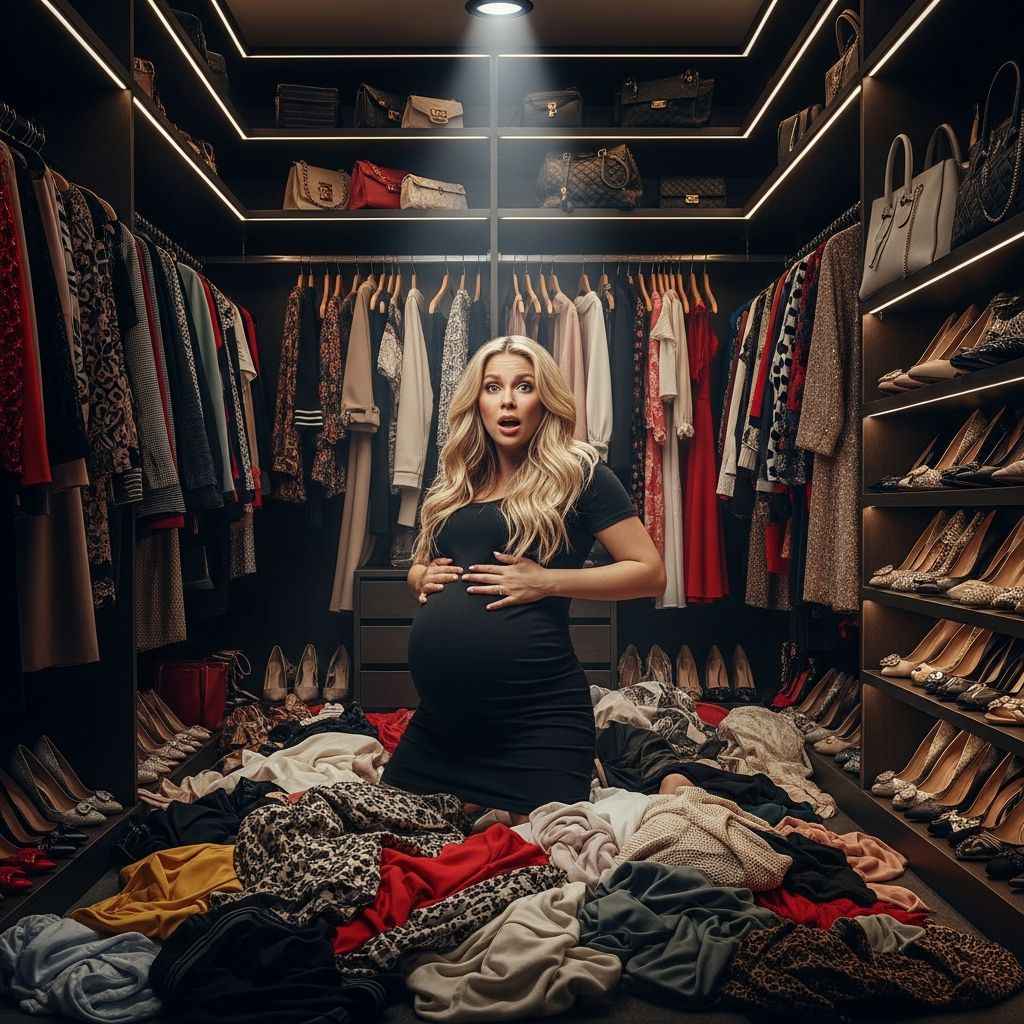
The 2018 film Tully, directed by Jason Reitman and written by Diablo Cody, dives headfirst into the chaotic, often unspoken world of modern parenting. Starring Charlize Theron as Marlo, a mother of three grappling with the arrival of her third child, the movie blends dark humor with poignant drama to expose the less-than-perfect facets of family life. Far from the idealized portrayals common in media, Tully presents motherhood as a marathon of sleep deprivation, identity loss, and emotional turbulence. This article unpacks the film’s narrative, its cultural resonance, and the valid concerns it raises about depicting parental mental health on screen.
Understanding Marlo’s World: A Portrait of Exhausted Parenthood
At its core, Tully follows Marlo, a woman in her 40s navigating the relentless demands of raising three children, including a newborn with special needs. Her days blur into nights filled with feeding, cleaning, and managing sibling rivalries, leaving little room for self-care or personal fulfillment. The arrival of Tully, a young night nanny played by Mackenzie Davis, offers a lifeline—but one that blurs boundaries and forces Marlo to confront her inner turmoil.
This setup mirrors countless real-life stories where parents, particularly mothers, shoulder disproportionate loads. The film’s unflinching lens captures the physical toll: weight gain, unkempt appearance, and a constant state of fatigue that Theron’s transformative performance brings to visceral life. Unlike glossy rom-coms or feel-good family dramas, Tully refuses to romanticize these struggles, instead highlighting how they erode one’s sense of self.
- Sleep Deprivation as a Central Antagonist: Marlo’s nights are hijacked by the baby’s cries, symbolizing the all-consuming nature of early parenthood.
- Family Dynamics Under Strain: Interactions with her husband Drew (Ron Livingston) reveal imbalances in household labor, a common pain point in dual-income families.
- Sibling Challenges: The older children’s needs, from school issues to behavioral outbursts, compound Marlo’s overload.
The Night Nanny Phenomenon: Relief or Relationship Red Flag?
Enter Tully, the enigmatic nanny who takes over nighttime duties, allowing Marlo rare moments of rest. This character embodies the privilege of outsourcing care—a luxury not all parents can afford—sparking debates about class divides in parenting. Their evolving bond starts as professional but deepens into late-night confessions and symbolic gestures, like shared mermaid fantasies, representing escapism from adult responsibilities.
While some viewers celebrate this as a depiction of female solidarity, others question the intimacy’s appropriateness. Does it foster dependency or healing? The film uses this dynamic to explore themes of regression and rebirth, with Tully acting as a youthful alter ego who helps Marlo reclaim lost vitality. However, the psychological intensity raises eyebrows: is this a healthy coping mechanism or a sign of deeper disconnection?
| Aspect | Positive Portrayal | Potential Concern |
|---|---|---|
| Emotional Support | Empowers Marlo to voice frustrations | Risks blurring professional boundaries |
| Practical Help | Provides essential sleep and recovery | Highlights socioeconomic inequalities |
| Symbolic Role | Represents idealized youth and freedom | May idealize escapism over real solutions |
Mental Health in the Spotlight: Postpartum Realities Unfiltered
Tully boldly addresses postpartum depression and anxiety, conditions affecting up to 1 in 7 new mothers according to health authorities. Marlo’s irritability, rage outbursts, and detachment aren’t played for laughs alone; they’re raw symptoms of a mental health crisis. The film’s climax delivers a twist that reframes her journey, emphasizing the brain’s vulnerability during hormonal shifts post-childbirth.
This revelation educates viewers on lesser-known aspects of maternal mental health, such as postpartum psychosis risks, but its execution has divided audiences. Some praise it for normalizing these experiences; others worry it sensationalizes suffering or mishandles sensitive topics. Critically, the movie avoids tidy resolutions, reflecting how recovery is nonlinear and ongoing.
Cinematic Choices and Their Impact on Audiences
Jason Reitman’s direction, paired with Diablo Cody’s signature witty yet acerbic script, crafts a tone that’s equal parts hilarious and heartbreaking. Theron’s commitment—gaining 40 pounds for authenticity—anchors the realism, making scenes of exhaustion palpably uncomfortable. Sound design amplifies the chaos: incessant crying and mundane noises underscore the sensory overload of parenting.
Yet, these choices make Tully a challenging watch. Trailers positioned it as a mom-comedy, leading to mismatched expectations and backlash from parents seeking light relief. Reviews note its discomfort as a strength, forcing empathy for the ‘unseen’ labor of motherhood.
Why Tully Divides Parents and Critics
Released amid #MeToo conversations, Tully arrived at a time when women’s stories demanded nuance. Fans laud its honesty, calling it ‘a tender film about idealized motherhood’s pitfalls’. Detractors argue it dwells too much on despair without uplift, potentially alienating viewers already in the trenches.
- Trigger Warnings Needed? Graphic depictions of mental breakdowns could distress those with lived experience.
- Representation Gaps: Focuses on affluent white motherhood, sidelining diverse family structures.
- Ending Ambiguity: The twist satisfies some but feels manipulative to others, questioning if it truly honors complexity.
Ultimately, the controversy underscores a broader issue: media’s role in shaping perceptions of parenting. Tully challenges the ‘blissful mom’ trope, aligning with films like Juno in Cody’s oeuvre that dissect womanhood’s messiness.
Broader Implications for Parenting Culture
Beyond the screen, Tully prompts vital discussions on support systems. It spotlights the need for accessible mental health resources, paternity leave, and shared parenting norms. In the U.S., where paid family leave lags behind global standards, stories like Marlo’s highlight systemic failures.
The film also critiques social media’s curated perfection, where Instagram reels eclipse the gritty truth. By humanizing exhaustion, Tully validates parents feeling ‘less than’ and encourages seeking help without shame.
Frequently Asked Questions (FAQs)
What is the main theme of Tully?
The film explores the raw, unglamorous challenges of motherhood, including postpartum mental health struggles and the quest for personal identity amid family demands.
Is Tully based on a true story?
No, it’s an original screenplay by Diablo Cody, though inspired by real parental experiences and consultations with mothers.
Why was Charlize Theron’s performance praised?
Her physical transformation and emotional depth captured the toll of sleep deprivation and rage, earning Oscar buzz for authenticity.
Does Tully recommend night nannies?
It portrays them as a helpful but imperfect solution, emphasizing professional boundaries and individual needs.
Is Tully suitable for new parents?
Yes for its relatability, but approach with caution if sensitive to mental health triggers; consider viewing with support.
Lessons for Modern Families from Tully
Tully isn’t just entertainment—it’s a mirror and a manifesto. It urges partners to redistribute loads equitably, communities to destigmatize vulnerability, and individuals to prioritize mental wellness. By blending comedy with gravity, it makes space for laughter amid tears, reminding us that perfect parenting is a myth worth abandoning.
In a culture obsessed with hustle, Tully whispers permission to rest, rage, and rebuild. Its legacy lies in starting conversations that outlast the credits, fostering empathy for every parent pushing through the fog.
References
- “Tully” is Apparently Controversial — On the Screen Reviews. 2018-05-08. https://onthescreenreviews.com/2018/05/08/tully-is-apparently-controversial/
- Tully Review: A Tender Film About the Challenges of an Idealized Motherhood — Cinema from the Spectrum. 2018-05-09. https://cinemafromthespectrum.com/2018/05/09/tully-review-a-tender-film-about-the-challenges-of-an-idealized-motherhood/
- Tully movie review: thou shalt be nicer to yourself — Flick Filosopher. 2018-05. https://www.flickfilosopher.com/2018/05/tully-movie-review-thou-shalt-nicer.html
- Film Review: Motherhood is not magical but terrifying in “Tully” — Isolated Nation. 2018-05-04. https://isolatednation.com/articles/2018/5/4/film-review-motherhood-is-not-magical-but-terrifying-in-tully
- “Tully,” Is Uncomfortable and Sad To Watch, But Still Funny — Salt Lake Film Review. 2018-05-07. https://saltlakefilmreview.com/2018/05/07/tully-is-uncomfortable-and-sad-to-watch-but-still-funny/