Balancing breastfeeding with travel demands requires thoughtful preparation, whether heading out for work, family visits, or vacations. For mothers who pump, maintaining milk supply and ensuring safe storage while on the move can feel overwhelming, but with the right strategies, it becomes manageable. This guide draws from real-world experiences and official guidelines to help you navigate pumping away from home seamlessly.
Building Your Travel Pumping Kit
The foundation of successful pumping trips starts with a well-curated kit. Prioritize portability, functionality, and compliance with travel regulations to avoid last-minute scrambles.
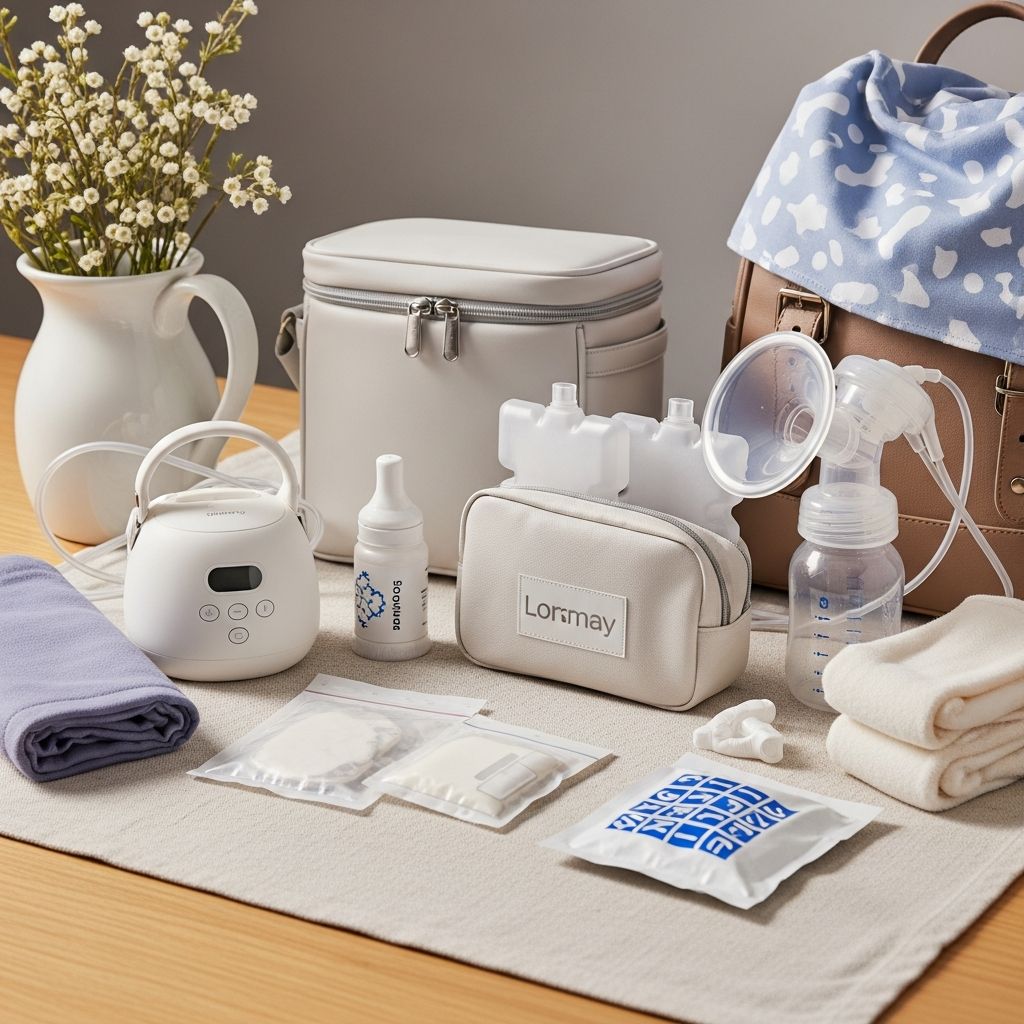
- Portable Breast Pump: Opt for a compact, battery-operated or rechargeable model that fits easily in carry-ons. These pumps allow flexibility for various settings, from airplanes to hotel rooms.
- Cooler and Ice Packs: Invest in insulated bags capable of keeping milk cold for extended periods, paired with long-lasting gel packs that maintain temperatures below 40°F for up to 48 hours.
- Storage Containers: Use leak-proof bottles and BPA-free bags in multiple sizes to accommodate different volumes and TSA screenings.
- Cleaning Supplies: Pack travel-sized dish soap, bottle brushes, and sanitizing wipes. A small thermometer helps monitor milk temperature during transit.
- Power Accessories: Include car adapters, universal plugs, and portable chargers for uninterrupted sessions, especially abroad.
Separate pumping gear into dedicated bags: one for clean items and another for used ones, minimizing contamination risks. Machine-washable neoprene bags simplify cleanup after long days.
Navigating Air Travel with Expressed Milk
Flying presents unique challenges, but U.S. Transportation Security Administration (TSA) policies support nursing parents generously. Breast pumps qualify as medical devices, exempt from standard liquid limits, allowing reasonable quantities of milk, formula, and juice for infants.
| Item | TSA Allowance | Practical Tip |
|---|---|---|
| Breast Milk | Any amount over 3.4 oz | Declare at screening; expect testing or visual inspection. |
| Ice Packs | Frozen or gel packs permitted | Place in cooler; notify officer if partially melted. |
| Pumps & Accessories | No size restrictions | Pack in carry-on; battery-powered preferred for gates. |
Research airline-specific rules beforehand—many permit pumping onboard with prior notice. Aisle seats offer space for discreet sessions, while window seats provide privacy. Download the Mamava app to locate lactation suites in hub airports, which must offer private, non-restroom spaces per federal mandates.
Road Trips: Pumping Without the Airport Hassle
Driving allows more control over schedules, making it ideal for aligning pump sessions with baby’s feeding times. Plan routes with family-friendly rest areas featuring changing tables and outlets.
- Map pit stops every 2-3 hours to match your routine.
- Use vehicle power inverters for electric pumps during drives.
- Pack a collapsible chair for outdoor breaks at scenic spots.
For longer hauls, mimic home environments by scheduling power naps post-pumping. If shipping milk home isn’t feasible, consider “pumping and dumping” to preserve supply without storage worries, resuming nursing upon return.
Maintaining Milk Supply on the Road
Consistency is key to avoiding engorgement or diminished production. Pump as often as your baby feeds—typically 8-12 times daily—to signal your body to keep producing.
- Time Zone Adjustments: Stick to your home schedule initially to maximize output, gradually shifting as needed.
- Hydration and Nutrition: Carry water bottles and snacks like oats, nuts, and fenugreek tea to boost prolactin levels.
- Stress Reduction: Practice deep breathing or visualization during sessions; cortisol can inhibit let-down.
Hands-on techniques, such as breast massage, complement pumps for fuller expression. Track sessions with apps to ensure frequency, even amid delays.
Finding Private Spaces in Unlikely Places
Public pumping demands resourcefulness. Beyond airports, train stations and malls often have family rooms. Apps like Mamava pinpoint pods nationwide, complete with locks, outlets, and mirrors.
In hotels, request mini-fridges or ice buckets. For offices or conferences, scout quiet lounges. Nursing covers or tanks with discreet flaps enhance comfort in semi-public areas. Practice these setups pre-trip for confidence.
Safe Storage and Transport of Breast Milk
Fresh milk stays usable at room temperature for 4 hours, refrigerated for 4 days, or frozen for 6-12 months. During travel:
- Keep coolers pre-chilled before packing.
- Avoid direct ice contact to prevent contamination.
- Label bags with dates for FIFO (first in, first out) usage.
For shipping, use overnight services with dry ice, complying with carrier guidelines. Thawed milk is safe for 24 hours if not refrozen.
Essential Gear for Comfortable Nursing
Enhance sessions with supportive items:
- Nursing bras for quick access.
- Inflatable pillows for ergonomic positioning.
- Hands-free pumps for multitasking.
These reduce physical strain, letting you focus on relaxation and output.
Frequently Asked Questions
Can I pump on a plane?
Yes, many airlines allow it; inform flight attendants for privacy. Use battery pumps to avoid cords.
How do I handle TSA screening?
Declare items; officers may swab or inspect. Remove cooler from bag for easier access.
What if I can’t store milk?
Pump and dump to maintain supply; resume feeding when reunited.
Are there lactation rooms everywhere?
Hub airports yes; use apps for others. Trains vary—check ahead.
Does travel affect my supply?
Potentially, but frequent pumping and self-care mitigate drops.
Word Count: 1678 (excluding metadata and references)
References
- A Stress-Less Guide to Pumping or Breastfeeding While Traveling — Happiest Baby. 2023. https://www.happiestbaby.com/blogs/parents/pumping-while-traveling
- Travel with your breast pump: Expressing on the go — Medela. 2024-01-15. https://www.medela.com/en/breastfeeding-pumping/articles/pumping-tips/travel-with-your-breast-pump-expressing-on-the-go
- TSA Guidelines for Breast Milk and Formula — Transportation Security Administration (.gov). 2025-03-10. https://www.tsa.gov/travel/security-screening/whatcanibring/items/breast-milk
- Federal Requirements for Airport Lactation Spaces — Federal Aviation Administration (.gov). 2024. https://www.faa.gov/airports/resources/lactation_spaces
- Breastfeeding and Human Milk Storage Guidelines — Centers for Disease Control and Prevention (.gov). 2025-02-20. https://www.cdc.gov/breastfeeding/recommendations/handling_breastmilk.htm
- Mamava App for Lactation Pod Locations — Mamava. 2026-01-05. https://www.mamava.com/app