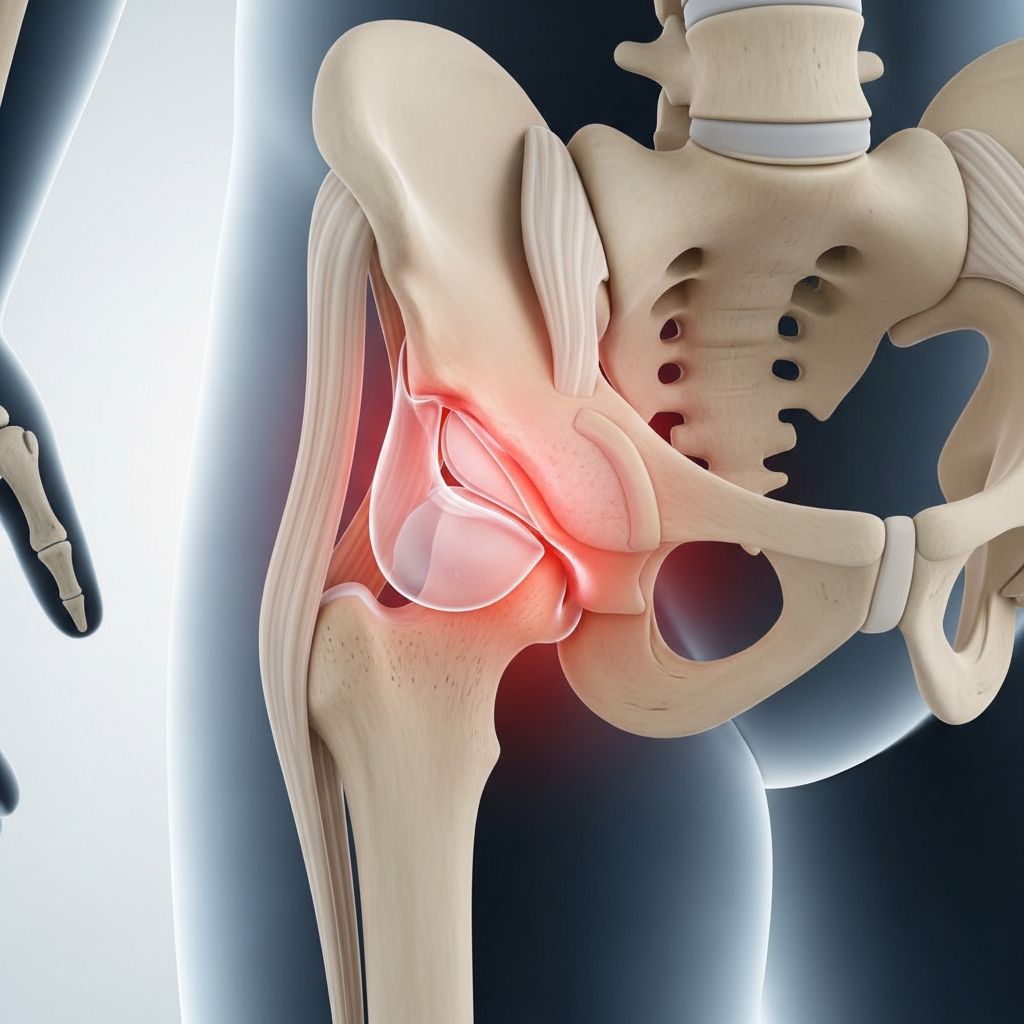
Transient hip inflammation, commonly referred to as transient synovitis or toxic synovitis, represents one of the most frequent reasons young children experience sudden-onset hip discomfort and altered gait. This benign condition primarily impacts preschool and early school-aged kids, leading to temporary joint irritation without lasting damage. Parents often face alarm when their active child begins favoring one leg or refuses to bear weight, but reassurance comes from knowing this issue typically resolves swiftly with minimal intervention.
Recognizing the Onset: Key Indicators in Young Patients
The hallmark of transient hip inflammation is acute pain localized to the hip, which may radiate to the thigh or knee, prompting a noticeable limp. Children might walk with toes pointed outward, on tiptoes, or completely avoid weight-bearing on the affected side. Unlike more severe ailments, the child generally appears otherwise healthy, without high fever or systemic illness, though a low-grade temperature below 101°F (38.3°C) can accompany it.
- Sudden limping on one side, worsening with movement.
- Hip, thigh, or knee tenderness, often without visible swelling.
- Recent history of upper respiratory infection, gastroenteritis, or mild feverish illness.
- Refusal to walk or irritability during play.
- No joint redness or warmth, distinguishing it from infections.
Symptoms emerge abruptly, usually peaking within hours, and affect boys more than girls, with peak incidence between ages 3 and 8.
Unraveling the Underlying Mechanisms
Although the precise trigger remains elusive, evidence points to an immune-mediated response following viral invasions. Many cases follow common colds, stomach bugs, or other self-limited infections, where the body’s defense chemicals inadvertently inflame the hip’s synovial lining—the thin membrane producing joint fluid. Other speculated factors include minor trauma or bacterial aftermaths like post-streptococcal reactions, but no single pathogen dominates.
This inflammation causes synovial hypertrophy, excess fluid buildup (effusion), and pain from pressure on surrounding tissues. The process is self-limiting, with synovial tissues normalizing as inflammatory mediators dissipate, typically within days to weeks. Genetic predispositions or repeated exposures may explain recurrences in up to 20% of cases.
Differential Diagnosis: Ruling Out Serious Threats
Urgency arises because transient hip inflammation mimics grave conditions like septic arthritis or Legg-Calvé-Perthes disease (LCPD). Septic arthritis demands immediate intervention to prevent joint destruction, featuring high fever, toxicity, and elevated inflammatory markers. LCPD involves femoral head avascular necrosis, progressing over months.
Clinicians employ the Kocher criteria to stratify risk:
| Predictor | Present in Transient Synovitis | Points Toward Septic Arthritis |
|---|---|---|
| Non-weight bearing | Common | Yes |
| Fever >38.5°C | Rare | Yes |
| ESR >40 mm/hr | Uncommon | Yes |
| WBC >12,000/mm³ | Infrequent | Yes |
Low scores favor transient synovitis; higher ones prompt ultrasound for effusion, aspiration, or MRI. Blood tests (CRP, ESR) and radiographs confirm the diagnosis by exclusion.
Effective Management Strategies for Quick Relief
Treatment prioritizes symptom control and joint protection. Nonsteroidal anti-inflammatory drugs (NSAIDs) like ibuprofen or naproxen reduce inflammation and pain, often yielding improvement within 24-48 hours. Acetaminophen serves for milder discomfort.
- Rest: Limit weight-bearing; crutches for non-walkers.
- Activity modification: No sports or gym until full recovery.
- Heat therapy: Warm compresses soothe muscles.
- Observation: Most resolve in 7-10 days; monitor for persistence.
Up to 4 weeks of NSAIDs may be needed in prolonged cases, with follow-up to ensure resolution. Hospitalization is rare, reserved for diagnostic uncertainty.
Prognosis and Recurrence Insights
Over 75% of children regain normal function within 1-2 weeks, with no long-term sequelae. Full resolution occurs by 7-10 days in most, though milder symptoms linger briefly. Recurrence affects 10-20%, often post another infection; early recognition prevents worry. Rarely (1 in 10 recurrent cases), LCPD emerges, necessitating vigilant monitoring.
Parental Action Plan: When to Escalate Care
Seek immediate evaluation for:
- Limp or hip pain without recent illness.
- Symptoms >10 days or worsening.
- Fever >101°F, lethargy, or refusal to move.
- Bilateral involvement or trauma history.
Routine check-ups post-resolution confirm hip health. Educate on hydration and infection prevention to minimize triggers.
FAQs: Common Parental Concerns
Is transient hip inflammation contagious?
No, it’s not infectious; it stems from immune responses to prior viruses.
Can my child return to school or sports?
Yes, once pain-free and walking normally, typically 1-2 weeks.
How do I prevent recurrence?
No guaranteed prevention, but prompt treatment of infections and rest aid recovery.
Does it affect growth or development?
No long-term impact; it’s fully reversible.
What home remedies help?
Ibuprofen, rest, elevation, and gentle massage.
Long-Term Monitoring and Research Directions
Pediatric orthopedists recommend follow-up imaging if symptoms recur or persist beyond a month, as alternative pathologies like Perthes or slipped capital femoral epiphysis may lurk. Ongoing research explores biomarkers for precise differentiation and viral links via PCR on synovial fluid. Parents benefit from tracking episodes in a journal for physician discussions.
Empowering families with knowledge transforms fear into confidence. Transient hip inflammation, while disruptive, underscores childhood resilience, resolving without scars under watchful care.
References
- Toxic Synovitis — Nemours KidsHealth. 2023. https://kidshealth.org/en/parents/toxic-synovitis.html
- Transient Synovitis — StatPearls – NCBI Bookshelf. 2023-10-01. https://www.ncbi.nlm.nih.gov/books/NBK459181/
- Transient Synovitis (Toxic Synovitis): Symptoms, Causes & Treatment — Cleveland Clinic. 2023-08-23. https://my.clevelandclinic.org/health/diseases/transient-synovitis
- Toxic synovitis — FloridaHealthFinder. 2024. https://quality.healthfinder.fl.gov/health-encyclopedia/HIE/1/000981
- Toxic Synovitis in Kids | Treatment Options — OrthoIndy Blog. 2017-03-06. https://blog.orthoindy.com/2017/03/06/toxic-synovitis/