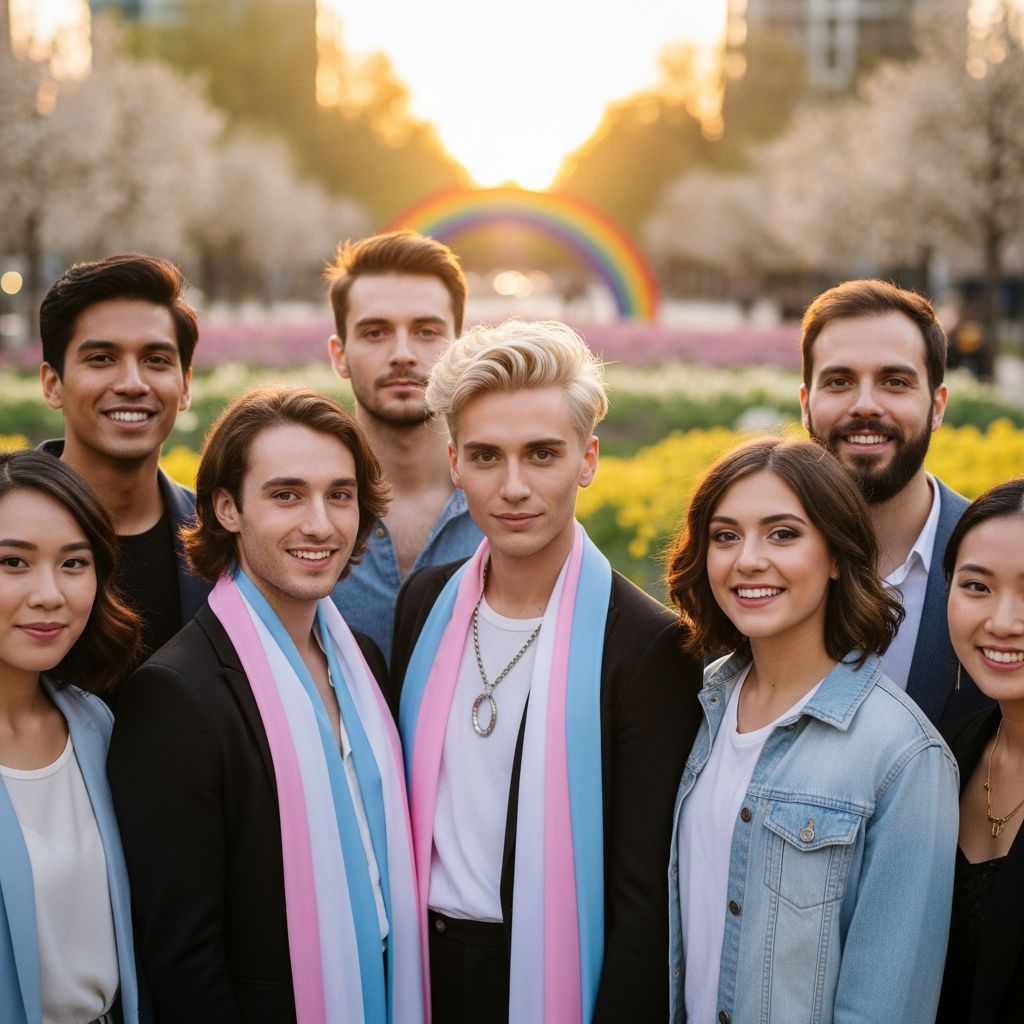
Transgender Day of Visibility, observed annually on March 31, stands as a powerful affirmation of transgender lives, their contributions, and the urgent need for acceptance in societies worldwide. Founded to counterbalance narratives of loss with stories of triumph, this day highlights the courage required to live authentically.
The Origins and Evolution of Trans Visibility Day
The event traces its roots to 2009, when activist Rachel Crandall initiated it to celebrate transgender existence separately from days focused on remembrance. This deliberate choice aimed to foster positive visibility, showcasing achievements and normalizing trans identities. Since then, it has grown into a global observance, recognized by organizations, governments, and communities. In 2021, U.S. President Joe Biden issued the first presidential proclamation, urging equality and participation from all Americans.
Today, Transgender Day of Visibility (often abbreviated as TDOV) contrasts with events like Transgender Day of Remembrance on November 20, which honors those lost to violence. TDOV emphasizes joy, progress, and future aspirations, providing a platform for trans voices to shine.
Why Visibility Matters in the Face of Adversity
Visibility serves as both a shield and a sword for transgender people. It reduces isolation by reflecting diverse identities back to the community, building empathy among cisgender populations, and empowering trans individuals to dream boldly. Advocates like Shelby Chestnut note it honors elders and grants the power to express one’s full self.
Yet, this visibility carries risks, especially amid rising legislative attacks, violence, and disinformation. Globally, trans people face hostility for simply existing openly, turning visibility into a potential danger. True progress demands not just seeing trans lives but protecting and valuing them, transforming exposure into empowerment.
- Reduces stigma: Normalizes trans experiences in media, education, and daily life.
- Fosters empathy: Encourages allies to understand and support.
- Drives policy change: Amplifies calls for healthcare access and legal recognition.
- Honors resilience: Celebrates creativity, strength, and survival against odds.
Global Challenges and Calls to Action
Transgender individuals encounter pervasive discrimination in healthcare, employment, and public spaces. Reports highlight renewed hostility worldwide, from policy rollbacks to hate crimes. Organizations like Outright International urge governments to enact inclusive laws, donors to fund advocacy, and the public to cultivate empathy.
In workplaces and schools, fostering inclusivity means updating policies for gender recognition and providing resources. Businesses can lead by highlighting trans employees’ successes and committing to diversity.
| Region | Key Challenges | Recommended Actions |
|---|---|---|
| United States | Legislative restrictions on healthcare and sports participation | Advocate via petitions and local representatives |
| Global South | Violence and lack of legal protections | Support international NGOs and UN policies |
| Europe | Rising disinformation campaigns | Promote education and media literacy |
| Canada | Employment discrimination | Unions and employers enforce anti-bias training |
Practical Ways to Participate and Support
Anyone can contribute to TDOV through meaningful actions that extend beyond the calendar date.
- Educate Yourself: Read resources from credible organizations to understand trans experiences.
- Amplify Voices: Share stories of trans achievements on social media with respectful hashtags like #TDOV or #TransVisibility.
- Advocate Locally: Contact policymakers to support gender-affirming care and anti-discrimination laws.
- Host Events: Organize panels, workshops, or vigils to build community solidarity.
- Update Profiles: Businesses and influencers can change banners or issue supportive statements.
These steps turn passive observation into active allyship, ensuring visibility leads to tangible change.
Spotlight on Trans Achievements and Role Models
TDOV is a time to recognize trailblazers who have shaped history and culture. Figures in activism, arts, and science demonstrate trans excellence, inspiring future generations. Their stories remind us that visibility unlocks potential when paired with opportunity.
- Trans activists leading global human rights campaigns.
- Innovators in technology and healthcare advancing gender-inclusive solutions.
- Artists and performers challenging norms through creative expression.
Celebrating these contributions counters erasure and builds a narrative of empowerment.
Building Inclusive Communities for Tomorrow
Lasting change requires sustained efforts in education, policy, and culture. Schools should integrate trans histories into curricula, workplaces provide pronoun training, and media portray diverse representations accurately. Allies play a pivotal role by listening, believing, and acting without centering themselves.
In treacherous times, TDOV reaffirms commitment to liberation. It calls for rededicating to the unfinished work of ensuring trans people thrive safely.
Frequently Asked Questions (FAQs)
What is Transgender Day of Visibility?
TDOV, held on March 31, celebrates transgender people, raises awareness of discrimination, and highlights their societal contributions. It was founded in 2009 by Rachel Crandall.
How does TDOV differ from Transgender Day of Remembrance?
TDOV focuses on celebration and visibility, while Remembrance on November 20 honors those killed due to anti-trans violence.
Why is TDOV observed on March 31?
The date was chosen in 2009 as a fixed annual event to build consistent awareness, independent of other observances.
How can I safely participate if I’m trans in a hostile area?
Private reflection, connecting with trusted networks, or subtle online support are valid. Safety first—visibility should never mean risk.
What role do allies play on TDOV?
Allies educate, advocate, amplify trans voices, and challenge discrimination in their spheres.
Looking Ahead: Visibility as a Pathway to Justice
As we mark TDOV each year, the message is clear: visibility without safety is incomplete. Collective action—from individuals to institutions—must ensure trans lives are not just seen but cherished. By fostering empathy, enacting protections, and celebrating resilience, societies can create space where all gender-diverse people flourish.
This day reminds us that existence is resistance, and unity is power. Let’s commit to making every day one of true visibility and equity.
References
- Here’s Where We Stand: Statement for International Transgender Day of Visibility 2026 — Outright International. 2026-03-31. https://outrightinternational.org/insights/heres-where-we-stand-statement-international-transgender-day-visibility-2026
- Transgender Day of Visibility 2026: What It Is & How to Celebrate — LGBT Speakers Bureau. 2026. https://lgbt-speakers.com/news/event-planning/transgender-day-of-visibility
- International Transgender Day of Visibility — Wikipedia (informed by primary sources). 2026. https://en.wikipedia.org/wiki/International_Transgender_Day_of_Visibility
- Transgender Day of Visibility and the Unfinished Work of Liberation — Harvard Kennedy School Carr-Ryan Center. 2026. https://www.hks.harvard.edu/centers/carr-ryan/our-work/carr-ryan-commentary/transgender-day-visibility-and-unfinished-work
- Why Trans Visibility Day Matters — Oxfam America. 2026. https://www.oxfamamerica.org/explore/stories/why-trans-visibility-day-matters/