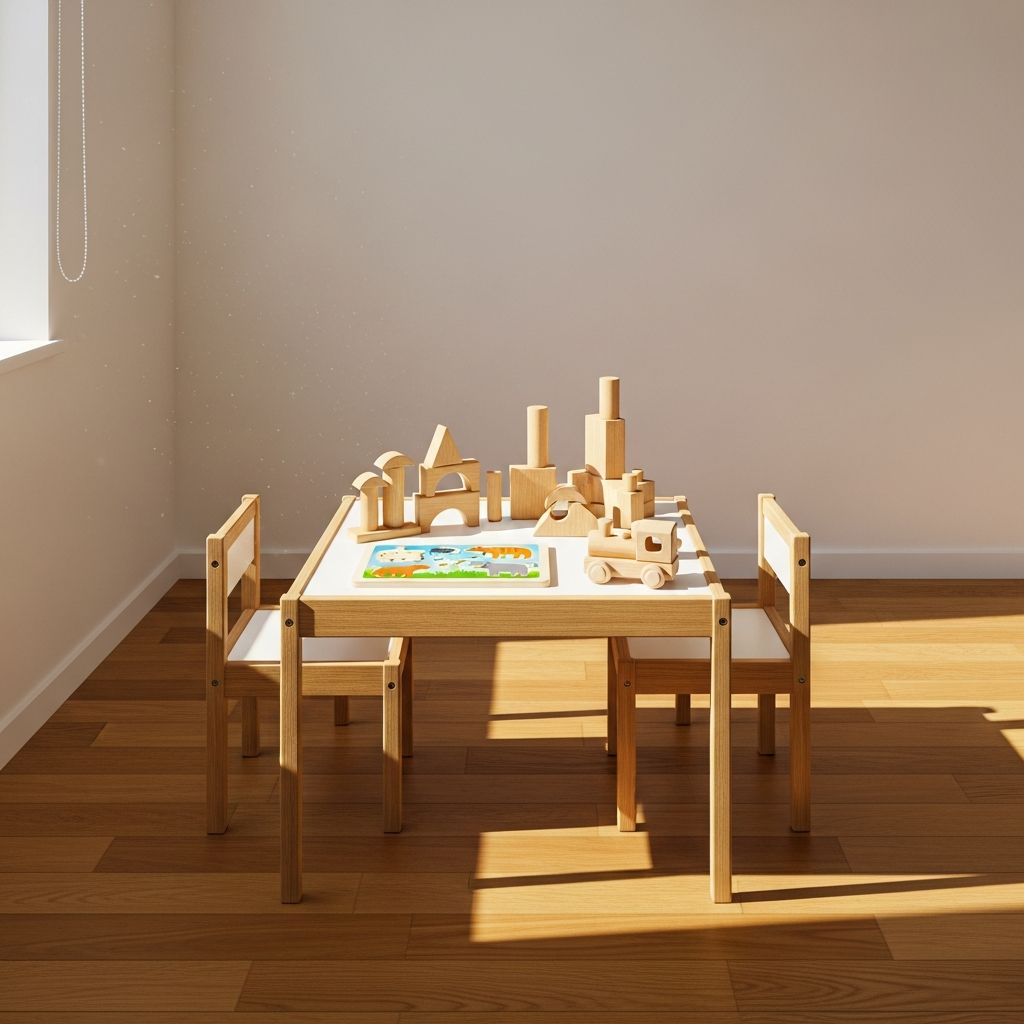
Reducing the number of toys in your home can transform your child’s playtime, leading to heightened imagination, deeper engagement, and stronger developmental skills. Toy minimalism shifts focus from quantity to quality, encouraging children to invent, explore, and grow without the distraction of excess.
The Science Behind Fewer Toys and Greater Imagination
Research consistently shows that limiting toys enhances cognitive and creative development in young children. A study from the University of Toledo revealed that toddlers with access to fewer toys spent longer periods in play and displayed higher levels of creativity compared to those surrounded by abundance. Excess options fragment attention, preventing deep immersion, whereas scarcity prompts inventive use of available items.
Children with streamlined toy collections learn to repurpose everyday objects—a bedsheet becomes a superhero cape, fort, or stage curtain—fostering innovation that pre-programmed gadgets cannot match. This open-ended approach builds neural pathways for flexible thinking, essential for future problem-solving.
Key Benefits of Simplifying Your Child’s Toy Collection
Toy minimalism yields multifaceted advantages, from mental growth to household harmony. Here’s how it reshapes play:
- Enhanced Creativity: Without rigid scripts from electronic toys, kids craft their own narratives, turning blocks into castles or vehicles.
- Improved Focus: Minimal distractions allow sustained attention, extending play sessions and building concentration skills.
- Boosted Problem-Solving: Open-ended toys demand trial-and-error, teaching persistence and logical reasoning.
- Increased Independence: Fewer choices mean children select, set up, and clean up on their own, reducing boredom complaints.
- Stronger Sibling Bonds: Limited items encourage sharing, teamwork, and collaborative storytelling.
Minimalist Toys vs. Overloaded Play: A Clear Comparison
To illustrate the impact, consider this breakdown of play styles:
| Aspect | Minimalist Toys | Excess/High-Tech Toys |
|---|---|---|
| Creativity | Open-ended; sparks imagination | Limited by presets; reduces invention |
| Problem-Solving | Self-directed challenges | Auto-solutions hinder thinking |
| Attention Span | Deeper, longer engagement | Shortened by overstimulation |
| Independence | Promotes self-guided play | Often requires adult intervention |
| Durability | Wooden/natural materials last generations | Plastic prone to quick breakdown |
This table highlights why simplicity outperforms excess, supported by observations from parents and studies alike.
Practical Steps to Implement Toy Minimalism
Transitioning to fewer toys doesn’t require overnight overhaul. Start gradually with these strategies:
- Assess Current Collection: Sort toys into keep, donate, and discard piles. Prioritize versatile, high-quality items like wooden blocks or figurines.
- Rotate Selections: Store extras in bins and swap every few weeks to maintain novelty without clutter.
- Involve Your Kids: Let them choose favorites, teaching decision-making and appreciation.
- Set Toy Limits: Aim for 10-20 core pieces per child, focusing on open-ended options.
- Curate Thoughtfully: Gift experiences or art supplies over more stuff during holidays.
Parents report immediate shifts: less mess, more laughter, and kids inventing games from pillows or yarn.
Choosing the Right Minimalist Toys for Every Age
Select toys that grow with your child, emphasizing natural materials for safety and longevity. Examples include:
- Infants/Toddlers: Soft cloth balls, stacking rings, or teething wood—simple for sensory exploration.
- Preschoolers: Unit blocks, animal figures, or dollhouse basics for storytelling.
- School-Age: Magnetic tiles, art kits, or construction sets for complex builds.
Wooden toys stand out for their tactile appeal and eco-friendliness, outlasting plastic counterparts. Avoid battery-operated items that dictate play.
Overcoming Challenges and Common Myths
Some worry minimalism bores kids, but evidence proves otherwise—fewer toys eliminate choice paralysis, leading to resourceful fun. Initial resistance fades as children adapt, often begging for less come birthdays.
Battling gift-giving relatives? Politely suggest consumables like food or donations in your child’s name. Track progress: note increased play duration and reduced “I’m bored” moments.
Real Parent Stories: Transformations from Toy Purge
Families embracing minimalism share triumphs. One mother culled toys by 75%, watching her kids craft epic forts from household items and read for hours. Another noted siblings teaming up on block towers, ditching toy fights. These anecdotes align with research: decluttering amplifies deep, meaningful play.
Frequently Asked Questions (FAQs)
What age is best to start toy minimalism?
Any age works, but toddlers benefit most as it aligns with peak imaginative development. Start small to ease transition.
Do kids really play more creatively with fewer toys?
Yes, studies confirm fewer options extend playtime and spark originality, unlike abundance which dilutes focus.
Are minimalist toys expensive?
Initial investment in quality wood pays off through durability; many are affordable and multi-generational.
How do I handle birthday party gifts?
Request books, experiences, or group contributions to one desired item—sets expectations kindly.
Will my child feel deprived?
Rarely; most thrive with freedom to invent, reporting higher satisfaction from self-made adventures.
Long-Term Gains: Building Lifelong Skills
Beyond play, toy minimalism instills mindfulness, gratitude, and conscious consumption. Kids learn quality trumps quantity, carrying habits into adulthood—less clutter, more purpose. Families enjoy calmer homes, with parents reclaiming time from tidying.
Embrace this shift for a richer childhood. Your home becomes a canvas for creativity, where imagination reigns supreme.
References
- Why Minimalist Toys Lead to Maximum Creativity — Little Forest Animals. 2023-05-15. https://littleforestanimals.com/blogs/news/why-minimalist-toys-lead-to-maximum-creativity
- Fewer Toys, More Creative Kids — Zero Waste Family. 2022-11-10. https://zerowastefamily.com/fewer-toys-more-creative-kids
- Less is More: How Minimalistic Toys Promote Mindful Play in Kids — Smol Block. 2023-08-22. https://smolblock.com/blogs/blog/less-is-more-how-minimalistic-toys-promote-mindful-play-in-kids
- How To Get Started with Toy Minimalism — Motherly. 2023-02-14. https://www.mother.ly/child/child-learn-play/how-to-get-started-with-toy-minimalismand-let-creativity-flourish/
- Minimalism for Kids: Fewer Toys Greater Happiness — Blue Brontide. 2024-01-08. https://bluebrontide.com/blogs/eco-kids/minimalism-for-kids-fewer-toys-greater-happiness