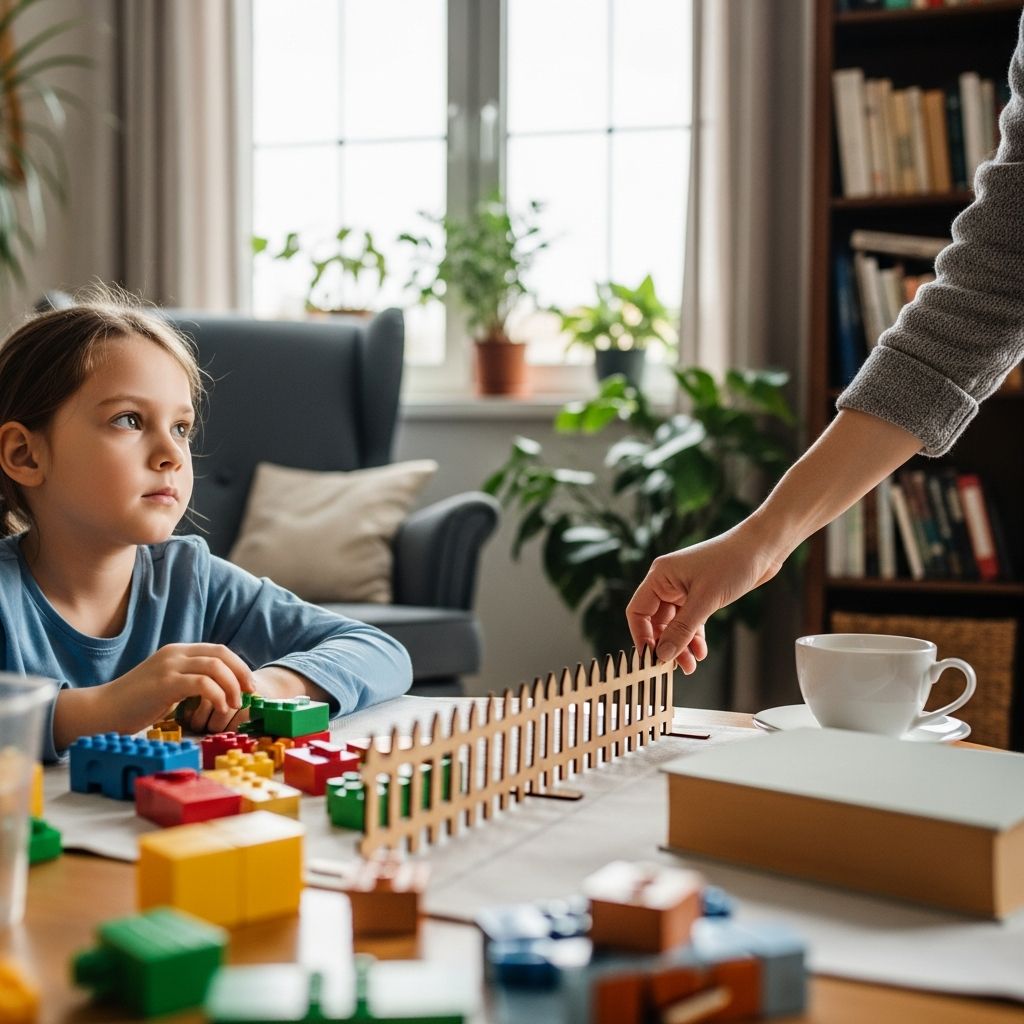
Toxic friendships among children can subtly undermine their emotional growth, self-confidence, and overall happiness. These relationships often involve manipulation, negativity, or exclusion that leave kids feeling drained rather than supported. Parents play a crucial role in identifying these dynamics early and guiding their children toward healthier interactions.
Understanding the Nature of Harmful Peer Relationships
Harmful peer bonds differ from typical childhood disagreements by creating consistent patterns of distress. Unlike supportive friendships that build resilience and joy, toxic ones erode a child’s sense of security through ongoing criticism, control, or rivalry. Research highlights how such dynamics contribute to long-term mental health challenges if unaddressed.
Children in these situations may not recognize the toxicity themselves, viewing it as normal social navigation. Parents must observe behavioral cues and emotional shifts to intervene effectively.
Key Indicators of a Problematic Friendship
Recognizing warning signs is the first step. Look for these common patterns:
- Sudden behavioral shifts: A once outgoing child becomes withdrawn, irritable, or shows unexplained mood swings, often linked to time spent with a specific peer.
- Isolation tactics: The friend discourages interactions with family or other friends, fostering dependency and cutting off positive influences.
- Persistent negativity: Frequent complaints about drama, arguments, or feeling undervalued after hangouts indicate a draining dynamic.
- Pressure to conform: Encouragement toward risky actions, like skipping rules or unhealthy habits, signals poor influence.
- Control and manipulation: Guilt-tripping, demands for constant loyalty checks, or dictating choices are hallmarks of dominance.
These signs often overlap, amplifying their impact. For instance, a child obsessed with one peer while rejecting others may be trapped in an imbalanced bond.
How Toxic Bonds Impact Young Minds
The effects extend beyond immediate upset, influencing mental and physical health. Chronic exposure leads to heightened stress from unpredictable conflicts and manipulation.
| Impact Area | Description | Common Symptoms |
|---|---|---|
| Anxiety & Stress | Constant worry about friend reactions fosters ongoing tension | Restlessness, social withdrawal, fear of betrayal |
| Depression & Low Self-Esteem | Criticism and exclusion erode confidence | Feelings of worthlessness, isolation |
| Emotional Fatigue | Drama drains energy reserves | Apathy, burnout, neglect of hobbies |
| Behavioral Changes | Risky peer pressure alters habits | Declining grades, aggression |
Youth in toxic circles report higher rates of anxiety, with social fears spilling into school and family life. Over time, this can hinder social skill development essential for adulthood.
Parental Strategies for Observation and Early Detection
Stay attuned without invading privacy. Regularly check in on daily experiences, noting patterns post-socializing. Phrases like “How did time with your friends make you feel?” open dialogue without judgment.
Monitor digital interactions too, as toxic behaviors thrive online through exclusion or cyber-bullying disguised as banter. Track changes in interests; abandoning favorite activities for a friend’s preferences is a red flag.
Effective Communication Techniques with Your Child
Approach conversations with empathy. Avoid accusatory language; instead, validate feelings: “It sounds tough when friends make you feel left out.” This builds trust.
- Listen actively without interrupting.
- Ask open-ended questions to uncover details.
- Share age-appropriate examples of healthy vs. unhealthy bonds.
Frame discussions around your child’s emotions, not the friend’s character, to empower decision-making.
Empowering Kids to Set Personal Boundaries
Teach boundary-setting as a core life skill. Role-play scenarios: “What would you say if a friend pressures you to lie?” Encourage phrases like “I don’t feel comfortable with that.”
Emphasize mutual respect in friendships—support should flow both ways. Help kids identify when effort is one-sided, fostering self-advocacy.
Building a Diverse Social Network
Encourage extracurriculars like sports, clubs, or arts to expand circles. Diverse friends dilute toxic influences and provide positive role models.
Host inclusive playdates or family events to normalize varied interactions. This reduces over-reliance on one peer.
When and How to Intervene Directly
If signs persist, guide limited contact. Suggest alternatives: “Let’s plan fun with other friends this week.” Monitor improvements in mood and behavior.
For severe cases involving bullying or risks, involve school counselors. Document incidents for potential authority discussions.
Promoting Long-Term Emotional Resilience
Beyond intervention, nurture resilience through family bonding, mindfulness practices, and self-esteem activities. Praise independence and healthy choices to reinforce positive patterns.
Model healthy relationships in your own life, showing kids what balanced support looks like.
Common Challenges and How to Overcome Them
Parents often fear overstepping, but inaction risks deeper harm. Counter resistance by involving trusted adults like coaches. Teens may defend toxic friends due to loyalty; patience and consistent support help shift perspectives.
Frequently Asked Questions (FAQs)
What if my child denies the friendship is toxic?
Respect their view but share observations gently. Continued monitoring and open doors for future talks often lead to self-realization.
Is all peer drama toxic?
No—normal conflicts resolve naturally. Toxicity shows in persistent negativity and emotional harm.
How can I help without seeming controlling?
Focus on empowerment: offer tools for them to navigate, not dictate outcomes.
What role does social media play?
It amplifies exclusion and drama; set usage guidelines and review interactions periodically.
When should professionals get involved?
If anxiety, depression, or risky behaviors emerge, consult pediatricians or therapists promptly.
This guide equips parents to safeguard their children’s social worlds. Proactive steps today pave the way for confident, thriving relationships tomorrow. (Word count: 1678)
References
- How toxic friendships can affect youth mental health — MIND 24-7. 2023. https://www.mind24-7.com/blog/how-toxic-friendships-can-affect-youth-mental-health/
- How to Talk to Your Kids About Toxic Friendships — Lubbock Family. 2023. https://www.lubbockfamily.org/post/how-to-talk-to-your-kids-about-toxic-friendships
- Signs of an Unhealthy Friendship in Kids: A Guide for Parents — Child Psych. 2023. https://www.childpsych.co.za/signs-of-an-unhealthy-friendship-in-kids-a-guide-for-parents/
- Frenemies & toxic friendships: teenagers — Raising Children Network (Australian Government-funded). 2024-02-09. https://raisingchildren.net.au/pre-teens/behaviour/peers-friends-trends/frenemies
- 10 Signs Your Child Has Toxic Friend — Overstuffed Life. 2023. https://www.overstuffedlife.com/10-signs-your-child-has-toxic-friend/
- 10 Signs a Child Is in a Toxic Friendship & How You Can Help — Psychology Today. 2013-06-01. https://www.psychologytoday.com/us/blog/because-im-the-mom/201306/10-signs-child-is-in-toxic-friendship-how-you-can-help