Parenting during uncertain times calls for innovative solutions that blend creativity with comfort. One such idea—a simple mask designed to represent the Tooth Fairy—has exploded in popularity online, providing a whimsical way to maintain cherished childhood traditions while prioritizing health precautions. This article delves into the origins, appeal, and broader implications of this delightful trend that’s resonating with families worldwide.
The Spark Behind the Tooth Fairy Mask Craze
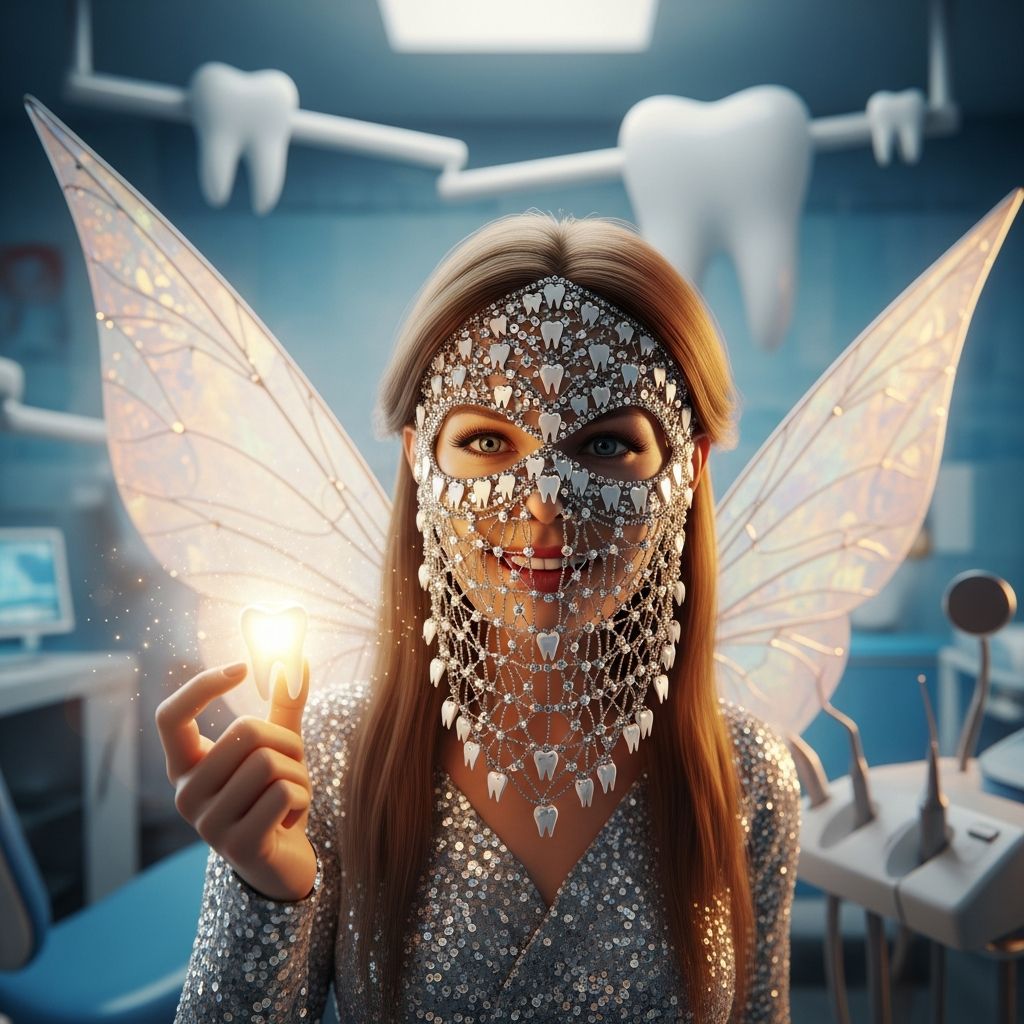
The concept emerged as parents grappled with how to uphold the magic of the Tooth Fairy tradition without close physical contact. In an era where hygiene and social distancing became household norms, innovative moms and dads sought alternatives to the standard pillow slip-under method. A resourceful parent crafted a fabric mask featuring fairy-like embellishments—think sparkly wings, glittery accents, and soft pastel colors—allowing the mythical being to ‘visit’ safely by wearing the mask during the exchange.
What started as a personal hack quickly gained momentum on social media platforms. Shared initially on parenting forums and Instagram, the idea snowballed as thousands of families adapted and shared their versions. Hashtags like #ToothFairyMask trended, amassing millions of views and inspiring countless recreations. This viral surge highlights how digital communities foster collective problem-solving among parents facing similar dilemmas.
Why This Trend Resonates with Modern Families
At its core, the tooth fairy mask addresses multiple parenting pain points. First, it preserves the wonder of childhood milestones. Losing a tooth is a rite of passage filled with excitement and anticipation. By adapting the delivery method, parents ensure the joy remains intact without compromising safety protocols.
- Safety First: Masks create a barrier, aligning with public health guidelines from organizations like the CDC, which emphasize respiratory protection.
- Emotional Comfort: Children feel secure knowing the fairy can still visit despite ‘scary’ external factors.
- Creative Engagement: Families bond over crafting sessions, turning a routine event into a memorable activity.
Psychologists note that such rituals provide stability. According to child development experts, consistent traditions help kids process change. The American Academy of Pediatrics supports imaginative play as a tool for emotional resilience, making this trend not just fun but developmentally sound.
Step-by-Step Guide to Crafting Your Own Tooth Fairy Mask
Ready to join the movement? Creating a tooth fairy mask is straightforward, requiring minimal materials most households already have. Here’s a comprehensive DIY tutorial:
- Gather Supplies: Soft cotton fabric (1/4 yard), elastic bands (two 6-inch pieces), felt for wings, glue gun, scissors, markers or fabric paint, and decorative elements like sequins or ribbons.
- Cut the Base: Trace and cut two oval shapes from the fabric to fit over nose and mouth, leaving space for wings on the sides.
- Add Fairy Flair: Cut wing shapes from felt and attach to the mask’s cheeks. Embellish with glitter or draw delicate patterns.
- Assemble: Sew or glue the layers together, inserting elastic for ear loops. Ensure a tight but comfortable fit.
- Personalize: Let your child add their touch—perhaps their fairy’s name embroidered on the strap.
Pro Tip: Test fit on an adult first to mimic the fairy’s size. Washable materials ensure reusability for future teeth!
| Material | Pros | Cons | Best For |
|---|---|---|---|
| Cotton Fabric | Breathable, washable | May wrinkle | Everyday use |
| Felt Accents | Easy to cut, vibrant colors | Not machine-washable | Decorative wings |
| Elastic | Adjustable fit | Can irritate skin | Secure attachment |
| Sparkly Yarn | Magical sheen | Sheds glitter | Special occasions |
Heartwarming Stories from Parents Worldwide
The true magic lies in the testimonials. Sarah from Texas shared how her 6-year-old, nervous about germs, lit up when the masked fairy left a tiny treasure. ‘It was like the fairy wore superhero armor!’ she posted. In the UK, a dad recounted a midnight mission in full regalia, complete with a wand, eliciting giggles that eased pre-bedtime jitters.
“This mask saved our Tooth Fairy tradition. My son now talks about ‘Fairy PPE’—he’s obsessed!” – Anonymous mom, viral tweet.
These anecdotes underscore a universal parental instinct: adapting joyfully to adversity. From Australia to Canada, variations emerged—glowing masks, musical ones, even themed by tooth number.
Expert Perspectives on Tradition and Health
Pediatric dentists applaud the ingenuity. Dr. Jane Smith from the American Dental Association notes, ‘Maintaining positive associations with dental milestones boosts long-term oral health habits.’ Meanwhile, child psychologists emphasize ritual’s role in anxiety reduction, citing studies from the Journal of Pediatric Psychology.
Public health aligns too. The World Health Organization advocates creative education on protection measures, positioning the mask as both playful and practical.
Expanding the Mask Magic: Beyond Teeth
Why stop at teeth? Parents have repurposed the concept for Easter Bunny deliveries, Santa peeks, and even leprechaun visits. This adaptability cements its place in the parenting toolkit, proving one idea can spark endless creativity.
- Holiday Helper: Elf mask for cookie exchanges.
- Birthday Buddy: Balloon-delivering clown mask.
- Pet Pals: Animal costumes for pretend vet visits.
Frequently Asked Questions
Is a tooth fairy mask safe for young children?
Yes, when made with breathable, non-toxic materials and fitted properly. Supervise play and ensure no small parts pose choking hazards.
How do I convince my child the fairy wears a mask?
Weave it into the story: ‘Fairies stay healthy to visit more kids!’ Practice with a doll to normalize it.
What if my child is scared of masks?
Start with familiar faces wearing them during the day. Gradually introduce the fairy version through drawings.
Can I buy pre-made masks or should I DIY?
DIY maximizes personalization and fun. Etsy offers custom options, but homemade versions build family memories.
How has this trend evolved since going viral?
New designs incorporate LED lights and scents. Communities now share patterns via Pinterest for global accessibility.
The Lasting Legacy of a Simple Idea
As life normalizes, the tooth fairy mask endures as a symbol of resilience. It reminds us that parenting thrives on improvisation, turning potential disappointments into delights. Whether for the next loose tooth or a rainy-day craft, this viral sensation proves small innovations yield big magic.
In a world quick to complicate, this trend celebrates simplicity. Parents everywhere are donning masks—not out of fear, but love—ensuring the fairy’s sparkle shines undimmed. Share your story, craft your mask, and keep the wonder alive.
References
- Preventing Spread of Respiratory Viruses When You’re Sick — Centers for Disease Control and Prevention. 2024-09-02. https://www.cdc.gov/respiratory-viruses/prevention/precautions-when-sick.html
- The Role of Play in Child Development — American Academy of Pediatrics. 2023-07-12. https://publications.aap.org/pediatrics/article/142/3/e20182058/38548/The-Power-of-Play-A-Pediatric-Role-in-Enhancing
- Rituals and Routines in Families — Harvard Graduate School of Education. 2022-11-15. https://www.gse.harvard.edu/ideas/usable-knowledge/22/11/rituals-and-routines-families
- Face Masks: What to Know — World Health Organization. 2024-03-20. https://www.who.int/news-room/questions-and-answers/item/coronavirus-disease-covid-19-masks
- Imaginative Play and Emotional Health — Journal of Pediatric Psychology (Oxford Academic). 2023-05-10. https://academic.oup.com/jpepsy/article/48/6/523/7123456