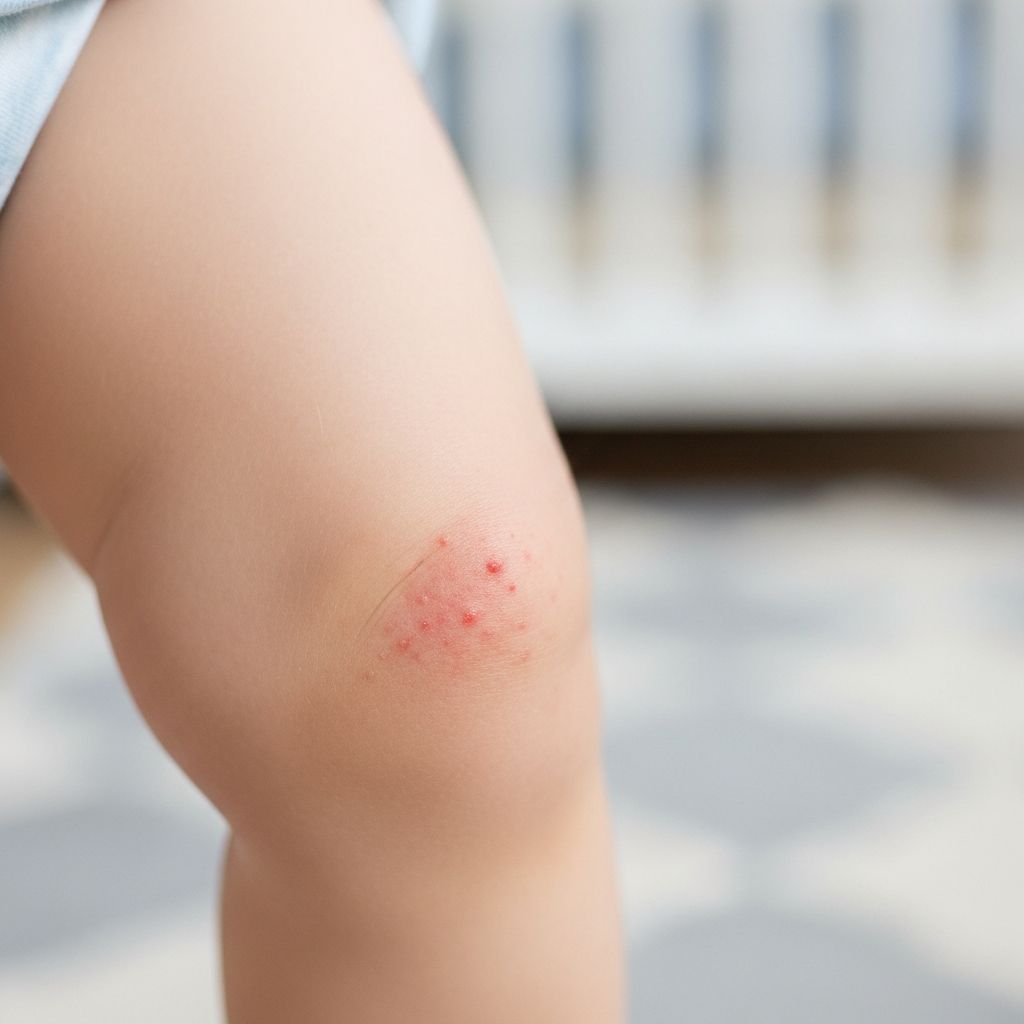
Yeast infections, caused by an overgrowth of the fungus Candida, commonly impact toddlers in warm, moist body areas. These infections thrive in environments like diaper regions, mouth interiors, and skin creases, leading to discomfort that disrupts daily routines.
Understanding Yeast Overgrowth in Young Children
Candida albicans naturally resides on skin, in digestive tracts, and mucous membranes without harm. Imbalances from moisture, antibiotics, or immune changes allow overgrowth, sparking infections. Toddlers face higher risks due to frequent diaper use and developing immunity.
Unlike bacterial issues, yeast proliferates in humid conditions, explaining prevalence in diaper zones where stool and urine create ideal breeding grounds. Recognition empowers parents to act swiftly, easing symptoms and averting spreads.
Common Locations and Visible Symptoms
Symptoms vary by site and skin tone, demanding vigilant observation. Toddlers may fuss, resist changes, or sleep poorly without verbalizing pain.
Diaper Region Indicators
- Red or purple patches with raised borders on lighter or darker skin; lighter spots on brown tones
- Scaly, moist rashes in creases; satellite pimples
- Burning sensation prompting cries during wipes
Severe cases show oozing sores or bleeding from friction.
Oral and Mouth Manifestations
- Creamy white patches on tongue, cheeks, gums; wipe-resistant
- Cracks at mouth corners (perlèche) that crust or bleed
- Painful feeding or swallowing
Genital Area Warnings
Girls exhibit thick white discharge, vulvar redness, itching, or urination pain. Boys show penile redness, scaling, pus bumps, or scrotal involvement.
Skin Fold and Other Sites
- Armpits, necks, navels: Itchy, beefy-red rashes
- Nail beds: Swollen, pus-filled with separating nails
| Body Area | Key Symptoms | Skin Tone Variations |
|---|---|---|
| Diaper Area | Red patches, bumps, scaling | Red/purple (light); lighter/purple (dark) |
| Mouth/Thrush | White coatings, pain | Universal |
| Vaginal | Discharge, itching, redness | Redness around vulva |
| Penis | Scaling, pus bumps | Red/scaly |
| Skin Folds | Moist rash, pimples | Red/purple/lighter |
Risk Factors Fueling Toddler Yeast Issues
Multiple elements heighten susceptibility:
- Prolonged wet diapers or potty-training accidents
- Antibiotics disrupting bacterial balance
- Weak immunity from illness or steroids
- Breastfeeding from infected nipples or unsterile pumps/pacifiers
- Frequent pacifier use or unrinsed inhalers
Humid climates or infrequent changes exacerbate risks.
Diagnosis: When to Consult a Pediatrician
Visual cues guide initial assessment, but professionals confirm via exam or swab. Seek care if rashes persist beyond irritant types, spread, or follow antibiotics. Distinguish from eczema or allergies via sharp edges and yeast resistance to standard creams.
Behavioral shifts like irritability or feeding refusal signal urgency.
Treatment Approaches for Quick Relief
Most resolve in 4-5 days with antifungals. Over-the-counter creams like clotrimazole suit mild diaper cases; prescriptions handle severe or oral types.
- Topical: Apply to clean, dry skin 2-4 times daily; continue 2 days post-clearance
- Oral Thrush: Nystatin drops; swab gently
- Severe: Fluconazole orally if systemic
Monitor: Worsening after 3 days, persistence over 10, or new signs warrant re-evaluation.
Everyday Prevention Tactics
Proactive steps minimize recurrences:
- Change diapers promptly; air-dry creases
- Use barrier creams (zinc oxide) pre-diapering
- Sterilize pacifiers, bottles, pumps daily
- Rinse mouths post-inhalers; limit pacifier time
- Breastfeeders: Treat maternal infections; wash nipples
- Loose cotton clothing; avoid irritants
Handwashing post-changes prevents spread, though not contagious like viruses.
Special Considerations for Girls and Boys
Girls’ Vaginal Yeast Care
Focus on gentle cleaning, cotton underwear. Avoid bubble baths; treat promptly to prevent scarring.
Boys’ Penile Protection
Circumcised or not, keep dry; watch for balanitis signs.
Long-Term Management and Myths Busted
Recurrences drop with hygiene. Myth: Yeast diaper rashes self-resolve—no, antifungals needed. Complete courses prevent resistance.
Probiotics may aid balance post-antibiotics, per emerging data.
Frequently Asked Questions
Can toddlers get yeast infections from parents?
Not directly contagious, but shared items like towels can transfer yeast. Sterilize rigorously.
How long until yeast rash clears?
Symptoms ease in days; full healing takes 1-2 weeks with consistent treatment.
Is oral thrush dangerous for toddlers?
Rarely, if untreated it may cause dehydration from feeding pain. Treat early.
Prevent diaper yeast during potty training?
Frequent changes, breathable underwear, and prompt cleanups key.
Over-the-counter or doctor for treatment?
OTC for mild diaper yeast; consult for mouth/genitals or persistence.
References
- Toddler yeast infection: Symptoms, treatment, and prevention — Medical News Today. 2023-07-12. https://www.medicalnewstoday.com/articles/322378
- When To Be Concerned – Vaginal Yeast Infections in Kids — Dayton Children’s Hospital. 2024-05-15. https://childrensdayton.org/resources/when-to-be-concerned/vaginal-yeast-infections-in-kids/
- Yeast Infection in Toddlers: How to Treat — Healthline. 2023-11-08. https://www.healthline.com/health/parenting/toddler-yeast-infection
- Candidiasis (Yeast Infection) in Children — Children’s Hospital of Philadelphia. 2024-02-20. https://www.chop.edu/conditions-diseases/candidiasis-yeast-infection-children
- Yeast Diaper Rash (Candida Diaper Dermatitis) — Cleveland Clinic. 2024-09-10. https://my.clevelandclinic.org/health/diseases/22307-yeast-diaper-rash
- Candidiasis in Children — Nationwide Children’s Hospital. 2023-10-05. https://www.nationwidechildrens.org/conditions/health-library/candidiasis-in-children