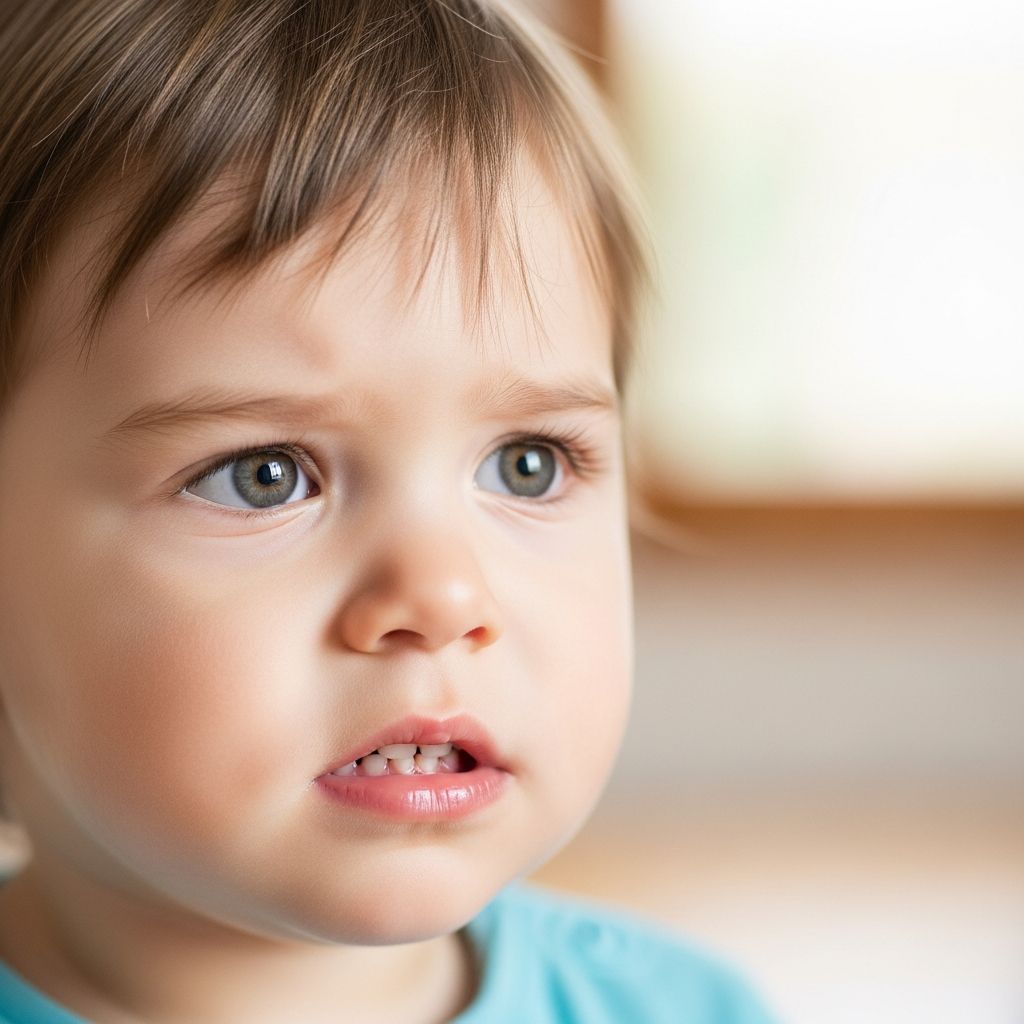
Teeth grinding, or bruxism, is a frequent occurrence among toddlers and young children, often noticed by parents during sleep. This involuntary habit involves rubbing the upper and lower teeth together, producing audible sounds that can be distressing for families. While many children naturally outgrow it, understanding its roots and impacts is essential for proactive care.
Understanding Bruxism in Young Children
Bruxism refers to the clenching, gnashing, or grinding of teeth, which can happen during the day or night. In toddlers, it predominantly occurs at night during deep sleep phases, making it challenging for the child to control. Studies indicate that up to 30% of children engage in some form of this behavior, often linked to developmental stages or external factors. Unlike adults, where stress is a primary driver, toddlers may grind due to physical sensations like emerging teeth.
The condition splits into awake bruxism, where the child consciously clenches, and sleep bruxism, which is unconscious. For toddlers, sleep-related episodes are more common, frequently first detected by the grinding noises echoing through the home. Early awareness allows parents to monitor and intervene before dental concerns arise.
Primary Triggers Behind Toddler Teeth Grinding
Several factors contribute to bruxism in young children. Identifying the trigger can guide effective responses.
- Teething Discomfort: As baby teeth push through gums, toddlers may grind to alleviate soreness. This peaks around 6 months and again near age 5 with permanent teeth.
- Emotional Stress: Even young children experience anxiety from routine changes, separation, or new environments, prompting clenching as a coping mechanism.
- Dental Misalignment: Improper bite alignment (malocclusion) forces jaw muscles to overwork, leading to grinding.
- Respiratory Issues: Allergies or sinus congestion cause mouth breathing, which correlates with increased bruxism episodes.
- Other Influences: Dehydration, jaw growth spurts, or conditions like cerebral palsy can play roles.
Parents should observe patterns, such as grinding during illness or family transitions, to pinpoint causes.
Spotting the Signs of Bruxism Early
Recognizing symptoms promptly prevents escalation. Toddlers may not verbalize issues, so visual and auditory cues are key.
| Symptom | Description | Common Age |
|---|---|---|
| Audible Grinding | Squeaking or scraping sounds at night | 6 months – 5 years |
| Jaw Soreness | Rubbing jaw upon waking or complaints of pain | All toddler ages |
| Headaches/Earaches | Morning complaints of head or ear pain | 2+ years |
| Tooth Wear | Flattened, chipped, or sensitive teeth | Persistent cases |
| Facial Tension | Tight jaw muscles or enlarged appearance | Ongoing bruxism |
These indicators, drawn from clinical observations, warrant a dental check if persistent. Regular exams help track enamel integrity and bite development.
Potential Long-Term Effects on Oral Health
While mild grinding often resolves without harm, chronic cases pose risks. Enamel erosion increases cavity susceptibility and sensitivity. Jaw strain can lead to temporomandibular joint (TMJ) issues, causing clicking or locking.
In severe instances, teeth may fracture, gums recede, or facial growth patterns alter. Sleep disruptions from pain contribute to daytime fatigue and irritability, impacting development. Children over 6 with ongoing symptoms face higher risks to permanent teeth. Early intervention mitigates these, preserving healthy smiles.
Practical At-Home Strategies for Relief
Most toddlers need no formal treatment, as bruxism self-resolves by age 6-12. Parents can implement these evidence-based steps:
- Establish Routines: Consistent bedtime rituals with reading or cuddles reduce anxiety.
- Stress Reduction: Play therapy or calm environments ease emotional triggers.
- Hydration and Diet: Ensure ample water; avoid caffeine or hard foods before bed.
- Massage Techniques: Gently rub jaw muscles before sleep to relax tension.
- Avoid Interventions: Do not wake the child during episodes, as it disrupts sleep cycles.
Monitor progress over weeks; improvement signals effectiveness.
Professional Interventions When Needed
Consult a pediatric dentist if symptoms persist beyond age 6, involve pain, or show dental damage. Options include:
- Mouth Guards: Custom night guards protect teeth without curing the habit.
- Bite Correction: Orthodontic evaluation for misalignment.
- Medical Review: Rule out allergies or sleep disorders via ENT or sleep studies.
Biofeedback or stress management referrals aid older toddlers. Collaborative care ensures comprehensive support.
Preventive Measures for Lasting Dental Wellness
Proactive habits safeguard against bruxism recurrence:
- Bi-annual dental visits from age 1.
- Soft diets during teething phases.
- Humidifiers for congestion relief.
- Teaching relaxation like deep breathing.
These foster resilience, minimizing future episodes.
Frequently Asked Questions About Toddler Bruxism
Is teeth grinding harmful for toddlers?
Occasional grinding is harmless and often outgrown, but persistent cases can wear enamel or cause pain. Monitor and consult dentists for visible damage.
At what age does bruxism typically stop?
Most children cease by ages 6-12 as jaws mature and habits fade.
Can stress really cause grinding in toddlers?
Yes, changes like new siblings or daycare induce anxiety, manifesting as bruxism.
Should I punish my child for grinding?
No, it’s involuntary. Focus on comfort and professional advice.
When to see a doctor for teeth grinding?
If accompanied by pain, swelling, or no improvement after home strategies, seek evaluation promptly.
References
- Teeth Grinding (Bruxism) in Kids: Symptoms, Causes, and Effective Solutions — ICTeeth. Accessed 2026. https://icteeth.com/teeth-grinding-symptoms-and-solutions-for-kids/
- Toddler Teeth Grinding: What’s Causing This? — Healthline. Accessed 2026. https://www.healthline.com/health/parenting/toddler-teeth-grinding
- Teeth grinding (bruxism) – Symptoms and causes — Mayo Clinic. 2024-12-27. https://www.mayoclinic.org/diseases-conditions/bruxism/symptoms-causes/syc-20356095
- Teeth Grinding in Children — Children’s Hospital of Philadelphia (CHOP). Accessed 2026. https://www.chop.edu/news/teeth-grinding-children
- Bruxism (Teeth Grinding): Symptoms, Causes & Treatment — Cleveland Clinic. Accessed 2026. https://my.clevelandclinic.org/health/diseases/10955-teeth-grinding-bruxism
- Bruxism in Children: Signs, Symptoms, and Effects — Colgate. Accessed 2026. https://www.colgate.com/en-us/oral-health/bruxism/bruxism-in-children-signs-symptoms-treatment