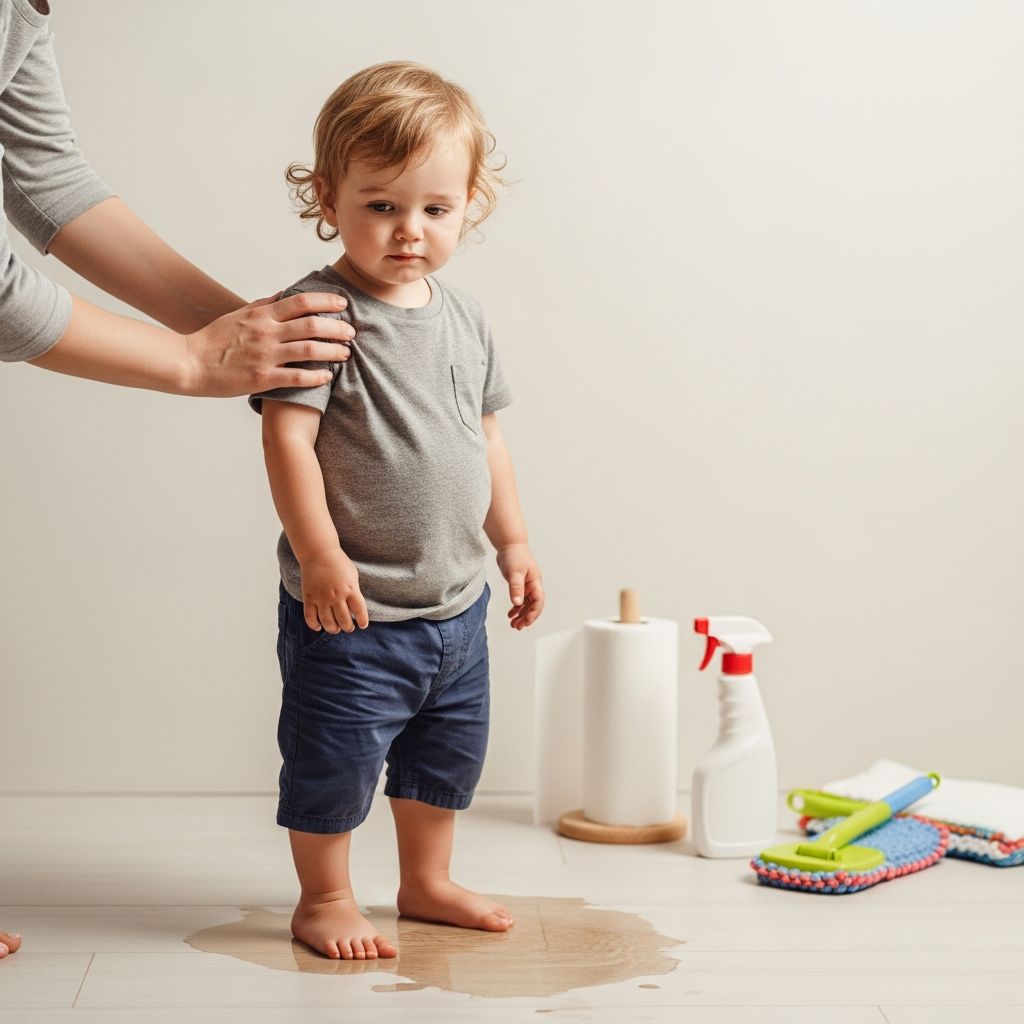
Every parent eventually faces a red-faced, screaming, stiff-as-a-board child who seems impossible to comfort or reason with. Tantrums can feel overwhelming, embarrassing, and even alarming—but they are also a normal part of early childhood and an opportunity to teach important emotional skills.
This guide explains why tantrums happen, how to prevent many of them, and how to respond calmly and effectively when your child loses control.
What Is a Tantrum, Really?
A tantrum is an intense burst of emotion in which a child has more feelings than they have words or tools to manage. It can involve crying, screaming, kicking, stiffening, dropping to the ground, or refusing to move. Some children may also throw objects, hit, or bite.
Most tantrums happen in toddlers and preschoolers because their brains and language skills are still developing. They feel frustration or disappointment just as strongly as older children, but they lack the self-control to stay calm when things don’t go their way.
Common Signs of a Tantrum
- Crying, screaming, or shrieking.
- Throwing themselves to the ground or going limp.
- Stomping, kicking, hitting, or biting.
- Refusing to follow directions or to move.
- Holding breath for a few seconds or turning red in the face.
Why Tantrums Happen: The Real Causes
Tantrums almost never happen “for no reason.” Often, a child’s behavior is the visible tip of an emotional iceberg. Underneath are strong needs and feelings that feel too big to handle alone.
Hidden Triggers Behind Meltdowns
- Basic needs: Hunger, tiredness, overstimulation, or feeling unwell can make even small frustrations unbearable.
- Frustration: Struggling with a toy, a task, or a limit (“No, you can’t run into the street”) can quickly lead to an outburst.
- Desire for independence: Toddlers want to make their own choices but still depend on adults, creating a constant push–pull.
- Limited language: When a child can’t explain what they want or how they feel, their body does the “talking.”
- Changes and transitions: Moving from one activity to another (leaving the playground, turning off the TV) can trigger resistance and crying.
- Seeking attention or a reaction: If big reactions from adults sometimes lead to getting what they want, tantrums can become a learned strategy.
Age and Tantrums
Tantrums are most common between about 1 and 4 years old, when children are gaining mobility and independence but still learning to communicate and self-regulate. As language, impulse control, and coping skills increase, tantrums usually become less frequent and less intense.
Before the Storm: Preventing Many Tantrums
No parent can prevent every meltdown, but many tantrums can be reduced or softened with a thoughtful routine and realistic expectations. Prevention is about setting your child up for success, not about controlling every emotion.
Daily Habits That Lower Tantrum Risk
- Protect sleep: Aim for regular naps and bedtimes. Overtired children have less patience for limits and change.
- Offer regular meals and snacks: Hunger makes it harder to cope with frustration. Bring simple snacks when you’re out.
- Build predictable routines: Children feel safer when they know what to expect, especially around meals, playtime, and bedtime.
- Allow downtime: Avoid packing the day with errands or activities. Quiet play and rest help reset their nervous system.
Planning Ahead for Challenging Situations
- Choose your timing: Try to run errands or attend events when your child is well-rested and recently fed.
- Bring tools: Small toys, books, or coloring supplies can help them wait more patiently in lines or waiting rooms.
- Use clear, simple previews: Briefly explain what will happen and what behavior you expect (for example, “We are going to the store to buy food, not toys”).
- Limit temptations: When possible, avoid aisles, displays, or situations that you know will trigger intense pleading.
Giving Kids a Sense of Control
Many tantrums are power struggles in disguise. You can reduce these battles by offering controlled choices and small areas of independence.
- Let your child choose between two acceptable options (two shirts, two snacks, two activities).
- Offer age-appropriate tasks, such as carrying a light bag, putting napkins on the table, or choosing which book to read first.
- Avoid saying “no” when a “yes, but with limits” will do (for example, “You can jump inside for two minutes, then we walk”).
Reading the Early Warning Signs
Most tantrums do not start at full intensity. There is often a short window where an observant adult can redirect or soothe the situation before it explodes.
Early Clues Your Child Is Escalating
- Whining, pouting, or using a sharper tone of voice.
- Clenched jaw, fidgeting, or restless movements.
- Refusing simple requests that they usually follow.
- Sudden clinginess or pushing you away.
- Repeating the same demand over and over.
What to Do in the “Yellow Zone”
- Offer a simple choice: “Do you want to walk or hold my hand and ride in the cart?”
- Use distraction: Point out something interesting, start a simple game, or switch to a new activity.
- Reflect feelings briefly: “You’re really upset that it’s time to go.” Being seen often lowers emotional intensity.
- Adjust expectations: If the situation is too demanding for your child’s current state, simplify or take a break.
When the Tantrum Hits: Step-by-Step Response
Once a tantrum is in full swing, your main job is to keep everyone safe and to remain as calm as possible. Logic and lengthy explanations will not work while your child’s brain is flooded with big emotions.
Calm Response Roadmap
- Stay grounded: Take a slow breath, relax your shoulders, and lower your voice instead of raising it.
- Ensure safety: Move your child away from sharp corners or breakable objects. Gently hold or block if they might hurt themselves or others.
- Use few words: Short, steady phrases such as “You’re safe. I’m here.” are more effective than lectures.
- Don’t negotiate rewards: Avoid giving in to demands that began the tantrum, or you risk teaching that screaming is a shortcut to “yes.”
- Allow feelings to peak and pass: Emotions come in waves. For many children, trying to talk too much in the middle only fuels the fire.
Comfort vs. Attention to the Behavior
It is possible to be kind to your child’s feelings while still being firm about limits. You can stay near, speak softly, and offer a hug when they are ready, without changing your original “no.”
- Validate the feeling once the storm eases (“You were so mad when it was time to leave the park”).
- Re-state the limit in a calm tone (“It’s still time to go home”).
- Model calm breathing or counting together after they begin to settle.
Dealing with Public Tantrums
Public tantrums add a layer of stress because of the feeling of being watched or judged. The same core principles still apply: stay calm, protect safety, and avoid rewarding the outburst.
Practical Tips for Public Meltdowns
- Move to a quieter or less crowded spot if possible (for example, step outside the store or to a hallway).
- Keep your voice gentle and low; this helps your child and signals to observers that you are handling the situation.
- If needed, briefly end the errand and return later, emphasizing that screaming means “this trip is over,” not “I get what I wanted.”
- Try not to let embarrassment rush you into harsh reactions. Focus on your child, not on other people’s opinions.
What to Avoid During a Tantrum
Some reactions, while understandable, can unintentionally make tantrums more frequent or more intense over time. Being aware of these behaviors helps you stay in a more helpful zone.
Common Unhelpful Reactions
- Yelling or threatening: This often escalates your child’s fear and anger rather than calming them.
- Long lectures: During a meltdown, your child can’t process complex explanations. Save them for later.
- Giving in “just this once”: Even occasional rewards after a tantrum can teach your child that persistence pays off.
- Shaming or name-calling: Labels like “bad” or “naughty” focus on the child’s identity instead of the behavior and can damage self-esteem.
- Physical punishment: Hitting or harsh handling increases fear and does not teach better coping skills.
Teaching Coping Skills Between Tantrums
The best time to build emotional skills is when everyone is calm. Short, playful practice helps children learn what to do with big feelings before the next challenging moment happens.
Building Your Child’s “Calm Toolbox”
- Teach feeling words like “mad,” “sad,” “frustrated,” and “disappointed” using books, games, or role-play.
- Practice deep breathing together: smell the “flower” (inhale) and blow out the “candle” (exhale).
- Create a cozy corner with soft toys, books, or pillows where your child can choose to go when they feel overwhelmed.
- Model your own coping strategies out loud (“I’m frustrated, so I’m going to take a breath and try again”).
Using Positive Attention
Children repeat behaviors that reliably get them connection and approval. Making a habit of noticing and praising small moments of self-control will encourage more of them.
- Point out specific positive actions (“You used your words instead of screaming—that was very helpful”).
- Offer brief one-on-one time after good cooperation as a natural reward.
- Use simple charts or tokens for older preschoolers to track calm choices, followed by small, non-food rewards such as choosing a game.
When Tantrums Signal Something More
Most tantrums are a normal part of development and gradually fade as children grow. However, sometimes frequent or extremely intense meltdowns may signal that extra support is needed.
Red Flags to Discuss with a Professional
- Tantrums that last much longer than other children of the same age, especially if they happen several times a day.
- Severe aggression, self-injury, or destruction of property.
- Very limited language or social interaction for your child’s age.
- Loss of previously gained skills or behaviors that suddenly change without clear reason.
- Tantrums that leave you feeling constantly overwhelmed, fearful, or unable to cope.
If you are concerned, speaking with your child’s health-care provider or a child development specialist can help you sort out what is typical and what might need evaluation or extra support.
Quick Reference Table: Tantrums at a Glance
| Situation | What You Might See | Helpful Adult Response |
|---|---|---|
| Hungry or tired child in a store | Whining, grabbing items, sudden crying | Offer snack or break, keep language brief, finish quickly or leave and return later |
| Transition away from a favorite activity | Screaming “no,” clinging, dropping to the floor | Give advance warnings, stay calm, gently follow through while acknowledging feelings |
| Frustration with a difficult task | Throwing toys, yelling, “I can’t!” | Break task into smaller steps, offer help, praise effort rather than outcome |
| Seeking a toy or treat | Persistent demands escalating into sobbing or screaming | Hold limit, avoid buying the item, provide empathy and a clear, consistent message |
| Overstimulating environment (noise, crowds) | Covering ears, irritability, sudden meltdown | Move to a quieter space, reduce sensory input, allow time to calm before continuing |
Frequently Asked Questions about Tantrums
1. Are tantrums my fault?
Tantrums are a normal part of development, not a sign of “bad” parenting. Your responses can either increase or decrease how often they happen, but no parent can avoid them entirely. The goal is not perfection; it is learning more effective ways to support your child’s emotional growth.
2. Should I ever ignore a tantrum?
Ignoring is not the same as abandoning your child. In some situations, especially when the child is safe and using tantrums to gain attention or a specific item, quietly staying nearby without engaging with the behavior can help it fade. When they begin to calm, you can offer comfort and then talk briefly about what happened.
3. Is it okay to comfort my child during a tantrum?
Yes, offering calm presence and comfort is appropriate, especially if your child is scared, overwhelmed, or very young. Some children accept a hug; others need space. The key is to remain steady while still keeping the original limit in place, so comfort does not become a reward for unsafe or aggressive actions.
4. How long should a typical tantrum last?
There is a wide range of “normal,” but many everyday tantrums last a few minutes and then taper off. Very long or frequent meltdowns that interfere with daily life are a signal to talk with your child’s health-care provider.
5. How can I explain my child’s behavior to others?
You are not required to justify your child’s emotions to strangers, but a simple phrase such as “He’s having a hard time right now; we’re taking a break” can be enough. Remember that your main responsibility is to your child’s safety and emotional learning, not to other people’s opinions.
Key Takeaways for Parents
- Tantrums are common and usually reflect a gap between big feelings and small coping skills.
- Predictable routines, realistic expectations, and small daily choices help prevent many blowups.
- During a tantrum, focus on staying calm, keeping everyone safe, and not rewarding the outburst.
- Between meltdowns, teach language for feelings and practice simple coping tools like breathing and taking breaks.
- Trust that with guidance and time, most children outgrow frequent tantrums and learn healthier ways to express themselves.