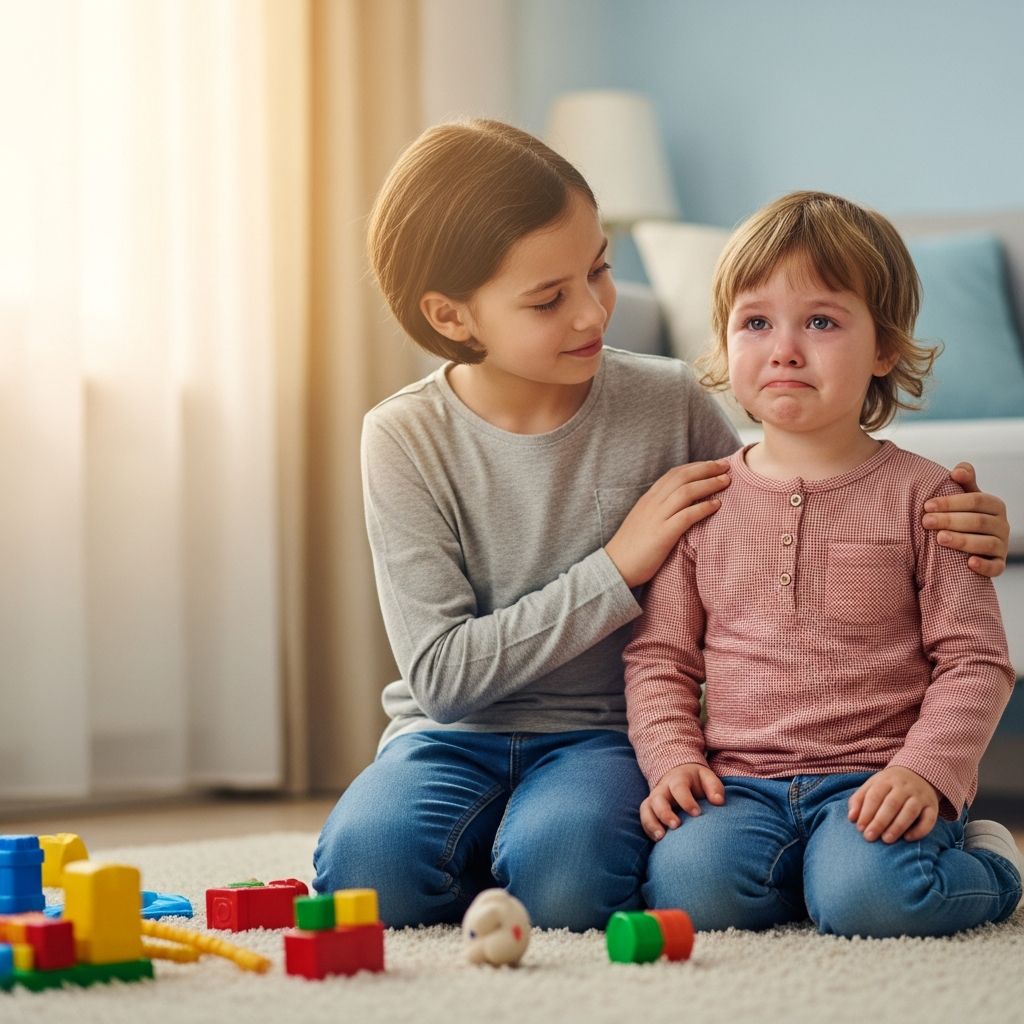
Why Sleepovers with Grandparents Matter
Sleepovers with grandparents can be a valuable experience for both children and parents. For toddlers, spending the night away from home introduces new routines, builds resilience, and fosters independence in a safe environment. Grandparents often provide a nurturing and familiar setting, which can help children adapt to change and develop confidence in unfamiliar situations. For parents, these visits offer a much-needed break, allowing time to recharge and reconnect as a couple or simply enjoy some quiet time.
Emotional Readiness: Is Your Toddler Prepared?
Before planning a sleepover, it’s important to assess your toddler’s emotional readiness. Some children adapt easily to new environments, while others may feel anxious or overwhelmed when separated from their parents. Signs of readiness include:
- Comfortable spending time away from parents during the day
- Expressing excitement about visiting grandparents
- Handling minor changes in routine without distress
- Showing curiosity about sleeping in a different bed
If your child shows signs of anxiety or reluctance, it’s best to ease into overnight visits gradually. Extended day visits or short naps at the grandparents’ home can help build familiarity and reduce separation anxiety.
Preparing for a Successful Sleepover
Preparation is key to ensuring a smooth and positive sleepover experience. Consider the following steps:
- Discuss the plan with your child in advance, using simple language to explain what will happen.
- Visit the grandparents’ home together before the sleepover to help your child become comfortable with the environment.
- Bring familiar items such as a favorite blanket, stuffed animal, or bedtime book to provide comfort.
- Share your child’s routine with the grandparents, including bedtime rituals, nap times, and any special needs.
- Establish clear communication channels so you can check in if needed.
Benefits for Children and Families
Sleepovers with grandparents offer a range of benefits for everyone involved:
| Benefit | For Children | For Parents | For Grandparents |
|---|---|---|---|
| Independence | Builds confidence and adaptability | Encourages self-reliance | Strengthens bond with grandchild |
| Emotional Growth | Practices coping with separation | Reduces parental stress | Provides joy and purpose |
| Family Bonding | Creates lasting memories | Opportunity for couple time | Deepens connection with family |
Common Challenges and How to Address Them
While sleepovers can be rewarding, they may also present challenges:
- Separation Anxiety: Some toddlers may cry or become upset when parents leave. Reassure your child that you will return and maintain a calm, positive attitude.
- Disrupted Routines: Grandparents may unintentionally alter bedtime or nap schedules. Clearly communicate your child’s needs and routines in advance.
- Overstimulation: Excitement about the visit can lead to difficulty settling down. Encourage a calm bedtime routine and limit stimulating activities before sleep.
- Parental Guilt: It’s normal to feel anxious about leaving your child. Remember that sleepovers are a healthy step toward independence and family connection.
Practical Tips for Grandparents
Grandparents play a crucial role in making sleepovers successful. Here are some tips for them:
- Be patient and understanding, especially if the child is anxious or has trouble settling.
- Follow the parents’ routines as closely as possible to minimize disruption.
- Offer comfort and reassurance, but avoid creating new sleep associations (such as rocking or feeding to sleep) that may be hard to break at home.
- Communicate openly with parents about any concerns or changes in behavior.
- Enjoy the time together and focus on creating positive memories.
FAQs About Toddler Sleepovers with Grandparents
- How young is too young for a sleepover?
- Most experts recommend waiting until your child is at least 2–3 years old and shows signs of emotional readiness.
- What if my child is anxious about staying overnight?
- Start with shorter visits and gradually increase the time away. Reassure your child and maintain a positive attitude.
- How can I help my child adjust to a new environment?
- Bring familiar items, visit the home beforehand, and stick to your child’s routine as much as possible.
- What should I do if my child wakes up during the night?
- Grandparents should comfort the child but avoid creating new sleep habits. Most children adapt quickly and return to their usual routine at home.
- Are sleepovers beneficial for highly sensitive children?
- For highly sensitive children, sleepovers may require extra preparation and patience. Respect your child’s pace and comfort level.
Conclusion
Toddler sleepovers with grandparents can be a meaningful experience that supports emotional growth, independence, and family bonding. With thoughtful preparation and open communication, both parents and children can enjoy the benefits of these special visits. Remember, every child is unique, and readiness for sleepovers will vary. Take the time to assess your child’s needs and proceed at a pace that feels right for your family.