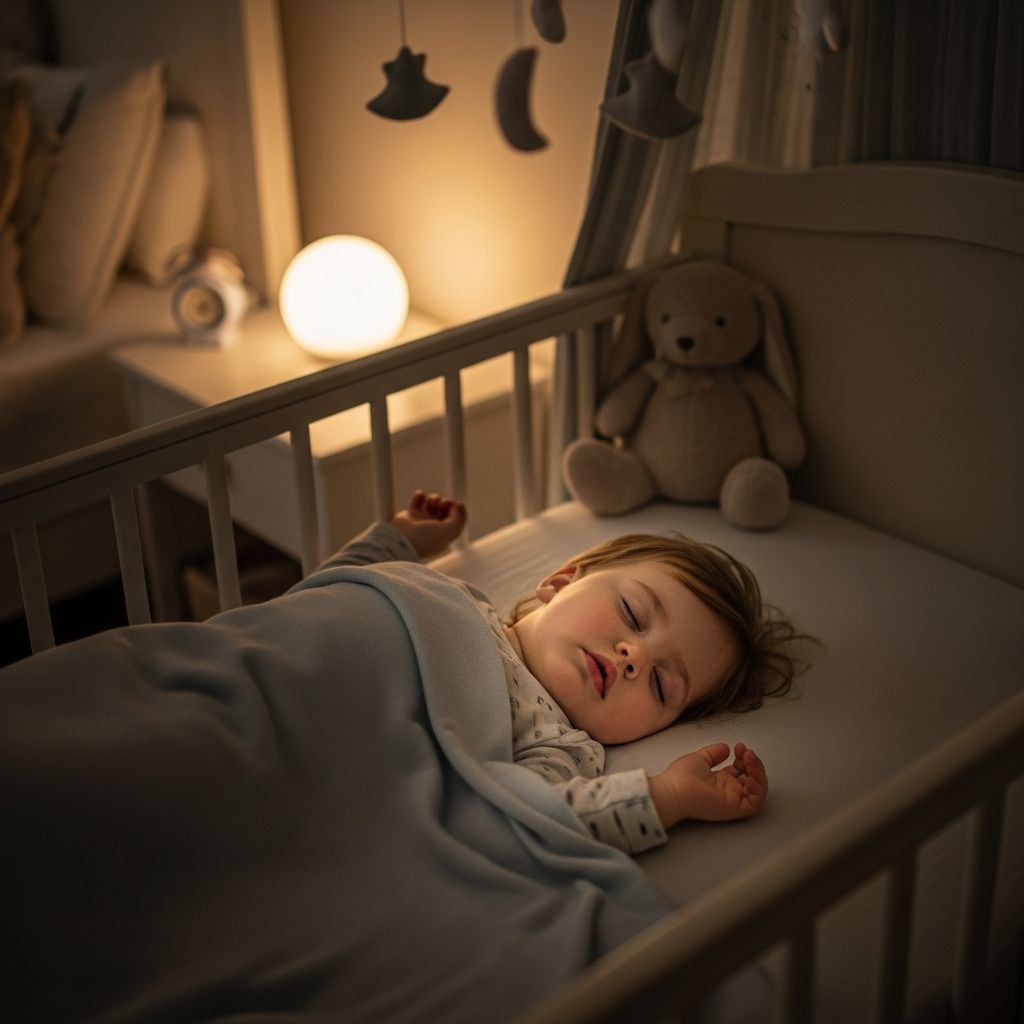
Getting a toddler to settle down for the night can feel like an endless battle, but with the right approaches, you can transform chaotic bedtimes into smooth, restorative routines. Toddlers between ages 1 and 3 often need 11-14 hours of sleep per day, yet many resist due to separation anxiety, overstimulation, or inconsistent habits. This guide draws from pediatric recommendations to equip you with practical, evidence-based tools for better sleep—for your child and the whole family.
Understanding Why Toddlers Fight Sleep
Toddlers’ sleep challenges stem from developmental leaps, like growing independence or teething, combined with environmental factors. Overtiredness paradoxically makes falling asleep harder, as high cortisol levels keep their systems revved up. Common culprits include irregular schedules, screen exposure, or naps that run too late. Recognizing these triggers is the first step; for instance, if your little one takes over an hour to wind down, they might need more structured awake time during the day.
Key Factors Disrupting Toddler Sleep
- Schedule Imbalances: Too little or too much daytime sleep throws off nighttime rhythms.
- Sensory Overload: Bright lights, noise, or caffeine from snacks hinder melatonin production.
- Emotional Needs: Fears of the dark or missing out on family time fuel resistance.
- Habits: Pacifiers or co-sleeping can create dependencies that prolong settling.
Addressing these holistically leads to quicker, deeper sleep cycles. Pediatric experts emphasize consistency over perfection—small changes yield big results over weeks.
Building a Rock-Solid Bedtime Routine
A predictable sequence signals to your toddler’s brain that rest is near, reducing resistance by up to 50% in some studies. Aim for 30-45 minutes of calming activities starting 1-2 hours before lights out. Keep it simple and in the same order nightly to build security.
| Step | Duration | Purpose |
|---|---|---|
| Warm Bath | 10 mins | Raises then drops body temperature for drowsiness. |
| Pajama & Teeth Time | 5 mins | Offers choices to foster independence. |
| Story & Cuddles | 15 mins | Low-stimulation bonding releases oxytocin. |
| Lights Out Ritual | 5 mins | Tuck-in with lovey and goodnight phrase. |
Pro Tip: Dim lights during the routine to boost natural melatonin. Avoid screens at least 60 minutes prior, as blue light suppresses sleep hormones. If battles arise, offer two choices—like ‘blue PJs or green?’—to empower without overwhelming.
Optimizing the Sleep Environment for Success
A toddler’s room should mimic a sleep cave: dark, cool, and quiet. Ideal temperature is 65-70°F (18-21°C), promoting uninterrupted REM cycles. Blackout curtains block streetlights, while white noise machines mask household sounds, helping 70% of toddlers fall asleep faster.
Sleep Space Checklist
- Darkness: Blackout shades or eye masks for light-sensitive kids.
- Sound Control: White noise or fan for consistent background hum.
- Comfort: Firm mattress, breathable sheets; consider weighted blankets (under 10% body weight) for calming pressure.
- Safety: No loose bedding or toys; lovey only if age-appropriate (post-12 months).
- Nightlight: Soft red glow if fears persist, avoiding blue tones.
Reserve the bed for sleep alone—no play or snacks—to condition it as a rest zone. Test adjustments gradually; track sleep logs to measure improvements.
Gentle Sleep Training Techniques That Work
Gradual methods like chair fading build independence without tears. Start beside the bed, offering hand-holding, then inch away nightly until you’re out the door. Consistency is key—expect 1-3 weeks for habits to stick.
- Pre-Bed Check-In: Rule out hunger, diaper needs, or illness.
- Calm Exit: Say ‘Night-night, see you in the morning’ firmly.
- Night Wakings: Brief reassurance (1-2 mins), then leave; repeat as needed.
- Progress Tracking: Reward sticker charts for dry nights or self-settling.
For pacifier weaning (12+ months), phase out daytime first, then introduce a stuffed animal. Cognitive behavioral techniques, like body scans via kid-friendly apps, reduce anxiety for older toddlers.
Daytime Habits That Boost Nighttime Sleep
Morning light exposure and 60 minutes of daily exercise regulate circadian rhythms. Cap naps at 2 hours, ending by 3 PM. Light, protein-rich snacks (yogurt, banana) 1-2 hours pre-bed prevent hunger spikes without overload.
- Consistent wake-ups anchor the day.
- No caffeine or sugar post-noon.
- Outdoor play tires bodies naturally.
Steer clear of vigorous activity 3 hours before bed, as it elevates heart rates.
Handling Common Toddler Sleep Roadblocks
Bedtime stalling? Use visual timers or charts showing steps. Night terrors? Comfort without full wake-up; maintain schedule. Teething? Chill teething rings aid, but stick to routine.
| Issue | Solution | Timeline |
|---|---|---|
| Separation Anxiety | Lovey + gradual fading | 2-4 weeks |
| Frequent Wakings | Quick checks, no play | 1-2 weeks |
| Overtired Resistance | Earlier bedtime | Immediate |
Frequently Asked Questions (FAQs)
What if my toddler won’t stay in bed?
Gently return them without engagement, repeating nightly. Use a gate if needed for safety. Consistency trains the habit.
Is a white noise machine safe all night?
Yes, at 50 decibels or below, placed 7 feet from the crib. It mimics womb sounds for comfort.
How do I transition from co-sleeping?
Start with floor mattress in your room, then move to theirs over weeks. Pair with lovey.
Can screens ever be part of bedtime?
No—avoid 1-2 hours prior. Opt for audio books instead.
What about naps dropping?
Many drop by 2.5-3 years; shift bedtime earlier if needed.
Mastering toddler sleep requires patience, but rewards include healthier days and recharged parents. Track progress weekly and consult your pediatrician for persistent issues.
References
- How to Help Your Toddler Get to Sleep and Stay Asleep — Metro Pediatrics. 2023. https://www.metropediatrics.com/pediatric-blog/how-to-help-your-toddler-sleep/
- How to Get Kids to Fall (and Stay) Asleep — Children’s Hospital Colorado. 2024. https://www.childrenscolorado.org/just-ask-childrens/articles/get-kids-fall-asleep/
- How to Help Kids Who Have Trouble Sleeping — Child Mind Institute. 2023-10-01. https://childmind.org/article/how-to-help-kids-sleep/
- Why is my toddler taking so long to fall asleep? 7 causes and solutions — Huckleberry. 2024. https://huckleberrycare.com/blog/why-is-my-toddler-taking-so-long-to-fall-asleep-7-common-causes-and
- Childhood Insomnia and Sleep Problems — HelpGuide.org. 2025. https://www.helpguide.org/wellness/sleep/childhood-insomnia-and-sleep-problems
- Child sleep: Put preschool bedtime problems to rest — Mayo Clinic. 2024. https://www.mayoclinic.org/healthy-lifestyle/childrens-health/in-depth/child-sleep/art-20044338