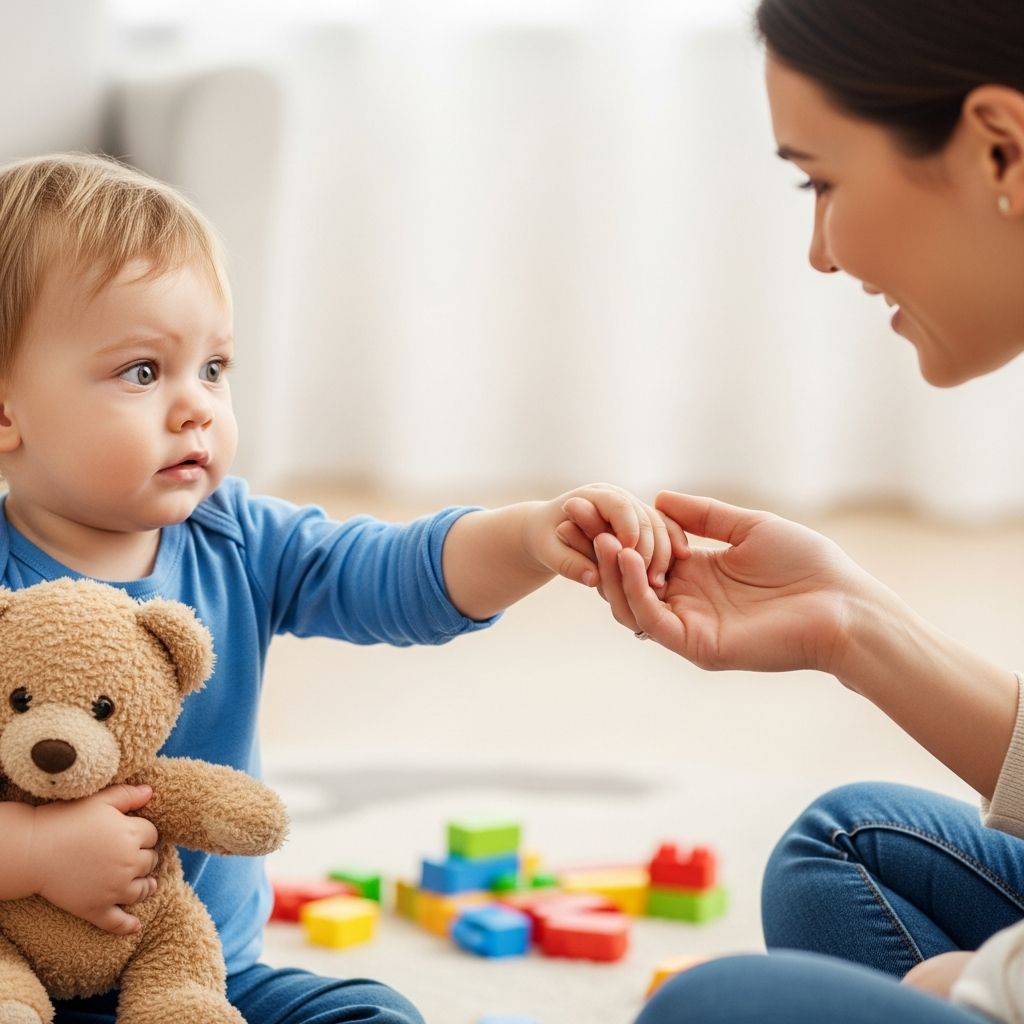
Understanding Why Toddlers Struggle with Goodbyes
It’s a familiar scene: your toddler clings to your leg, cries when you step into another room, or melts down at daycare drop-off. While these moments can feel overwhelming, they are usually a normal part of early childhood development. Separation anxiety typically emerges around 8–12 months and can peak between 18 months and 3 years, as toddlers begin to grasp that people and objects continue to exist even when out of sight (a concept known as object permanence).
At this stage, toddlers are still learning that separations are temporary and that caregivers reliably return. Their brains are wired to seek safety, and when a trusted adult leaves, their nervous system can interpret that as a threat. This doesn’t mean something is wrong; it means your child is developing normally and forming strong emotional attachments. The key is not to eliminate anxiety entirely, but to help your toddler feel safe, understood, and gradually more confident in your absence.
Recognizing Typical vs. Persistent Anxiety
Most toddlers experience some level of separation distress, especially in new or unfamiliar situations. Typical signs include:
- Crying or fussing when a parent leaves the room
- Wanting to be held or close to a caregiver in new environments
- Difficulty settling at bedtime if a parent isn’t nearby
- Waking at night and calling for a parent
These behaviors are usually short-lived and improve with consistency and reassurance. However, separation anxiety may become a more serious concern if it:
- Persists beyond age 3–4 and significantly interferes with daily routines
- Leads to frequent physical complaints (headaches, stomachaches) before or during separations
- Causes intense panic, refusal to attend daycare or preschool, or consistent nightmares about separation
- Interferes with the child’s ability to play, learn, or interact with others
If anxiety is severe, long-lasting, or accompanied by other emotional or behavioral concerns, it’s wise to consult a pediatrician or child mental health professional to rule out separation anxiety disorder or other underlying issues.
Building a Foundation of Security and Predictability
Children thrive on predictability. When separations are part of a consistent, predictable routine, toddlers are more likely to feel secure. Here’s how to create that foundation:
- Establish a regular daily rhythm: Consistent wake-up times, meals, play, and bedtime routines help toddlers feel grounded and reduce overall anxiety.
- Use simple, age-appropriate language: Explain what will happen in clear, concrete terms. For example, “After lunch, Mama will go to work. I’ll come back after nap time.”
- Keep transitions short and calm: Long, drawn-out goodbyes can increase anxiety. A brief, warm farewell with a clear promise of return is often more effective than lingering.
- Follow through on promises: If you say you’ll return after nap, do so. Reliability builds trust and helps your child internalize that separations are temporary.
Practical Strategies for Smoother Separations
When it’s time to leave—whether for work, errands, or a playdate—small, intentional steps can make a big difference in how your toddler copes.
1. Prepare in Advance
Give your toddler a heads-up about upcoming separations. For example:
- “In 10 minutes, we’ll say goodbye so I can go to the store.”
- “Tomorrow morning, you’ll go to daycare with Ms. Anna. I’ll come back after lunch.”
Use a visual schedule or simple picture cards if your child responds well to visuals. This helps them mentally prepare rather than being caught off guard.
2. Create a Consistent Goodbye Ritual
A short, predictable goodbye routine can provide comfort and reduce uncertainty. Examples include:
- A special hug and kiss
- A wave and a phrase like “See you soon!”
- A high-five or a silly handshake
Stick to the same ritual each time so your child knows what to expect. Avoid sneaking away, as this can increase anxiety and erode trust.
3. Offer a Transitional Object
A small, familiar item can serve as a tangible reminder of your presence. This might be:
- A favorite stuffed animal or blanket
- A family photo in a small frame
- A special “love note” or drawing from you
Encourage your child to keep this item nearby during separations, whether at daycare, with a babysitter, or at bedtime.
4. Practice Short Separations at Home
Gradual exposure helps build confidence. Start with very brief separations and slowly increase the duration:
- Step into another room for a minute, then return
- Ask a trusted caregiver to sit with your child while you go into the next room
- Practice short outings (e.g., a quick walk around the block) and return promptly
Always acknowledge your child’s feelings (“I see you’re sad I’m going”) and celebrate small successes (“You stayed with Grandma while I went to the kitchen!”).
5. Support the Caregiver Relationship
When your toddler is with another caregiver, their comfort level depends heavily on the relationship with that person. To strengthen this:
- Spend time together with the caregiver so your child sees them as safe and familiar
- Share information about your child’s routines, preferences, and comfort items
- Encourage the caregiver to use consistent, calm responses to distress
A warm, responsive caregiver can help your toddler feel secure even when you’re not present.
Helping Your Toddler Express and Manage Big Feelings
Separation anxiety is often rooted in big emotions that toddlers don’t yet have the words to express. Supporting emotional literacy can reduce the intensity of their reactions.
Label Emotions with Simple Language
When your child is upset, name what they might be feeling:
- “You’re sad because I’m leaving.”
- “You miss me when I’m not here.”
- “It’s hard to say goodbye, isn’t it?”
Validating their feelings doesn’t make the anxiety worse; it helps them feel understood and less alone.
Use Stories and Play
Books and pretend play are powerful tools for processing separation. Try:
- Reading stories about characters who say goodbye and reunite
- Playing “going to work” or “going to school” with dolls or stuffed animals
- Letting your child “practice” leaving and returning in play
Through play, toddlers can explore separation in a safe, controlled way and rehearse coping strategies.
Teach Simple Calming Techniques
Even young toddlers can begin to learn basic self-soothing strategies. Introduce these gently and consistently:
- Deep breathing: “Let’s take a big breath in… and blow it out like a birthday candle.”
- Comfort items: “Here’s your bunny to hold when you feel sad.”
- Calming routines: A short song, lullaby, or gentle rocking before separations
Over time, these tools can become part of your child’s internal toolkit for managing anxiety.
Supporting Sleep and Nighttime Separations
Nighttime is often when separation anxiety becomes most apparent. Toddlers may resist bedtime, wake frequently, or call out for a parent. To support more peaceful nights:
Establish a Calm, Predictable Bedtime Routine
A consistent sequence of activities signals that it’s time to wind down. A typical routine might include:
- Bath or wash-up
- Putting on pajamas
- Reading a book
- Singing a lullaby
- A brief cuddle and goodnight kiss
Keep the routine calm and low-stimulation, avoiding screens or overly exciting activities before bed.
Respond Consistently to Night Wakings
When your toddler wakes and calls for you:
- Respond calmly and briefly
- Reassure them that you’re nearby and they’re safe
- Use a consistent phrase like “It’s nighttime. Mama’s here. Time to rest.”
- Gradually reduce the length of your visits as they become more confident
Consistency helps your child learn that they can fall back asleep on their own, even when you’re not in the room.
When Separation Anxiety Feels Overwhelming
Supporting a highly anxious toddler can be emotionally and physically draining. It’s important to care for yourself so you can care for your child.
Manage Your Own Anxiety
Children are sensitive to their parents’ emotions. If you feel anxious about leaving, your toddler is likely to pick up on that. To stay calm:
- Practice deep breathing or mindfulness before separations
- Remind yourself that your child’s distress is temporary and developmentally normal
- Seek support from a partner, family member, or friend if you’re feeling overwhelmed
Set Gentle but Clear Boundaries
While empathy is essential, so is consistency. It’s okay to set limits, such as:
- “I know you want me to stay, but I need to go to work. I’ll come back after lunch.”
- “You can cry, but I still need to leave. I love you and I’ll see you soon.”
These boundaries aren’t harsh; they’re a form of emotional scaffolding that helps your child learn to tolerate discomfort.
Know When to Seek Professional Support
Most separation anxiety improves with time and consistent support. However, consider consulting a pediatrician or child mental health specialist if your child:
- Has intense panic attacks or extreme physical symptoms (vomiting, rapid breathing) with separations
- Consistently refuses to attend daycare, preschool, or other age-appropriate activities
- Has frequent nightmares about separation or shows signs of significant distress for weeks or months
- Shows signs of other emotional or behavioral concerns (e.g., extreme shyness, aggression, or withdrawal)
Early intervention can make a meaningful difference in helping your child build resilience and confidence.
FAQs About Toddler Separation Anxiety
At what age does separation anxiety usually start and end?
Separation anxiety commonly begins around 8–12 months as object permanence develops and typically peaks between 18 months and 3 years. For most children, it gradually improves by age 3–4, especially with consistent, supportive parenting.
Is it normal for my toddler to cry every time I leave the room?
Yes, it’s very common for toddlers to cry or protest when a parent leaves, especially in the second and third years. As long as the distress is short-lived and improves with reassurance, it’s usually a normal part of development.
Should I stay with my toddler at daycare until they stop crying?
Staying until they stop crying can actually prolong anxiety by reinforcing the idea that crying keeps you there. A brief, warm goodbye followed by a prompt departure is usually more effective. Caregivers can then comfort and distract your child once you’ve left.
How can I help my toddler feel safe with a babysitter?
Build familiarity by spending time together with the babysitter, maintain consistent routines, and provide a comfort item (like a favorite toy or blanket). Start with short visits and gradually increase the time apart as your child becomes more comfortable.
What if my toddler’s separation anxiety doesn’t seem to be improving?
If anxiety is severe, persistent, and interfering with daily life, it’s a good idea to consult a pediatrician or child mental health professional. They can assess whether your child might benefit from additional support or intervention.
Can separation anxiety affect sleep?
Yes, separation anxiety often shows up at bedtime or during the night. Toddlers may resist going to bed, wake frequently, or call out for a parent. A consistent bedtime routine and calm, predictable responses to night wakings can help reduce nighttime anxiety over time.
Are there any red flags that suggest separation anxiety disorder?
Red flags include intense, prolonged distress that interferes with daily functioning, frequent physical complaints (headaches, stomachaches) related to separation, refusal to attend school or daycare, and persistent nightmares about separation. If these patterns last for several weeks and don’t improve with typical strategies, professional evaluation is recommended.
References
- Age-by-age symptoms of separation anxiety and how to help kids — CHOC Children’s. Accessed 2025. https://health.choc.org/age-by-age-symptoms-of-separation-anxiety-disorder-and-how-to-help-your-child/
- Separation anxiety disorder – Symptoms and causes — Mayo Clinic. 2023. https://www.mayoclinic.org/diseases-conditions/separation-anxiety-disorder/symptoms-causes/syc-20377455
- Separation anxiety in babies — Cleveland Clinic. 2024. https://my.clevelandclinic.org/health/articles/separation-anxiety-in-babies
- Separation anxiety disorder in children — Stanford Children’s Health. 2024. https://www.stanfordchildrens.org/en/topic/default?id=separation-anxiety-disorder-in-children-90-P02582
- Anxiety and depression in children — Centers for Disease Control and Prevention (CDC). 2023. https://www.cdc.gov/children-mental-health/about/about-anxiety-and-depression-in-children.html