Life with a toddler can feel like riding a roller coaster: joyful, intense, noisy and often unpredictable. Yet beneath all that energy, most toddlers crave a steady rhythm to their day. A thoughtful routine does not mean rigid rules; it means creating a predictable flow that helps your child feel safe, cooperative and confident.
This guide walks you through how to design a daily routine that fits your unique family while honoring your toddler’s need for connection, play, rest and autonomy. You will find practical examples, gentle discipline ideas, and flexible schedules you can adapt rather than strict timetables you must follow.
Why Toddlers Flourish with Routine
For adults, variety often feels exciting, but for toddlers, predictability is deeply comforting. When children know roughly what happens next, their nervous system can relax, and their behavior often softens in response. A consistent rhythm also creates many small moments where your toddler can practice skills and independence.
- Safety and security: A predictable day helps your toddler feel that the world is understandable, which reduces anxiety and power struggles.
- Better behavior: When transitions are expected instead of sudden, toddlers are less likely to resort to meltdowns to express overwhelm.
- Skill building: Repeated routines (like getting dressed or cleaning up toys) become practice grounds for language, motor skills and self-care.
Think of your routine as a gentle promise: “You can count on what comes next.” This reliability often makes toddlers more willing to cooperate, not because they are controlled, but because they feel safe.
Routine vs. Schedule: What Really Matters?
Parents often hear they “must” follow a strict clock-based schedule. In reality, what most toddlers need is rhythm, not rigidity. A routine is about the repeated order of events, while a schedule focuses on exact times. You can keep the same sequence while allowing the clock to shift within reasonable ranges.
| Approach | What It Looks Like | Pros | Potential Pitfalls |
|---|---|---|---|
| Rhythm-based routine | Events follow a consistent order (wake, breakfast, play, snack, nap, etc.) but start times can flex slightly. | Supports security and predictability while respecting toddler needs, mood and real-life changes. | Requires parent awareness; without some anchors, the whole day can slowly drift later. |
| Strict schedule | Activities occur at fixed times, regardless of how the toddler feels or what is happening. | Can simplify planning, especially for childcare or work needs. | May create power struggles or stress if the child or day doesn’t fit the timetable. |
For many families, a hybrid approach works best: broad time windows (for example, lunch between 11:30 and 12:30) combined with a stable order of events.
Core Building Blocks of a Toddler Day
Before choosing specific times, it helps to think in terms of building blocks. Toddlers generally need the following elements every day, even if the exact times vary:
- Connection: One-on-one moments of warm attention (snuggles, eye contact, shared play).
- Movement: Active play indoors and outdoors to release energy and support development.
- Predictable care: Regular meals, snacks, naps and bedtime routines.
- Autonomy: Chances to make safe choices and try tasks independently.
- Quiet time: Short pauses in the day for rest, reading or calm activities.
As you design your routine, make sure each of these shows up multiple times. A calm bedtime, for instance, usually goes more smoothly when connection, movement and food needs have been met earlier in the day.
Designing a Morning That Starts Gently
Mornings often set the emotional tone for the day. Instead of rushing instantly into tasks, consider the first 10–15 minutes as connection time. A small investment of warmth early on often reduces resistance later when you need cooperation.
Sample Morning Flow
The times below are only examples; focus on the sequence rather than the clock.
- Wake and reconnect: Snuggle, sing softly, or describe the day in simple words (“First we’ll have breakfast, then we’ll go outside”).
- Toilet/diaper and getting dressed: Offer small choices, such as which shirt or which socks, to invite cooperation.
- Breakfast: Sit together whenever possible, even if you just drink tea or coffee, to model shared mealtime.
- Short play or movement: A quick dance, jumping game, or reading corner before leaving the house helps your toddler regulate.
If your mornings are rushed due to work or school, look for one tiny ritual you can protect, such as a hug at the door or a goodbye song. Consistency matters more than length.
Anchoring the Day with Meals and Snacks
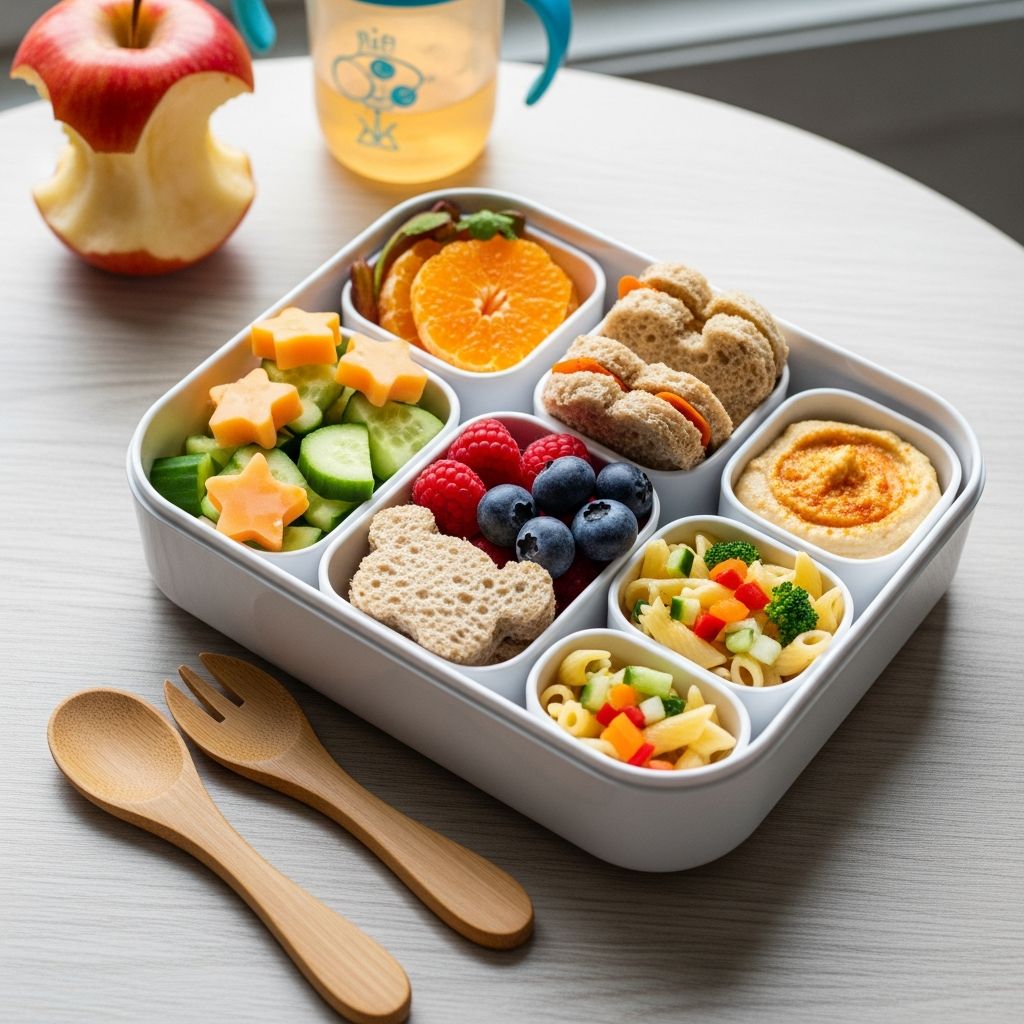
Food is one of the best anchors for a toddler routine. Toddlers generally feel and behave better when they eat regularly, rather than grazing constantly or going long stretches without nourishment.
- Offer 3 main meals and 1–2 snacks around the same times most days.
- Link eating to other predictable events, such as outdoor play before lunch or quiet reading after snack.
- Use mealtimes for conversation and connection, not battles over bites.
When toddlers know roughly when the next snack is coming, they may be less inclined to demand food all day long, and their energy levels often even out.
Naps, Rest and the Power of Quiet Time
Toddlers vary widely in how much sleep they need, but most benefit from at least one daily nap or, for older toddlers, a dedicated quiet time. Skipping rest repeatedly can lead to late-day chaos and bedtime struggles.
Creating Rest Routines
- Use a short, predictable pre-nap ritual: bathroom, book, cuddle, song.
- Dim lights and reduce noise 10–15 minutes before rest time to cue the body.
- For non-nappers, offer quiet play with books, soft toys or simple puzzles in a cozy spot.
Treat quiet time as a non-negotiable pause rather than a punishment. You are not forcing sleep; you are offering the body and brain a daily chance to reset.
Balancing Structured Activities and Free Play
Many caregivers worry they must constantly entertain their toddler with elaborate activities. In truth, toddlers learn best through simple, child-led play, sprinkled with a few predictable structured moments.
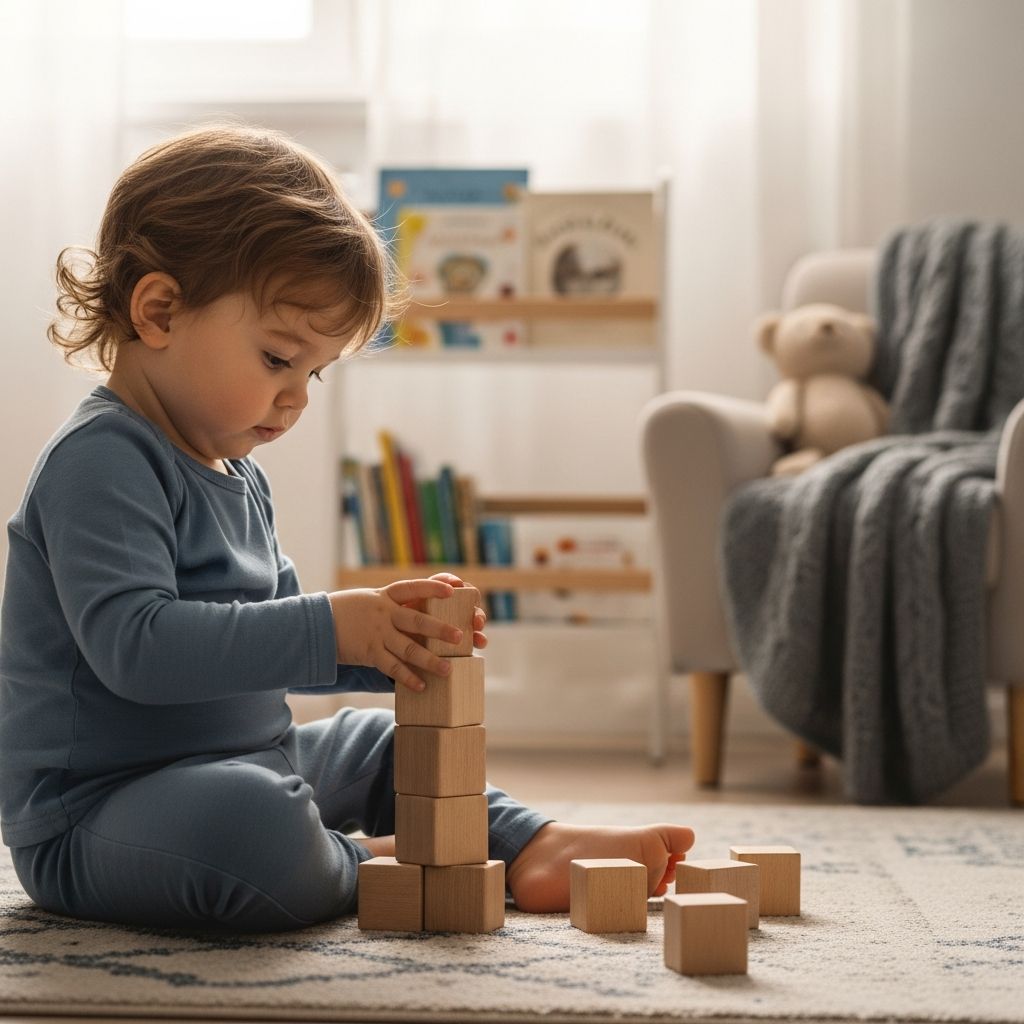
- Free play: Open-ended time with blocks, pretend kitchen items, cars, dolls, or outdoor exploration.
- Light structure: Short, repeated rituals like a daily story circle, a short craft, or a predictable outing.
- Household involvement: Inviting toddlers to help with safe chores (putting laundry in a basket, wiping a low table) both occupies and teaches.
Rather than filling the day with back-to-back activities, aim to alternate higher-energy play with calmer moments so your toddler does not become overstimulated.
Making Transitions Easier and Kinder
Much of toddler resistance shows up at transitions: leaving the playground, turning off a screen, getting into the car, or stopping a game for dinner. Building transitions into your routine can dramatically ease these difficult moments.
Practical Transition Tools
- Warm warnings: Give simple time cues such as “A few more minutes, then we go inside” and follow through gently.
- Rituals between activities: A special song, a race to the door, or a goodbye phrase to toys (“See you later, blocks!”).
- Visual aids: Use pictures showing the order of events so your toddler can “see” what is coming.
The goal is not to eliminate all protest – toddlers will still have feelings. A clear, kind routine simply means they are less blindsided by change.
Evening Wind-Down and Bedtime Rituals
Evenings are where a calm routine pays off most clearly. As the day draws to a close, your toddler’s system is often tired but wired. A consistent sequence leading to sleep helps the body learn to relax at roughly the same time each night.
Elements of a Soothing Bedtime
- Predictable order: Dinner, bath or wash-up, pajamas, toothbrushing, story, cuddle, lights out.
- Reduced stimulation: Lower lights, quiet voices and minimal screens for at least 30–60 minutes before sleep.
- Connection first: Use bedtime stories and snuggles to refill your toddler’s emotional tank after a long day.
Over time, even small cues (the same song, the same phrase, the same order) act like switches that tell the brain it is safe to drift toward sleep.
Sample Daily Rhythms by Age
Every child and family is different, but seeing a few example flows can spark ideas. These are not prescriptions; they are starting points to adapt.
| Age | Morning | Midday | Afternoon | Evening |
|---|---|---|---|---|
| 12–24 months | Wake, cuddle, breakfast, short play or walk. | Snack, nap, lunch. | Outdoor play, snack, free play indoors. | Dinner, bath, story, bedtime. |
| 24–36 months | Wake, connection ritual, breakfast, active play or outing. | Snack, quiet play, nap or rest, lunch. | Independent play, simple chores, outdoor time, snack. | Dinner, family time, bedtime routine, sleep. |
| 3+ years (dropping nap) | Wake, breakfast, learning game or preschool. | Snack, outdoor play, lunch, quiet time. | Playdate or creative project, snack, free play. | Dinner, wind-down, story, bedtime. |
Notice that the structure depends on repeating types of activities in a similar order, rather than rigid timing.
Involving Your Toddler in the Routine
Toddlers are more likely to cooperate with routines they feel part of, rather than ones that seem imposed on them. Even very young children can help shape the day in small, meaningful ways.
- Offer choices within structure: “It’s bath time. Do you want bubbles or no bubbles?”
- Use simple planning language: “After snack we go to the park, then we come home for dinner.”
- Invite participation: Let them move a picture on a chart when a routine step is finished.
When toddlers experience themselves as helpers rather than obstacles, routines become opportunities for confidence, not just obedience.
Handling Disruptions Without Losing Your Rhythm
No routine survives perfectly. Travel, illness, visitors or special events will sometimes turn the day upside down. The goal is not perfection but resilience: the ability to return to your usual rhythm once the disruption passes.
Strategies for Bumpy Days
- Protect key anchors: Even when everything else shifts, try to keep some consistency around wake time, rest time and bedtime.
- Communicate simply: Explain the change in toddler-friendly language (“Today is different; we are going on a trip”).
- Return to normal calmly: After a few wild days, gently guide the household back to your usual order.
Over time, a solid routine actually makes it easier for your toddler to cope when life does change, because they trust that normalcy will return.
Gentle Discipline Within Daily Routines
Routines are not just about logistics; they also carry your values about respect, cooperation and kindness. Gentle discipline sees misbehavior as communication. Your routine can be a powerful tool for teaching without shaming.
- Connect before you correct: When your toddler resists a step in the routine, pause to acknowledge feelings before redirecting.
- Use natural consequences: If toys are not put away, there may be less time to play later, explained calmly rather than as a threat.
- Model regulation: Your calm tone and steady routine help shape your child’s emerging self-control.
When limits are embedded in predictable routines, they often feel less arbitrary and more understandable to a young child.
Practical Tips for Starting or Changing a Routine
Whether you are building a routine from scratch or reshaping one that no longer works, small, consistent steps are more effective than sudden overhauls.
- Change one or two parts of the day at a time instead of everything at once.
- Introduce new steps with playful practice (pretend bedtime with a stuffed animal, for example).
- Expect some pushback at first; keep the new rhythm steady, warm and predictable.
Most toddlers need several days or weeks to settle into a new rhythm. During that time, extra patience and connection usually do more good than extra rules.
Frequently Asked Questions About Toddler Routines
How rigid should my toddler’s routine be?
A toddler routine works best when it offers structure without becoming inflexible. Aim for predictable sequences and broad time windows, but leave room to respond to your child’s hunger, fatigue and emotional needs on any given day. If the schedule becomes a source of stress, loosen your grip and focus again on rhythm over exact minutes.
What if my child resists every step of the routine?
Persistent resistance is often a signal that either the routine is too rushed, the child needs more connection, or one part of the day is poorly matched to their energy level. Try building in short moments of warm attention before tricky transitions, offering more choices within limits, and shifting the timing slightly to better align with your toddler’s natural rhythms.
Can I have different routines for weekdays and weekends?
Yes, but try to keep certain anchors similar, such as approximate wake times, nap or quiet periods, and bedtime. Large swings (for example, very late weekend bedtimes) can make Mondays harder. Think of weekends as looser versions of the weekday rhythm rather than completely different patterns.
How do routines work in shared or blended households?
When a toddler moves between two homes, it helps if the adults can agree on a few core routines – for example, similar bedtime sequences or mealtime expectations – even if the details differ. If that is not possible, focus on being very consistent within your own home so your child has at least one environment where the rhythm is steady and predictable.
Is it too late to start a routine with an older toddler?
It is never too late. Older toddlers may voice more opinions, but they also understand explanations better. Involve them in planning, use visual charts, and introduce the new rhythm step by step. With time and consistency, even previously chaotic days can become calmer and more cooperative.
Embracing a Calm, Flexible Rhythm
A thoughtful routine is less about controlling your toddler and more about creating a safe container for both of you. Within its gentle structure, there is plenty of space for laughter, spontaneity, and the small surprises that make childhood rich. By anchoring the day in repeated moments of connection, care and rest, you support your toddler’s emotional security and growing independence, while also making daily life more manageable and peaceful for the entire family.