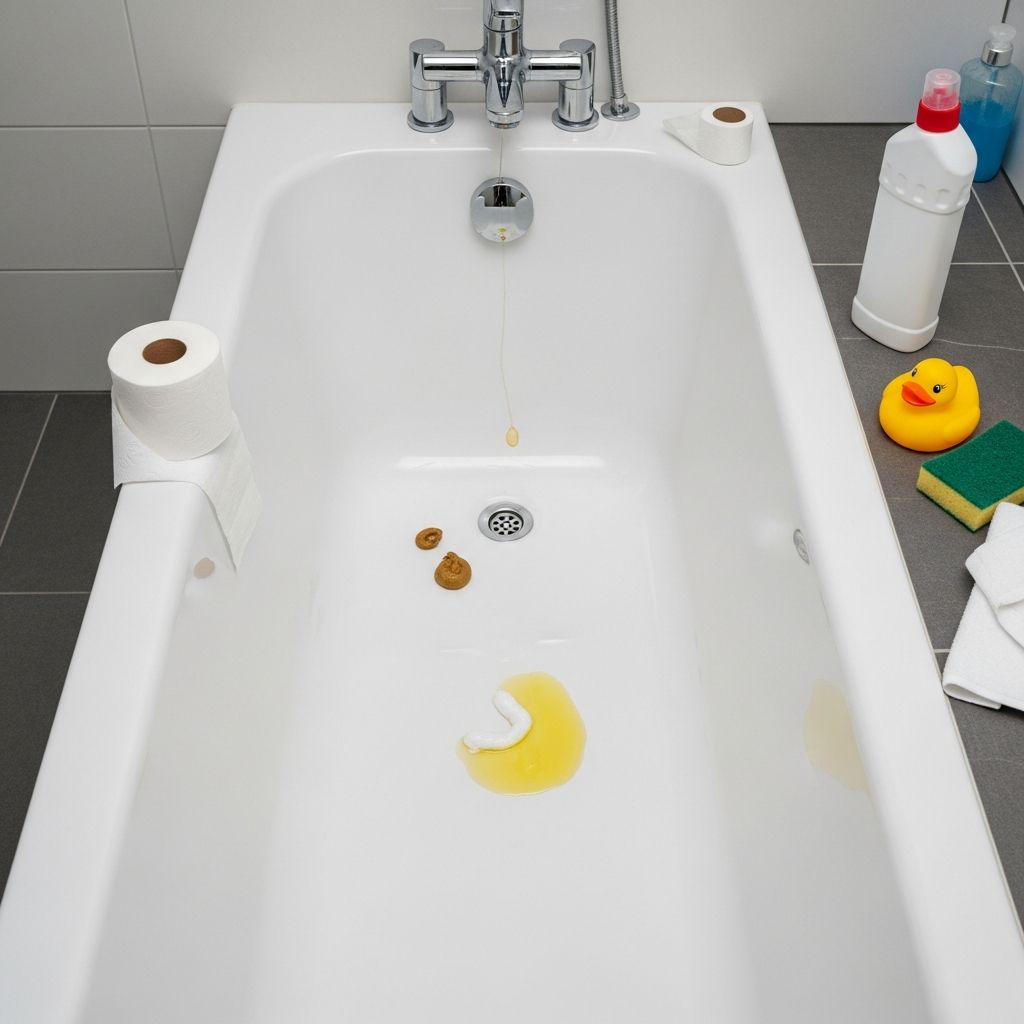
When bath time turns into an unexpected cleanup session, many parents face the common yet messy reality of toddlers pooping or peeing in the tub. These incidents are a normal part of early childhood development as children gain control over their bodily functions, typically between ages 2 and 3. Understanding why this happens and how to respond calmly can transform these moments from frustrating ordeals into opportunities for teaching hygiene and independence.
Understanding Why Toddlers Have Accidents During Baths
Toddlers often relax in warm water, which can trigger the urge to eliminate since the bath mimics the sensation of a diaper or toilet environment. The submersion in water loosens muscles, making it easier for pee or poop to escape without warning. This is especially true for children in the early stages of potty training, where bowel and bladder control is still developing.
Developmentally, the nerves controlling these functions mature around 18-24 months, but full mastery can take until age 4. Warm baths increase blood flow to the pelvic area, sometimes prompting involuntary release. Recognizing this as a physiological response rather than defiance helps parents stay patient.
Immediate Steps for Safe Cleanup After a Tub Incident
Act swiftly but calmly to maintain hygiene. First, safely remove your child from the tub without scolding, as negative reactions can create bath aversion. Use a towel to wrap them up and keep them warm.
- For pee: Drain the water partially and rinse the tub with hot water. Add fresh water for a quick rinse if needed.
- For poop: Use a slotted spoon or strainer to scoop out solid waste and flush it down the toilet. Avoid plunging hands directly into water.
Wear disposable gloves throughout. Wipe the child’s bottom gently with baby wipes or a soft cloth, then dress them. Disinfect the tub using a bleach solution (1 part bleach to 10 parts water) or a child-safe bathroom cleaner. Rinse thoroughly before future use. This prevents bacterial spread, crucial since bathwater can harbor pathogens like E. coli.
Choosing the Right Cleaning Supplies for Bath Accidents
Stock your bathroom with essentials for quick response:
| Item | Purpose | Why It Works |
|---|---|---|
| Disposable gloves | Protect hands | Barrier against germs |
| Slotted spoon or net | Scoop solids | Easy disposal without mess |
| Bleach or enzymatic cleaner | Disinfect tub | Kills bacteria effectively |
| Baby wipes | Clean child | Gentle on sensitive skin |
| Fresh towels | Dry and wrap | Prevents chilling |
Enzymatic cleaners break down organic matter better than regular soaps, ideal for lingering residues. Always test on a small area first to avoid damaging tub surfaces.
Preventing Future Tub Poop and Pee Surprises
Prevention starts with timing baths strategically. Schedule them right after potty attempts or meals, when elimination is less likely. Introduce a pre-bath potty routine: Have your child sit on the potty for 5 minutes before entering the tub.
Shorten bath times to 10-15 minutes to minimize relaxation-induced accidents. Use bath seats or rings that provide slight pressure on the abdomen, subtly reminding the body to hold. Encourage verbal cues like “Do you need to potty first?” to build awareness.
Linking Bath Time to Potty Training Success
Bath accidents offer a teaching window. After cleanup, demonstrate by dumping diaper contents (if applicable) into the toilet, explaining “Poop goes in the potty.” This visual aid reinforces the concept.
Integrate potty training methods suited to your child’s readiness. Signs include staying dry for two hours, interest in others’ bathroom habits, or discomfort with dirty diapers.
Popular Potty Training Approaches to Try
- Child-Led Method: Wait for readiness cues, then let the child initiate. Introduce potty sitting clothed, progressing to naked practice. Effective for sensitive kids, taking 1-6 months.
- 3-Day Intensive: Go diaper-free at home over a weekend. Frequent potty sits every 15-20 minutes, extra fluids, and praise for successes. Naked from waist down builds sensation awareness.
- Scheduled Sits: Every 30-60 minutes initially, increasing intervals. Great for routine-loving toddlers.
- Bare-Bottom Technique: For 30+ month olds, allow pants-free play near potty. Natural dislike of wetness motivates use.
Combine with rewards like stickers, avoiding food treats to prevent unhealthy associations. Consistency across caregivers is key.
Common Mistakes Parents Make and How to Avoid Them
Shouting or punishing creates fear, delaying training. Instead, use neutral language: “Oops, next time in the potty.” Overlooking readiness leads to resistance; assess with checklists like pulling pants down independently.
Pushing too fast causes regressions. If accidents persist post-training, revert to pull-ups briefly without shaming. Nighttime dryness lags daytime by months due to deep sleep.
Health Considerations for Frequent Bath Accidents
Rare but notable, persistent incidents might signal constipation (hard poops) or urinary issues. Softer stools from diet (prunes, pears) ease passage. Consult a pediatrician if accompanied by pain or blood.
Maintain hygiene to avoid infections; toddlers’ skin is prone to irritation from unclean water. Probiotics may aid gut health during training transitions.
Age-Specific Strategies for Different Toddler Stages
| Age Group | Key Challenges | Tailored Tips |
|---|---|---|
| 18-24 months | Limited control | Focus on exposure; potty play without pressure |
| 2-3 years | Building awareness | Routine sits + visual demos |
| 3+ years | Stubborn resistance | Bare-bottom + rewards |
Frequently Asked Questions (FAQs)
Is it safe to continue the bath after pee but not poop?
Yes for pee—rinse and refresh water. Skip for poop to avoid contamination.
How long until my child stops tub accidents?
With consistent training, most master it within weeks to months.
What if my child fears baths after an incident?
Rebuild with short, toy-filled baths and positive reinforcement.
Should I use bubble bath during training?
Avoid; bubbles irritate post-accident skin. Opt for plain water.
Can diet prevent poop in tub?
Fiber-rich foods promote regularity, reducing surprises.
Building Long-Term Bathroom Habits Beyond the Tub
Extend tub lessons to full independence. Portable potties in play areas remind kids anywhere is potty time. Track progress with charts for motivation. Celebrate milestones like dry baths or first unprompted use.
Parental modeling—narrate your own routines—normalizes the process. For travel, practice public restrooms early. Patience yields confident kids; accidents fade as skills solidify.
Embrace these phases; they’re stepping stones to self-reliance. With the right tools and mindset, bath time becomes a joy again.
References
- Potty training methods: Which is best for your child? — Huckleberry. 2023. https://huckleberrycare.com/blog/potty-training-methods-which-is-best-for-your-child
- Potty training techniques and methods — Parenting Science. 2021. https://parentingscience.com/potty-training-techniques/
- Potty Training 101: What Every Parent Needs to Know — Bebi Family. 2023. https://bebi.family/en/blog/potty-training-for-toddler-parents
- Five do’s and don’ts of potty training your toddler — UC Davis Health. 2024. https://health.ucdavis.edu/children/patient-education/potty-training-children
- Potty Training Methods: Which Is Best for Your Child? — Healthline. 2023. https://www.healthline.com/health/childrens-health/potty-training-methods
- Potty training — ERIC. 2023. https://eric.org.uk/potty-training/