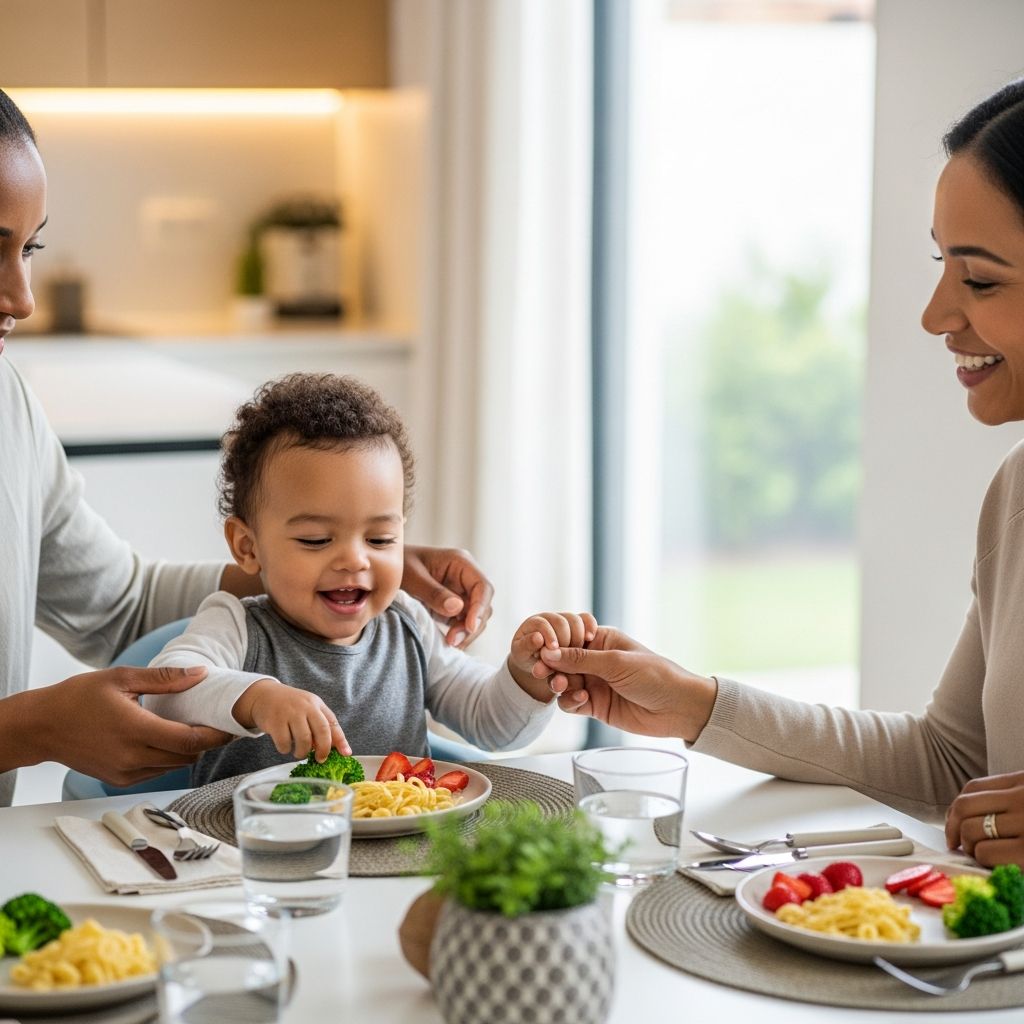
At around 2 years old, many toddlers begin asserting independence, often at the dinner table by rejecting foods or demanding specific items. This phase is normal and stems from developing tastes, small appetites, and a desire for control. Parents can navigate this by offering consistent, pressure-free opportunities to explore food, prioritizing family involvement and balanced nutrition without coercion.
Understanding Toddler Appetite and Selectivity
Toddlers’ eating patterns shift dramatically around age 2 due to slower growth rates, leading to reduced calorie needs compared to infancy. They may favor 1-2 foods for weeks, rejecting others despite previous enjoyment. This selectivity helps them test boundaries and refine preferences, but it worries parents about nutrition. Their small stomachs require frequent small meals and snacks rather than large portions, aligning with high activity levels throughout the day.
Daily intake varies; a toddler might eat heartily one day and minimally the next, self-regulating based on hunger cues. Forcing more disrupts this innate ability, potentially fostering overeating later. Common concerns include inadequate vegetable or protein consumption, but offering diverse options from core food groups allows natural balancing over time.
Establishing a Positive Mealtime Routine
Structure mealtimes to promote enjoyment and autonomy. Parents decide what and when food is served, while children choose if and how much to eat—a division of responsibility that reduces stress. Aim for 3 meals and 2-3 snacks daily, spaced to build appetite without grazing.
- Serve small portions initially: One tablespoon per year of age per food item, adding more if desired.
- Limit table time to 20 minutes; remove uneaten food calmly to signal meal’s end.
- Position snacks midway between meals with nutrient-dense choices like fruit or yogurt, avoiding juice to preserve hunger.
Family-style serving unites everyone around the same balanced meal, modeling variety without special preparations. Include at least one preferred item to encourage participation.
Practical Ways to Introduce New Foods
Patience is essential; toddlers may need 10+ exposures before accepting a food. Present new items alongside favorites in relaxed settings.
| Strategy | How to Implement | Benefits |
|---|---|---|
| Pairing Technique | Combine unfamiliar (e.g., broccoli) with liked flavors (e.g., cheese). | Eases acceptance of bitter/sour tastes common in veggies. |
| Food Bridging | Progress from accepted food (e.g., pumpkin) to similar ones (sweet potato, then carrot). | Expands palate gradually via familiar attributes. |
| Small Novel Introductions | Offer tiny amounts of new foods weekly, assuming positivity. | Minimizes waste, builds curiosity without pressure. |
Enhance appeal with herbs, spices, or creative arrangements. Finger foods cut into safe, bite-sized pieces suit self-feeding, reducing choking risks when supervised.
Making Meals Engaging and Fun
Transform eating into play to spark interest. Toddlers thrive on involvement, turning potential battles into bonding.
- Creative presentations: Shape foods into faces, animals, or colors for visual excitement.
- Dip delights: Pair veggies with yogurt or hummus—dips captivate this age group.
- Sensory exploration: Allow touching, smearing; expect mess as part of learning.
Minimize distractions like screens to focus on conversation and cues from others eating enjoyably.
Empowering Toddlers Through Involvement
Leverage their growing autonomy by including them in food decisions and prep, fostering ownership.
- Grocery trips: Let them select a fruit or veggie.
- Meal planning: Choose from 2-3 healthy options.
- Simple cooking: Supervised tasks like stirring, washing produce, or brushing oil.
This empowers without overwhelming, improving commitment to trying foods. Offer choices like “peas or carrots?” to avoid power struggles.
Drinks and Safety Essentials
Fluids impact appetite; prioritize water with limited milk (up to 500ml full-fat daily until age 2). Skip juice to prevent filling up on empty calories.
Choking prevention: Supervise seated eating, steam hard veggies, avoid nuts/popcorn.
Common Mistakes to Avoid
Steer clear of tactics backfiring into resistance or unhealthy associations.
- No bribes or punishments: Treats elevate junk foods; penalties breed aversion.
- Avoid pressure: No coaxing, threats, or plate-cleaning demands—overrides self-regulation.
- Skip separate meals: One family menu prevents entitlement.
- Limit emotional reactions: Stay neutral if food is refused; hunger motivates next time.
Store uneaten portions calmly for later, signaling availability without immediacy.
Building Long-Term Healthy Habits
Consistency yields results; most selectivity fades with age. Model diverse eating yourself, discuss non-food topics at meals, and celebrate efforts over quantities. Track weekly patterns rather than daily to ease concerns—variety evens out nutritionally.
Consult pediatricians if growth falters or refusal persists beyond typical phases, ruling out issues like allergies.
Frequently Asked Questions
What if my toddler skips a meal entirely?
That’s fine—offer the next planned snack or meal without extras. Hunger cues will guide intake.
How often should I offer rejected foods?
Repeatedly, up to 10+ times, in small amounts with favorites. Patience pays off.
Is it okay to use dessert as incentive?
No; it prioritizes sweets over nutrition. Focus on intrinsic enjoyment.
What snacks are best for building appetite?
Nutrient-rich like cheese, fruit, or veggies—timed midway, no juice.
How much milk is too much?
Cap at 500ml daily; excess curbs solids.
References
- 10 Tips for Parents of Picky Eaters — American Academy of Pediatrics, HealthyChildren.org. 2022-05-12. https://www.healthychildren.org/English/ages-stages/toddler/nutrition/Pages/Picky-Eaters.aspx
- Eating tips for young toddlers — Better Health Channel, State Government of Victoria. 2023-08-15. https://www.betterhealth.vic.gov.au/health/healthyliving/eating-tips-for-young-toddlers
- The ‘picky eater’: The toddler or preschooler who does not eat — Paediatrics & Child Health, PMC. 2012-10-01. https://pmc.ncbi.nlm.nih.gov/articles/PMC3474391/
- How to Use Conscious Discipline Skills During Meal Times — Conscious Discipline. 2021-11-03. https://consciousdiscipline.com/blog/how-to-use-conscious-discipline-skills-during-meal-times/
- Why Parents Shouldn’t Use Food as Reward or Punishment — University of Rochester Medical Center. 2024-02-20. https://www.urmc.rochester.edu/encyclopedia/content?ContentTypeID=160&ContentID=32