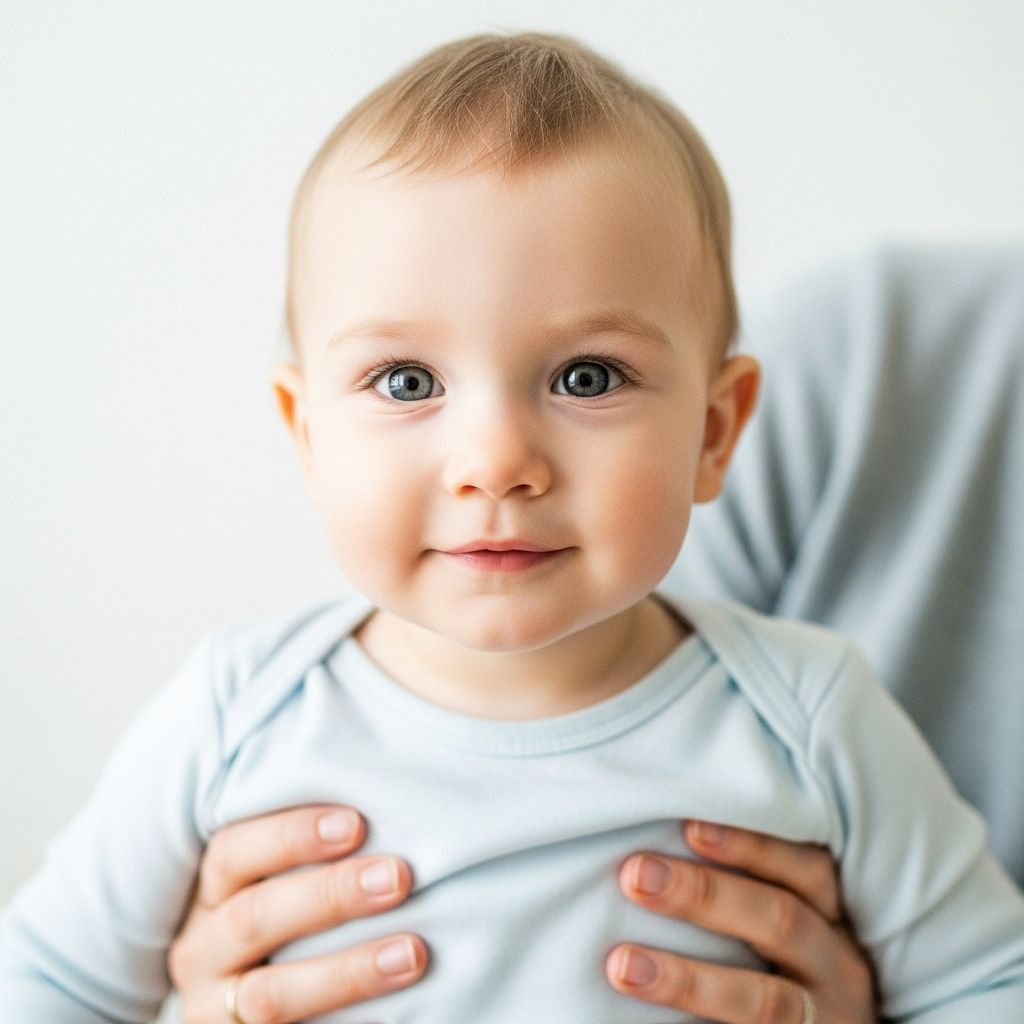
Getting a passport photo of a toddler can feel impossible. Between wiggling, blinking, and sudden meltdowns, that one small picture can quickly turn into a big headache for parents. This guide walks through practical toddler passport photo hacks that stay within official rules while making the process calmer, quicker, and more child-friendly.
Why Toddler Passport Photos Feel So Hard
Passport photos are designed for still, cooperative adults, not energetic toddlers who would rather run, squirm, or nap. Parents often underestimate how strict the photo rules are and how little patience young children have for bright lights and sitting still. Understanding these challenges up front helps you plan realistic strategies and choose the right hacks for your child.
- Toddlers have short attention spans and limited ability to follow detailed instructions.
- Most photo services must follow firm government standards and cannot “bend the rules,” even when a child is upset.
- Parents are usually working against a deadline for travel, which can raise stress levels for everyone.
Basic Passport Photo Rules for Young Children
Before trying any clever hack, it is important to know what passport officials generally require. While exact rules can vary by country, most child and toddler passport photos must follow the same overall framework as adult photos, with some leniency around expression and eye contact for very young children.
| Requirement Type | Common Standard | Notes for Toddlers |
|---|---|---|
| Photo size | Usually 2 x 2 inches (or local equivalent) | Same as adults; check your country’s exact size. |
| Background | Plain white or very light, no patterns or shadows | Blank wall, sheet, or poster board works well at home. |
| Pose | Full face, straight on, centered in frame | Child should not be tilted or leaning at an angle. |
| Expression | Neutral or natural; no exaggerated smiles | Some authorities allow small, relaxed smiles for kids. |
| Eyes | Open and visible | Infants may be allowed partially closed eyes; toddlers generally should have both eyes open. |
| Objects | No toys, pacifiers, hands, or visible supports | Only the child’s face and shoulders should appear. |
| Head coverings | Usually banned unless for religious or medical reasons | Headbands, big bows, and hats are often not allowed. |
Always double-check your specific government’s passport agency website before taking photos. Requirements change over time and may differ across countries, so up-to-date guidance is essential for avoiding rejections.
Preparing Your Toddler Before the Photo
One of the best toddler passport photo hacks is preparation. A calm, fed, and well-rested child is far more likely to cooperate than one who is rushed or overtired. Treat the photo session like any other activity that needs gentle warm-up and realistic expectations.
- Time it wisely: Schedule the photo around your toddler’s natural rhythm. Aim for mid-morning or after a nap when they are generally content.
- Keep them comfortable: Choose lightweight, non-itchy clothing, and avoid bulky jackets that cause fidgeting or slouching.
- Practice at home: Turn looking at the camera into a game a few days beforehand so the real session feels familiar instead of intimidating.
Choosing Clothing and Background
Clothing and background can simplify the process significantly. Simple colors and contrast make it easier for the camera to capture a clear, compliant image. Overly bright patterns or accessories cause distractions and, in some cases, rule violations.
- Avoid white tops: Since the background is usually white or very light, a white shirt can cause your toddler’s body to blend into the background.
- Choose solid, medium-tone colors: Light blue, soft green, or gentle pastels often look good and help your toddler stand out without clashing.
- Skip accessories: Remove headbands, large bows, hats, and jewelry that might be disallowed or cast shadows on the face.
At home, a plain wall, a large sheet taped smoothly, or a foam board can provide an acceptable background. Make sure there are no visible edges, outlets, or picture frames behind your child.
Lighting and Camera Setup at Home
Good lighting is a powerful but often overlooked passport photo hack. Soft, even light prevents harsh shadows and reduces the chance that the photo will be rejected. Natural daylight coming from in front of your toddler usually works better than a direct flash from a camera or phone.
- Use indirect daylight: Position your toddler facing a bright window with curtains pulled just enough to soften the light.
- Avoid overhead shadows: Overhead lights can create dark areas under the eyes and chin; add a lamp or shift positions if needed.
- Hold the camera level: Keep the camera at eye level with the child, not pointing sharply downward or upward.
Most modern smartphones can capture a passport-quality image if they are held steady and used in good light. Resist the temptation to use heavy filters or editing; simple cropping and slight brightness adjustments are typically all that is acceptable.
Creative Support Hacks to Keep Toddlers Still
Because toddlers rarely sit still on command, parents often need creative ways to help them stay in position without breaking passport rules. The trick is to offer support that does not show in the final photo while keeping the child secure and comfortable.
- Use a high chair: Place the high chair in front of a plain background so your toddler is naturally more contained and upright.
- Try a stool or small chair: A short, stable seat gives many toddlers a sense of “big kid” responsibility and can increase cooperation.
- Support from behind: For younger toddlers, a caregiver can kneel behind the child out of frame, gently steadying their shoulders while keeping hands hidden.
Always check the test photos to make sure no hands, fingers, straps, or chair backs appear within the edges of the final image. If they do, reposition and retake rather than relying on heavy digital editing.
Attention-Grabbing Tricks That Still Follow the Rules
One of the most effective toddler passport photo hacks is to capture their natural gaze without letting them turn their head away from the camera. The goal is to grab attention just long enough for a clear shot without obstructing the face or breaking any object rules.
- Hold a toy behind the camera: Position a favorite (but small and non-reflective) toy just above or behind the camera so your toddler looks toward the lens, not off to the side.
- Use sounds, not snacks: Gentle noises, like soft clapping or a quiet rattle, can draw their gaze without introducing food into the shot.
- Limit screen distractions: A brief animation or sound on a device placed behind the camera can help, but avoid anything that makes them look down or sideways.
Take advantage of burst mode on your phone or camera if available. Multiple photos in quick succession dramatically increase the odds that at least one frame captures open eyes, a straight head, and a calm expression.
Common Mistakes That Lead to Rejection
Knowing what typically goes wrong with toddler passport photos can save both time and frustration. Small issues that are easy to overlook at home may cause delayed processing or outright denial once the passport office reviews the image.
- The background is not truly plain and includes patterns, furniture, or visible objects.
- Shadows fall across one side of the face or behind the head due to uneven lighting.
- The child is leaning, turning to the side, or looking off-camera instead of facing directly forward.
- Accessories, toys, or pacifiers appear in the frame.
- The face is too small, too large, or cut off after improper cropping.
Before printing or submitting the photo, compare it carefully with the current requirements from your passport authority’s website. Fixing issues at home is much easier than repeating the entire application process later.
When to Use a Professional Photo Service
Despite the best efforts and hacks, some families find that taking passport photos at home simply is not working. At that point, a professional service can be worth the cost, especially if time is short or if the toddler is particularly sensitive to new routines.
- Many pharmacies, photo studios, and shipping centers offer passport photo services that understand child-specific needs.
- Staff are usually trained to follow current government rules, reducing the risk of technical rejections.
- Some services will re-take photos free of charge if the first attempt does not meet requirements.
If you go to a professional location, bring snacks and quiet toys for before and after the session, but keep them out of your child’s hands during the actual pictures. Let the photographer know in advance that you are working with a toddler so they can adjust their timing and expectations.
Digital Editing: What Is and Is Not Allowed
Light editing is often acceptable for technical quality, but heavy changes are generally against passport rules. Over-editing can cause your photo to be rejected, even if everything else appears correct. The main principle is to keep your toddler’s natural appearance unchanged.
- Usually allowed: Cropping, minor brightness or contrast changes, and small color corrections.
- Usually not allowed: Retouching facial features, smoothing skin, altering hairlines, or removing and adding objects.
- Avoid filters: Filters that change color tones, add vignettes, or alter shadows can make the photo non-compliant.
When in doubt, keep the image as close as possible to how it looked straight from the camera, applying only minimal technical tweaks needed for clarity and exposure.
Quick Checklist Before You Print or Upload
Before finalizing your toddler’s passport photo, run through a quick checklist to confirm it meets common standards. A few careful minutes at this stage can save weeks of delay in processing.
- Is the background plain, light, and free of objects or patterns?
- Is your toddler facing forward with both eyes open and the full face visible?
- Is there no visible toy, pacifier, hat, hand, or support showing?
- Does the photo meet the exact size and cropping ratios for your country?
- Is the image sharp, in focus, and in color, without heavy filters?
Frequently Asked Questions About Toddler Passport Photos
Can my toddler smile in a passport photo?
Many authorities allow a slight, natural smile as long as the mouth is closed and the expression remains neutral. Extremely wide smiles or exaggerated faces can distort facial features and may not be accepted, so aim for a relaxed look rather than a big grin.
What if my toddler will not look at the camera?
Use attention-grabbing hacks like toys or gentle sounds held just behind the camera. If your child still refuses to face forward, take a break and try again later when they are calmer; forcing the process usually makes cooperation worse.
Can I hold my toddler during the photo?
In most cases, your body, hands, or arms cannot appear in the passport photo. If support is necessary, stand or kneel behind the child and stay completely out of the frame, or use a high chair or small seat that keeps them upright without visible straps or hands.
Are pacifiers, toys, or comfort items allowed?
Generally, no. Objects in front of the face or in the child’s hands can cause the photo to be rejected. Comfort items are helpful before and after the session, but should be removed for the actual picture.
How often do toddler passport photos need to be updated?
Passports have their own validity periods, but photos must usually reflect the child’s current appearance. If your toddler’s look changes significantly before the document expires, check with your passport authority to see whether a new application or updated photo is required.