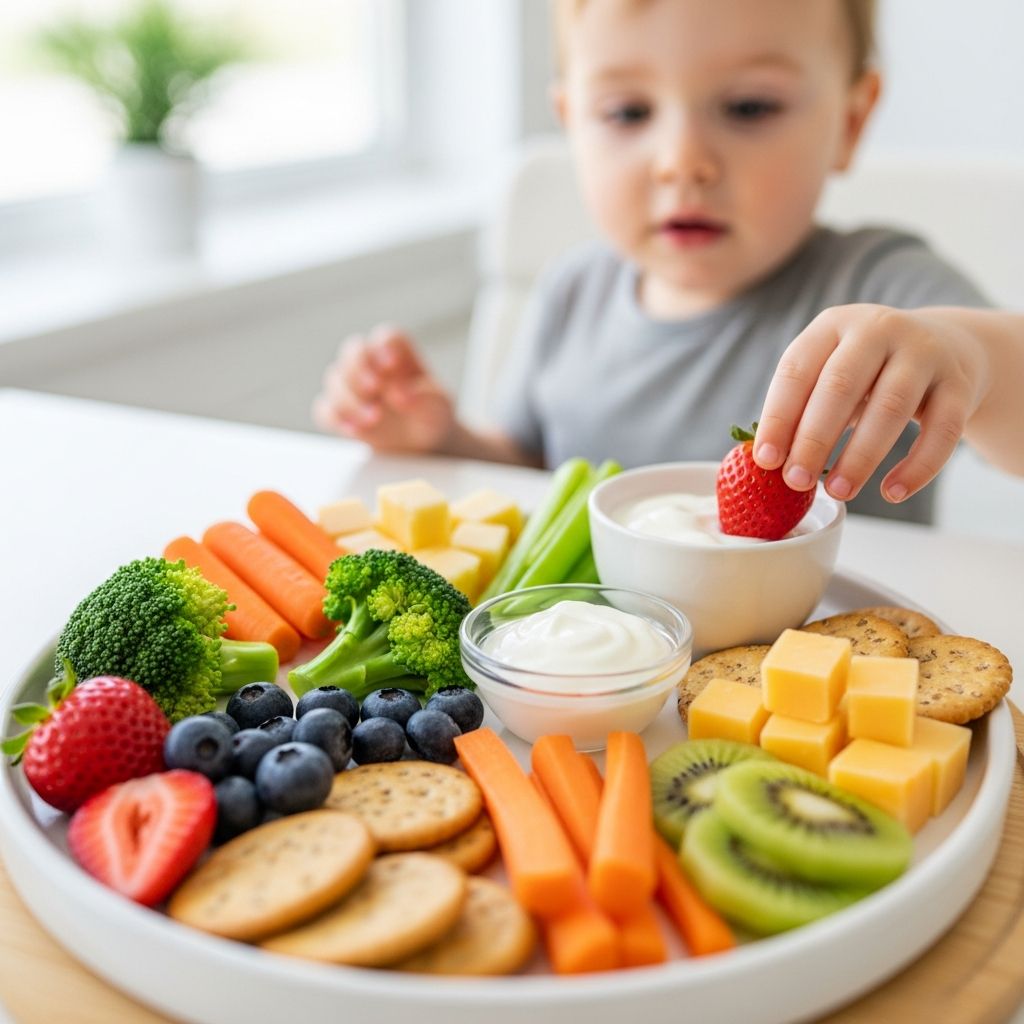
Feeding young children presents a unique set of challenges for parents and caregivers. As children transition from infancy to toddlerhood, their nutritional needs evolve, and their developing taste preferences begin to take shape. The key to establishing a foundation for lifelong healthy eating lies in making nutrition engaging, accessible, and developmentally appropriate. Modern approaches to child nutrition emphasize creativity, efficiency, and the integration of whole foods that support growth and cognitive development.
Understanding the Nutritional Foundation for Growing Children
Young children require a carefully balanced diet that supports rapid physical growth and brain development. During the toddler years, children need adequate protein for muscle development, healthy fats for neurological growth, complex carbohydrates for sustained energy, and micronutrients including iron, calcium, and vitamins A, C, and D. According to the National Institutes of Health, toddlers aged 1-3 years require approximately 1,000-1,400 calories daily, distributed across multiple meals and snacks to maintain stable blood sugar and energy levels.
The challenge many parents face is not simply providing nutrition, but doing so in ways that capture children’s interest and encourage self-feeding. When children are engaged in the eating process and enjoy the foods presented to them, they are more likely to develop positive relationships with nutrition that extend into adulthood.
Streamlining Meal Preparation Through Smart Planning
Efficient meal preparation begins with strategic planning that reduces daily cooking time while maintaining nutritional quality. Parents who batch-prepare components on designated days—such as roasting multiple vegetables, cooking grains in bulk, or preparing protein sources—can significantly reduce weekday stress.
Effective meal prep strategies include:
- Selecting vegetables that maintain texture when cooked in advance, such as sweet potatoes, carrots, and broccoli
- Preparing grain bases like quinoa, brown rice, or couscous that serve as foundations for multiple meals
- Cooking proteins in bulk forms that can be easily portioned and repurposed across different dishes
- Creating simple sauces or dressing combinations that add flavor variety without extensive cooking
- Establishing a rotation schedule that ensures meals feel diverse despite using similar base ingredients
This approach not only saves time but also ensures that parents can consistently offer wholesome options rather than defaulting to processed convenience foods during hectic periods.
Innovative Approaches to Incorporating Vegetables and Whole Foods
One of the most significant hurdles in toddler nutrition involves encouraging consumption of vegetables and whole foods. Research from pediatric nutrition specialists indicates that repeated exposure to a variety of flavors and textures significantly increases acceptance rates. Rather than relying on a single preparation method, varying how foods are presented—raw, cooked, pureed, or combined with other ingredients—helps children develop broader palates.
Creative integration techniques include:
- Combining finely minced vegetables with familiar grains or proteins in formats children already enjoy
- Using natural food colorants from beets, spinach, or sweet potatoes to create visually interesting presentations
- Blending vegetables into sauces, dips, or spreads that accompany preferred foods
- Involving children in age-appropriate food preparation to increase their investment in eating the finished product
- Presenting vegetables alongside dips or spreads that children can control themselves, promoting autonomy
The presentation of food plays a substantial role in toddler acceptance. Foods arranged in appealing patterns, offered in child-sized portions, or presented alongside familiar items tend to receive better responses than foods perceived as overwhelming or unfamiliar.
Building Balanced Snack Options for Active Toddlers
Snacks represent critical opportunities to boost nutritional intake during toddlerhood. Rather than viewing snacks as supplementary items, contemporary nutrition approaches recognize them as essential components of a child’s daily nutrition. Balanced snacks combine protein, healthy fats, and complex carbohydrates to provide sustained energy and support developmental milestones.
| Snack Category | Example Options | Nutritional Benefits |
|---|---|---|
| Protein-Based Snacks | Greek yogurt, cheese cubes, hummus with vegetables, hard-boiled eggs | Supports muscle development and sustained satiety |
| Fruit and Vegetable Snacks | Fresh berries, apple slices with nut butter, roasted veggie chips | Provides vitamins, minerals, and dietary fiber |
| Grain-Based Snacks | Whole grain crackers, oatmeal bites, whole wheat toast with toppings | Delivers complex carbohydrates and B vitamins |
| Combination Snacks | Trail mix with dried fruit and nuts, cheese with whole grain crackers | Provides balanced macronutrients for optimal energy and development |
Offering snacks at consistent times throughout the day helps regulate appetite, prevents excessive hunger-driven overeating, and supports cognitive function during learning and play periods.
Addressing Common Feeding Challenges and Preferences
Many parents encounter resistance when introducing new foods or attempting to expand their child’s diet. Developmental stage plays a significant role in these behaviors. Toddlers typically experience increased food selectivity between ages 18 months and 3 years, a phase sometimes termed “neophobia” or fear of new foods. Understanding that this represents a normal developmental stage rather than a permanent dietary limitation helps parents approach feeding with appropriate expectations.
Strategies for navigating selective eating include:
- Maintaining a “division of responsibility” where parents decide what foods are available and when, while children decide whether and how much to eat
- Consistently offering rejected foods alongside preferred items without pressure, as familiarity increases acceptance
- Preparing foods in multiple formats to accommodate changing preferences and texture sensitivities
- Modeling enthusiastic consumption of varied foods to normalize dietary diversity
- Avoiding power struggles or reward systems that create negative associations with nutrition
Patience and consistency represent the most powerful tools in addressing feeding challenges. Research indicates that children may require 10-15 exposures to a new food before accepting it, making sustained, pressure-free presentation essential.
Practical Techniques for Independent and Exploratory Eating
Self-feeding represents a crucial developmental milestone that also supports nutritional intake and independence. When toddlers participate actively in eating—whether through finger foods, utensil use, or selecting from presented options—they develop greater acceptance of foods and more robust self-regulation of hunger and fullness cues.
Foods that naturally support self-feeding include soft fruits, steamed vegetables cut into appropriate sizes, protein sources that hold together well, and breads or grains that toddlers can grasp independently. Offering a combination of hand-held and utensil-requiring foods accommodates developing motor skills while encouraging practice and confidence building.
Setting up eating environments that facilitate independence—such as using appropriately sized tables and chairs, offering child-friendly utensils, and providing foods positioned for easy self-service—communicates to children that their participation matters and builds positive associations with mealtimes.
Hydration and Its Role in Child Development
Proper hydration supports every system in the developing child’s body, from cognitive function to physical performance. Young children’s higher metabolic rates and smaller body reserves make adequate fluid intake particularly important. Water should comprise the primary beverage, with limited milk consumption and minimal introduction of sweetened beverages.
Making hydration appealing involves offering water consistently throughout the day, allowing children to access cups at their height, and modeling water consumption yourself. Using colorful, child-friendly cups or offering water in varied temperatures and formats can increase consumption when children resist drinking plain water.
Creating Positive Mealtime Rituals and Family Connections
Beyond nutritional content, mealtimes serve important social and emotional functions in child development. Regular family meals—even simple ones—provide opportunities for connection, communication, and modeling of healthy eating behaviors. These moments need not be complicated or time-intensive; the consistency and emotional quality matter more than culinary sophistication.
Establishing simple mealtime rituals helps children anticipate and look forward to eating occasions. Such rituals might include a brief gratitude practice, involving children in setting the table, or designating mealtimes as device-free periods focused on connection. These practices create positive neural associations with eating and family time that extend throughout life.
Safety Considerations in Toddler Nutrition
While expanding children’s food repertoires, safety remains paramount. Certain foods present choking hazards for young children and require modification or postponement until children demonstrate sufficient chewing and swallowing maturity. Additionally, introducing potential allergens—following current guidance that earlier introduction may reduce allergy development risk—requires careful monitoring and medical guidance when family history suggests increased risk.
Proper food storage, handling practices, and awareness of contamination risks protect developing immune systems from foodborne pathogens. Teaching children basic food safety practices from an early age establishes habits that support lifelong health.
Nutritional Support for Developmental Milestones
Different developmental stages require nutritional emphasis on specific micronutrients and macronutrients. Iron becomes particularly important as toddlers transition to table foods, calcium supports rapid bone development, and omega-3 fatty acids contribute to neurological development. Offering foods rich in these nutrients—such as red meat, fortified cereals, leafy greens, dairy products, fish, and seeds—ensures comprehensive nutritional support for each developmental phase.
Frequently Asked Questions About Toddler Nutrition
How often should toddlers eat during the day?
Toddlers typically benefit from three meals and two to three snacks daily, distributed across waking hours to maintain stable energy and mood while supporting adequate caloric intake for growth and activity.
What should I do if my toddler refuses entire food groups?
Continue offering refused foods without pressure, present them in different formats, involve your child in preparation, and consult with pediatric healthcare providers if nutritional concerns arise. Many refusals reflect developmental phases rather than permanent preferences.
Are supplemental vitamins necessary for toddlers?A: Most children consuming varied diets obtain necessary vitamins and minerals from food. However, certain populations may benefit from supplements including vitamin D, iron, or B12. Discuss individual needs with healthcare providers.
Q: How can I make mealtimes less stressful?
Prepare simple meals in advance when possible, maintain consistent meal and snack schedules, involve children in age-appropriate food preparation, and focus on connection rather than perfection during eating occasions.
What texture progression makes sense as toddlers grow?
Progression typically moves from pureed foods to mashed foods with soft lumps, then to soft finger foods, and finally to modified table foods. Individual readiness varies, so follow your child’s developmental cues and consult healthcare providers.
References
- Dietary Guidelines for Americans 2020-2025 — U.S. Department of Agriculture and Department of Health and Human Services. 2020. https://www.dietaryguidelines.gov/
- Recommended Dietary Allowances and Adequate Intakes — National Institutes of Health, Office of Dietary Supplements. 2024. https://ods.od.nih.gov/
- Prevention of Allergy, Asthma and Immunology (PAAAI) — American Academy of Pediatrics. 2023. https://www.healthychildren.org/
- Evidence on the Links Between Food Diversity, Diet Quality, and Child Development — UNICEF. 2023. https://www.unicef.org/nutrition/
- Toddler Nutrition: Supporting Healthy Development — Academy of Nutrition and Dietetics. 2024. https://www.eatright.org/