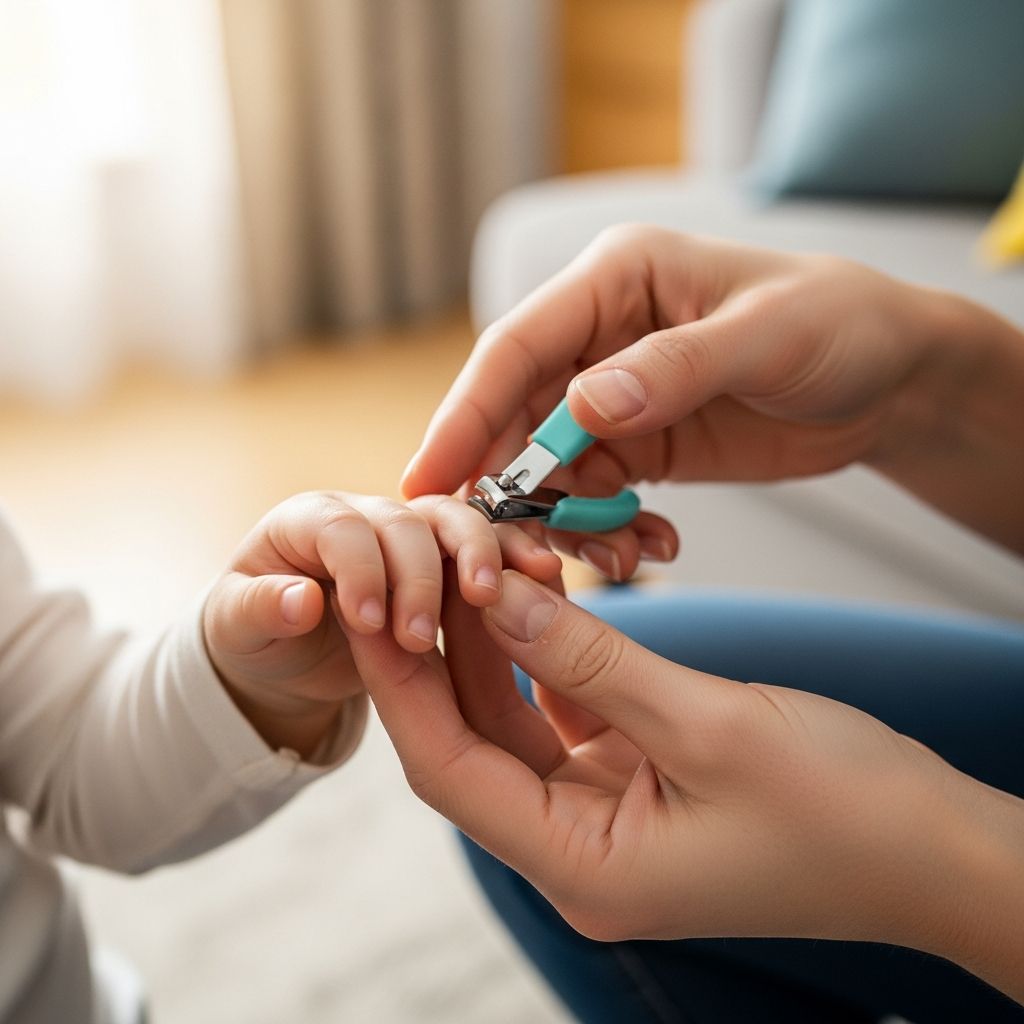
If nail trimming has turned into a wrestling match, you are far from alone. Many otherwise easygoing toddlers suddenly panic at the sight or sound of nail clippers, leaving parents torn between keeping their child safe and not wanting to traumatize them. This guide explains why this fear is so common and offers kind, practical strategies to keep nails trimmed without tears.
Why Nail Clipping Feels So Scary to Toddlers
For adults, nail trimming is routine and mildly boring; for toddlers, it can feel strange, invasive, and out of their control. Understanding what is happening from your child’s point of view is the first step to changing how you respond.
- Body boundaries are still developing. Toddlers are just beginning to understand their bodies as “theirs.” Seeing a piece of themselves cut off can seem like a loss, not a hygiene task.
- Strange sensations feel intense. The pressure of the clippers, the snapping sound, and the tug on the nail combine into an unfamiliar sensory experience that some children find overwhelming.
- Past pain leaves a big impression. Even a small accidental pinch or cut from the past may stick in a toddler’s memory and cause them to anticipate that every trim will hurt.
- Lack of control is frightening. Being held still, even gently, can trigger resistance because toddlers crave autonomy over their bodies.
When seen through this lens, a child who resists nail clipping is not being dramatic or defiant; they are protecting themselves from something they do not fully understand yet.
Common Signs Your Toddler Is Anxious About Nail Trims
Anxiety around grooming often appears in subtle ways before it becomes a full-blown meltdown. Recognizing early warning signs can help you adjust your approach before stress escalates.
- Running away or hiding when clippers appear.
- Pulling hands or feet back repeatedly.
- Crying, screaming, or shaking at the mention of “cutting nails.”
- Covering hands or feet, or tucking them under their body.
- Chewing or peeling nails themselves to avoid having an adult cut them.
These reactions can feel extreme to adults, but to your toddler they are a logical way to say, “I’m scared and I don’t feel safe.”
Setting Realistic Expectations for Progress
Before jumping into solutions, it helps to adjust expectations. Nail clipping fears often ease gradually, not overnight. A gentler mindset protects your relationship and reduces the pressure everyone feels.
- Think in weeks, not days. Aim for slow progress, like your child tolerating the clippers on the table, then on their hand, and only later actually clipping a nail.
- Measure tiny wins. A brief pause in screaming, one nail successfully trimmed, or even a calm conversation about nails all count as success.
- Accept some imperfect nails. Slightly long or uneven nails for a short period are often worth it if it means preserving your child’s trust.
When parents release the expectation of a quick fix, the atmosphere around grooming becomes calmer, which in turn helps children feel safer.
Core Principles for Handling Nail-Related Fears
Whatever specific strategies you use, grounding them in a few core principles will keep you on track and protect your child’s sense of security.
- Respect body autonomy. Treat nail care as something you do with your child, not to your child. Involve them in decisions whenever possible.
- Stay calm and predictable. A steady tone, simple explanations, and consistent routines reduce the fear of the unknown.
- Acknowledge the fear, don’t argue with it. Saying, “You feel scared of the clippers” is more effective than, “There’s nothing to be afraid of.”
- Avoid force when possible. Physically overpowering a child to trim their nails may work in the moment but can deepen fear and mistrust long term.
These principles help keep nail care aligned with the broader goal of raising a child who trusts you with their body and their feelings.
Preparing the Environment for Success
A peaceful environment can lower your child’s baseline anxiety even before you touch their hands or feet. Small shifts in where and how you trim nails can make the process feel less threatening.
- Choose a calm time of day. Avoid attempting nail trims when your child is hungry, tired, or overstimulated. After a snack or quiet play is often easier than right before bedtime.
- Use comfortable positions. Let your child sit on your lap, lean against a pillow, or rest in a favorite chair. Support their body so they do not feel wobbly.
- Keep the space simple. A clutter-free environment with soft lighting and minimal noise helps sensitive children feel secure.
Think of the nail-trim setting as a mini ritual space where your child feels physically and emotionally held.
Choosing Tools That Feel Safer
The type of nail tool you use can influence how intense the sensation is. Exploring different options gives your child more control and may reveal a combination that feels noticeably better.
| Tool | Main Benefit | Best For |
|---|---|---|
| Baby nail clippers | Smaller size, gentler pressure | Toddlers who fear big, heavy clippers |
| Nail scissors (rounded tips) | More control, less snapping sound | Children startled by the “click” of clippers |
| Emery board/nail file | No cutting sensation, just gentle friction | Kids who panic at any cutting but tolerate touch |
| Electric baby file | Continuous, predictable vibration | Children who like consistent sensory input |
Invite your toddler to explore the tools with their eyes and hands before using them. Let them hold the clippers, open and close them, or file a parent’s nail first so the tools feel less mysterious.
Desensitizing Your Toddler, One Tiny Step at a Time
Desensitization means slowly helping your child’s nervous system learn that nail care is safe. Instead of pushing for complete trims, break the process into bite-sized steps and move forward only when your child is coping well.
A gentle step-by-step path might look like this:
- Have nail tools visible on a shelf or counter during the week so your child sees them without any pressure to use them.
- Play pretend nail salon with dolls or stuffed animals, using a toy or real (but inactive) clipper just for fun.
- Invite your child to “help” trim an adult’s nails by holding the file or counting each nail.
- Lightly touch clippers or a file to your child’s hand or toe without cutting, then stop and praise their courage.
- Clip or file just one nail and take a break, increasing the number over time as their confidence grows.
The key is to move to the next step only when your child consistently tolerates the current step without major distress.
Using Play, Stories, and Imagination
Toddlers process the world through play. When you bring playfulness into nail care, you transform something scary into a story where they have more control and more fun.
- Give nails a silly role. Pretend the long nails are “scratching monsters” that need a haircut so they stop scratching friends or toys.
- Use a favorite character. Talk about how a beloved toy or TV character keeps their nails short so they can paint, draw, or play sports safely.
- Turn it into a counting game. Count each nail out loud, clap softly after each one, or let your child announce which number is next.
Play does not erase all fear, but it gives your toddler a way to approach the situation with curiosity instead of dread.
Offering Choices to Restore Control
A powerful way to reduce fear is to offer structured choices. You still ensure that nails eventually get trimmed, but your child regains a sense of ownership over what happens to their body.
- “Do you want to start with fingers or toes?”
- “Should we use the blue clippers or the small scissors?”
- “Do you want to sit on my lap or on the couch?”
- “Should we cut two nails today or three?”
Limit each question to two simple options so your toddler does not feel overwhelmed. Even small choices communicate: “Your voice matters here.”
Distraction and Comfort Without Bribery Battles
Distraction can be helpful when used thoughtfully, but relying on ever-bigger rewards or bribes often backfires. The goal is to support your child’s regulation, not to convince them their fear is invalid.
- Use sensory comfort. A favorite blanket, stuffed animal, or gentle back rub gives your child a physical anchor during the process.
- Offer a calm focus. A short song, quiet video, or picture book can occupy their attention without turning the moment into a high-stakes negotiation.
- Keep rewards simple and predictable. A small sticker or choosing the next activity can be a sweet ritual, but try not to escalate into large treats every time.
When comfort and connection are at the center, children often need fewer external rewards to cooperate.
Gentle Scripts to Validate and Guide
Knowing what to say in the moment can be just as important as knowing what to do. Simple, validating language tells your toddler that you hear their feelings and will keep them safe.
Here are some sample phrases you can adapt to your own voice:
- “You feel nervous about the clippers. I will go slowly.”
- “Your nails are getting very sharp. My job is to help keep your body safe.”
- “We will do two nails, then we stop and check in with your body.”
- “You can squeeze your bear while I trim. Bear is brave with you.”
Keep your tone steady and gentle, even if your child protests. The words matter, but your consistent presence matters even more.
When and How to Use Nail Trimming During Sleep
Some parents find that trimming nails while a child sleeps is the only way to keep everyone calm, at least for a while. This approach can be useful as a temporary bridge, but it has limits.
- Use only when necessary. Sleep trimming may help in urgent situations, like preventing serious scratching, but it should not fully replace daytime learning and desensitization.
- Stay gentle and brief. If your child startles or wakes distressed, stop rather than forcing the trim. Protecting their sense of safety during sleep is also important.
Think of sleep trimming as a safety tool, not a long-term strategy. The larger goal is to help your child feel safe with nail care while awake and aware.
Balancing Safety, Health, and Your Relationship
Sometimes nails truly need to be trimmed soon—if they are curling, causing cuts, or leading to frequent scratches. Parents then face a hard decision: how much upset is acceptable to prevent injury?
- Prioritize the most urgent areas. If your child scratches their face at night, focus on softening or trimming just those nails first.
- Use gradual shaping. In between full trims, gently file or round off sharp edges to reduce harm without a complete session.
- Protect your connection. If one trimming attempt becomes highly distressing, consider pausing and coming back another day rather than pushing through at all costs.
Children remember how adults respond when they are vulnerable. Protecting that trust may be more valuable than perfectly groomed nails for a short season.
When to Seek Extra Support
Most toddlers eventually outgrow intense nail fears with time, patience, and gentle practice. But sometimes, outside support can be helpful or even necessary.
- Your child shows extreme distress around many types of grooming, not just nails.
- Sensory reactions (to sounds, fabrics, touch, or textures) are strong and frequent in daily life.
- Nail care struggles are causing injury, infections, or serious family conflict.
In these cases, talking with your pediatrician and, if needed, an occupational therapist can provide tailored strategies that match your child’s sensory profile and developmental needs.
Frequently Asked Questions About Toddler Nail Fears
Is my toddler being manipulative by screaming during nail trims?
What looks like manipulation is usually self-protection. A toddler’s brain is still developing the ability to reason and regulate emotions, so they rely on big reactions to communicate discomfort and fear. Treat their protests as information, not misbehavior, and you will respond more effectively.
How often should I realistically trim my toddler’s nails?
Many toddlers need nail care about once a week, but when fear is strong, you may spread it out or do a few nails at a time instead of all at once. The priority is preventing harm from scratching or breakage while keeping experiences as calm as possible.
What if I accidentally hurt my child while clipping?
Even careful adults may occasionally clip too close or pinch skin. If that happens, stay calm, comfort your child, acknowledge that it hurt, and reassure them that you will be extra careful next time. Over time, repeated gentle experiences can replace that painful memory.
Should I use big rewards to get my child to cooperate?
Occasional small rewards can be fine, but relying on big bribes often increases anxiety and power struggles. Focus on connection, choice, and gradual exposure first; use simple, consistent rewards as a bonus rather than the main strategy.
Will this fear last forever?
For the vast majority of children, it will not. As toddlers grow, understand their bodies better, and gain language, they usually become more tolerant of grooming tasks. Patience, respect for their feelings, and steady routines create the conditions for that fear to fade.
Supporting Your Child and Yourself
Nail clipping fears test a parent’s patience and confidence, especially when every attempt ends in tears. Remember that your calm, compassionate presence is more powerful than any single technique. Treat nail care as one small chapter in your long relationship with your child, and allow both of you to learn and grow through it.
With time, gentle consistency, and a focus on trust, many families find that the dreaded nail clippers eventually become just another part of their routine—and sometimes even a chance for a few quiet, snuggly minutes together.