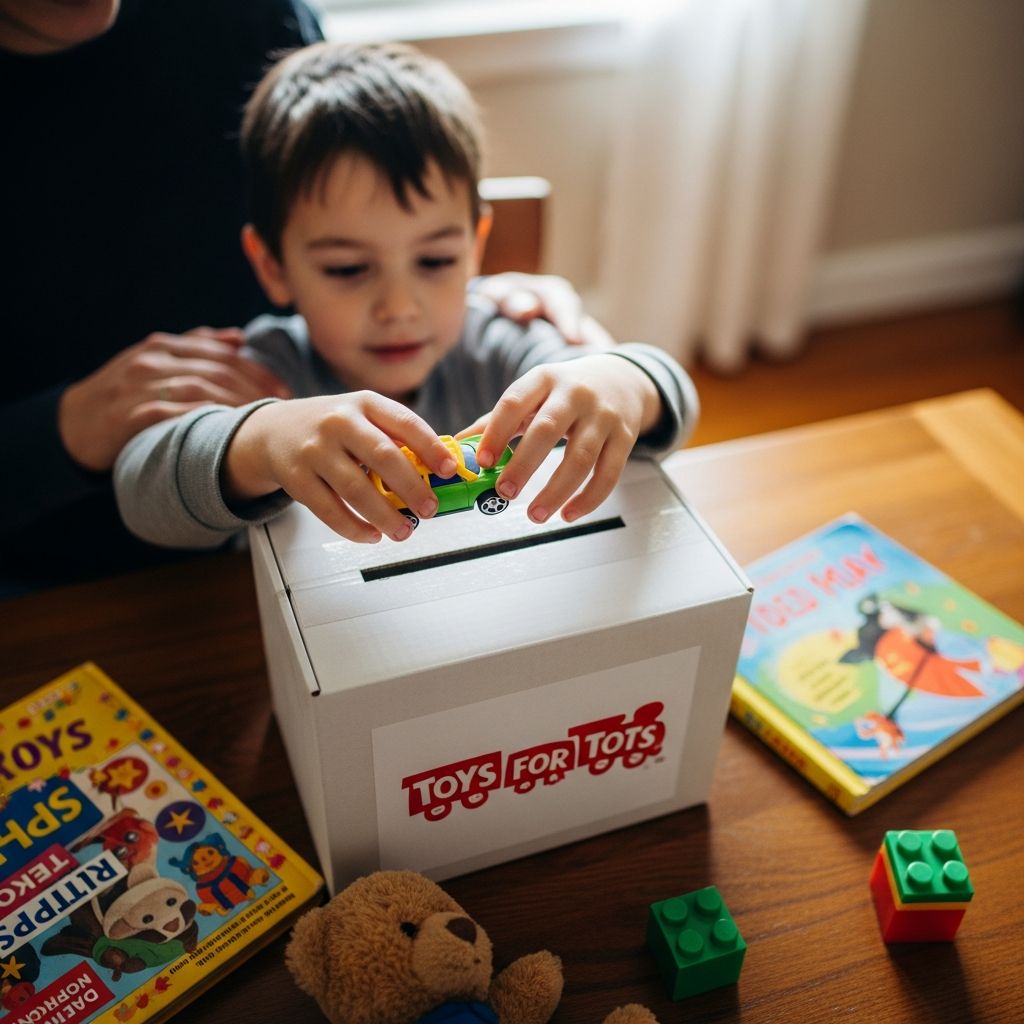
Between 16 and 24 months, toddlers experience a remarkable surge in language skills, often building a vocabulary of around 200 words by the end of this period. This phase marks the transition from single-word utterances to simple phrases, laying the foundation for complex communication.
Understanding the Language Explosion
The ‘vocabulary spurt’ or language explosion typically occurs around 18-24 months, where children rapidly acquire new words. Research shows toddlers understand far more words than they can express—up to five times more by age two. For instance, a child might comprehend 500 words while using only 200. This disparity highlights receptive language (understanding) developing ahead of expressive language (speaking).
Key drivers include brain maturation, increased social interaction, and environmental exposure. Toddlers mimic sounds, associate words with objects, and experiment with intonation to convey meaning.
Key Milestones from 16 to 18 Months
At this stage, toddlers refine early skills:
- Follow simple one-step instructions like ‘give me the ball’ without gestures.
- Recognize and point to familiar objects, body parts (e.g., ‘nose’, ‘eyes’).
- Use 10-20 meaningful words, including ‘mama’, ‘dada’, ‘no’, and object names like ‘car’ or ‘ball’.
- Babble with melodic intonation resembling real speech.
- Imitate animal sounds or familiar phrases.
By 18 months, expect phrases like ‘more milk’ and understanding of basic routines, such as dinnertime cues. Pronunciation may be unclear, which is normal.
Progression to 24 Months: Building Phrases
From 19-24 months, skills accelerate:
- Speak 50+ words, combining two words (e.g., ‘daddy gone’, ‘big truck’).
- Ask simple questions like ‘Where ball?’.
- Follow two-step directions: ‘Pick up the toy and bring it here’.
- Identify pictures in books and name common items.
- Use pronouns like ‘me’, ‘mine’, and assert ‘no’ emphatically.
| Age | Receptive (Understands) | Expressive (Says) |
|---|---|---|
| 16-18 Months | Common objects, body parts, 1-step instructions | 10-20 words, single words |
| 19-24 Months | Two-key-word instructions, action words | 50-200+ words, 2-word phrases |
This table summarizes growth, with variations normal across children.
Why Vocabulary Grows So Fast
Several factors fuel this boom. Neural pathways for language strengthen through repetition and interaction. Toddlers learn nouns first (objects), then verbs and adjectives. Joint attention—sharing focus on an object—boosts word learning. Daily routines provide context: seeing a spoon links to ‘spoon’. Singing rhymes and reading books expose varied vocabulary.
Genetics play a role, but environment is key. Children in language-rich homes advance faster.
Parenting Strategies to Boost Speech
Active involvement accelerates development:
- Respond and Expand: If toddler says ‘ball’, reply ‘Yes, red ball! Want big ball?’ This models new words.
- Read Daily: Point to pictures, ask ‘What’s this?’ Toddlers listen 5-10 minutes and retell stories.
- Narrate Life: Describe actions: ‘We’re putting on shoes to go outside.’ Use rich, varied language.
- Sing and Rhyme: Songs like ‘Wheels on the Bus’ teach rhythm and words.
- Limit Screens: Prioritize face-to-face talk over passive viewing.
- Play Together: Use toys for turn-taking and naming.
Consistency yields results; repeat words clearly and enthusiastically.
Individual Differences and Normal Variations
Not all toddlers hit 200 words exactly at 24 months—ranges are wide. Girls often speak earlier, but boys catch up. Bilingual children may mix languages initially but reach milestones similarly. Pronunciation evolves; half of speech should be intelligible to strangers by 24 months.
Track progress holistically: gestures, pointing, and eye contact count as communication.
Red Flags: When to Seek Help
Consult a professional if by certain ages:
- 12 Months: No babbling, gestures, or response to name.
- 18 Months: Fewer than 10 words, no pointing, or inability to follow simple directions.
- 24 Months: No two-word phrases, limited vocabulary (<50 words), or poor understanding.
Early intervention improves outcomes. Pediatricians or speech therapists assess via tools like CDC checklists. Loss of words is urgent.
Activities for Language-Rich Days
Incorporate fun routines:
- Book Time: 10-15 minutes daily; describe images, predict endings.
- Object Hunt: Hide toys, ask ‘Where’s teddy?’
- Song Circle: Repeat rhymes with actions.
- Mealtime Chat: Name foods, colors: ‘Yummy blue berry!’
- Body Part Game: Touch and name during bath time.
These build confidence and connections.
Frequently Asked Questions (FAQs)
Is 200 words exactly normal at 24 months?
No, it’s an average; some have 50-100, others 300+. Focus on progress, not precise counts.
Should I worry if my toddler isn’t clear?
Unclear speech is common until 3 years. If under 50% intelligible by 24 months or no improvement, check with a doctor.
How can I help a late talker?
Increase one-on-one talk, reduce questions, model phrases. Speech therapy if milestones missed.
Does TV help language?
Interactive shows in moderation, but live conversation is superior.
Are bilingual toddlers delayed?
No, they meet milestones in total concepts, though mixing languages is normal.
Long-Term Benefits of Early Language
Strong 16-24 month skills predict literacy, social success. Vocabulary at 2 correlates with school reading ability. Nurture now for lifelong gains.
References
- Speech and language development (from 12 to 24 months) — Great Ormond Street Hospital. 2023. https://www.gosh.nhs.uk/conditions-and-treatments/procedures-and-treatments/speech-and-language-development-12-24-months/
- Language development: Speech milestones for babies — Mayo Clinic. 2023-10-01. https://www.mayoclinic.org/healthy-lifestyle/infant-and-toddler-health/in-depth/language-development/art-20045163
- Speech and Language Development: 24 to 30 Months — Children’s Minnesota. 2022. https://www.childrensmn.org/images/pdf/speech24to30.pdf
- Language development: 1-2 years — Raising Children Network. 2024-01-15. https://raisingchildren.net.au/toddlers/development/language-development/language-1-2-years
- Communication Milestones: 19 to 24 Months — American Speech-Language-Hearing Association (ASHA). 2023. https://www.asha.org/public/developmental-milestones/communication-milestones-19-to-24-months/
- Milestones by 18 Months — Centers for Disease Control and Prevention (CDC). 2024. https://www.cdc.gov/act-early/milestones/18-months.html