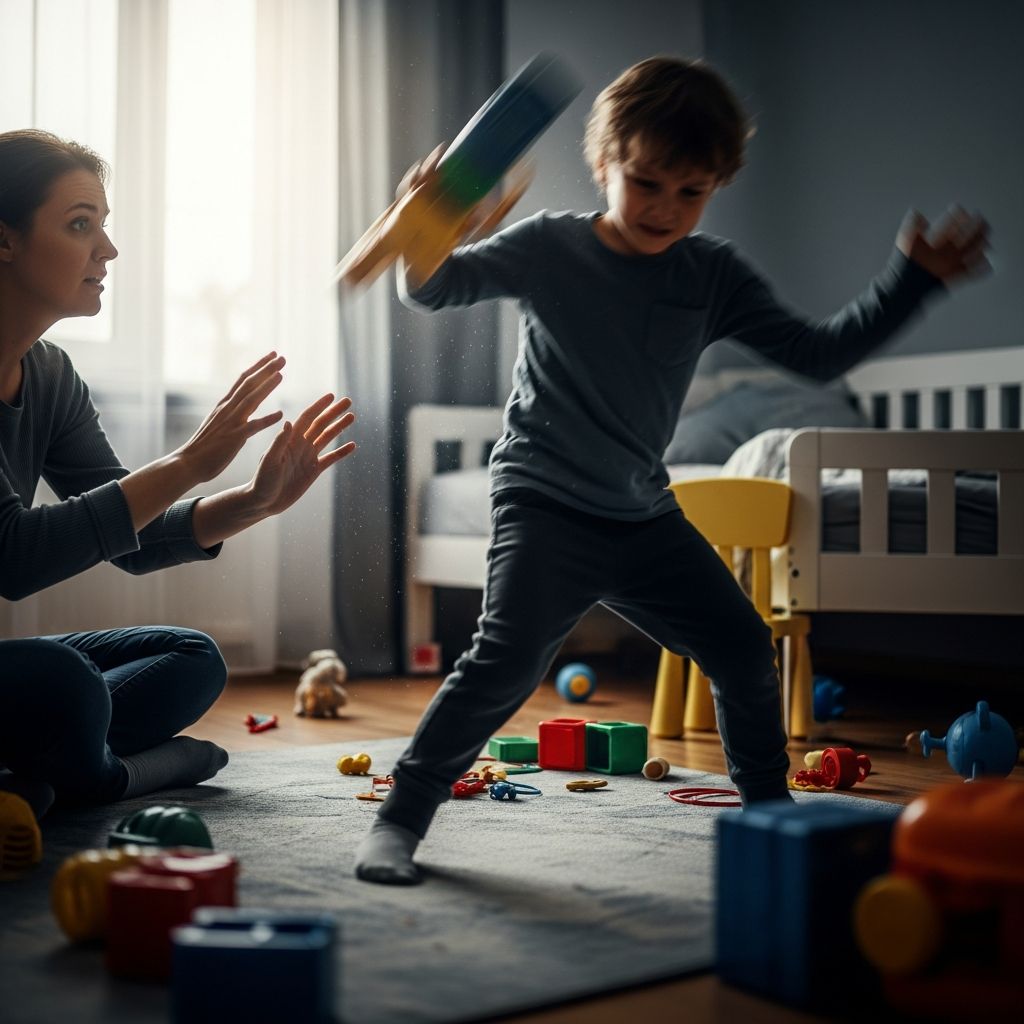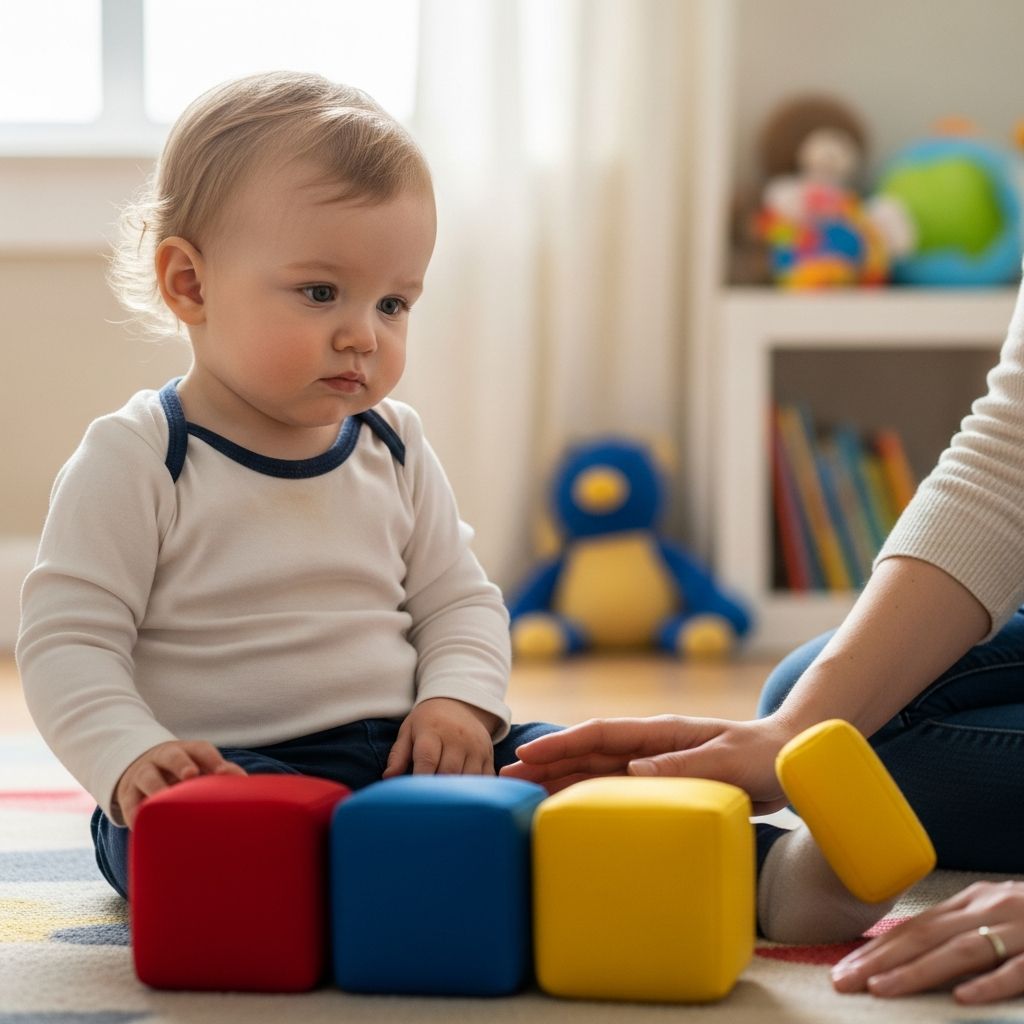
Guiding toddlers through their challenging behaviors requires a balanced approach using both positive and negative consequences. These tools help children understand boundaries while encouraging positive actions, leading to improved self-regulation over time.
Understanding Consequences in Toddler Development
Consequences are immediate outcomes following a child’s actions, shaping future behavior. Positive consequences reinforce desired actions, making them more likely to recur, while negative ones discourage unwanted behaviors. For toddlers, whose brains are rapidly developing impulse control, timely and consistent consequences are essential.
During the toddler years (1-3), children test limits as they explore independence. Early toddlers (1-2 years) benefit from simple redirections, while late toddlers (2-3 years) can handle structured responses to tantrums and defiance. Research shows that effective discipline ensures safety, limits aggression, and prevents destruction without harm.
Positive Consequences: Fueling Good Behavior
Positive consequences, such as praise, rewards, and attention, make desirable behaviors repeat. Focus on these to minimize the need for negatives.
- Praise specific actions: Say “Great job sharing your toy!” to highlight the behavior.
- Offer rewards: Small treats like extra playtime for completing tasks.
- Give attention: Hug or play when they follow rules, strengthening your bond.
Combining positives with family rules creates a supportive environment. Children thrive when they feel safe and encouraged.
Negative Consequences: Teaching Through Logic
Negative consequences signal disapproval without punishment. Start with least intrusive options for young children.
Step-by-Step Implementation
- Ignore minor issues: Withdraw attention from attention-seeking behaviors like whining.
- Distract and redirect: Shift focus to a toy or activity, e.g., “Let’s play with blocks instead.”
- Issue a clear warning: Use “if-then” statements: “If you throw the ball inside, then we stop playing.”
- Apply the consequence: Follow through immediately for connection.
- Explain briefly: “We take away the ball because throwing hurts others.”
Keep consequences short—one minute per year of age—and immediate for retention.
Types of Negative Consequences
| Consequence Type | Description | Example for Toddlers |
|---|---|---|
| Ignoring | Remove all attention from the behavior | Turn away during a tantrum |
| Distraction | Redirect to another activity | Offer crayons if drawing on walls |
| Logical Loss | Remove related privilege | No iPad after throwing it |
| Time-Out | Brief isolation in boring spot | 1-3 minutes in chair |
Logical consequences connect directly to the misbehavior, teaching cause-effect naturally.
Age-Specific Strategies
For 1-2 Year Olds
Emphasize safety and redirection. Firmly say “No” and remove the child or object, then offer alternatives. Tolerance for exploration is key, but intervene for dangers like touching hot stoves.
- Use empathy during frustrations.
- Avoid arguments; act swiftly.
For 2-3 Year Olds
Set routines and realistic expectations. Temper outbursts stem from independence struggles—respond with limits and empathy. Practice chores repeatedly if done poorly to build skills.
Separate fighting siblings for a day to highlight cooperation’s value.
Common Mistakes and How to Avoid Them
Avoid yelling, threats, or smacking—these fail long-term and harm development. Don’t cave to pleas post-consequence, as it rewards tantrums.
- No inconsistency: Always follow through.
- Skip debates: Toddlers can’t reason during upset.
- Balance with positives: Praise outweighs correction.
Real-Life Examples in Action
Throwing Toys: Warn once, then remove toy for the day. Explain: “Toys stay for gentle play.” Child learns control.
Running in Street: Immediate hold hands or stroller—no more free run.
Fighting Siblings: Separate rooms, no interaction until calm.
Consistency reduces repeats, building self-awareness.
Building Emotional Skills Alongside Consequences
Help toddlers name emotions: “You seem mad—use words next time.” Involve them in rule-setting for buy-in. Time-in alternatives, like supervised calm spots, teach regulation.
Frequently Asked Questions (FAQs)
What if my toddler laughs off corrections?
Stay calm, repeat consequence without reaction. Consistency wears down resistance; pair with positives elsewhere.
How long should time-outs last?
One minute per year of age, max 5 minutes. Place in distraction-free spot.
Do natural consequences work alone?
They’re ideal for learning but supervise for safety, like skinned knees from running—then discuss gently.
Can I use consequences during tantrums?
Wait for calm, then apply. Immediate action prevents reinforcement.
What about creative alternatives?
Yes—practice undone chores repeatedly or outdoor play with nature finds to engage positively.
Long-Term Benefits of Consistent Discipline
Regular use fosters independence, empathy, and problem-solving. Children in structured homes show fewer aggressions and better emotional management. Prioritize relationship—discipline teaches, not punishes.
References
- Tips for Using Consequences | Essentials for Parenting Toddlers — Centers for Disease Control and Prevention (CDC). 2023. https://www.cdc.gov/parenting-toddlers/discipline-consequences/consequences.html
- Effective discipline for children — National Center for Biotechnology Information (NCBI/PMC/NIH). 2009-01-12. https://pmc.ncbi.nlm.nih.gov/articles/PMC2719514/
- 21 Consequences for Kids That Really Work — Not Consumed. Accessed 2026. https://www.notconsumed.com/consequences-for-little-hearts/
- The Do’s and Don’ts of Toddler Discipline — Big Little Feelings. Accessed 2026. https://biglittlefeelings.com/blogs/blf/the-dos-and-donts-of-toddler-discipline
- Consequences & positive child behaviour — Raising Children Network. Accessed 2026. https://raisingchildren.net.au/preschoolers/behaviour/rules-consequences/consequences