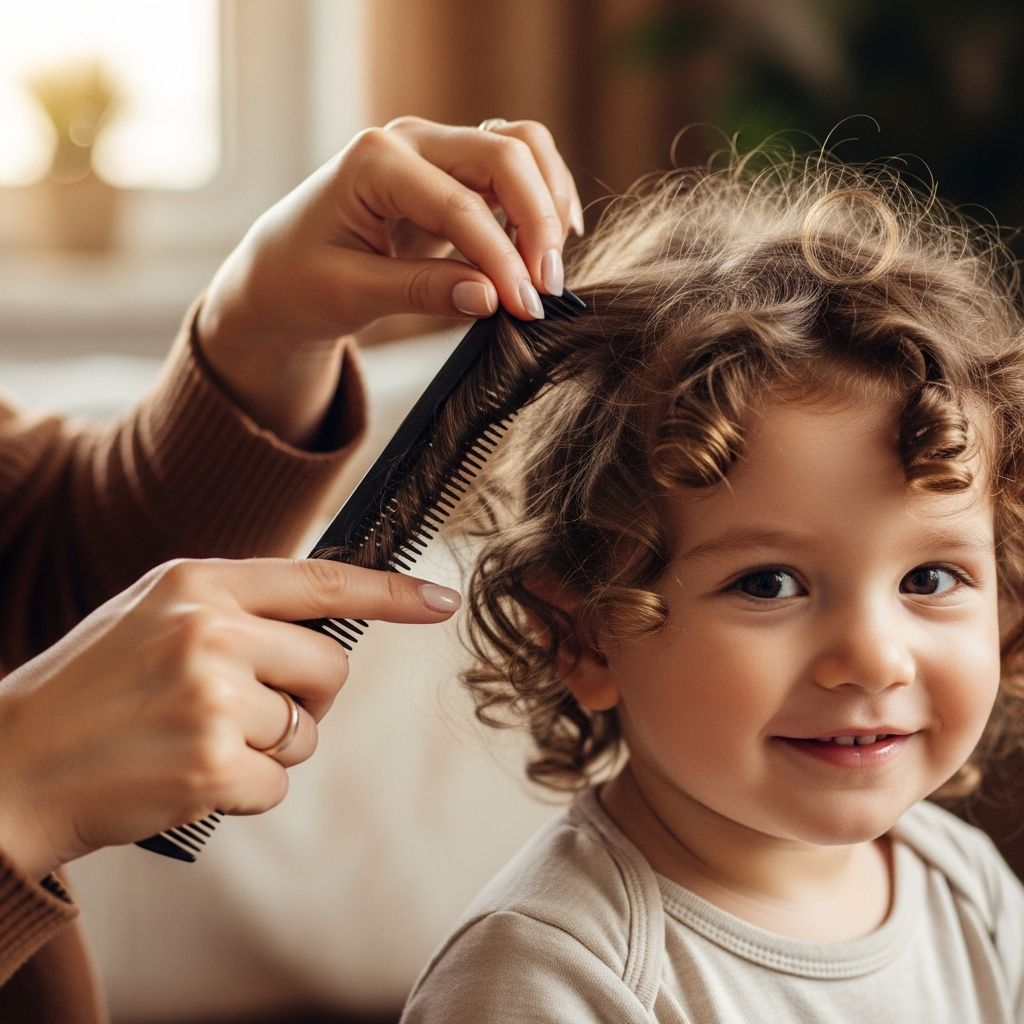
Caring for a toddler’s curly hair is part science, part patience, and part learning to love the beautiful texture your child was born with. This guide walks you through a practical, step-by-step approach that keeps curls healthy, soft, and manageable while also keeping daily battles to a minimum.
Understanding Your Toddler’s Curl Pattern
Before creating a routine, it helps to recognize what kind of curls your child has, because texture and density influence how often to wash, what products to use, and how much moisture the hair needs.
- Wavy hair (loose S-shape): Often fine to medium, tends to get weighed down by heavy creams but can frizz easily without light hydration.
- Curly hair (distinct spirals or ringlets): Naturally drier than straight or wavy hair and usually needs regular conditioning plus a gentle styling product to define curls.
- Coily or kinky hair (tight coils or zig-zags): The most fragile texture, usually needs rich moisture, careful detangling, and protective styles to prevent breakage.
You don’t need to match an exact “hair type number” to care for your child’s curls. Instead, notice how quickly it dries out, how easily it tangles, and how it reacts to products, then adjust your routine accordingly.
Core Principles of Healthy Toddler Curls
Even though curl patterns vary, the fundamentals of curly hair care remain similar. Focusing on a few core principles can prevent most common issues like frizz, breakage, and never-ending tangles.
- Moisture over scrubbing: Curly hair thrives when the natural oils from the scalp are preserved and supported with conditioners and leave-ins, instead of being stripped away with frequent harsh shampoos.
- Gentle handling: Tugging, rough brushing, and vigorous towel-drying can cause breakage and disrupt the curl pattern, so the goal is always slow, gentle movements.
- Consistency: A simple, repeatable routine will keep knots under control and make the process less stressful for both you and your child.
Building a Simple Weekly Curl Routine
A weekly schedule can help you balance cleanliness with protection of natural oils. Adjust the exact frequency based on your child’s hair and lifestyle (swimming, sand play, sweat, etc.).
| Day | What to Do | Products Typically Used |
|---|---|---|
| 1 (Wash Day) | Gentle shampoo on scalp, rinse, apply conditioner, detangle, apply leave-in and light styler. | Mild sulfate-free shampoo, rich conditioner, leave-in conditioner, curl cream or light gel. |
| 2 | Refresh curls with water or a spray bottle mix; fix any tangles with fingers or wide-tooth comb. | Water, spray detangler or diluted conditioner, small amount of leave-in. |
| 3 | Condition-only rinse in bath if needed; detangle while conditioner is in. | Conditioner, wide-tooth comb or flexible detangling brush. |
| 4–5 | Light refresh; protect hair at night with loose pineapple, bonnet, or satin pillowcase. | Water, minimal leave-in, soft scrunchie, satin/silk protection. |
| 6 (Optional) | Second gentle cleanse if scalp is dirty or product has built up. | Mild shampoo on scalp only, followed by conditioner. |
| 7 | Low-manipulation day; keep style simple and avoid over-combing. | Existing products; no extra wash or heavy styling needed unless hair is visibly dry. |
Wash Day: Step-by-Step for Minimal Tears
Wash day doesn’t have to be a struggle if you plan ahead and move slowly. Turn it into a predictable ritual so your toddler knows what to expect.
- Prepare the hair: If the hair is very tangled, lightly mist with water and apply a small amount of conditioner before bath time to start loosening knots.
- Focus shampoo on the scalp: Use a tiny amount of gentle, kid-safe shampoo and concentrate on massaging the scalp with fingertips, letting the suds run down the hair shaft instead of scrubbing the curls themselves.
- Rinse thoroughly: Make sure all shampoo is rinsed out to avoid itchiness or buildup, tilting your child’s head back to keep water out of the eyes where possible.
- Coat with conditioner: Apply a generous amount of conditioner from the mid-lengths to the ends, and add a small amount to the roots if the hair and scalp are very dry.
- Detangle while slippery: Start detangling in sections with fingers or a wide-tooth comb, working from the tips upward to the roots while the conditioner is still in the hair.
- Rinse lightly: For very dry hair, leave a bit of conditioner in instead of rinsing completely; for finer hair, rinse more thoroughly so it is not weighed down.
Detangling Without the Drama
Tangles are unavoidable with curly toddler hair, but pain and tears can be reduced with the right tools and habits. The key is to work with the curls’ natural pattern and keep everything as lubricated and supported as possible.
- Always detangle on wet or very damp hair: Dry detangling can cause breakage and frizz, while detangling on soaked, conditioned hair lets the comb glide more easily.
- Use curl-friendly tools: Wide-tooth combs, flexible detangling brushes, or just fingertips are far gentler than stiff, narrow-tooth brushes designed for straight hair.
- Hold the hair at the roots: Support each section near the scalp with one hand while you work through knots with the other, so you aren’t tugging directly on the scalp.
- Work in small sections: Divide hair into 3–8 sections depending on thickness, and fully detangle one section at a time before moving on.
Drying Techniques That Protect Curls
How you dry curly hair can be just as important as how you wash it. Rough drying can cause frizz and disrupt well-defined ringlets, while gentle methods lock in curl shape and shine.
- Skip rough towel-rubbing: Instead of rubbing the hair, gently squeeze out excess water with your hands and then blot with a soft t-shirt or microfiber towel.
- Encourage curl clumps: After applying leave-in and styling product, gently scrunch sections of hair upwards toward the scalp to help curls group together into defined clumps.
- Air-dry when possible: Allowing curls to dry naturally usually leads to softer, bouncier results. If a blow-dryer is necessary, use a diffuser on low heat and low speed, and avoid touching the hair while it dries.
Choosing Products for Sensitive Little Scalps
Young children’s scalps and hair are more delicate than adults’, so product choice should prioritize safety, simplicity, and moisture rather than heavy styling or strong fragrances.
- Gentle cleansers: Look for mild, sulfate-free shampoos labeled for babies or children, especially if your child has a dry or sensitive scalp.
- Hydrating conditioners: A rich yet lightweight conditioner helps keep curls soft and easier to manage; focus it on mid-lengths and ends if the scalp tends to get oily.
- Leave-in and styler: A small amount of leave-in conditioner plus a light curl cream or soft-hold gel can define curls and reduce frizz without making hair stiff.
- Keep ingredients simple: If your child often experiences irritation, choose fragrance-free or low-fragrance products and introduce one new product at a time so you can spot any reactions.
Daily Maintenance: Mornings and Evenings
Most parents find that a quick morning refresh and evening protection routine keeps curls looking their best and cuts down on bigger tangles at wash time.
Morning curl refresh
- Lightly mist curls with water or a water-and-conditioner mix until they are damp, not dripping.
- Gently scrunch hair upward to re-activate yesterday’s product and re-form curls that got squashed during sleep.
- Smooth any frizzy sections with a pea-sized amount of leave-in conditioner rubbed between your palms and then glazed over the surface of the hair.
Nighttime protection
- Gather hair loosely at the top of the head in a “pineapple” ponytail using a soft, snag-free scrunchie to reduce friction and tangles.
- Use a satin or silk pillowcase or bonnet for additional protection against frizz caused by cotton pillowcases.
- For very tight coils or long hair, consider loose braids or twists to keep strands from knotting while your child sleeps.
Trims and Professional Help
Even toddler curls benefit from regular trims, especially once the hair has grown enough that ends begin to knot or fray. The goal is to keep the shape manageable and remove dry tips before they split further up the strand.
- Trim frequency: Every 8–12 weeks is a common schedule, though very short or very fast-growing hair may need more frequent dusting of the ends.
- Find a curl-friendly stylist: If possible, choose someone experienced with cutting curly and wavy children’s hair, as they understand shrinkage, uneven patterns, and how to shape curls without thinning them excessively.
- Keep hair at practical lengths: For very young toddlers, a length around the shoulders or above is often easier to detangle and style quickly.
Simple, Curl-Friendly Styles for Toddlers
Styling toddler curls is less about elaborate looks and more about comfort, safety, and protecting the hair. The right styles can keep curls neat during play while minimizing breakage and tension on the scalp.
- Loose ponytail or puff: Gather hair gently with a soft scrunchie, leaving edges and scalp comfortable, not tight.
- Half-up style: Pull only the top section into a small ponytail or clip to keep hair out of the eyes while leaving the rest free.
- Loose braids or twists: These offer good protection for longer curls, especially for naps, travel days, or sports, but should never be so tight that they pull on the hairline.
- Minimal accessories: Use smooth, snag-free ties and avoid rubber bands or clips with sharp metal edges that can cut or snag strands.
Common Curl Challenges and Solutions
Most curly-haired toddlers face a few predictable issues. Understanding why they occur makes it easier to fix the problem without overcomplicating the routine.
- Frizz all over: Often a sign of dryness or rough handling. Increase conditioning, avoid rough towel-rubbing, and use a light leave-in product or cream for extra moisture.
- Sticky buildup on hair or scalp: May result from heavy products or not rinsing thoroughly. Add an extra gentle shampoo day focused only on the scalp and switch to lighter formulas.
- Constant tangles at the nape: Common for active toddlers who move a lot. Protect this area with loose braids or ponytails and make sure it is fully detangled and conditioned on wash days.
- Flat roots with puffy ends: Could mean products are concentrated at the bottom or hair is being weighed down. Use lighter products near the scalp and gently lift hair at the roots while drying.
FAQs: Toddler Curly Hair Care
How often should I wash my toddler’s curly hair?
Most toddlers with curly hair do well with shampooing one to two times per week, focusing the cleanser on the scalp rather than scrubbing the entire length of the hair. On non-shampoo days, many parents simply rinse the hair with water and use conditioner to replenish moisture and help with detangling.
Is it okay to brush my toddler’s curls?
Traditional brushes can break up curl clumps and cause frizz, especially when used on dry hair. A better approach is to use fingers, a wide-tooth comb, or a flexible detangling brush only when the hair is wet or very damp and coated in conditioner or leave-in product.
What if my child hates having their hair done?
Try breaking the routine into short steps and pairing hair care with something pleasant, like bath toys, music, or a favorite show, to reduce stress. Working in small sections, explaining what you’re doing, and letting your child hold a gentle brush or spray bottle can help them feel more involved and less resistant.
Can I use my own curl products on my toddler?
Products made for adults may be too strong, heavily fragranced, or contain ingredients that irritate a young child’s scalp. If you ever use an adult product in a pinch, apply a very small amount, rinse thoroughly later, and watch closely for any signs of irritation or dryness.
Do all curly kids need the same routine?
No single routine works for every child, even if their curls look similar at first glance. Start with a simple plan—gentle cleansing, generous conditioning, careful detangling, and basic protection—then make small adjustments based on how your child’s hair behaves over a few weeks.
Embracing Your Child’s Natural Curls
Learning to care for your toddler’s curls is as much about mindset as it is about technique. When you prioritize health and comfort over perfectly polished styles, you teach your child that their natural texture is something to be valued, not tamed into submission.
As you get to know their hair—how it behaves in different seasons, what products it loves, and which styles last through a busy day—caring for curls becomes less of a chore and more of a shared routine that helps your child feel confident and cared for.