When a sweet toddler suddenly starts hitting, biting, or throwing toys, many parents wonder what went wrong. It can feel shocking, embarrassing, and even frightening to see aggressive behavior in such a small child. Yet for most toddlers, aggression is not a sign of being “bad”; it is a sign of being overwhelmed by feelings they cannot yet manage.
This article explains why toddlers act aggressively, how to support them in learning better ways to express emotion, and how to stay calm and confident as a parent. The goal is not to control your child, but to guide them toward self-control over time.
Why Toddlers Act Out Physically
Aggressive behavior in toddlers is usually a communication problem, not a character problem. They feel intense emotions but lack the language and self-control to express them safely.
- Limited language: When a child cannot say “Stop that” or “I’m frustrated”, a push or hit may feel like the only option.
- Immature impulse control: The part of the brain that manages impulses is still developing well into childhood.
- Overwhelm and stress: Hunger, fatigue, transitions, and overstimulation all lower a toddler’s ability to cope.
- Curiosity and experimentation: Some toddlers hit simply to see what will happen or how others respond.
- Learned behavior: If a child often sees shouting, threats, or physical punishment, they may copy those behaviors with others.
Understanding these roots of aggression helps shift the focus from blame to problem-solving. Instead of asking, “What is wrong with this child?” it becomes easier to ask, “What skills or support are missing right now?”
Common Triggers for Toddler Aggression
While every child is unique, certain situations commonly set the stage for hitting, biting, pushing, or throwing.
| Trigger | Possible Inner Message |
|---|---|
| Another child takes their toy | “That’s mine! I don’t know how to protect what I want without grabbing or hitting.” |
| Being told “no” or having to stop an activity | “I feel powerless and angry. I want to keep control of this moment.” |
| Hunger, tiredness, or overstimulation | “Everything feels too much. I can’t think clearly or stay calm.” |
| New baby, big life change, or separation | “I feel insecure and scared. I need reassurance but don’t know how to ask.” |
| Rough play that escalates | “I’m excited and wired, and I don’t know when to stop.” |
When you can recognize the likely trigger, you are better equipped to respond to the need beneath the behavior instead of reacting only to the surface action.
Your Calm Is the Starting Point
Before focusing on how to stop aggression, it helps to focus on the one thing you can reliably influence: your own response. A calm, grounded parent is far more effective at teaching self-control than a parent who is yelling or threatening, even with the best intentions.
- Take a slow breath before stepping in. A pause of just a second or two can prevent reacting in anger.
- Use a neutral, firm tone instead of shouting, even if you feel triggered.
- Remind yourself: “My child is having a hard time, not giving me a hard time.”
Staying calm does not mean being permissive. It means holding clear boundaries while refusing to add more emotional chaos to an already overwhelming moment for your child.
Step-by-Step Response in the Moment
When aggression happens, parents often freeze or overreact. Having a simple plan makes it easier to respond consistently.
- Ensure safety first. Gently but firmly block hits, bites, or kicks. Move your child or the other child apart if needed. Safety is always the priority.
- State the boundary clearly. Use a short, simple phrase such as, “I won’t let you hit.” Repeating a calm, consistent message is more effective than lecturing.
- Reflect the feeling. Show you understand what your child might be feeling: “You really wanted that toy” or “You are so mad right now.” Naming the feeling helps build emotional vocabulary.
- Offer an acceptable action. Redirect the urge: “Hands are for gentle touch” or “You can stomp your feet on the floor or squeeze this pillow.”
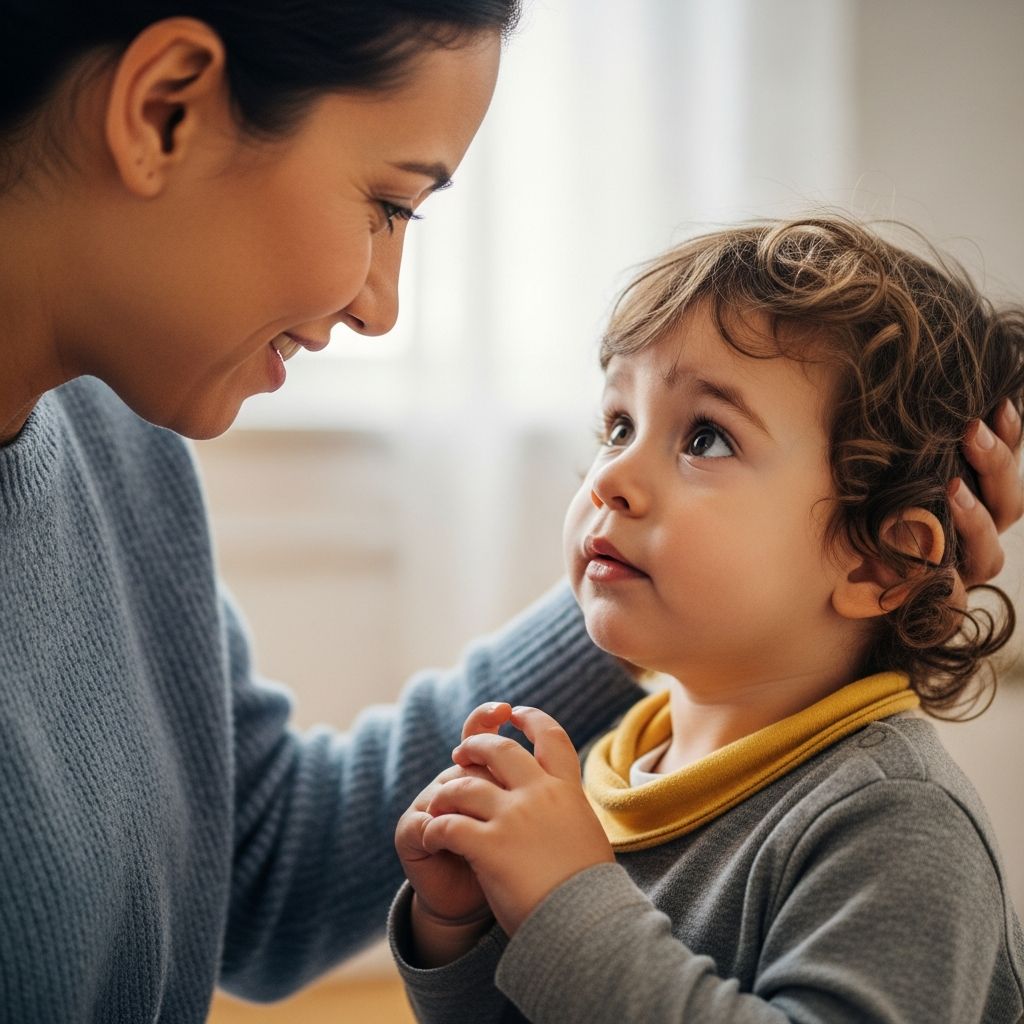
- Stay nearby until calm returns. If possible, remain close and available instead of sending your child away alone. Your calm presence is regulating.
Over time, this predictable pattern teaches a child that feelings are acceptable but hurting others is not. It also shows them that an adult can help them handle big emotions.
Teaching Emotional Skills Between Incidents
The best time to teach new skills is not in the middle of a meltdown. Between incidents, you can help your toddler build a “toolbox” of ways to handle frustration and anger.
- Label feelings in daily life. Use simple language: “You look disappointed” or “You’re excited” to connect sensations to words.
- Use stories and play. Role-play with stuffed animals or use simple stories where characters feel angry, sad, or frustrated and find safe ways to cope.
- Practice calming actions. Teach easy strategies such as hugging a stuffed animal, squeezing playdough, or taking “dragon breaths” (big inhale, slow exhale like blowing out fire).
- Rehearse problem-solving. When everyone is calm, act out common scenarios like sharing or turn-taking so that your child has a script for next time.
These small, playful moments slowly build the skills your toddler needs to replace hitting or biting with words and other responses.
Setting Boundaries Without Shaming
Many parents fear that being gentle means being too soft. In reality, toddlers feel safest when adults are both warm and firm. Boundaries are not punishments; they are guardrails.
- Separate behavior from identity. Focus on the action, not the child’s worth. Instead of labeling the child as “mean” or “naughty”, describe what happened and what can be done differently.
- Use consistent consequences. Logical, predictable outcomes—like ending rough play after repeated hitting—teach cause and effect much more effectively than threats or humiliation.
- Avoid public shaming. If aggression occurs in public, prioritize calm, brief intervention over long lectures in front of others.
When children feel accepted even when their behavior is not, they are more open to guidance and less likely to become defensive or withdrawn.
Preventing Aggression With Daily Routines
Many aggressive episodes can be reduced by shaping the environment and rhythm of the day. Predictability, basic needs, and structure play a huge role.
- Protect sleep and snacks. A well-rested, well-fed toddler is far more capable of self-control than a hungry, exhausted one.
- Use transitions thoughtfully. Give advance notice before changes, and use visual or verbal cues to signal what is coming next.
- Limit overwhelm. Long outings, crowded spaces, or constant stimulation can overload a young nervous system.
- Provide daily physical play. Active play helps discharge energy that might otherwise come out as aggression.
Prevention does not mean aggression will never happen, but it significantly lowers the volume and intensity, making outbursts more manageable for everyone.
When Your Reactions Fuel the Fire
It can be uncomfortable to admit, but adult responses sometimes unintentionally increase aggression. Reflecting on your own patterns is an act of courage and love.
- Harsh discipline can escalate defiance. Frequent yelling, threats, or physical punishment may stop behavior in the moment but often increase anger and fear in the long run.
- Inconsistency confuses children. If hitting is sometimes ignored and sometimes punished severely, the child does not learn clear expectations.
- Modeling matters. Children learn how to manage conflict largely by watching how adults handle frustration and disagreement.
Shifting from a mindset of control to one of teaching turns discipline into guidance instead of battle.
Practical Scripts You Can Adapt
In the heat of the moment, it is easy to lose words. Having simple, flexible phrases ready can make it easier to respond calmly. You can adapt these to your own style and language.
- “I won’t let you hit. I see you’re upset. Let’s find another way to show it.”
- “You really wanted that toy. It’s hard to wait. I’ll help you take turns.”
- “Your body is telling me it’s tired. Let’s take a break together.”
- “You’re mad and you want to push. You can push this cushion instead.”
- “We keep everyone safe in this family. I will help you be safe.”
Over time, children internalize the calm, clear language they hear repeatedly and begin to use similar words for themselves.
Supporting Siblings and Other Children
When a toddler’s aggression affects other children, it is important to support both sides. Protecting the hurt child does not require harshness toward the aggressive one.
- Attend to the injured child first. Offer comfort and check for injuries. This models empathy for both children.
- Describe what happened plainly. “You hit; that hurt.” Avoid labels like “bully” or “victim”.
- Invite repair when appropriate. A simple “gentle touch”, bringing an ice pack, or saying “Are you okay?” can be the start of learning to make amends.
For the child who acted aggressively, emphasize that they are still loved and still part of the group, while also holding firm boundaries about behavior.
When to Seek Extra Help
Some toddlers go through a short phase of aggression that improves with consistent, calm parenting. Others show patterns that are more frequent, intense, or long-lasting. Trust your instincts if something feels off.
- Consider consulting a professional if aggression is severe, occurs many times a day, or causes serious injury to self or others.
- Look for additional signs such as extreme sleep problems, regression in skills, withdrawal, or persistent sadness or anxiety.
- Seek support for yourself as well. Parenting a highly reactive child is exhausting; counseling or parenting groups can provide useful tools and emotional backup.
Early support can prevent small difficulties from becoming long-term patterns, and it can also reduce the guilt and isolation many parents feel.
Frequently Asked Questions About Toddler Aggression
Is my toddler aggressive because I did something wrong?
Not necessarily. Many toddlers go through a period of hitting, biting, or pushing as part of normal development. Your past choices may influence the situation, but they do not define your child’s future. What matters most is how you respond now: with warmth, boundaries, and a willingness to learn new approaches alongside your child.
Should I force my child to apologize after hitting?
Pressuring a child to say “sorry” when they are still flooded with emotion can turn apologies into empty words. Instead, focus first on helping them calm down and understand what happened. Once they are regulated, you can guide them toward repair in a simple, age-appropriate way—offering a toy, checking if the other child is okay, or saying a brief apology when they are ready.
What if my toddler laughs when they hit?
Laughing after aggression often reflects nervousness, stress, or confusion rather than genuine amusement at another’s pain. Stay calm, keep your boundary firm, and avoid interpreting the laugh as cruelty. Over time, as you consistently name feelings and model empathy, your child will better understand the impact of their actions and will be less likely to respond with incongruent laughter.
How long does this aggressive phase usually last?
The intensity and length of aggressive phases vary widely. Many children show peaks of hitting or biting between ages two and three, with gradual improvement as language and self-regulation skills grow. Consistent, connected parenting can shorten and soften this phase, but occasional setbacks are normal, especially during big transitions or developmental leaps.
Is it ever okay to use time-outs for aggression?
Traditional time-outs that isolate a child in distress can sometimes increase fear and anger, especially in very young children. A more helpful approach for toddlers is a “time-in”, where the adult stays close and helps the child calm while still maintaining firm boundaries. As your child grows, brief, structured breaks to cool down—paired with connection and follow-up teaching—can be useful if they are not used as shaming or rejection.
Raising a Child Who Learns to Use Words, Not Fists
A toddler who hits, bites, or pushes is not broken or destined to become a violent person. Aggression at this age is a sign that the child’s emotional world is bigger than their current skills. With patient, consistent guidance, children learn that their feelings are real and important, but that hurting others is never an acceptable outlet.
Every moment of calm intervention, every time you set a firm limit without shaming, and every playful conversation about feelings adds up. The process is not instant and will rarely be perfectly smooth. Yet each day you show up with connection and clear boundaries, you are helping your toddler grow into a person who can feel deeply, express themselves safely, and care about the impact of their actions on others.