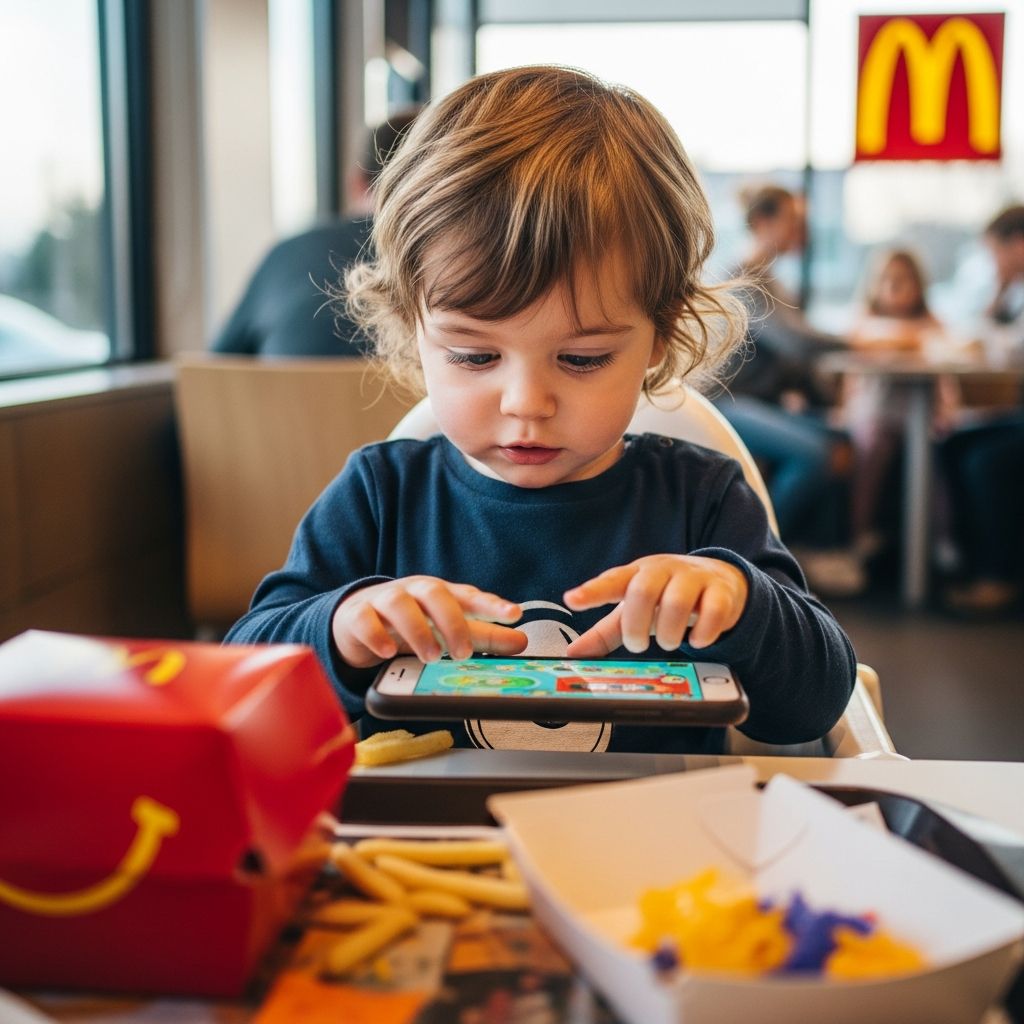
In an era where smartphones are extensions of our hands, even the youngest family members are getting in on the digital action. Imagine the surprise of a parent opening the door to a mountain of cheeseburgers, all thanks to a toddler’s exploratory swipes. These heartwarming and hilarious incidents highlight how integrated technology has become in daily life, especially for children who mimic adult behaviors with astonishing ease.
The Rise of Mini Tech Wizards
Today’s children grow up surrounded by touchscreens, voice assistants, and app-driven services. From the moment they can reach, kids grasp phones, tablets, and remotes, turning them into playgrounds of discovery. Pediatric development experts note that children under five spend an average of 2-3 hours daily interacting with devices, often unsupervised during brief parental distractions.
This phenomenon isn’t isolated. Stories flood social media of toddlers summoning Ubers, playing Spotify playlists at midnight, or, as in one memorable case, ordering dozens of fast-food items. Such events underscore a broader trend: children’s innate curiosity paired with intuitive app designs makes them surprisingly adept at navigating complex interfaces.
- Intuitive Design: Apps like food delivery services feature large buttons and swipe gestures that mimic games toddlers already love.
- Mimicry: Kids observe parents ordering takeout and replicate the process flawlessly.
- No Barriers: Many apps lack child locks by default, enabling accidental (or adventurous) orders.
While amusing, these moments reveal the double-edged sword of technology accessibility in households.
Unpacking the Viral Cheeseburger Cascade
Picture this: a busy mom sets her phone down for a split second. Her two-year-old, fueled by snack-time hunger or sheer curiosity, unlocks the screen and dives into a food delivery app. Minutes later—or in some cases, hours—the doorbell rings with delivery drivers hauling bags stuffed with 30+ cheeseburgers from McDonald’s. This exact scenario unfolded for one Texas family, catapulting their story to viral status.
The mother’s reaction? A mix of shock, laughter, and quick thinking. She documented the absurdity on social media, captioning it with humor: ‘Apparently, my 2-year-old knows how to order DoorDash.’ The post exploded, garnering thousands of shares as parents worldwide related to the chaos. What started as a mishap became a celebration of childhood innocence colliding with modern convenience.
| Element | Details | Outcome |
|---|---|---|
| Child’s Age | 2 years old | Expertly navigated app |
| Order Quantity | 31 cheeseburgers | Unexpected feast |
| App Used | DoorDash/McDonald’s | Viral social post |
| Parental Response | Shared online | Community laughter |
This table breaks down the key components, illustrating how a simple swipe turned into a family legend.
Why Toddlers Excel at Digital Shenanigans
Cognitive science explains why little ones pull off these feats. At age two, children enter a phase of rapid motor skill development, mastering fine touches and swipes. Coupled with short attention spans, they fixate on bright icons like burger emojis. A study from the American Academy of Pediatrics highlights that 80% of toddlers can operate basic touch interfaces within their first two years, often outperforming expectations.
Food apps amplify this talent. McDonald’s mobile ordering, integrated with platforms like DoorDash, uses gamified elements—rewards, quick carts, and one-tap payments—that feel like play. No wonder a toddler bypassed login screens and hit ‘confirm order’ with toddler precision.
Parenting in the Smartphone Age: Challenges and Chuckles
These incidents shine a light on modern parenting dilemmas. Smartphones are indispensable tools for work, navigation, and connection, yet they double as kid magnets. The Federal Trade Commission reports rising concerns over unintended child purchases, with food delivery leading accidental spends.
Yet, humor prevails. Parents turn mishaps into bonding opportunities, sharing feasts with neighbors or freezing extras. One family hosted an impromptu block party, transforming burgers into community joy. These stories remind us that imperfection fosters memorable family lore.
Safety Strategies to Curb Digital Drive-Thrus
Prevention is key. Here’s how parents can safeguard against pint-sized orders:
- Enable Biometrics: Face ID or fingerprints block toddler access instantly.
- App Permissions: Use built-in family controls on iOS and Android to restrict purchases.
- Guest Mode: Set up limited profiles for shared devices.
- Physical Barriers: Phone holsters or high shelves during high-risk times like nap transitions.
- Educational Play: Apps like Khan Academy Kids teach tech safely.
Implementing these reduces risks while encouraging healthy tech habits. The Consumer Product Safety Commission emphasizes proactive device management for child safety.
Beyond Burgers: Other Epic Toddler Tech Tales
McDonald’s isn’t alone. Toddlers have ordered pizzas en masse via Uber Eats, summoned ice cream trucks through location apps, and even booked rideshares. A compilation from parenting forums reveals patterns:
- Pizza chains see bulk child orders weekly.
- Grocery apps deliver surprise candy hauls.
- Voice assistants blast music festivals at dawn.
These anecdotes fuel online communities like Reddit’s r/ParentingFails, where laughs unite exhausted caregivers.
The Bigger Picture: Technology’s Role in Early Childhood
Experts debate screen time’s impact. The World Health Organization recommends zero screens for under-twos, yet reality intrudes. Positive spins include tech fostering independence, but balance is crucial. Incidents like the burger bonanza prompt reflection: are we equipping kids for a digital future or overwhelming them?
Parental anecdotes suggest moderation works. Designate device-free zones, prioritize play, and model mindful use. When slips happen, embrace them—after all, 31 burgers make for great stories (and leftovers).
Lessons from the Delivery Doorstep
One toddler’s fast-food frenzy teaches volumes. It celebrates children’s ingenuity, pokes fun at adult oversights, and calls for smarter tech integration. Families emerge stronger, armed with laughs and strategies.
In sharing these tales, parents destigmatize chaos, affirming that perfect parenting is a myth. Next time your little one eyes your phone, smile—adventure awaits, burgers optional.
Frequently Asked Questions (FAQs)
What should I do if my toddler orders food accidentally?
Contact the delivery service immediately for refunds or cancellations. Many, like DoorDash, waive fees for such cases. Share the story online for support and laughs.
How can I child-proof my smartphone?
Activate Guided Access on iOS or Screen Pinning on Android, plus biometric locks and app restrictions via Family Link or Screen Time.
Is it safe for toddlers to use phones at all?
Limited, supervised use is fine for educational apps. Avoid under age two per WHO guidelines, focusing on physical play.
What apps are prone to toddler orders?
Food delivery (DoorDash, Uber Eats), rideshares, and shopping apps with easy carts. Always enable purchase confirmations.
Can these stories go viral positively?
Yes! Like the Texas cheeseburger saga, they build community and highlight joy in everyday parenting wins.
References
- Texas toddler accidentally orders 31 cheeseburgers on DoorDash — FOX 13 News. 2023-10-15. https://www.fox13news.com/news/texas-toddler-accidentally-orders-31-cheeseburgers-on-doordash
- Media Use in School-Aged Children and Adolescents — American Academy of Pediatrics. 2024-01-01. https://publications.aap.org/pediatrics/article/153/1/e2023064392/196198
- Protecting Kids in the App Economy — Federal Trade Commission. 2023-06-05. https://www.ftc.gov/news-events/news/press-releases/2023/06/ftc-report-shows-app-economy-booming-kids-still-risk
- Digital Device Safety Guidelines — U.S. Consumer Product Safety Commission. 2024-02-20. https://www.cpsc.gov/s3fs-public/DigitalSafetyGuidelines.pdf
- Guidelines on Physical Activity, Sedentary Behaviour and Sleep for Children Under 5 Years — World Health Organization. 2019-04-24. https://www.who.int/publications/i/item/9789241550536