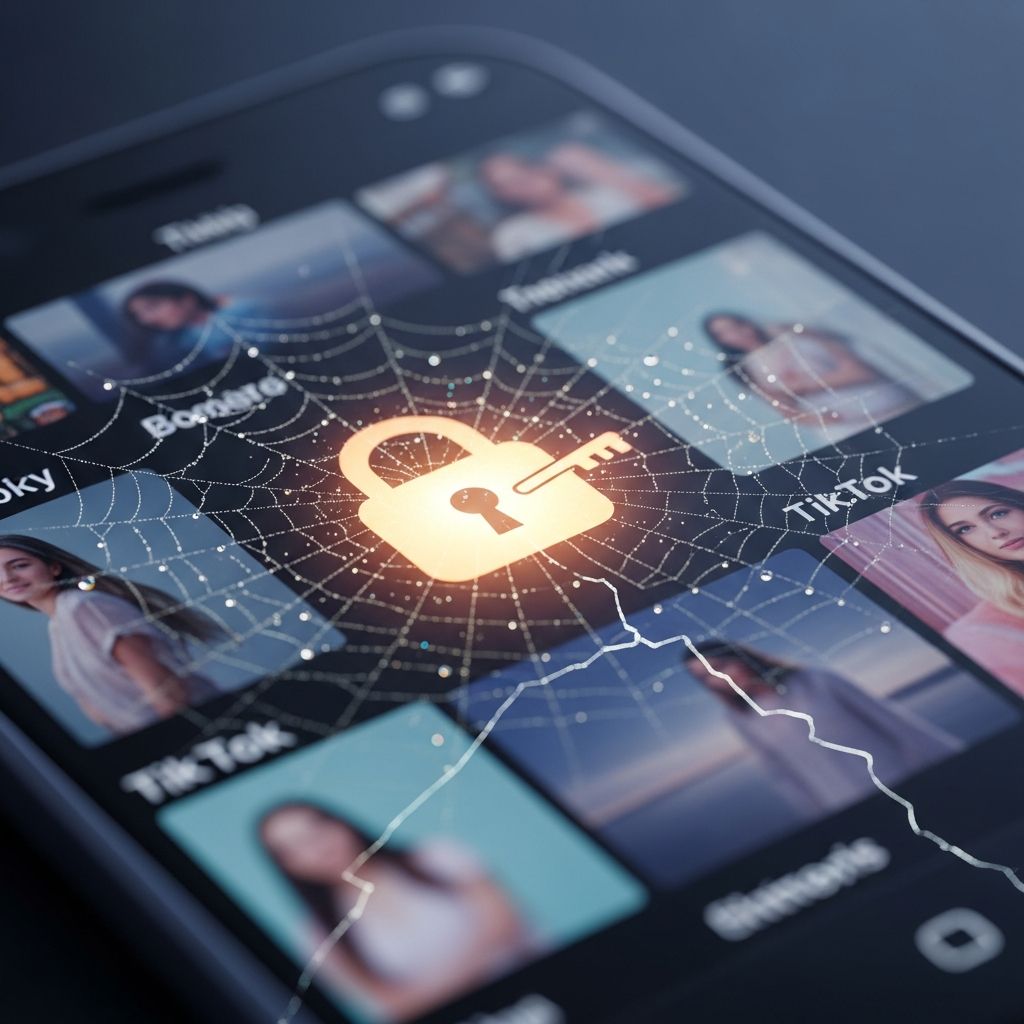
In the fast-paced world of social media, few trends expose deep societal fault lines as starkly as the recent explosion of virginity testing videos on TikTok. These clips, often showcasing rituals from various cultures, have amassed millions of views, sparking outrage, curiosity, and urgent conversations about gender, bodily autonomy, and outdated traditions. At their core, these videos perpetuate a myth: that virginity can be objectively tested and proven. This notion, far from scientific fact, serves primarily to enforce control over women’s bodies and sexuality.
The Viral Phenomenon: What’s Driving the Buzz?
TikTok’s algorithm thrives on shock value and cultural intrigue, propelling videos of so-called ‘virginity tests’ into viral stardom. These short clips frequently depict ceremonies where older women inspect young brides-to-be, often from Roma communities in Europe or similar practices elsewhere. Viewers are drawn to the exoticism and drama, but beneath the surface lies a troubling reinforcement of patriarchal norms. The trend gained traction in late 2023 and persists into 2026, with creators framing these rituals as cultural heritage rather than harmful pseudoscience.
Why now? Experts point to a mix of global interconnectedness and gaps in sexual education. Young users, bombarded with unfiltered content, encounter these videos without context, leading to widespread shares and debates. One viral response video, featuring a sex educator dismantling the concept, racked up over 10 million views by eloquently labeling virginity as a tool of female subjugation—a patriarchal relic with no biological basis.
- Key drivers of virality: Algorithmic promotion of controversial content, cultural curiosity, and lack of counter-narratives due to platform moderation biases.
- Common formats: Ritual demonstrations, personal testimonies, and reaction videos challenging the practice.
- Global reach: Videos from Europe, South Asia, and Africa highlight the practice’s persistence in over 20 countries.
Decoding Virginity: A Social Construct, Not Science
Virginity is not a measurable state; it’s a cultural invention loaded with power dynamics. Historically, it has been wielded to assign value to women—determining marriage eligibility, family honor, and even employment in some regions. Clinical sexologist Ness Cooper describes it as a ‘social construct used to justify abstinence or financial worth,’ emphasizing its heteronormative bias that ignores diverse sexual experiences.
Medically, there’s no reliable test for virginity. The hymen, often central to these myths, varies widely in form and elasticity. It can stretch, tear from non-sexual activities like sports or tampon use, or remain intact post-intercourse. The World Health Organization (WHO), alongside UN agencies, declared virginity testing ‘medically unnecessary’ in 2018, urging global bans due to its inaccuracy and harm.
| Myth | Fact | Implication |
|---|---|---|
| Intact hymen = virgin | Hymen varies; not a virginity indicator | Leads to false accusations and violence |
| Virginity testable via exam | No scientific method exists | Perpetuates shame and control |
| Only applies to women | Ignores male virginity; heteronormative | Reinforces gender inequality |
Global Practices: From Europe to South Asia
Virginity testing isn’t confined to one culture. In Western Europe, Roma communities hold public ‘verification’ ceremonies where professional examiners confirm purity before weddings. These events, now digitized for TikTok, draw both admiration and condemnation. In India, recent cases like the 2023 Bhilwara incident—where a bride was beaten after ‘failing’ a family-imposed test—underscore real-world dangers.
Africa reports similar customs in nations like South Africa, where courts have outlawed the practice amid activist pushes. Yet, enforcement lags, and social media amplifies these traditions to new audiences. This globalization risks normalizing harm, as isolated rituals become trending entertainment.
The Dark Side: Psychological and Physical Harms
Beyond inaccuracy, virginity testing inflicts deep trauma. Women subjected to invasive exams report anxiety, shame, and eroded self-worth. In extreme cases, ‘failures’ lead to honor killings, domestic violence, or social ostracism. Psychologists note long-term effects like sexual dysfunction and trust issues in relationships.
For viewers, especially impressionable teens, these videos distort healthy sexuality. Experts like Dr. Ness Cooper warn of a ‘perfect storm’: poor sex ed plus unchecked online content fosters toxic ideas. Platforms exacerbate this; algorithms favor stigmatizing posts over sex-positive ones, creating echo chambers of misinformation.
- Physical risks: Infection from unsterile exams, pain, injury.
- Psychological toll: Body shaming, fear of intimacy.
- Societal impact: Entrenches gender roles, hinders equality.
Social Media’s Role: Algorithms and Accountability
TikTok’s moderation is inconsistent. While sex-positive content faces swift removal, virginity testing videos proliferate, often under ‘cultural’ exemptions. This bias, per sex educators, stems from conservative algorithms prioritizing ‘safe’ outrage over education. Creators counter with myth-busting threads, but visibility remains a challenge.
In 2026, calls for reform grow. Advocacy groups urge platforms to demote harmful content and partner with health orgs for accurate labeling. User-driven movements, like #MythOfVirginity, amplify expert voices, shifting discourse toward empowerment.
Educating the Next Generation: Paths Forward
Combating this trend demands comprehensive sexual education. Schools must teach anatomy facts, consent, and pleasure equity from early ages. Parents play a key role: discuss media literacy, challenge purity culture, and model healthy attitudes.
Policy-wise, more nations follow South Africa’s ban model. International bodies like WHO advocate bans, but grassroots change—via influencers and communities—holds promise. Viral rebuttals prove education can go viral too.
Frequently Asked Questions (FAQs)
What is virginity testing?
A pseudoscientific exam claiming to verify sexual inexperience, typically invasive and focused on the hymen. It’s debunked and harmful.
Why is it popular on TikTok?
Algorithms boost shocking cultural content; lack of education fuels curiosity and shares.
Is there a real virginity test?
No. Virginity is subjective; no medical test exists. WHO confirms this.
How can parents address this with kids?
Open talks on body autonomy, media skepticism, and accurate sex ed. Use viral videos as teachable moments.
What cultures practice it?
Reported in Roma groups, parts of India, Africa, Middle East—over 20 countries.
Empowering Change: Toward Sexual Autonomy
The TikTok virginity trend, while alarming, catalyzes progress. By exposing myths, it invites scrutiny of control mechanisms. Women reclaiming narratives—through education, policy, and media—signal a shift. In a world of viral fads, prioritizing facts over folklore paves the way for equity.
Ultimately, true worth lies beyond outdated metrics. As sexologists affirm, healthy sexuality celebrates mutual pleasure, not patriarchal proofs. Platforms, parents, and policymakers must collaborate to drown out harm with empowerment.
References
- WHO, UN Human Rights and UN Women Statement on Virginity Testing — World Health Organization. 2018-10-17. https://www.who.int/reproductivehealth/publications/general/WHO-RHR-18.15/en/
- Elimination of virginity testing – Virginity testing ‘medically unnecessary’ — World Health Organization. 2018-10-17. https://www.who.int/news/item/17-10-2018-elimination-of-virginity-testing-virginity-testing-medically-unnecessary
- TikTok’s ‘virginity test’ obsession proves we’re still fixated on female purity — The Independent. 2023-03-15. https://www.independent.co.uk/life-style/love-sex/what-is-virginity-testing-tiktok-trend-sexuality-b2171733.html
- Violence against women in India: Rajasthan bride forced virginity test — BBC News. 2023-03-20. https://www.bbc.com/news/world-asia-india-65012345
- South Africa’s Criminal Law Amendment Act on Virginity Testing — Government of South Africa. 2021-05-28. https://www.gov.za/documents/criminal-law-sexual-offences-and-related-matters-amendment-act-16-2007-english-afrikaans