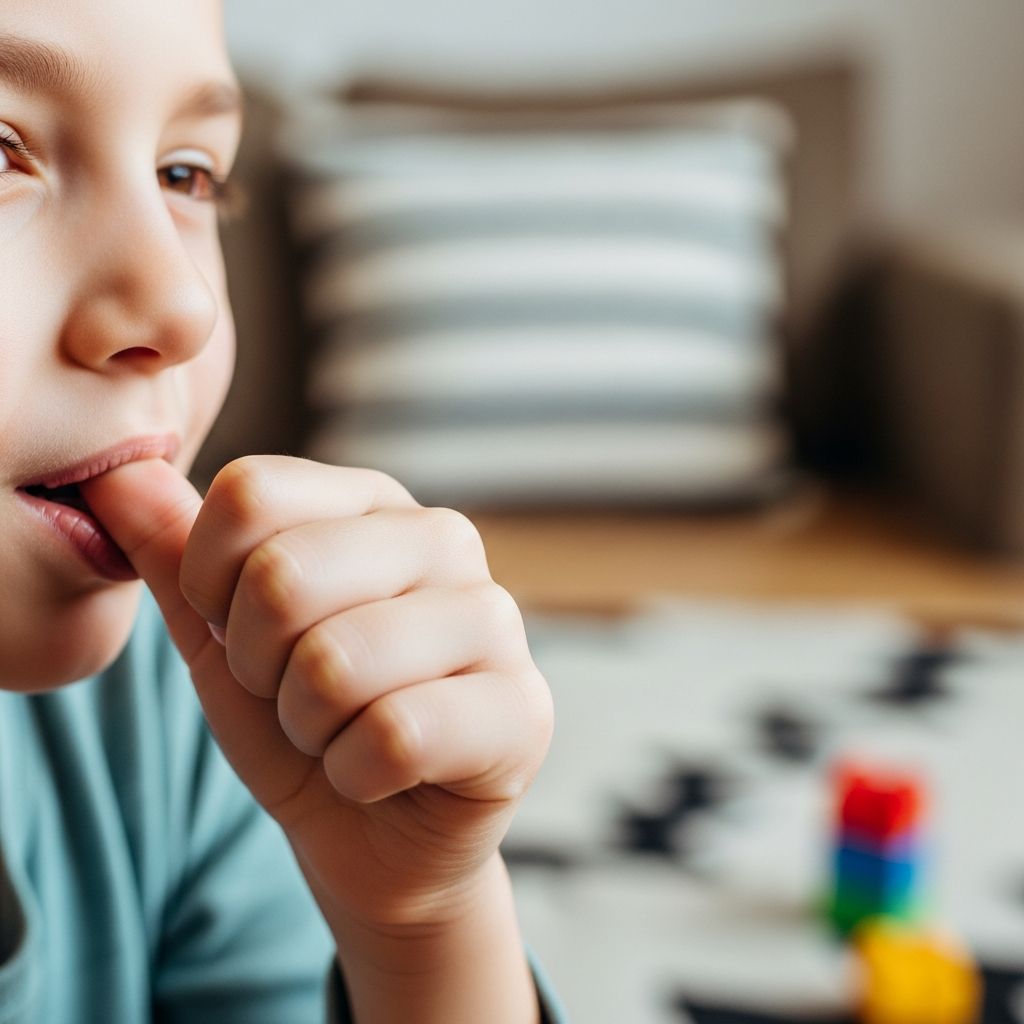
Understanding Thumb Sucking as a Developmental Stage
Thumb sucking is a completely normal reflex in infants and young children, serving as a natural mechanism for self-soothing and comfort. Most children naturally outgrow this habit between the ages of 2 and 4 years without any intervention required. The behavior often emerges as a way for children to calm themselves when they experience stress, anxiety, boredom, or fatigue. Parents should understand that this is a developmentally appropriate behavior rather than a sign of emotional distress or poor parenting. However, when the habit persists beyond the early childhood years or becomes particularly intense and frequent, it can lead to significant dental and developmental consequences that warrant parental attention and strategic intervention.
The Physical Consequences of Prolonged Thumb Sucking
When thumb sucking continues beyond the typical age range, the consistent pressure applied to the teeth, jaw, and palate can result in several concerning dental complications. Understanding these potential outcomes helps parents recognize the importance of addressing the habit before permanent damage occurs.
Dental Alignment Problems
The most common consequence of prolonged thumb sucking is **malocclusion**, which refers to misalignment of the teeth. The continuous pressure from the thumb pushes the upper teeth forward, creating what dentists call an **overbite**, where the upper teeth protrude noticeably over the lower teeth. Simultaneously, the lower teeth may shift backward into the mouth, further compromising the bite. This misalignment can affect a child’s ability to bite through foods properly and chew efficiently, potentially impacting their nutritional intake. Research indicates that children with a history of finger sucking have malocclusion 4.25 times higher than children without this habit.
Jaw and Palate Development
The constant pressure from thumb sucking can significantly alter the shape and development of the palate, the roof of the mouth. The palate may narrow and become pushed upward more than normal, changing the overall structure of the mouth. This alteration can also result in a **crossbite**, where the teeth do not align properly side-to-side, causing uneven wear on tooth surfaces and discomfort in the jaw. These structural changes may restrict normal bone growth in the face, which can have long-term consequences extending beyond dental issues, including potential impacts on breathing and airway development.
Open Bite Development
Another significant dental complication is an **open bite**, which occurs when the teeth do not meet properly when the mouth is closed. This condition can develop asymmetrically, being worse on the side where the child primarily sucks their thumb. An open bite makes it difficult to bite through foods and can affect speech clarity, potentially causing frustration and social embarrassment for the child.
Speech and Developmental Impacts
Beyond dental concerns, prolonged thumb sucking can interfere with speech development in several ways. The altered position of the teeth and changes to the palate affect tongue placement and movement, which are critical for clear articulation. Many children who continue thumb sucking develop a **lisp**, particularly affecting the pronunciation of “s” and “z” sounds. The difficulty with these sounds may lead to frustration, embarrassment, and social challenges at school. In some cases, speech therapy becomes necessary to correct these articulation issues. While research on the direct correlation between thumb sucking and speech disorders is limited, clinical observations document the connection frequently enough that parents should monitor their child’s speech development carefully.
Identifying Triggers and Understanding Motivation
Effective intervention begins with understanding why your child engages in thumb sucking. This habit is fundamentally a self-soothing behavior, so identifying the specific triggers that prompt your child to suck their thumb is essential for developing an effective strategy.
Common Triggers for Thumb Sucking
- Emotional states: Stress, anxiety, worry, or fear can prompt thumb sucking as a calming mechanism
- Boredom and inactivity: Children may suck their thumbs when they lack engaging activities or stimulation
- Tiredness: As children become fatigued, they may resort to thumb sucking to self-soothe before sleep
- Physical discomfort: Teething pain, ear infections, or other sources of discomfort may trigger the behavior
- Hunger: Some children confuse hunger signals with the need for oral comfort
- Absent-mindedness: Older children may suck their thumbs without conscious awareness while focused on other activities like watching television or reading
- Dental misalignment: Occasionally, existing teeth misalignment causes discomfort that children attempt to relieve through sucking
- Medication side effects: Certain medications may create oral sensations that prompt thumb sucking
Observing your child’s behavior patterns helps you identify which specific triggers are most relevant to your situation. Keep a simple log noting when thumb sucking occurs most frequently and what your child was doing or experiencing beforehand. This information becomes invaluable when planning intervention strategies.
Behavioral Strategies for Breaking the Habit
Research supports several evidence-based behavioral approaches that help children gradually discontinue thumb sucking. The most effective strategies combine understanding, positive reinforcement, and practical alternatives.
Engagement and Distraction Techniques
Since thumb sucking often occurs during periods of boredom or inactivity, providing engaging activities that require hand use can effectively redirect the behavior. Activities that occupy both hands and attention include drawing, painting, building with blocks or LEGO, playing musical instruments, playing hand-intensive games, and crafting projects. The key is choosing activities your child genuinely enjoys so they remain engaged rather than returning to thumb sucking out of habit. These activities not only distract from the habit but also develop fine motor skills and creativity.
Positive Reinforcement Systems
Reward-based approaches work well for many children. Creating a visual calendar where your child earns stickers or marks for thumb-sucking-free days can provide motivation. When children accumulate a certain number of sticker-free days, they earn a predetermined reward—not necessarily expensive items, but things they value, such as extra playtime, a special outing, or a small toy. This approach focuses on progress rather than perfection, acknowledging that habit-breaking is a process.
Habit Awareness and Conscious Control
Help your child develop awareness of their thumb sucking by gently pointing it out without criticism or shaming. Make observations like, “I notice you’re sucking your thumb right now. What are you feeling?” This helps children connect their physical behavior to their emotional state, building self-awareness. As children become more conscious of the habit, they can work on catching themselves and substituting an alternative behavior, such as squeezing a stress ball, holding a favorite toy, or clasping their hands together.
Creating Environmental and Social Support
Success in breaking thumb sucking habits increases when the entire family and relevant caregivers understand the goal and provide consistent, supportive responses.
Family Communication and Consistency
Inform grandparents, childcare providers, teachers, and other regular caregivers about your plan to help your child stop thumb sucking. Request that they gently remind your child without negative comments or ridicule. Consistent messaging across all environments reinforces the goal more effectively than efforts in only one setting. Avoid public shaming or negative comments, which can backfire by creating anxiety or rebellion around the habit.
Addressing Underlying Emotional Needs
Since thumb sucking serves as a comfort mechanism, ensure your child has adequate emotional support and alternative ways to self-soothe. This might include increased cuddle time, reassurance during stressful situations, deep breathing exercises, or other calming techniques. Teaching your child healthy coping strategies for managing stress and anxiety provides them with tools they’ll use throughout life.
When to Seek Professional Intervention
While most children naturally outgrow thumb sucking, professional intervention becomes appropriate in certain circumstances. Pediatric dentists recommend evaluation when thumb sucking persists beyond 4 years of age despite consistent behavioral interventions at home. A pediatric dentist can assess whether dental damage has occurred and determine whether orthodontic concerns require treatment. In cases where behavioral approaches haven’t succeeded after several months of consistent effort, a dentist may recommend fitting a dental appliance that makes thumb sucking uncomfortable or impossible, thereby breaking the habit through physical means.
Additionally, if your child seems unable to stop despite genuine attempts, or if the behavior appears compulsive rather than habitual, consulting with a child psychologist or behavioral specialist may help identify underlying anxiety or emotional issues requiring professional support.
Potential Complications Requiring Dental Care
If your child has already experienced dental changes from prolonged thumb sucking, understanding treatment options helps you plan appropriate interventions. When dental damage is purely dental in nature—meaning the teeth have shifted but bone growth hasn’t been disrupted—teeth often shift back to more normal positions once the habit stops. However, if significant bone growth has been affected, orthodontic treatment may become necessary to correct the structural changes.
In cases of moderate tooth damage, dentists may first prescribe a nightguard to protect the teeth from further damage while behavioral interventions continue. More extensive damage might eventually require orthodontic treatment, tooth-colored restorations, or in rare cases, tooth removal. Early intervention significantly increases the likelihood that treatment needs will be minimal, making timely action financially and physically beneficial for your child.
The Connection to Other Oral Habits
Thumb sucking sometimes coexists with other self-soothing habits like nail biting, which affects approximately 50% of children ages 10-18. Like thumb sucking, nail biting can result in dental damage, including bruxism (teeth grinding), malocclusion, weakened tooth roots, and soft tissue damage. If your child engages in multiple oral habits, addressing them together through coordinated behavioral strategies may be more effective than tackling them separately. The underlying cause—often anxiety or a need for comfort—may be the same across multiple habits.
Interesting Research Finding
Interestingly, recent research suggests a potential upside to thumb sucking and nail biting in childhood. A study found that children who engaged in these habits were actually less likely to develop allergies to common triggers such as pollen, cats, and dust. While this doesn’t outweigh the dental and developmental concerns, it suggests that these habits may have evolved as part of normal childhood development and may offer some immunological benefits. This finding doesn’t change intervention recommendations but provides reassurance that children who engaged in these habits haven’t necessarily harmed themselves overall.
Frequently Asked Questions
Q: At what age should I become concerned about my child’s thumb sucking?
A: Most children naturally stop thumb sucking between ages 2 and 4. If the habit persists beyond age 4 or becomes intense and frequent, intervention becomes worthwhile. However, waiting until closer to age 5 or 6 is often reasonable if the habit is mild, as some children still naturally outgrow it during early elementary school years.
Q: Will my child develop dental problems if they suck their thumb now?
A: Thumb sucking in infancy and early toddlerhood typically causes no permanent dental damage. Problems arise when the habit persists intensely as permanent teeth are erupting, usually after age 4 or 5. The duration, frequency, and intensity of the habit matter more than simply having engaged in it.
Q: Can punishment help break the thumb sucking habit?
A: Punishment is counterproductive. Since thumb sucking is a self-soothing behavior, punishing it typically increases anxiety, which increases the need for self-soothing, potentially worsening the habit. Positive reinforcement and supportive approaches work far more effectively.
Q: What should I do if my child sucks their thumb only at bedtime?
A: Bedtime thumb sucking is very common and often the last behavior to disappear. If it’s the only time your child engages in the habit, intervention may be less urgent. Offering a comfort object like a stuffed animal or blanket can provide an alternative soothing mechanism.
Q: How long does it typically take for children to stop thumb sucking with intervention?
A: There’s no universal timeline. Some children stop within weeks of starting behavioral interventions, while others require several months. Consistency and patience are essential, as habits formed over years typically don’t disappear overnight.
Q: Could my child’s thumb sucking indicate an emotional problem?
A: While thumb sucking is a normal self-soothing behavior, excessive or compulsive thumb sucking might indicate underlying anxiety or stress. If you’re concerned, consulting with your pediatrician or a child psychologist can help determine whether additional support would be beneficial.
References
- Thumb Sucking and Other Habits That Impact Baby and Permanent Teeth — Cheng Crowns. 2024. https://chengcrowns.com/blog/thumb-sucking-and-other-habits-that-impact-baby-and-permanent-teeth/
- 8 Harmful Effects of Thumb Sucking in Children — Hardy Pediatric Orthodontics. 2024. https://www.hardypedoortho.com/8-harmful-effects-of-thumbsucking-in-children/
- How Thumb Sucking Can Affect Children’s Oral Development — Pediatric Dentist of Winter Park. 2024. https://www.pediatricdentistofwinterpark.com/2024/10/how-thumb-sucking-can-affect-childrens-oral-development/
- Thumb Sucking – StatPearls — National Center for Biotechnology Information, U.S. National Library of Medicine. 2024. https://www.ncbi.nlm.nih.gov/books/NBK556112/
- How Does Thumb-Sucking Impact Your Child’s Teeth? — Expedition Pediatric Dentistry. 2024. https://www.expeditionpediatricdentistry.com/articles/thumb-sucking-impact-childs-teeth
- Understanding the Effects of Prolonged Thumb-Sucking in Children — Dr. Linda Steele Pediatric Dentistry. 2024. https://www.drlindasteele.com/blog/the-effects-of-prolonged-thumb-sucking-in-children/
- The Truth About Thumb-Sucking — Riley Children’s Health. 2024. https://www.rileychildrens.org/connections/the-truth-about-thumb-sucking