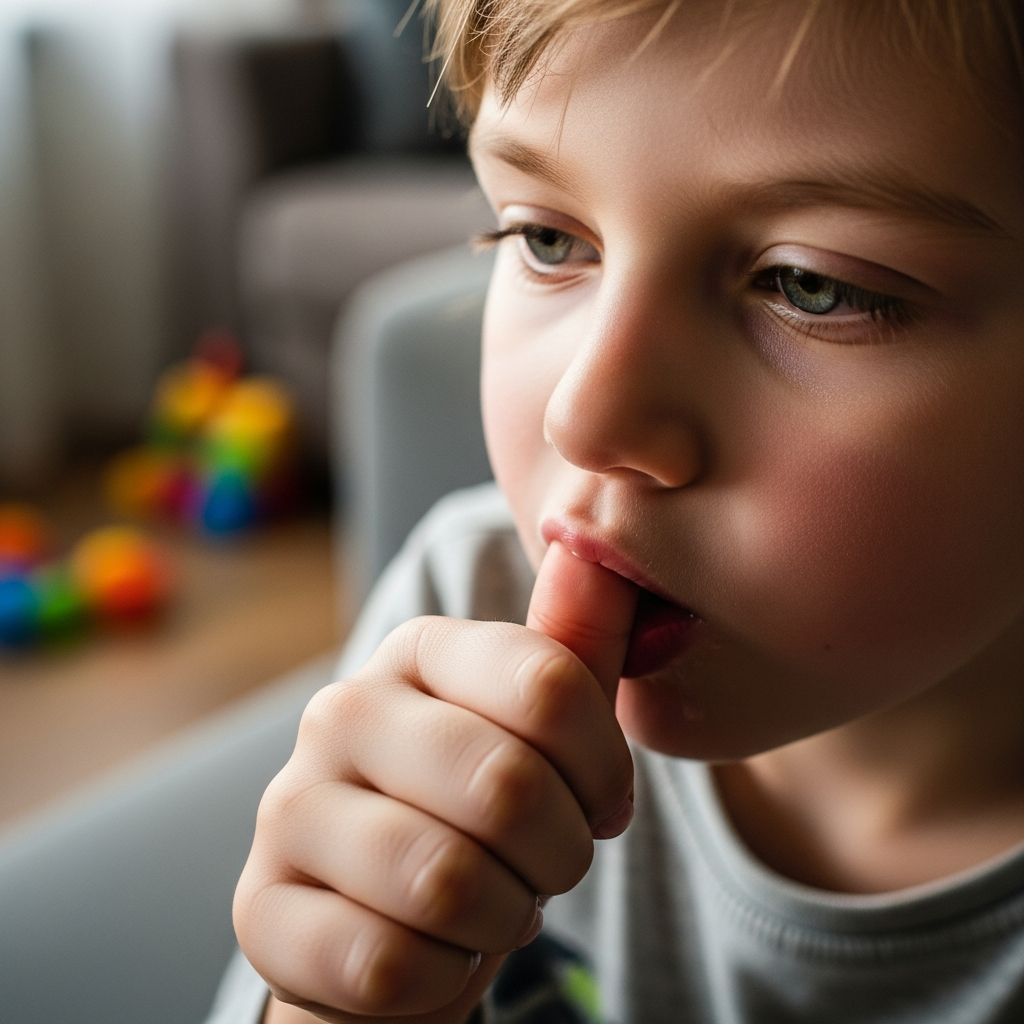
Thumb sucking is a widespread self-soothing behavior among infants and young children, often emerging as a natural response to stress or boredom. While generally harmless in early stages, prolonged practice can lead to dental misalignments and speech challenges. Parents play a key role in monitoring this habit and guiding children toward healthier alternatives.
The Natural Roots of Thumb Sucking
From birth, babies exhibit a strong sucking reflex essential for feeding and comfort. This instinct extends beyond nutrition, becoming a tool for emotional regulation as children navigate their world. When faced with anxiety, fatigue, or excitement, many turn to their thumb for instant calming effects.
Research indicates this behavior peaks during infancy and toddlerhood, with most children outgrowing it by age 4. Factors like lack of pacifiers or heightened emotional needs can prolong it. Understanding it as a developmental phase helps parents respond with patience rather than punishment.
- Common triggers: Bedtime routines, separation anxiety, or overstimulation.
- Prevalence: Up to 15% of preschoolers engage in non-nutritive sucking habits.
- Adaptive benefits: Promotes relaxation and sleep onset in early years.
When Does It Become a Concern?
The shift from benign to problematic occurs around primary tooth eruption, typically ages 2-4. Before teeth emerge, effects are minimal, but constant pressure alters jaw growth and tooth positioning. By age 5, when permanent teeth begin forming, risks escalate significantly.
Intensity matters: light, occasional sucking poses less threat than vigorous, frequent sessions. Duration and resting pressure on teeth drive most changes, potentially leading to lifelong corrections.
Oral Health Impacts of Persistent Thumb Sucking
Prolonged thumb sucking exerts uneven forces on developing mouths, reshaping structures meant to align naturally. Upper front teeth may protrude forward, creating overjets, while lower teeth tilt inward.
| Effect | Description | Potential Consequences |
|---|---|---|
| Anterior Open Bite | Gap between upper and lower front teeth | Chewing difficulties, speech lisps |
| Overbite/Underbite | Misaligned jaw and teeth overlap | Increased orthodontic needs |
| Palate Narrowing | Roof of mouth constricts | Crossbite, jaw discomfort |
| Tooth Eruption Delays | Altered emergence paths | Crowding or spacing issues |
These changes stem from the thumb’s persistent presence, blocking normal eruption and applying lateral forces. Studies link such habits to 4.25 times higher malocclusion rates. Infections rise too, as dirty thumbs introduce bacteria, fostering cavities or ulcers.
Effects Beyond the Mouth: Speech and Emotional Factors
Structural shifts influence articulation. A narrowed palate or open bite hinders tongue positioning, often causing lisps on ‘s’ and ‘z’ sounds. While evidence varies, some children require speech therapy to overcome these hurdles.
Emotionally, the habit signals unmet comfort needs. Peer scrutiny in school years adds social pressure, potentially harming self-esteem. Breaking it requires addressing root stressors like transitions or family changes.
- Speech impediments: Linked to tooth misalignment, though not universal.
- Social stigma: Increases around school entry.
- Emotional ties: Habit persists under stress.
Signs It’s Time for Intervention
Watch for visible dental shifts, speech struggles, or sucking during waking hours. Consult a pediatric dentist by age 4 if no progress, or sooner with signs of damage. Early checks prevent escalation; most mild cases self-correct post-cessation.
Proven Strategies to Curb the Habit
Gentle, positive approaches yield best results. Start with open talks explaining natural progression, using age-appropriate visuals of healthy smiles.
- Positive Reinforcement: Reward thumb-free days with stickers or privileges.
- Distraction Techniques: Offer fidget toys, books, or hugs during triggers.
- Environmental Aids: Socks over hands at night, bitter-tasting nail polishes (child-safe).
- Routine Adjustments: Consistent bedtime rituals reduce anxiety.
For resistant cases, dental appliances like habit-breaking wires provide gentle reminders without pain. Behavioral therapy focuses on rewards and tracking. Avoid shaming, as it heightens stress and reinforces the habit.
Role of Professional Guidance
Pediatric dentists assess damage via exams and X-rays, recommending braces if needed. Speech pathologists aid articulation fixes. Multidisciplinary care ensures holistic support, with most children succeeding by age 7.
Long-Term Outlook and Prevention
Over 90% cease spontaneously by school age, with minimal lasting effects if addressed timely. Post-habit monitoring confirms reversal of minor issues. Foster resilience through secure attachments and stress management from infancy.
Prevention emphasizes alternatives: pacifiers (weaned by 2-4), sensory toys, and responsive parenting. Regular dental visits track progress.
Frequently Asked Questions
Is thumb sucking always harmful?
No, it’s normal until around age 4. Problems arise with prolonged, intense sucking after teeth emerge.
Can it cause permanent damage?
Mild cases often self-correct upon stopping; severe ones may need orthodontics.
At what age should I worry?
Intervene by age 4-5 if persistent, especially with visible changes.
How can I stop it without tears?
Use praise, distractions, and gentle reminders. Professional tools help stubborn habits.
Does pacifier use prevent thumb sucking?
It can substitute but wean early to avoid similar issues.
(Word count: 1678)
References
- 8 Harmful Effects of Thumb Sucking in Children — Hardy Pediatric Orthodontics. Accessed 2026. https://www.hardypedoortho.com/8-harmful-effects-of-thumbsucking-in-children/
- How Can Thumb Sucking Impact My Child’s Teeth? — ICTeeth. Accessed 2026. https://icteeth.com/how-can-thumb-sucking-impact-my-childs-teeth/
- How Thumb Sucking Can Affect Children’s Oral Development — Pediatric Dentist of Winter Park. 2024-10. https://www.pediatricdentistofwinterpark.com/2024/10/how-thumb-sucking-can-affect-childrens-oral-development/
- Thumb Sucking – StatPearls — NCBI Bookshelf. Accessed 2026. https://www.ncbi.nlm.nih.gov/books/NBK556112/
- Understanding the Effects of Prolonged Thumb-Sucking in Children — Dr. Linda Steele. Accessed 2026. https://www.drlindasteele.com/blog/the-effects-of-prolonged-thumb-sucking-in-children/
- Why Do Kids Suck Their Thumb? Causes, Effects, and Solutions — Molar Bear Pediatric Dentistry. Accessed 2026. https://molarbearpediatricdentistry.com/why-do-kids-suck-their-thumb-causes-effects-and-solutions/