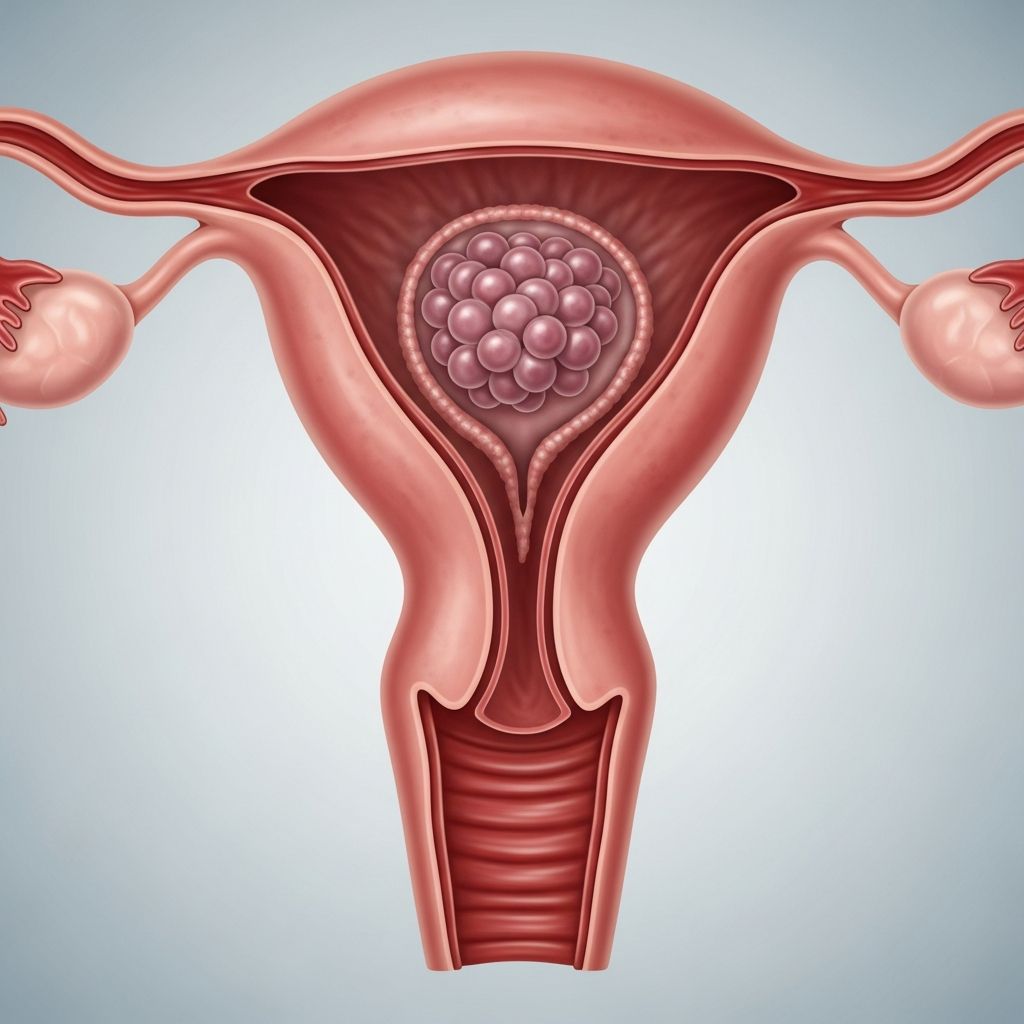
Threatened miscarriage refers to vaginal bleeding accompanied by uterine cramping in the early stages of pregnancy, typically before 20 weeks gestation, while the pregnancy remains viable with a closed cervix.
Recognizing the Signs of Threatened Miscarriage
Early pregnancy complications often manifest through noticeable symptoms that prompt immediate medical attention. The hallmark sign is vaginal bleeding, which can range from light spotting to moderate flow, sometimes including clots. This bleeding occurs in nearly all cases and is usually observed in the first trimester.
Abdominal cramping or pain, resembling mild menstrual discomfort, may accompany the bleeding. Pain can vary from intermittent dull aches to sharper sensations in the lower abdomen, pelvis, or lower back. Unlike complete miscarriage, no tissue passes, and the cervix stays closed.
- Light spotting: Pink, brown, or red discharge noticed during bathroom visits.
- Moderate bleeding: Heavier than spotting but less than a full period, potentially with clots.
- Cramping: Period-like pain, sometimes radiating to the back or thighs.
- Other sensations: Pelvic pressure or suprapubic discomfort without severe intensity.
Bleeding affects about 25% of pregnancies in the first trimester, with roughly half progressing normally. Distinguishing these from normal implantation bleeding is key; threatened cases involve ongoing symptoms warranting evaluation.
Primary Causes Behind Threatened Miscarriage
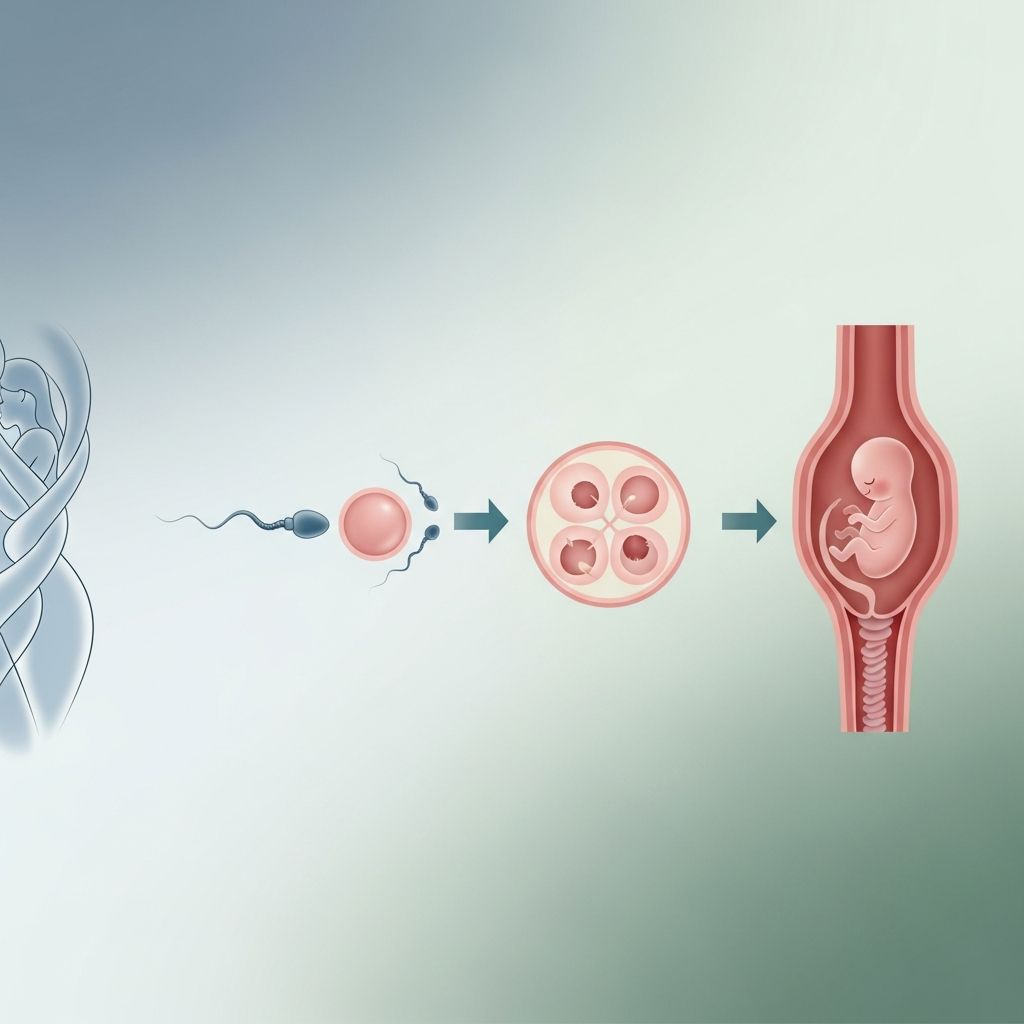
While the exact triggers remain unclear in many instances, several factors contribute to the fragile blood vessels and uterine environment leading to bleeding. Implantation issues, where the embryo attaches to the uterine wall, can cause minor disruptions in blood supply, resulting in hemorrhage.
Subchorionic hematomas—collections of blood between the chorion and uterine wall—are commonly linked, with larger ones elevating loss risk. Cervical sensitivity increases during pregnancy due to softened tissues and heightened vascularity; even minor trauma can provoke bleeding.
Infections in the vaginal or cervical areas may irritate tissues, causing discharge and spotting. Hormonal fluctuations or deficiencies, particularly progesterone, can destabilize the uterine lining. Chromosomal anomalies in the embryo heighten vulnerability, though most pregnancies resolve positively.
| Cause | Description | Risk Level |
|---|---|---|
| Subchorionic Hematoma | Blood pooling near amniotic sac | High if large |
| Cervical Irritation | Trauma or softening | Moderate |
| Infection | Vaginal/cervical pathogens | Variable, with discharge |
| Hormonal Imbalance | Low progesterone | Moderate |
| Implantation Issues | Placental attachment problems | Common early on |
Who Faces Higher Risks?
Certain profiles experience elevated chances. Maternal age over 35 significantly raises odds, as egg quality declines, increasing chromosomal errors. Prior miscarriages double the recurrence risk.
Pre-existing conditions like diabetes, thyroid disorders, or clotting issues (e.g., antiphospholipid syndrome) contribute. Lifestyle elements such as smoking, heavy caffeine intake, or extreme physical strain may exacerbate vulnerability, though evidence varies.
- Age 35+: Risk jumps notably after 40.
- Previous pregnancy loss: History predicts higher incidence.
- Multiple gestation: Twins or more strain uterine resources.
- Chronic illnesses: Uncontrolled conditions heighten threats.
Despite risks, over 80% of threatened cases in viable pregnancies continue successfully with proper care.
Diagnostic Approaches for Confirmation
Evaluation begins with a detailed history of bleeding volume, pain severity, and last menstrual period. Physical exam checks cervical status—no dilation or tissue passage confirms threatened status.
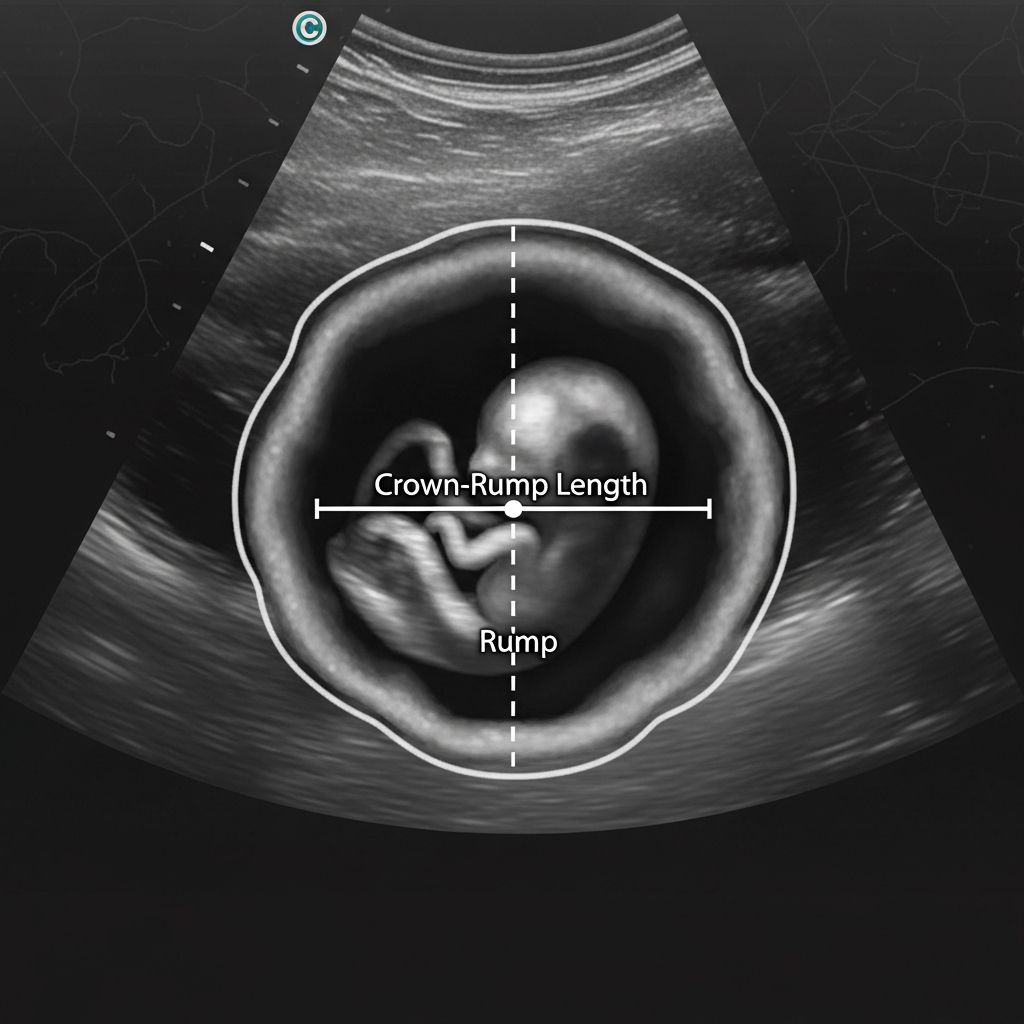
Transvaginal ultrasound is pivotal, visualizing fetal heartbeat, gestational sac, and yolk sac to affirm viability. A beating heart post-6 weeks gestation bodes well. Blood tests measure beta-hCG levels; serial draws track rises (doubling every 48 hours indicates health).
Progesterone levels below 25 ng/mL suggest poorer prognosis; supplementation may be considered. Rule out ectopic pregnancy or molar tissue via ultrasound patterns.
Management and Treatment Options
No cure-all exists, but interventions aim to support the pregnancy. Bed rest or pelvic rest (avoiding intercourse, tampons) is standard, reducing physical stress.
Progesterone therapy, oral or injectable, stabilizes the endometrium in deficient cases. Pain relief with acetaminophen eases cramps; avoid NSAIDs due to bleeding risk. Hydration and monitoring prevent anemia from blood loss.
Hospitalization occurs for heavy bleeding or hemodynamic instability. RhoGAM injection prevents sensitization in Rh-negative mothers. Follow-up ultrasounds monitor hematoma resolution or growth.
Potential Complications and Long-Term Outlook
While many resolve, risks include progression to miscarriage (about 50% in symptomatic cases), preterm birth, or growth restriction later. Large hematomas correlate with higher loss rates.
Emotional toll is significant: anxiety, depression affect up to 20% post-event. Couples counseling aids coping. Successful outcomes post-threatened miscarriage show no increased anomaly risk.
Lifestyle Adjustments for Prevention
Proactive steps mitigate recurrence. Maintain folic acid (400-800 mcg daily), balanced nutrition, and prenatal vitamins. Avoid tobacco, limit alcohol, and manage weight.
Stress reduction via prenatal yoga or mindfulness supports hormonal balance. Regular check-ups catch issues early. After resolution, resume normal activities gradually, following provider guidance.
Frequently Asked Questions (FAQs)
Can a threatened miscarriage lead to a healthy baby?
Yes, most do—over 80-90% of viable pregnancies with closed cervix and heartbeat continue successfully.
Is bed rest necessary?
Often recommended initially, alongside pelvic rest, to minimize strain, though evidence on strict bed rest is mixed.
What if bleeding increases?
Seek immediate care for heavy red bleeding, severe pain, dizziness, fever, or foul discharge—these signal urgency.
Does spotting always mean threatened miscarriage?
No, it can be implantation or cervical changes, but evaluation rules out threats.
Can medications prevent progression?
Progesterone helps select cases with low levels; consult your doctor.
Is ultrasound always needed?
Yes, to confirm viability via heartbeat and exclude ectopic pregnancy.
Navigating threatened miscarriage demands vigilance and support. Prompt care maximizes positive outcomes, empowering parents through uncertainty.
References
- Miscarriage – threatened: MedlinePlus Medical Encyclopedia — MedlinePlus. 2023. https://medlineplus.gov/ency/article/000907.htm
- Threatened miscarriage – Sandwell and West Birmingham Hospitals — SWBH NHS. 2012-07. https://www.swbh.nhs.uk/wp-content/uploads/2012/07/Threatened-miscarriage-ML4609.pdf
- Threatened Miscarriage – StatPearls — NCBI Bookshelf. 2023. https://www.ncbi.nlm.nih.gov/books/NBK430747/
- Threatened Miscarriage – SingHealth — SingHealth. 2023. https://www.singhealth.com.sg/symptoms-treatments/threatened-miscarriage
- What is threatened miscarriage? – Samitivej — Samitivej Hospitals. 2023. https://www.samitivejhospitals.com/article/detail/what-is-threatened-miscarriage