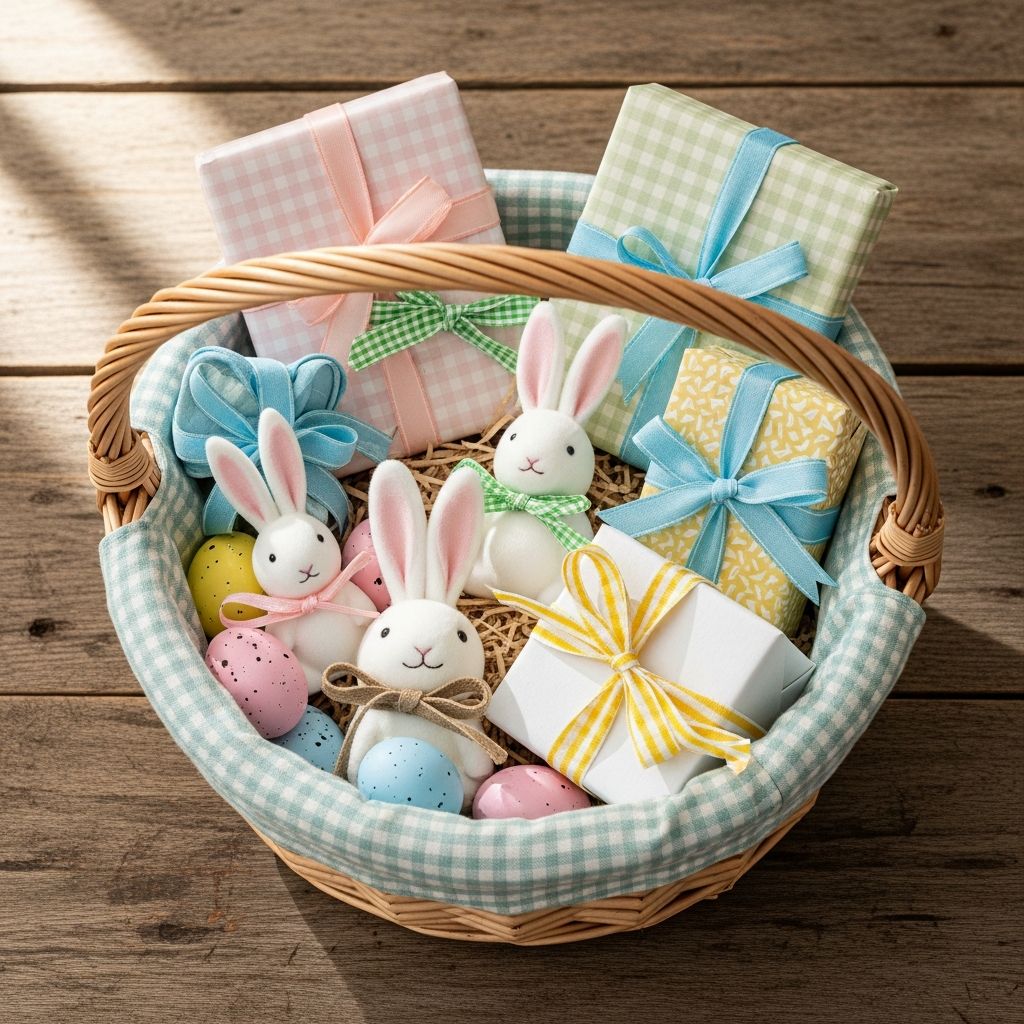
Easter baskets do not have to be sugar bombs that create a five-minute thrill and a week of clutter. With a bit of planning, you can fill baskets with playful, practical, and memorable items that feel like a true spring refresh for kids and adults alike.
Rethinking the Modern Easter Basket
Instead of starting with candy, think of the Easter basket as a small seasonal care package. It can hold things children already need for spring, a few treats, and one or two fun surprises that fit your budget and family values.
Consider your goals before you shop: Do you want to encourage outdoor play, spark creativity, support reading, or simply replace outgrown basics like pajamas and sandals? Clarifying your focus makes it much easier to skip impulse buys.
Core Principles for Thoughtful Basket Gifts
Creating a memorable basket does not require dozens of items. A simple structure keeps spending in check while still feeling generous and special.
- Keep a loose formula: Aim for something to wear, something to read or do, something to use outside, and a small treat.
- Prioritize reusability: Choose baskets, buckets, or tote bags that can be used year-round for storage, outings, or room decor.
- Lean on consumables: Stickers, bath products, art supplies, and snacks get used up instead of turning into permanent clutter.
- Match interests, not trends: A child who loves dinosaurs or space will be far more excited by a themed water bottle than a random viral toy.
Smart Basket Containers That Aren’t Just Baskets
The container sets the tone for the whole gift. Traditional woven baskets are classic, but many alternatives double as part of the present and avoid another bin to store all year.
- Sturdy beach pails or sand buckets for younger kids.
- Small fabric storage bins that can live on a shelf afterward.
- Mini backpacks or drawstring gym bags for school and activities.
- Pretty mixing bowls or baking dishes for adults who love to cook.
- Planters or garden trugs for green-thumbed family members.
Age-By-Age Easter Basket Gift Ideas
Matching your ideas to developmental stages keeps gifts useful and engaging. Use the lists below as mix-and-match inspiration rather than a rigid shopping checklist.
For Babies and Toddlers
Focus on sensory experiences, simple play, and items that support daily routines. Safety and durability matter much more than quantity.
- Board books with springtime animals or gentle textures.
- Soft plush bunny, chick, or lamb that can become a bedtime favorite.
- Silicone snack cups, sippy cups, or bibs in pastel colors.
- Stacking cups or simple nesting toys.
- Bath toys such as floating boats or cups for pouring.
- Lightweight, brimmed sun hats for upcoming outdoor adventures.
- Footless pajamas or cotton rompers in cheerful prints.
For Preschoolers
Preschoolers thrive on imaginative play and hands-on activities. Look for items that invite them to explore, pretend, and help with real-life tasks.
- Washable markers, crayons, and a small sketch pad.
- Sidewalk chalk in bright colors or fun shapes.
- Simple puzzles with large pieces and spring scenes.
- Play kitchen foods or felt vegetables to “harvest”.
- Bubble wands and bubble solution for backyard play.
- Child-sized gardening tools and a packet of easy-grow seeds.
- Character socks, underwear, or a lightweight hoodie.
For Elementary-Age Kids
At this age, kids enjoy projects they can tackle with minimal help and tools that help them feel more capable. Choose gifts that stretch their curiosity and independence.
- Early chapter books, comic collections, or magazines matched to their interests.
- Science or craft kits, such as crystal growing, slime, or beginner embroidery.
- Outdoor toys like jump ropes, flying discs, or foam gliders.
- Reusable water bottles or snack containers with fun designs.
- Card games or travel-sized board games that pack easily for trips.
- Sketchbooks, gel pens, or paint-by-number sets.
- Spring wardrobe updates: sandals, baseball caps, or printed T-shirts.
For Tweens and Teens
Older kids often appreciate feeling seen and respected as budding adults. Instead of novelty gadgets, try practical items that fit their routines and personal style.
- Gift cards for books, music, apps, or a favorite coffee or smoothie shop.
- Tech accessories such as phone stands, charging cables, or small speakers.
- Skincare basics: gentle face wash, lip balm, or sheet masks.
- Journal or planner with a few nice pens or highlighters.
- Sport or hobby gear: resistance bands, art supplies, or instrument accessories.
- Statement socks, beanies, or minimalist jewelry.
- Reusable tote bags or crossbody pouches for on-the-go essentials.
For Adults
Adults enjoy Easter baskets too, especially when they feel tailored rather than tossed together from leftovers. Focus on relaxation, small luxuries, and everyday upgrades.
- Specialty coffee, tea, or hot chocolate mixes.
- Small batch chocolates, cookies, or savory snacks.
- Scented candles, bath salts, or shower steamers.
- New kitchen linens, measuring spoons, or a pretty mug.
- Magazine or digital subscription codes printed on a card.
- Compact puzzles, crosswords, or a paperback novel.
- Seeds and gloves for a gardener, or golf balls and tees for a golfer.
Themed Basket Ideas for Extra Fun
Choosing a theme can simplify shopping and create a cohesive look. Below are several themes that work across age groups; simply adjust the specific items for the recipient.
Outdoor Adventure Basket
Perfect for kids who love to run, climb, and explore. Emphasize gear that gets them outside and away from screens.
- Binoculars or a small magnifying glass.
- Nature journal and colored pencils.
- Reusable water bottle with carabiner clip.
- Sun hat, sunglasses, or a lightweight scarf.
- Bug catcher kit, field guide, or scavenger hunt cards.
Rainy Day Creativity Basket
This theme turns spring showers into an invitation to create. Pick open-ended supplies that allow many uses instead of one-and-done kits.
- Watercolor set, brushes, and thick paper.
- Rolls of washi tape, stickers, and stencils.
- Origami paper with simple instruction booklet.
- Air-dry clay and basic sculpting tools.
- Storage case or art caddy to keep everything organized.
Bookworm Basket
Ideal for quiet kids or adults who live for their next chapter. You can build one basket to share for family reading time or separate versions for each person.
- One new book matched to their favorite genre.
- Cozy socks or a soft throw blanket.
- Bookmark set or clip-on reading light.
- Packaged tea, coffee, or cocoa plus a mug.
- Small notebook for quotes, reflections, or reading logs.
Little Chef Basket
For kids and adults who enjoy the kitchen, a cooking-themed basket supports real-life skills and shared experiences.
- Kid-sized apron or fun adult apron.
- Silicone spatula, whisk, or cookie cutters.
- Dish towel in a spring print.
- Boxed mix for muffins, pancakes, or cookies.
- Recipe card with a family favorite to cook together.
Balancing Treats and Health
You do not have to eliminate candy completely to keep baskets balanced. A small amount of chocolate or favorite sweets can coexist with healthier snacks and non-food items.
- Choose one or two favorite treats instead of a whole bag of mixed candy.
- Fill plastic eggs with stickers, tiny toys, or handwritten coupons for experiences.
- Include fruit-based snacks, trail mix, or mini packs of nuts if age-appropriate.
- Use shredded paper or fabric as filler instead of candy to add volume.
Budget-Friendly Easter Basket Planning
Thoughtful baskets do not have to be expensive. Small, useful items add up to a lovely display when carefully chosen and arranged.
- Set a total budget per basket and list priorities before shopping.
- Shop your home first: unused art supplies, books set aside for later, or extra stickers can feel new to kids.
- Combine gifts for siblings, such as one shared board game or outdoor toy.
- Buy multi-packs of items like markers or bubbles and split them among several baskets.
- Use fabric scraps, scarves, or paper you already have for decorative filler.
Quick Idea Reference Table
The table below provides a fast glance at age-appropriate ideas by category. Mix items from different columns to customize each basket.
| Age Group | Something to Wear | Something to Do | Something for Outside | Treat or Comfort |
|---|---|---|---|---|
| Babies & Toddlers | Sun hat, soft socks | Board book, stacking cups | Shovel and pail | Teething biscuits, plush toy |
| Preschoolers | Character T-shirt | Crayons, simple puzzle | Bubbles, chalk | Fruit snacks, small chocolate bunny |
| Elementary | Cap, sandals | Craft or science kit | Jump rope, disc | Trail mix, novelty candy |
| Tweens & Teens | Graphic socks, hat | Journal, planner, card game | Sports accessory | Gift card, favorite snack |
| Adults | Cozy slippers | Puzzle, paperback | Garden gloves, seeds | Gourmet coffee or chocolate |
Simple Step-by-Step Basket Assembly
A little planning turns a pile of small items into a basket that looks pulled-together and intentional. Follow these steps to streamline the process.
- Choose a theme or focus. Decide whether the basket centers on outdoor play, reading, creativity, or general spring refresh.
- Gather the container and filler. Use paper shreds, tissue, or a small towel to create height and cushion.
- Anchor with the largest item. Place a book, stuffed animal, or clothing piece at the back or center.
- Layer medium items in front. Add kits, toys, and practical items so that each one is visible.
- Tuck in the treats last. Scatter small snacks or eggs where they can be spotted without overwhelming the whole basket.
- Add a finishing touch. A ribbon, tag with the child’s name, or a sprig of faux greenery makes it feel special.
Frequently Asked Questions About Easter Basket Gifts
How much should I spend on an Easter basket?
There is no set amount you must spend; many families choose a modest range and stick to it each year so expectations remain reasonable. Focus on usefulness and meaning over quantity, and remember that one thoughtful item can feel more special than a dozen forgettable trinkets.
Is it okay to skip candy entirely?
Yes. If your family avoids candy for dietary, health, or personal reasons, you can lean entirely on toys, books, and practical treats like art supplies or cozy socks. If other relatives bring sweets, you might keep your own baskets candy-free to balance things out.
How many items belong in a child’s basket?
A good starting point is four to eight items, depending on your budget and the size of the container. Including at least one thing to wear, one thing to read or create, one thing for active play, and one small treat creates a satisfying mix without going overboard.
What can I do with last year’s baskets?
If you used sturdy baskets, repurpose them for toy storage, craft supplies, or closets during the year. You can also rotate containers so each child gets a “new” look without buying replacements annually, or donate extras if they are still in good shape.
How can I keep baskets eco-friendly?
Choose reusable containers, avoid plastic grass, and look for gifts made from durable materials that will actually be used. Opting for consumables like art supplies, snacks, and bath products also cuts down on waste and clutter.