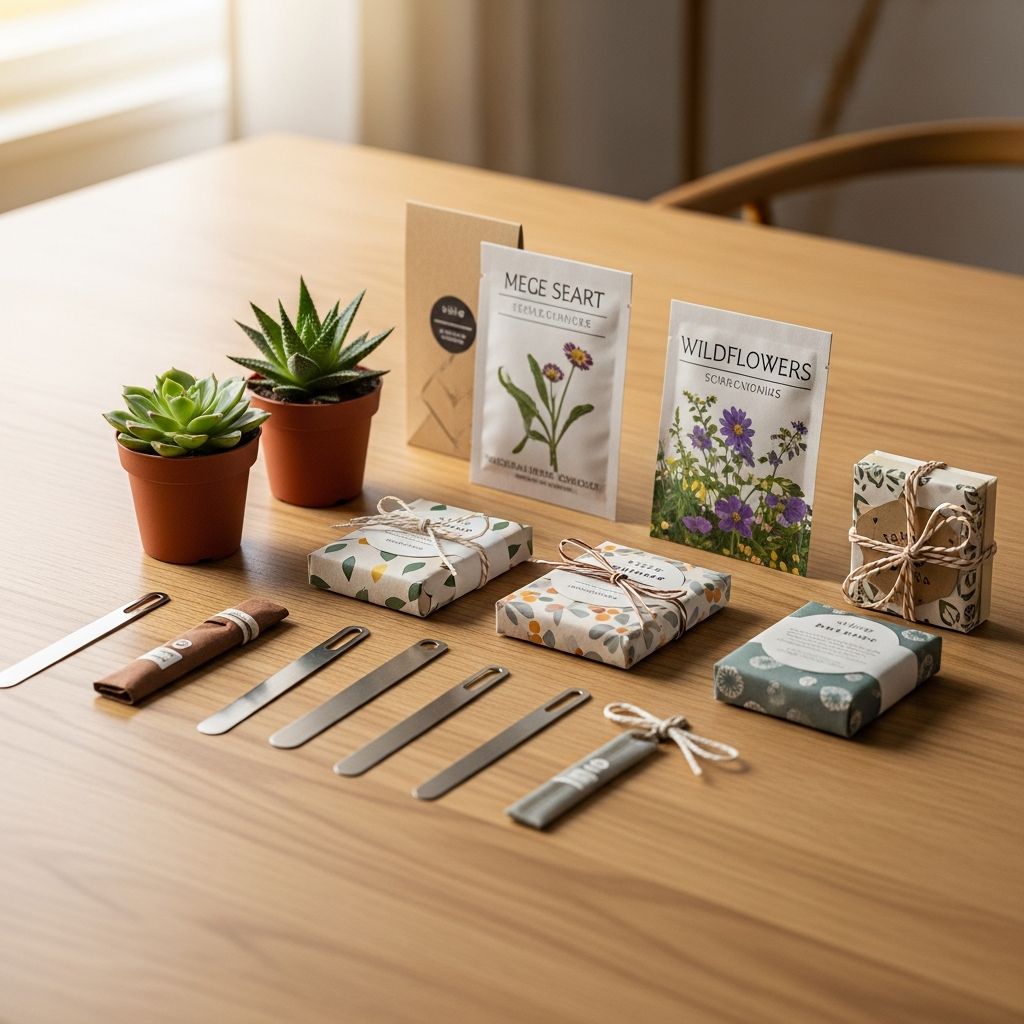
Birthday party favors do not have to be bags of tiny plastic toys that break before your guests reach the car. Thoughtful, minimal, and mostly consumable favors can still feel fun and generous while sparing other families from extra clutter.
This guide walks through how to rethink party favors so they are simple to plan, kind to your budget, and actually appreciated by kids and parents.
Why Rethink Traditional Goodie Bags?
The classic cellophane bag filled with candy and trinkets is familiar, but it often creates more problems than delight. Parents frequently end up sneaking items into the trash after a day or two, and many kids barely touch half of what they bring home.
- Most small plastic toys break quickly or get lost, creating frustration instead of lasting joy.
- Random items that do not match a family’s preferences become clutter in drawers and on shelves.
- Extra sugar and candy can be overwhelming for kids and stressful for parents managing allergies or food limits.
Shifting toward fewer, more intentional favors solves many of these issues while still giving guests something to look forward to at the end of the party.
Core Principles of Better Party Favors
Before picking specific items, it helps to define what makes a favor “good.” A few simple principles can completely change how favors feel.
1. Less is almost always more
One or two thoughtful items can feel more special than a bag of random bits. A single high-quality favor gives a clear message: guests are appreciated, and their time and space matter.
- A single mini craft kit instead of a bag of random toys.
- One full-size snack or treat instead of a pile of candy.
- One reusable item (cup, book, or game) that kids can enjoy many times.
2. Favor it, then finish it
Consumable favors are designed to be used up, enjoyed, and then gone. That might mean food, art supplies, bath items, or hands-on projects kids complete over a few days.
- Snacks and treats that can be eaten within a week.
- Craft projects that get made, displayed, and then eventually recycled.
- Bath bombs, bubbles, or chalk that are used and disappear over time.
3. Practical is not boring
Useful favors do not have to feel like school supplies (although kids often love those too). Items that families will actually reach for again and again feel more generous than something that looks fun but never gets used.
- Water bottles, lunch containers, or themed cups.
- Stickers, washi tape, notepads, or colored pens.
- Simple travel games or decks of cards.
4. Respect other families’ space and values
Thoughtful favors also consider allergies, screen use, and family rules. Choosing flexible, low-mess items reduces awkwardness for guests and feels considerate.
- Avoid strongly scented items if you are unsure about sensitivities.
- Ask about major food allergies when guests RSVP.
- Skip items that feel overly mature or themed around characters families may not know.
Types of Favors That Actually Get Used
Instead of thinking about “bags,” think about categories of favors that fit your party, your budget, and your values. You can mix and match from these groups depending on your guest list.
Consumable Treats (With Thoughtful Options)
Food-based favors are easy crowd-pleasers, but they do not have to be candy overload. A single, nicely presented treat often feels more special than a grab bag of sweets.
- Individually wrapped cookies, brownies, or rice treats.
- Small bags of popcorn, pretzels, or trail mix (with nuts clearly labeled).
- Hot cocoa mix, lemonade mix, or mini tea packets for older kids or tweens.
- Decorated lollipops or chocolate pops tied with a ribbon and name tag.
If you want to be extra considerate, include a brief note on the packaging with ingredients or allergy information so parents can make quick decisions.
Art and Craft Favors
Creative favors keep kids busy after the party and naturally get used up over time. They can be as simple or elaborate as your budget allows.
- Mini sketchbooks with a small set of crayons or gel pens.
- DIY bracelet or bead kits in a small container.
- Paint-your-own wooden shapes, small canvases, or plaster figures.
- Origami paper bundles with a printed sheet of easy folds.
These work especially well if your child loves crafts already, because they double as an extension of the party theme and your child’s interests.
Activity-as-a-Favor Ideas
One of the easiest ways to simplify favors is to combine them with a party activity. Guests create or customize something during the party and take it home, eliminating the need for a separate bag.
- Decorate your own cupcake, cookie, or donut, then box it up.
- Design a T-shirt, tote bag, or pillowcase with fabric markers.
- Plant a seed in a small pot and decorate the pot.
- Make slime, play dough, or putty in a reusable container.
This approach reduces last-minute favor assembly, adds structure to the party schedule, and gives kids pride in what they bring home.
Useful Everyday Items
Many kids are surprisingly excited by small items they can integrate into daily life, especially if they feel a bit grown-up or personalized.
- Reusable straws with a little cleaning brush.
- Stainless steel or BPA-free plastic cups labeled with each child’s name.
- Fun socks, hats, or sunglasses tied to the party’s theme.
- Bookmarks, mini notebooks, or magnetic notepads.
These favors tend to last much longer than plastic figurines and are less likely to end up lost under a couch.
Eco-Conscious Favors
If your family is trying to be more sustainable, favors are a simple place to reflect those values. Choosing reusable, recyclable, or nature-focused items sends a positive message without feeling preachy.
- Seed packets with simple planting instructions.
- Small potted herbs or flowers.
- Wooden toys, puzzles, or spinning tops.
- Fabric bags kids can reuse for toys or travel.
Even something as simple as using paper or fabric packaging instead of plastic can make favors feel more intentional and environmentally friendly.
Budget Planning for Party Favors
Favors can quietly become one of the most expensive parts of a party if you do not set limits. Deciding in advance how much you want to spend helps prevent impulse buys at the last minute.
How much should you spend?
There is no single correct number, but many families aim for a range per child and plan backwards from there. The table below shows example budgets and how they might look in practice.
| Per-Child Budget | Guest Count | Approximate Total | Typical Favor Style |
|---|---|---|---|
| $1–$2 | 10–15 kids | $10–$30 | Single snack + sticker sheet or pencil |
| $3–$4 | 8–12 kids | $24–$48 | Mini craft kit or book + small treat |
| $5+ | 6–10 kids | $30–$60+ | Reusable water bottle, T-shirt, or larger item |
Money-saving strategies
You do not have to overspend to give meaningful favors. A few strategic choices can stretch your budget without lowering quality.
- Buy in bulk and divide items into smaller sets, such as art supplies or snacks.
- Choose one standout item instead of several small ones that add up.
- Let decor double as a favor (for example, each child takes home a balloon or centerpiece item).
- Skip favors entirely for very small gatherings and invest more in the main activity or dessert.
Age-Appropriate Favor Ideas
What delights a preschooler may bore a tween, so it helps to tailor favors to your guests’ ages. Use these age bands as flexible inspiration rather than rules.
Preschoolers (Ages 3–5)
Young children love bright colors, simple activities, and anything they can proudly show parents. Safety is key—avoid very small pieces that could be a choking risk.
- Chunky crayons or washable markers with a small coloring book.
- Play dough or kinetic sand in a lidded container.
- Bubbles with a spill-resistant bottle design.
- Animal masks or capes they can wear out the door.
Early Elementary (Ages 6–8)
At this age, kids enjoy slightly more detailed projects and love items that feel like “big kid” gear. They also appreciate anything that connects to a hobby.
- Simple card games or travel-sized board games.
- DIY slime or science experiment kits with clear instructions.
- Themed notebooks and pens (space, animals, sports, etc.).
- Decorate-your-own cookie or cupcake Box.
Older Kids and Tweens (Ages 9–12)
Older kids often prefer fewer, higher-quality items or a small amount of choice. They may be less interested in character themes and more drawn to trends, hobbies, or experiences.
- Gift cards in small amounts to a local ice cream shop or bookstore.
- Sketch pads, brush pens, or calligraphy markers.
- Sports accessories like sweatbands or water bottles.
- DIY spa kits: lip balm, nail polish, or face masks (with parent approval).
Mixed-Age Guest Lists
If siblings or cousins span several ages, consider favors that work for a wide range or prepare two simple versions: one for younger kids and one for older ones.
- Books sorted by reading level, with each child choosing one.
- Snack boxes where kids pick from a selection.
- Craft tables with easy and more advanced options side by side.
Packaging Ideas That Feel Special (But Are Easy)
Presentation can make even inexpensive favors feel polished. At the same time, packaging does not need to be elaborate or time-consuming.
- Plain paper bags stamped or hand-drawn by your child.
- Simple kraft boxes tied with string or ribbon in your party colors.
- Reusable fabric drawstring bags that guests can repurpose for toys or travel.
- Glassine or paper treat bags for baked goods, sealed with a custom sticker.
Including each child’s name on their favor helps avoid mix-ups, makes kids feel seen, and can double as a place card if favors sit at the table.
Theme-Friendly Favor Inspiration
Favors do not have to match your theme perfectly, but connecting them loosely can make the whole party feel more cohesive. Focus on color palettes or broad concepts rather than exact characters.
- Outdoor or nature party: mini flashlights, compasses, or seed packets.
- Art party: watercolor sets, mini canvases, or paint-with-water books.
- Sports party: sweatbands, foam balls, or trading cards.
- Movie night party: popcorn in reusable tubs and cozy socks.
- Science or space party: glow-in-the-dark stars, experiment cards, or slime kits.
When in doubt, you can always choose neutral but useful items (like books, snacks, or craft sets) and simply match the packaging colors to your theme.
Common Favor Pitfalls to Avoid
Even the best intentions can lead to favors that do not land as hoped. Watching out for a few common missteps keeps things simple and successful.
- Overfilling bags: Adding “just one more thing” leads to clutter and higher costs.
- Ignoring allergies: Always check for major concerns like nuts, gluten, or fragrances.
- Relying on noisy toys: Whistles and loud gadgets may be funny in the moment but stressful later.
- Assuming you must give favors: It is perfectly acceptable to skip them if your budget or capacity is limited.
Remember that the highlight of the day is the celebration itself, not the parting gift. Favors are optional extras, not obligations.
Quick Planning Checklist
Use this brief checklist as you finalize your favor plan. It keeps you focused on simplicity and usefulness while reducing last-minute stress.
- Decide on a per-child budget and guest count.
- Choose one main favor type (treat, craft, useful item, or activity-as-favor).
- Confirm allergies and sensitivities if using food or scented products.
- Purchase items at least a week in advance to allow time for assembly.
- Label each favor with the child’s name if possible.
FAQs About Birthday Party Favors
Do kids notice if there is only one favor item?
Most kids are more interested in whether the favor is fun than in how many pieces it contains. A single special item, like a craft kit, game, or decorated treat, typically feels more exciting than a bag of forgettable things.
Is it rude to skip party favors altogether?
It is not rude to skip favors, especially if you host a simple, meaningful celebration. If you are worried, you can frame an extra-special activity, dessert, or group photo as the “thank you” instead of a physical item.
How far in advance should I prepare favors?
Assembling favors at least a week before the party gives you time to handle any last-minute guest changes and reduces stress the day of the event. Perishable items can be added closer to the party, while packaging and non-food items can be prepared earlier.
What if I have a small budget but want favors to feel special?
Focus on personalization rather than price. Handwritten notes, homemade treats, and simple packaging in your child’s chosen colors can make very affordable favors feel thoughtful and memorable.
How can I involve my child in choosing favors?
Let your child pick from a few parent-approved options and help assemble bags or boxes. This gives them ownership over the party, teaches consideration for guests, and turns favor prep into a shared activity instead of a solo chore.
When you choose favors that are simple, consumable, and truly useful, you send guests home with a little extra joy—not a pile of clutter. Thoughtful small gestures can make your child’s celebration feel even more generous, while staying kind to your time, budget, and the planet.