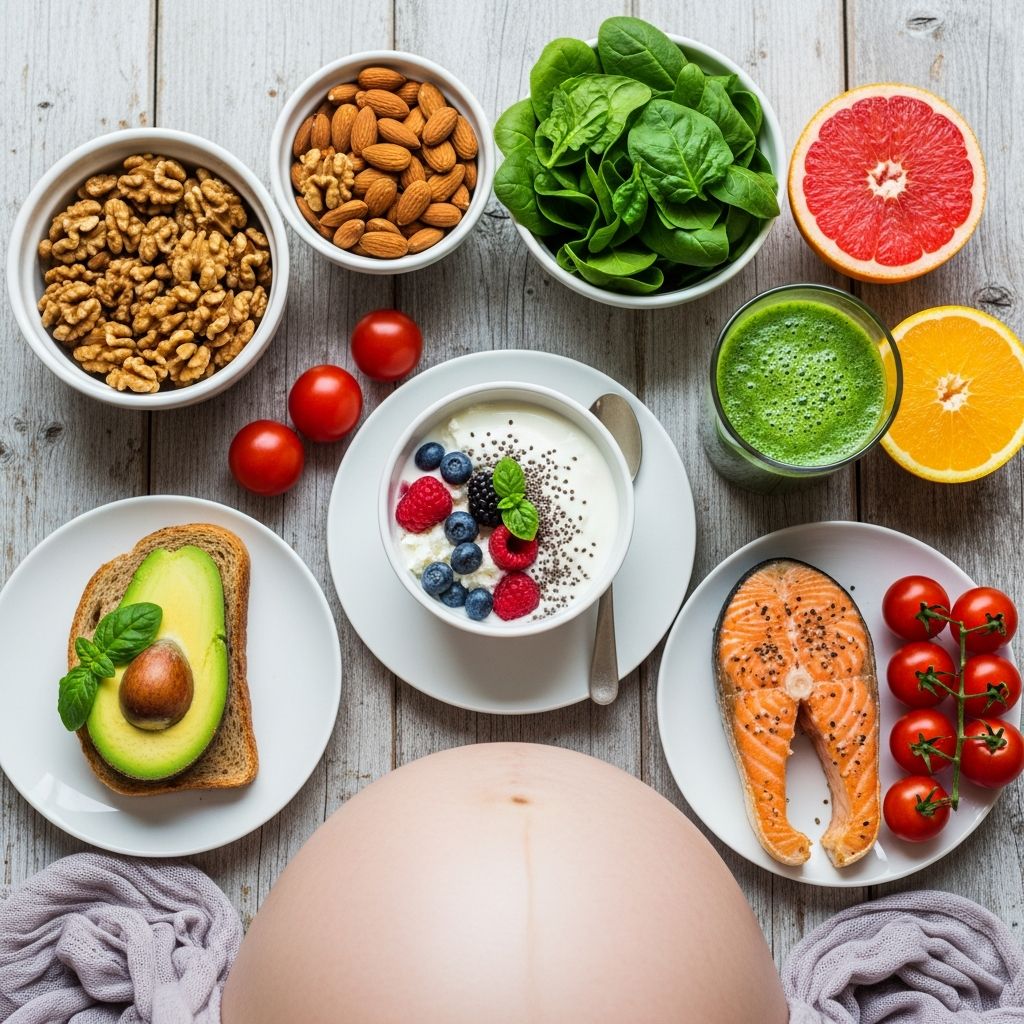
In the third trimester, your baby undergoes rapid growth, packing on weight and developing key organs like the brain and bones. This demands a strategic nutrition upgrade, typically adding about 400-500 extra calories daily to reach around 2,400 total, primarily from nutrient-packed sources rather than empty snacks. Prioritizing proteins, iron, calcium, and omega-3s combats fatigue, supports blood production, and fosters fetal milestones, as outlined by health authorities.
Why Your Eating Habits Must Evolve Now
The final stretch of pregnancy amplifies nutritional demands. Your baby needs robust supplies for lung maturation, fat accumulation, and neural connections, while you face heightened needs for oxygen transport and tissue repair. Calorie increases fuel this without excess weight gain; studies emphasize quality over quantity, favoring whole foods to prevent issues like gestational diabetes or preterm labor. Hydration surges in importance too, aiming for 10-12 cups of water daily to sustain amniotic fluid and ease swelling. Ignoring these shifts risks anemia, low birth weight, or maternal exhaustion.
Building Blocks of a Power-Packed Third Trimester Plate
Construct meals around six pillars: whole grains for sustained energy, lean proteins for tissue building, vibrant veggies for vitamins, dairy for bone strength, fruits for antioxidants, and smart fats for brain health. Diversify to hit daily targets—9-11 grain servings, 4-5 vegetable portions, 3 dairy, and 3 protein servings.
- Whole Grains: Opt for oats, quinoa, brown rice, and barley to stabilize blood sugar and combat constipation with their fiber content.
- Lean Proteins: Chicken, turkey, eggs, beans, and tofu supply amino acids for baby’s muscle and your blood volume expansion.
- Vegetables: Leafy greens like spinach and kale deliver iron and folate; include broccoli and peppers for vitamin C to enhance absorption.
- Dairy or Alternatives: Low-fat milk, yogurt, and cheese provide calcium for hardening fetal bones.
- Fruits: Berries, oranges, and bananas offer hydration, vitamin C, and natural sweetness.
- Healthy Fats: Avocados, nuts, and seeds fuel omega-3s for cognitive development.
Critical Nutrients and Their Food Sources
Certain micronutrients peak in necessity during weeks 28-40. Iron prevents maternal anemia amid blood volume doubling; pair it with vitamin C for better uptake. Calcium hardens baby’s skeleton, pulling from your reserves if deficient.
| Nutrient | Daily Need | Top Sources | Benefits |
|---|---|---|---|
| Iron | 27-30 mg | Lean beef, spinach, lentils, fortified cereals | Boosts oxygen delivery to baby, fights fatigue |
| Calcium | 1,000 mg | Yogurt (258 mg/6 oz), milk (300 mg/cup), kale | Strengthens fetal bones and teeth |
| Protein | 71-75 g | Eggs, poultry, beans, cottage cheese | Supports growth spurts and placental function |
| Omega-3s (DHA) | 200-300 mg | Salmon (low-mercury), chia seeds, walnuts | Enhances brain and eye development |
| Folate | 600 mcg | Leafy greens, oranges, fortified grains | Guards against neural tube issues |
This table draws from authoritative guidelines, showing practical ways to meet targets without supplements alone. For instance, a 6 oz low-fat yogurt delivers over 25% of daily calcium.
Sample 7-Day Meal Plan for Balanced Intake
A structured plan ensures consistency. Aim for small, frequent meals to manage heartburn and nausea. Here’s a customizable weekly blueprint hitting ~2,400 calories.
Monday
- Breakfast: Oatmeal with berries, chia seeds, and milk (450 cal)
- Snack: Greek yogurt with almonds
- Lunch: Quinoa salad with spinach, chickpeas, feta, and lemon vinaigrette
- Snack: Apple with peanut butter
- Dinner: Grilled salmon, sweet potato, broccoli
- Evening: Herbal tea and whole-grain crackers
Tuesday
- Breakfast: Whole-wheat toast, eggs, avocado
- Snack: Carrot sticks with hummus
- Lunch: Turkey wrap with kale, bell peppers
- Snack: Banana and walnuts
- Dinner: Lentil soup, brown rice, yogurt
Wednesday
- Breakfast: Smoothie with spinach, banana, yogurt, flaxseeds
- Snack: Cottage cheese and pineapple
- Lunch: Stir-fried tofu, quinoa, zucchini
- Snack: Orange and handful of nuts
- Dinner: Lean beef stir-fry with mixed veggies
Thursday
- Breakfast: Whole-grain cereal with milk and strawberries
- Snack: Pear and cheese stick
- Lunch: Chickpea salad with tomatoes, cucumber, olive oil
- Snack: Handful of trail mix
- Dinner: Baked chicken, barley, green beans
Friday
- Breakfast: Veggie omelet with whole-wheat toast
- Snack: Yogurt parfait with granola
- Lunch: Tuna salad (light tuna) on greens
- Snack: Mango slices
- Dinner: Bean chili with cornbread
Saturday
- Breakfast: Pancakes from whole grains, topped with nuts and fruit
- Snack: Celery with almond butter
- Lunch: Veggie burger on whole bun with side salad
- Snack: Kefir drink
- Dinner: Trout, couscous, asparagus
Sunday
- Breakfast: Chia pudding with kiwi
- Snack: Hard-boiled egg and cherry tomatoes
- Lunch: Pasta with pesto, peas, and shrimp
- Snack: Berries and seeds
- Dinner: Pork tenderloin, roasted roots, kale salad
Adjust portions based on your doctor’s advice; this plan emphasizes variety for comprehensive nutrition.
Smart Snacking to Sustain Energy
With baby’s position pressing on your stomach, opt for 5-6 mini-meals. Healthy picks include nuts for fats, fruit for hydration, and yogurt for probiotics. Avoid sugary treats that spike then crash energy.
- Yogurt with seeds: Calcium and omega-3 boost
- Apple slices with cheese: Fiber and protein
- Veggie sticks with guacamole: Vitamins and healthy fats
- Trail mix: Portable iron and energy
- Whole-grain toast with egg: B vitamins for nerves
Foods to Limit or Avoid for Safety
Steer clear of high-mercury fish (shark, swordfish), unpasteurized dairy, raw meats, and excessive caffeine (<200 mg/day) to minimize risks like listeria or developmental harm. Limit processed sugars and fried items to control heartburn and blood sugar.
Common Challenges and Solutions
Heartburn? Eat smaller meals, avoid lying down post-eating. Constipation? Up fiber via grains and water. Swelling? Reduce sodium, elevate feet. Consult your provider for personalized tweaks.
Frequently Asked Questions
How many extra calories in third trimester?
Around 450 more daily, totaling 2,400 for most women, from nutrient-dense foods.
Best iron sources for pregnancy?
Lean meats, beans, spinach paired with vitamin C-rich foods like citrus.
Is salmon safe?
Yes, low-mercury types like canned light tuna or wild salmon, 8-12 oz weekly.
Do I need prenatal vitamins?
Yes, especially for DHA, iron, and folate gaps; continue as prescribed.
How to handle cravings healthily?
Satisfy with nutritious swaps, like fruit for sweets or nuts for chips.
These FAQs address top concerns for expecting mothers navigating late pregnancy.
References
- Eating right during pregnancy — MedlinePlus (U.S. National Library of Medicine). 2023-10-15. https://medlineplus.gov/ency/patientinstructions/000584.htm
- Pregnancy diet: Focus on these essential nutrients — Mayo Clinic. 2024-05-22. https://www.mayoclinic.org/healthy-lifestyle/pregnancy-week-by-week/in-depth/pregnancy-nutrition/art-20045082
- Foods to Eat During Your Third Trimester — WebMD. 2024-08-10. https://www.webmd.com/baby/foods-to-eat-during-third-trimester
- Third Trimester KYPrenatal Guide — Kentucky Department for Public Health (CHFS.ky.gov). 2011-09-30. https://www.chfs.ky.gov/agencies/dph/dmch/nsb/Documents/ThirdTrimesterKYPrenatalGuiderev9302011.pdf
- Prenatal Nutrition Goals — U.S. Department of Veterans Affairs (VA.gov). 2023-09-01. https://www.va.gov/files/2023-09/Nutrition%20During%20Pregnancy.pdf