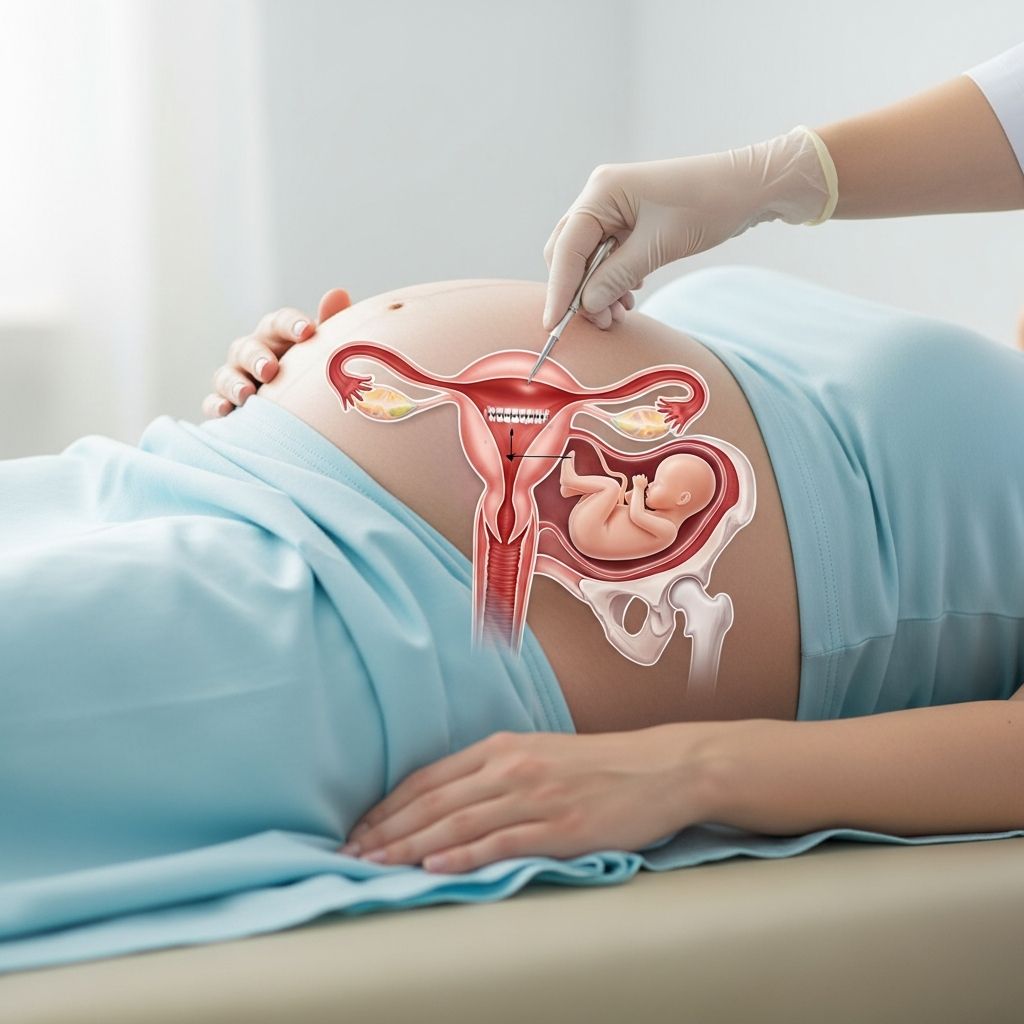
The third trimester marks the exciting culmination of pregnancy, spanning weeks 28 to 40 when your baby rapidly grows and prepares for birth. This phase brings significant physical changes for you and remarkable developmental milestones for your little one, requiring focused preparation and self-care.
Baby’s Growth Milestones Week by Week
During these final months, your baby transitions from a fetus gaining structure to a full-term infant ready for the outside world. Growth accelerates, with fat accumulation for temperature regulation and organ maturation for survival post-birth.
- Weeks 28-32: Baby measures about 15-17 inches and weighs 4-4.5 pounds. Lungs practice breathing rhythms, bones harden while remaining flexible, and eyelids open fully. Fat layers smooth out the skin, reducing the wrinkled appearance.
- Weeks 33-36: Length reaches 16-19 inches, weight climbs to 5.75-6.75 pounds. The fetus often drops into a head-down position, lanugo hair sheds, and senses sharpen as brain activity surges.
- Weeks 37-40: Full-term status at 37 weeks; baby gains roughly half a pound weekly. Fingernails extend beyond fingertips, antibodies transfer for immunity, and lungs finalize maturity right up to delivery.
By week 31, major organs are formed, shifting focus to weight gain—up to half an inch and half a pound per week by week 36, compressing your organs and intensifying discomfort.
Common Physical Changes and Discomforts
As your uterus expands from 2 ounces pre-pregnancy to 2.5 pounds at term, expect amplified symptoms. Shortness of breath arises from diaphragm pressure, while frequent urination stems from bladder compression.
| Symptom | Description | Management Tips |
|---|---|---|
| Back Pain & Fatigue | Baby’s weight strains spine and muscles; tiredness from organ crowding. | Pelvic tilts, prenatal yoga, supportive shoes. |
| Swelling & Leg Cramps | Fluid retention causes ankle puffiness; cramps from circulation changes. | Elevate feet, stay hydrated, gentle stretches. |
| Braxton Hicks Contractions | Irregular tightening preparing uterus; often mistaken for true labor. | Change position, hydrate; call provider if persistent. |
| Sleep Issues & Breathlessness | Size hinders rest; lungs compete for space. | Pregnancy pillow, left-side sleeping, short naps. |
| Hemorrhoids & Varicose Veins | Increased pressure on pelvic veins. | Fiber-rich diet, stool softeners, cool compresses. |
Stretch marks may emerge on abdomen, breasts, and thighs due to rapid skin stretching. Nosebleeds and indigestion can appear from heightened blood volume and reflux. Preeclampsia risk peaks here—watch for sudden swelling, headaches, or vision changes.
Monitoring Baby’s Health and Movements
Track fetal movements daily; a pattern of 10 movements in two hours signals well-being. Reduced activity warrants immediate medical contact. At checkups from week 32, providers assess position via palpation.
Baby’s hiccups, felt as rhythmic flutters from week 29, indicate diaphragm practice. Increased vaginal discharge and colostrum leaks signal body readiness.
Essential Self-Care Strategies
Prioritize nutrition with iron, calcium, and fiber to combat anemia and constipation. Aim for 300 extra daily calories from wholesome sources. Hydration prevents cramps and swelling—target 10 glasses daily.
- Exercise moderately: Walking, swimming ease back pain and boost stamina.
- Rest strategically: Elevate legs, use body pillows for support.
- Mental health: Nesting energy is normal; anxiety about labor is common—discuss with partners or professionals.
Clumsiness increases as center of gravity shifts; avoid heavy lifting and install grab bars if needed.
Key Preparations for Labor and Delivery
Finalize your hospital bag with essentials: comfortable clothes, toiletries, snacks, and baby items. Install and certify your car seat—many hospitals require inspection.
Understand labor stages:
- Early & Active Labor: Cervix dilates to 10 cm amid intensifying contractions (longest for first-timers).
- Pushing Phase: Urge to bear down as baby descends; contractions may ease slightly.
- Placenta Delivery: Quick uterine contraction expels it painlessly.
Draft a birth plan outlining preferences for pain relief, support persons, and interventions. Discuss with your provider by week 36.
Prenatal Appointments and Screenings
Visits intensify: biweekly until week 36, then weekly. Expect Group B Strep tests (weeks 35-37), blood pressure checks, and growth ultrasounds if concerns arise. Discuss postpartum recovery and newborn care.
Packing Your Hospital Bag: A Checklist
- For Mom: Nightgown, robe, non-skid socks, nursing bra, toiletries, hair ties.
- For Baby: Onesies, swaddle blankets, hat, car seat.
- Essentials: ID, insurance, charger, snacks, going-home outfits.
Signs of Labor and When to Seek Help
True labor features regular, intensifying contractions 5 minutes apart, water breaking (clear fluid gush), bloody show, or intense back pain. Preterm signs before 37 weeks demand urgent care.
Emergency red flags: Decreased movements, severe headaches, vision blurring, or abdominal pain.
Frequently Asked Questions
Is the third trimester the most uncomfortable?
Yes, due to baby’s size stressing your body, causing aches, Braxton Hicks, and mobility challenges—often deemed the toughest phase.
How long is the third trimester exactly?
From week 28 to birth around week 40, making it the longest at 12-13 weeks; post-42 weeks is post-term.
Why do I feel so tired in the third trimester?
Rapid growth crowds organs, disrupts sleep, and demands extra energy; rest and light activity help.
When should I start kick counts?
From week 28; aim for 10 movements in 2 hours daily.
Does baby always drop before labor?
Often weeks 32-34 for first pregnancies, providing rib relief but pelvic pressure; not always.
Post-Birth Transition Tips
Prepare for the fourth trimester: bonding, breastfeeding initiation, and recovery. Hormonal shifts may cause ‘baby blues’; seek support if persistent. Stock pads, peri bottle, and stool softeners for healing.
Ensure partner knows newborn basics like swaddling and safe sleep (back position, firm crib).
References
- Third trimester checklist: preparing to welcome your baby — The Mother Baby Center. 2022-09. https://www.themotherbabycenter.org/blog/2022/09/third-trimester-checklist/
- Pregnancy – week by week — Better Health Channel. N/A. https://www.betterhealth.vic.gov.au/health/healthyliving/pregnancy-week-by-week
- First, Second & Third Trimester | Pregnancy Milestones and Stages — Jackson Health System Maternity. N/A. https://maternity.jacksonhealth.org/pregnancy-milestones/first-second-third-trimester/
- Third Trimester of Pregnancy: Fetal Development — American Pregnancy Association. N/A. https://americanpregnancy.org/healthy-pregnancy/pregnancy-health-wellness/third-trimester/
- Your Third Trimester: Weeks 27-42 — Gabrielson Clinic for Women. N/A. https://www.gabrielsonclinic4women.com/resources/pregnancy/third-trimester—week-by-week