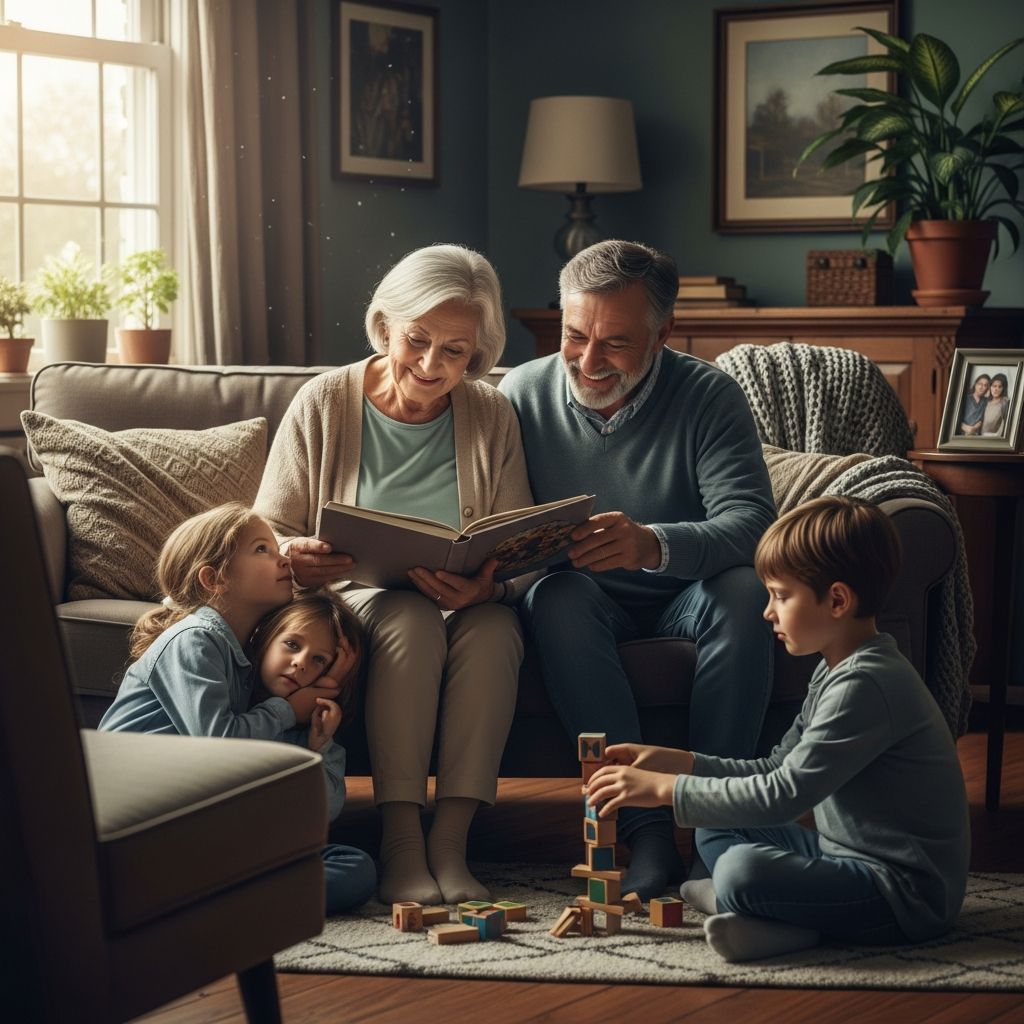
Grandparents hold a unique and irreplaceable position in the fabric of family dynamics. They bridge generations, offering unwavering support to parents while showering grandchildren with boundless affection. In an era where parenting challenges abound, their presence provides stability, joy, and profound lessons that echo through time.
The Vital Role of Grandparents in Childcare and Daily Life
Modern parents often juggle demanding careers, household responsibilities, and the relentless needs of young children. Grandparents step in as reliable partners, providing essential childcare that allows parents breathing room. This assistance isn’t just logistical; it’s a lifeline that fosters family resilience.
Statistics from the U.S. Census Bureau highlight the scale of this contribution. Approximately 2.7 million grandparents in the United States live with and care for their grandchildren, with many serving as primary caregivers. This hands-on involvement ensures children receive consistent care rooted in experience and love.
- Flexible Availability: Grandparents often provide last-minute help for school pickups, doctor’s visits, or evening babysitting, easing parental stress.
- Cost-Effective Support: Their involvement reduces reliance on expensive daycare, preserving family budgets.
- Emotional Security: Children thrive knowing they have a safe haven with family members who prioritize their well-being.
Beyond routine help, grandparents create opportunities for parents to recharge, strengthening their ability to parent effectively. This symbiotic relationship benefits everyone involved, creating a network of trust and mutual reliance.
Crafting Lifelong Memories Through Play and Tradition
One of the purest joys grandparents bring is the gift of time for play and storytelling. Unlike hurried parents, they savor slow-paced interactions—baking treats, gardening together, or sharing tales from bygone eras. These moments etch deep into a child’s heart, fostering creativity and a sense of heritage.
Research from the American Psychological Association underscores how such intergenerational bonding enhances emotional development. Children exposed to grandparents’ narratives develop stronger empathy and cultural awareness.
| Activity | Benefits for Grandchildren | Benefits for Grandparents |
|---|---|---|
| Baking Cookies | Learns patience and following recipes | Relives youthful traditions |
| Storytelling Sessions | Builds imagination and family history knowledge | Passes on wisdom and feels valued |
| Outdoor Adventures | Encourages physical activity and exploration | Stays active and engaged |
| Craft Projects | Boosts fine motor skills and self-expression | Strengthens bonds through collaboration |
These shared experiences transcend generations, turning ordinary days into treasured memories that grandchildren carry into adulthood.
Imparting Wisdom: Life Lessons from Seasoned Hearts
Grandparents are living libraries of practical wisdom, honed by decades of triumphs and trials. They teach resilience, kindness, and the art of savoring simple pleasures—lessons that formal education often overlooks. In conversations over tea or during quiet evenings, they model optimism and gratitude.
A study published by the National Institute on Aging reveals that grandchildren with active grandparent relationships exhibit higher emotional intelligence and better coping skills. This transfer of knowledge equips young ones for life’s complexities.
- Patience in Adversity: Sharing stories of overcoming hardships instills perseverance.
- Value of Manners: Emphasizing respect and politeness shapes character.
- Appreciation for the Past: Historical anecdotes cultivate gratitude and perspective.
Parents benefit too, gaining insights into balanced living amid modern pressures. Grandparents remind us that happiness lies in presence, not perfection.
Emotional Pillars: Unconditional Love and Acceptance
Grandparents offer a sanctuary of unconditional love, free from the expectations parents sometimes face. This acceptance allows children to be themselves, building self-esteem and security. For parents, it’s reassurance during self-doubt, knowing extended family shares the load.
The Journal of Family Psychology notes that strong grandparent-grandchild ties correlate with reduced behavioral issues in children and lower parental burnout rates. Their affirming presence acts as a buffer against stress.
In times of crisis—illness, loss, or transition—grandparents provide steady comfort. They celebrate milestones with genuine enthusiasm, amplifying family joy.
Navigating Boundaries: Building Healthy Family Dynamics
While gratitude abounds, effective grandparenting thrives on clear communication. Parents appreciate involvement but value respecting parenting styles. Open dialogues about expectations prevent misunderstandings, ensuring harmony.
- Discuss schedules and preferences early to align support.
- Honor house rules during visits for consistency.
- Celebrate each other’s roles without competition.
This mutual respect amplifies the positive impact, creating a united front for children’s growth.
Grandparents Raising Grandchildren: A Special Commitment
For some, the role extends to full-time parenting. Kinship care by grandparents prevents foster system entry for many children, offering familial stability. The Annie E. Casey Foundation reports over 2.7 million U.S. children live in grandparent-led homes, a testament to their sacrifice.
These grandparents embody resilience, adapting to modern child-rearing while infusing traditions. Their dedication deserves profound recognition.
The Ripple Effect: Strengthening Family Legacies
Grandparents’ influence creates lasting legacies. Children emulate their values, perpetuating cycles of love and generosity. Families with involved elders report higher cohesion and satisfaction, per longitudinal studies from the Pew Research Center.
As grandparents age, reciprocity grows—grandchildren learn caregiving, closing the circle of family devotion.
Frequently Asked Questions (FAQs)
What can parents do to show appreciation to grandparents?
Express verbal thanks regularly, involve them in decisions, capture memories via photos or videos, and offer breaks or small gifts tailored to their interests.
How do grandparents positively impact child development?
They enhance emotional security, cognitive growth through stories, and social skills via diverse interactions, supported by developmental psychology research.
Are there challenges in grandparent-parent relationships?
Yes, differing parenting philosophies can arise; resolving them through empathetic communication maintains strong bonds.
Why is intergenerational living beneficial?
It provides built-in support networks, cultural continuity, and mutual learning opportunities for all ages.
How can distant grandparents stay connected?
Utilize video calls, send personalized letters or care packages, and plan virtual activities like shared reading sessions.
Conclusion: A Timeless Bond
Grandparents enrich lives immeasurably, weaving threads of love, wisdom, and joy into family tapestries. Their selflessness inspires us to cherish them daily, honoring the legacy they build one hug, story, and helping hand at a time.
References
- Grandparents Day 2023: Facts and Statistics — U.S. Census Bureau. 2023-09-10. https://www.census.gov/newsroom/stories/grandparents-day.html
- Intergenerational Relationships and Child Development — American Psychological Association. 2022-05-15. https://www.apa.org/monitor/2022/06/intergenerational-relationships
- Grandparenting and Grandchildren’s Emotional Well-Being — National Institute on Aging. 2024-01-22. https://www.nia.nih.gov/news/grandparenting-benefits
- Family Ties: Grandparents’ Role in Mitigating Stress — Journal of Family Psychology (APA). 2023-11-08. https://psycnet.apa.org/doi/10.1037/fam0001123
- Kinship Caregivers in the U.S. — Annie E. Casey Foundation. 2025-02-14. https://www.aecf.org/resources/kinship-caregivers
- Family Structures and Happiness — Pew Research Center. 2024-07-19. https://www.pewresearch.org/social-trends/2024/07/19/family-structures/