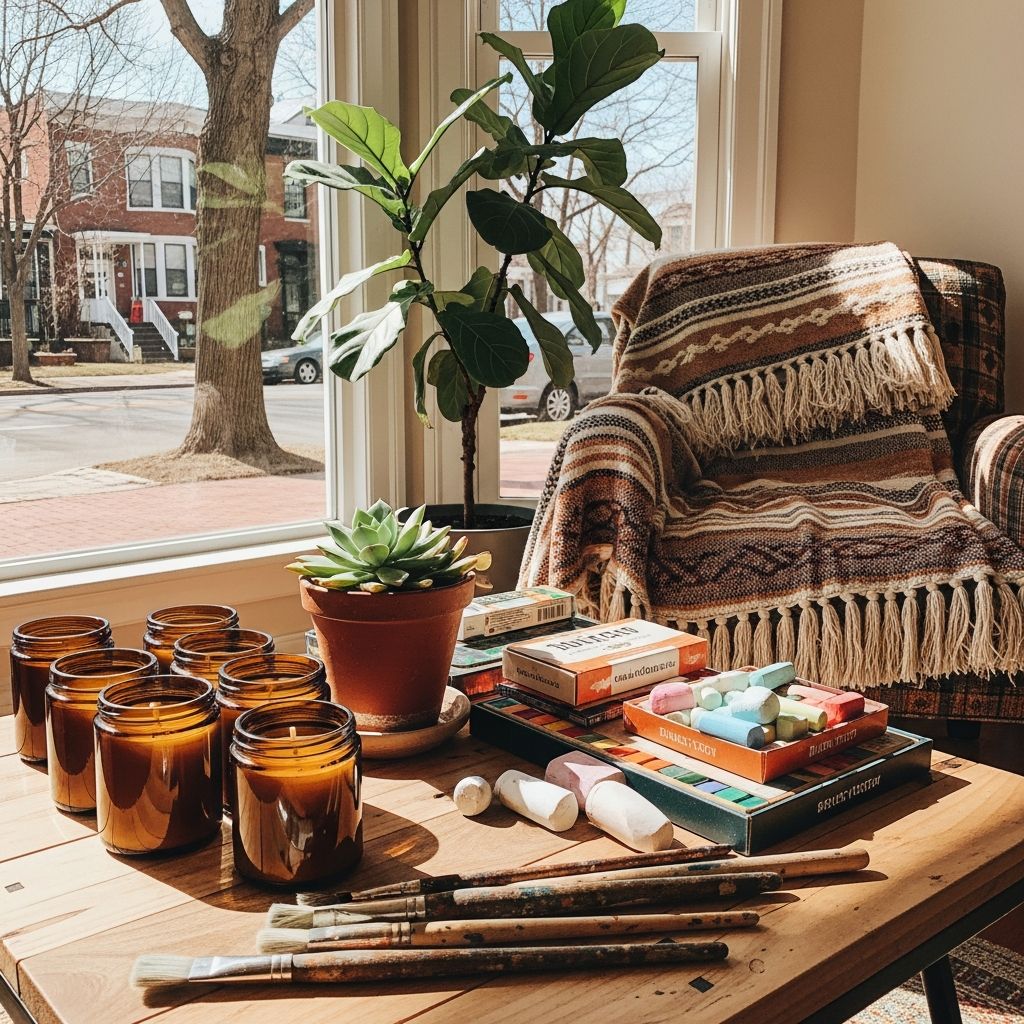
The modern urban–suburban hippie is not a throwback character from a dusty photograph, but a living, evolving mashup of eco-consciousness, creativity, and quiet rebellion against frantic, over-scheduled life. Instead of dropping out entirely, this new version of the hippie sneaks sustainability and soulfulness into carpool lanes, grocery runs, and PTA meetings.
What follows is an original exploration of this mindset and how it reshapes home, parenting, and community life—without requiring anyone to move to a commune or give up indoor plumbing.
The Modern Hippie Mindset
Today’s urban–suburban hippie is less about rejecting society and more about carefully editing it. Instead of chasing perfection, they chase alignment: alignment between values and daily actions, between how they spend their time and what they claim to care about. The goal is not to live a flawless, plastic-free existence, but to live a conscious, curious one.
This mindset often shows up in small, deliberate choices. A family might still own a minivan, but it carries reusable bags, bulk jars, and hand-me-down soccer cleats instead of stacks of throwaway packaging. The refrigerator might hold both organic produce and leftover pizza from last night’s kid meltdown, and both belong there without guilt.
Core Values in Practice
- Intentionality over image: Decisions are based on what feels right, not what looks impressive on social media.
- Progress over perfection: Small sustainable steps matter more than grand, impossible pledges.
- Curiosity over certainty: There is room to ask, experiment, and change course as life evolves.
Home as a Gentle Rebellion
For the urban–suburban hippie, home is not just a storage unit for stuff; it is a quiet protest against hurry, noise, and consumption. Curious children, half-finished DIY projects, mismatched pottery, and overflowing bookshelves act as visual manifestos. Instead of aspiring to a catalog-perfect living room, the goal is a space that feels used, loved, and a little wild around the edges.
Plants trail down bookshelves, homemade cleaners sit under the sink, and secondhand furniture tells a story. A well-worn rug can host yoga at dawn, Lego explosions at noon, and friends gathered on cushions by night. The house becomes a living, breathing organism rather than a showroom.
Typical Urban–Suburban Hippie Home Features
| Area | Conventional Setup | Hippie-Inspired Twist |
|---|---|---|
| Living Room | Coordinated sofa set, TV as the focal point | Thrifted chairs, floor cushions, plants, books, a corner altar or meditation spot |
| Kitchen | Disposable products, single-use plastics | Glass jars, cloth napkins, bulk bins, compost pail, herbal tea corner |
| Kids’ Spaces | Plastic toys, flashy electronics | Open-ended toys, art materials, nature baskets, reading nooks |
| Outdoor Area | Perfect lawn, ornamental plants | Pollinator-friendly flowers, veggie beds, chalk murals, a hammock or simple seating |
Small Home Shifts with Big Meaning
- Replacing one-time-use paper towels with a basket of cloth rags made from old T-shirts.
- Letting kids tape their artwork to walls and cupboards, turning the home into a rotating gallery.
- Swapping heavily scented chemical cleaners for simple mixes of vinegar, water, and essential oils.
- Allowing some surfaces to stay imperfect instead of tidying away every expression of real life.
Conscious Consumption, Imperfectly Done
The stereotype suggests the hippie lifestyle is only for those with the time and money to buy every eco-certified product on the market. The modern interpretation is more down-to-earth and pragmatic. It acknowledges that people live within budgets, busy schedules, and complex households. Instead of demanding purity, it suggests layering better choices where they fit.
Conscious consumption becomes a flexible practice: sometimes it looks like shopping at a local co-op; other times it means grabbing groceries at a discount chain and augmenting them with a few thoughtfully chosen items. What matters most is not where every product was purchased, but the larger pattern of intention behind those purchases.
Simple Sustainable Swaps
- Choose one category—such as cleaning products, coffee, or bathroom paper goods—and upgrade to a more sustainable option first.
- Favor repair and mending over immediate replacement; a visible patch can become a badge of honor instead of an embarrassment.
- Borrow, rent, or share tools and special-occasion items with neighbors instead of buying new.
- Keep a donate box in the closet for things that no longer serve the family, passing them on while they still have life.
Parenting with Dirt Under the Fingernails
Urban–suburban hippie parenting tends to value curiosity over compliance and experience over spotless clothing. Grass stains, paint on fingers, and a freezer full of homemade popsicles are treated as signs of a good day rather than failures of control. The intent is not to raise children who are feral, but children who are resourceful, compassionate, and comfortable outside of rigid structures.
Instead of measuring childhood solely by achievements and scheduled activities, this approach pays close attention to unstructured time. A child’s afternoon might include organized sports, but it is also greeted with open doors, chalk buckets, and permission to engineer elaborate fairy villages in the backyard.
Hippie-Inspired Parenting Habits
- Leaving room for boredom so kids can discover their own interests rather than having them supplied on a schedule.
- Encouraging children to help grow food in even the tiniest spaces, from herbs in windowsills to tomatoes on balconies.
- Using nature walks as a moving classroom to talk about plants, seasons, insects, and simple mindfulness.
- Letting kids witness basic household rituals like mending, cooking from scratch, and tending compost, so they grasp how life actually works.
Boundaries, Freedom, and Realistic Limits
Gentle parenting does not mean the absence of boundaries. The modern hippie parent still sets bedtimes, safety rules, and limits on screen time; the difference lies in how those boundaries are communicated and enforced. Respect is treated as a two-way street, where the voices of children matter even when they do not get their way.
On any given day, this might look like family meetings, age-appropriate chores, shared decision-making about activities, and clear discussions about why certain choices are off the table. The ideal is not a life without conflict, but a home where conflict leads to understanding more often than resentment.
Rituals, Spirituality, and Everyday Magic
The urban–suburban hippie often carries a quiet spiritual streak that does not always fit neatly into formal religion. Rituals may be a blend of yoga, meditation, candles, journaling, or moon-watching on the back porch. The sacred is invited into daily life without requiring complex ceremonies or rarefied spaces.
Creating tiny altars—on bookshelves, window sills, or desk corners—becomes a way to mark what matters. A stone from a favorite beach, a child’s drawing, incense, or a small plant can turn any surface into a reminder to slow down and breathe. These small shrines function as anchor points amid noisy days.
Simple Ritual Ideas
- Lighting a candle before dinner and inviting each person to share one gratitude and one challenge from their day.
- Starting mornings with five minutes of stretching or quiet breathing instead of immediately checking phones.
- Marking seasonal shifts (equinoxes, solstices) with simple traditions like picnics, nature crafts, or reflection prompts.
- Ending the week with a “screen sabbath” evening filled with board games, music, or storytelling.
Work, Money, and the Art of Enough
Many modern hippies live in cities or suburbs because that is where their work, families, or communities are rooted. Instead of dreaming of escape at all costs, they experiment with redefining success from the inside. The question shifts from “How do I get more?” to “How much is enough for a well-lived life?”
This reframing can influence career choices, spending patterns, and time allocation. Some choose flexible or part-time work to protect family time; others keep demanding jobs but fiercely guard evenings and weekends. Many learn to find joy in modest luxuries—library books, home-cooked meals, shared babysitting co-ops—rather than chasing every new trend.
Money Mindset Shifts
- Tracking not only where money goes, but how each expense feels—draining, neutral, or nourishing.
- Choosing experiences (camping trips, local concerts, art classes) over accumulating more household items.
- Supporting independent makers, farmers, and small shops when possible, even if only for select purchases.
- Building an emergency fund as a form of practical self-care and resilience.
Community, Sidewalks, and Micro-Activism
For urban–suburban hippies, community is both a safety net and a laboratory for change. Connection might look like neighborhood potlucks, tool libraries, garden swaps, or simply knowing the names of the people who live on the same street. These relationships become the backdrop for small acts of resistance against isolation and apathy.
Activism often happens at a micro scale. Someone might not be organizing massive rallies, but they are teaching kids about recycling, writing to local officials about safer crosswalks, or organizing a clothing swap on a Saturday afternoon. The philosophy is simple: meaningful change starts within walking distance.
Everyday Community-Building Ideas
- Start a seasonal block gathering—hot cocoa in winter, lemonade in summer, soup in fall—where everyone brings something small.
- Set up a free little library box or seed exchange on your front lawn.
- Invite neighbors to co-create a pollinator garden strip or to plant trees on the street together.
- Offer skills to others—tutoring, sewing, bike repair—in informal, friendly ways.
Balancing Idealism and Burnout
Trying to live according to deeply held values while navigating work, kids, commute, and bills can be exhausting. Without care, the same sensitivity that fuels compassion can also spark burnout. The pressure to be endlessly ethical and endlessly productive is a heavy load to carry.
The modern hippie’s challenge is to maintain a soft, steady flame instead of trying to be a bonfire every day. This often requires saying no to extra commitments, accepting partial victories, and treating rest as a non-negotiable need rather than an indulgence.
Self-Care That’s More Than Bubble Baths
- Rotating responsibility within the household so no one person becomes the chief emotional and logistical engine.
- Scheduling regular, tech-light pockets of time just to wander, read, or create for pleasure.
- Practicing guilt-free shortcuts—frozen veggies, simple dinners, messy hair days—when energy is low.
- Allowing space for contradiction: being eco-conscious and still occasionally buying takeout in plastic containers.
Living the Question, Not the Brand
One of the most quietly radical aspects of the urban–suburban hippie lifestyle is its refusal to crystallize into a perfect brand. Instead of chasing a label, this path invites people to continually ask: “What kind of person do I want to be in this world, and what tiny thing can I do today to move closer to that?”
Some days that answer might be planting native flowers or biking to the store. Other days it might be turning off the news, making tea, and listening sincerely to a friend. The goal is not to arrive at a pure identity, but to move through life with eyes and heart a bit more open than before.
Frequently Asked Questions
Do I have to be perfectly eco-friendly to call myself a hippie?
No. The spirit of this lifestyle is about effort, awareness, and compassion, not perfection. Even small changes—like bringing a reusable water bottle, buying secondhand sometimes, or supporting local farmers when you can—fit the ethos.
Is this lifestyle only for people with a lot of free time?
Not at all. Many urban–suburban hippies juggle full-time jobs, kids, and long commutes. The key is weaving small, aligned choices into an existing life rather than overhauling everything overnight.
What if my partner or kids aren’t on board?
Start with what you can control—your own habits, your personal spaces, and your daily rhythms. Often, gentle consistency and visible benefits (like better food, calmer mornings, or more fun weekends) will naturally draw others in over time.
Can I be a modern hippie in a tiny apartment or dense city?
Absolutely. Window herb gardens, balcony planters, bike commutes, neighborhood cleanups, and intentional purchasing are all available in city life. The essence lies in mindset and actions, not square footage.
Where should I start if this feels overwhelming?
Pick one area: your kitchen, your closet, your morning routine, or your community connections. Make one small, meaningful change there, live with it for a while, and let your next step emerge from what you learn.