The spleen and lymphatic system are quiet body systems that rarely get attention until there is a problem, yet they are working around the clock to help your child fight germs, clear out worn-out blood cells, and manage fluid levels.
Big Picture: A Hidden Defense Network
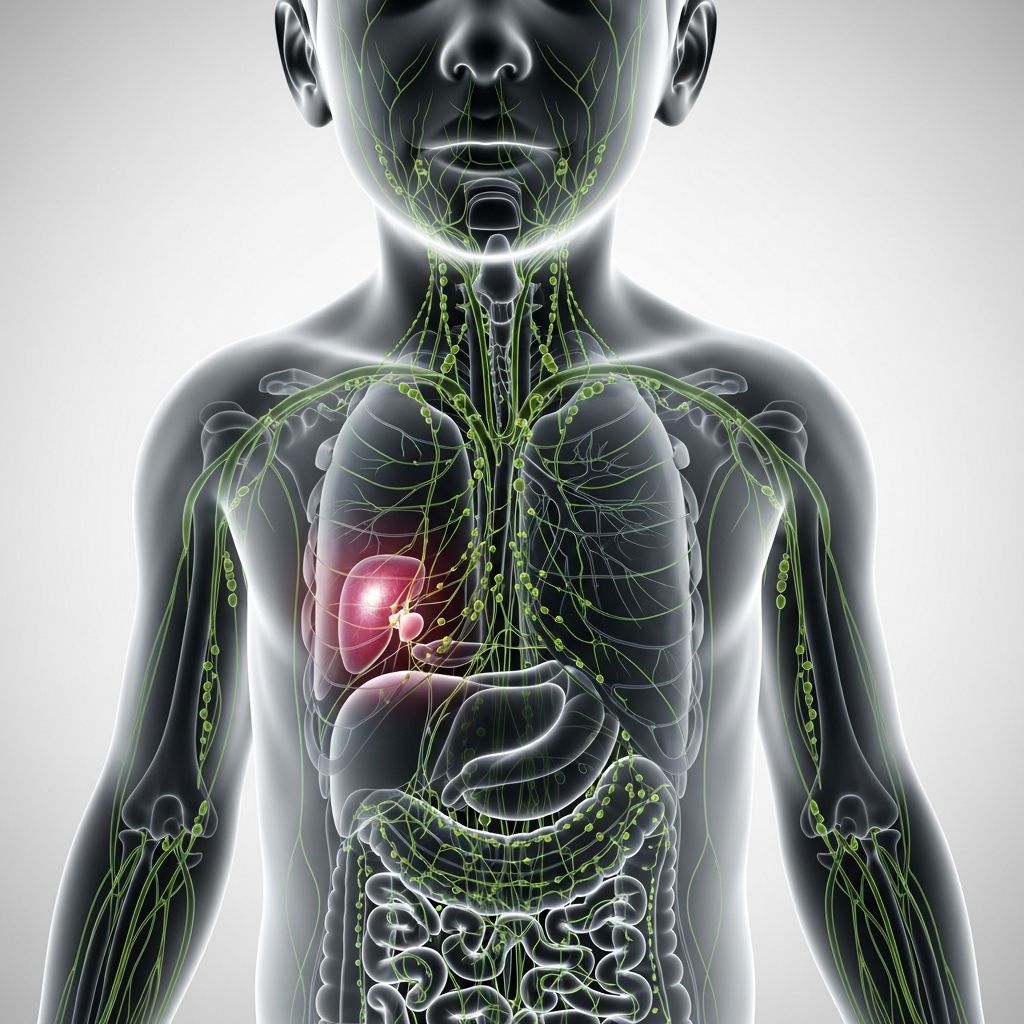
Inside your child’s body is a network of tissues, organs, and vessels that constantly checks the blood and body fluids for germs and damaged cells. This network is called the lymphatic system, and the spleen is one of its most important organs.
Although the spleen is not as famous as the heart or lungs, it plays a key role in both immunity and blood health, especially during childhood when infections are common and the immune system is still maturing.
Where the Spleen Lives and What It Looks Like
The spleen sits high in the left side of the upper abdomen, tucked under the rib cage and behind the stomach. In a healthy child, it is usually not visible from the outside and can be difficult to feel unless it is enlarged.
It is a soft, spongy organ with a rich blood supply, which allows it to act like a biological filter and storage container for the blood that passes through it many times each day.
Main Jobs of the Spleen in Children
The spleen has several crucial duties that become especially important during childhood, when kids are frequently exposed to viruses and bacteria at school, daycare, and playgrounds.
- Filtering the blood: The spleen removes old or damaged red blood cells and platelets so that fresher, healthier cells can circulate.
- Helping fight infections: It houses white blood cells that recognize germs in the bloodstream and help mount an immune response.
- Storing blood components: The spleen can store extra red blood cells and platelets and release them when the body needs more, such as during illness or bleeding.
- Recycling materials: Parts of worn-out blood cells are broken down and reused, helping the body conserve iron and other important substances.
The Lymphatic System: More Than “Glands”
Many parents first hear about the lymphatic system when a doctor mentions “swollen glands” in the neck during a sore throat. Those small lumps are lymph nodes, and they are part of a much larger system that runs throughout the body.
The lymphatic system includes lymph nodes, lymphatic vessels, and special organs such as the spleen, tonsils, and thymus. Together, they help maintain fluid balance and support immune defenses.
Key Parts of the Lymphatic System
- Lymphatic vessels: Thin tubes that collect a clear fluid called lymph from body tissues and return it to the bloodstream.
- Lymph nodes: Bean-shaped filters clustered in areas such as the neck, armpits, chest, abdomen, and groin.
- Tonsils and adenoids: Lymphatic tissues in the throat and nasal area that help trap germs entering through the mouth and nose.
- Thymus: A small organ in the upper chest that plays a major role in training certain immune cells during early life.
- Spleen: The largest lymphatic organ, responsible for blood filtering and immune surveillance.
What Is Lymph and Why Does It Matter?
Lymph is a clear, watery fluid that forms when a small amount of fluid leaks out of tiny blood vessels and bathes the body’s tissues. Instead of letting this fluid build up and cause swelling, lymphatic vessels collect it and funnel it back into the bloodstream.
Lymph contains white blood cells, proteins, and sometimes fats from the intestines. As lymph flows through lymph nodes and the spleen, germs and foreign particles are trapped and destroyed, which helps prevent infections from spreading.
How the Spleen and Lymphatic System Work Together
The spleen and the rest of the lymphatic system are closely connected, both in structure and function. Lymph nodes filter lymph, while the spleen filters blood, giving the body two different ways to catch invaders and abnormal cells.
When a child picks up a virus or bacterium, immune cells in both the lymph nodes and spleen can recognize markers on these germs, multiply rapidly, and help generate antibodies and other defenses.
| Structure | Main Fluid Filtered | Common Location | Everyday Role in a Child |
|---|---|---|---|
| Lymph nodes | Lymph (tissue fluid) | Neck, armpits, chest, abdomen, groin | Trap germs from skin, throat, lungs, and other tissues; often swell during infections. |
| Spleen | Blood | Upper left abdomen, under the ribs | Filters old blood cells and helps detect germs circulating in the bloodstream. |
Why These Organs Matter More in Childhood
Children are still building their library of immune “memories,” so their lymphatic system and spleen are especially active. This is one reason kids get more frequent infections than adults, but also why they generally recover quickly once the immune response kicks in.
Healthy spleen and lymphatic function support reliable responses to vaccines, quick clearance of certain bacteria from the blood, and proper control of body fluids, all of which help children stay resilient as they grow.
Common Spleen and Lymphatic Issues in Kids
Most children will never experience serious spleen or lymphatic problems, but some conditions do occur and are worth recognizing early. Many are temporary and linked to infections, while others may be related to underlying blood or immune disorders.
Swollen Lymph Nodes
Swollen lymph nodes are one of the most frequent reasons parents notice something related to the lymphatic system. Nodes often enlarge during viral or bacterial infections in nearby areas, such as throat infections, ear infections, or skin irritations.
- Nodes that are small, slightly tender, and move easily under the skin are commonly related to routine infections.
- Nodes that are very large, hard, fixed, or associated with persistent fever or weight loss should be checked by a doctor promptly.
Enlarged Spleen (Splenomegaly)
An enlarged spleen can have many causes, including certain viral infections, blood disorders, liver disease, and some immune conditions. Because the spleen is tucked under the ribs, parents usually cannot see or feel it themselves.
- Doctors may detect an enlarged spleen during a physical exam and often confirm it with imaging tests such as an ultrasound.
- Children with significantly enlarged spleens are sometimes asked to avoid contact sports, because a forceful blow to the abdomen can lead to injury or rupture.
Spleen Injury
The spleen can be injured during falls, bicycle crashes, or car accidents, especially when there is a direct hit to the left side of the upper abdomen. A serious injury can cause internal bleeding, which is a medical emergency.
- Warning signs may include left-sided abdominal pain, pain in the left shoulder, dizziness, extreme tiredness, or fainting.
- Any suspected abdominal trauma with these symptoms requires urgent evaluation in an emergency department.
Kids Who Do Not Have a Working Spleen
Some children are born without a fully functioning spleen, have a spleen that does not work properly due to a medical condition, or need to have the spleen removed after severe injury or disease. These children have a higher risk of certain serious infections.
- Preventive steps usually include staying up to date with vaccines and sometimes taking daily or emergency antibiotics as directed by a specialist.
- Parents are often taught to seek medical care quickly if their child develops a fever, because early treatment can prevent complications.
Signs It’s Time to Call the Doctor
Most minor infections that cause swollen lymph nodes or brief fevers can be managed at home, but certain symptoms suggest that the spleen or lymphatic system may need medical attention.
- Persistent or unexplained swelling of lymph nodes lasting more than a couple of weeks.
- Nodes that are very large, hard, or stuck to the skin or deeper tissues.
- Unexplained fevers, night sweats, or weight loss.
- Ongoing tiredness, pale skin, or frequent bruising.
- Pain or fullness in the upper left abdomen, especially after minor trauma.
- Any sudden severe abdominal pain with dizziness, fainting, or weakness.
Supporting a Healthy Immune and Lymphatic System
Parents cannot directly “strengthen” the spleen in the same way they might strengthen a muscle, but they can support their child’s overall immune and lymphatic health through everyday habits and preventive care.
- Routine vaccinations: Staying on schedule with recommended immunizations helps prepare the immune system to fight serious infections.
- Balanced nutrition: A diet that includes fruits, vegetables, lean proteins, whole grains, and adequate fluids supplies the building blocks for healthy blood and immune cells.
- Regular physical activity: Movement helps circulation, supports a healthy weight, and is associated with better immune function over time.
- Good sleep habits: Consistent sleep schedules help the body repair and regulate immune responses.
- Handwashing and hygiene: Simple steps like washing hands and teaching children to cover coughs reduce the number of infections the body must fight.
Talking to Your Child About These Organs
When tests or treatments involve the spleen or lymph nodes, children often feel less anxious if they receive clear, age-appropriate explanations. Parents can describe these organs as “helpers” that look for germs and tired blood cells.
Using simple comparisons, such as calling lymph nodes “tiny checkpoints” and the spleen a “special blood filter,” can make medical visits less intimidating and encourage kids to ask questions without fear.
Frequently Asked Questions (FAQs)
Can my child live a normal life without a spleen?
Many children who have had their spleen removed or whose spleen does not work properly can live active, fulfilling lives. However, they need extra protection from certain infections, which usually involves vaccines, sometimes preventive antibiotics, and a clear plan for handling fevers or signs of illness.
Is it normal for my child’s lymph nodes to swell often?
In children, lymph nodes commonly swell during colds, ear infections, strep throat, and other common illnesses. Swelling that appears with infections, then shrinks over time, is usually a sign that the lymphatic system is doing its job; persistent or unusual swelling warrants a medical visit.
Can a healthy diet “clean” the spleen?
No specific food or supplement can detox or clean the spleen, but a balanced diet supports the overall health of blood and immune cells. Avoiding excessive sugary drinks and highly processed foods also helps reduce unnecessary stress on the body’s systems, including the lymphatic network.
Should my child avoid sports if the spleen is enlarged?
When a doctor finds a significantly enlarged spleen, children are often advised to pause contact sports or activities with a high risk of collision. This precaution reduces the risk of trauma to the enlarged organ; decisions about returning to sports are usually made after follow-up exams or imaging.
What tests check the spleen and lymphatic system?
Doctors start with a physical exam, feeling for enlarged lymph nodes and checking the abdomen for an enlarged spleen. Blood tests, ultrasound, or other imaging studies may be used to learn more about how these organs are functioning and whether further evaluation is needed.
Key Takeaways for Parents
- The spleen and lymphatic system quietly protect children by filtering fluids, fighting germs, and managing old blood cells.
- Temporary swelling of lymph nodes is very common in childhood, especially during infections, but persistent or unusual changes should be checked.
- Healthy habits, vaccines, and prompt attention to worrying symptoms go a long way in supporting these vital yet often overlooked organs.