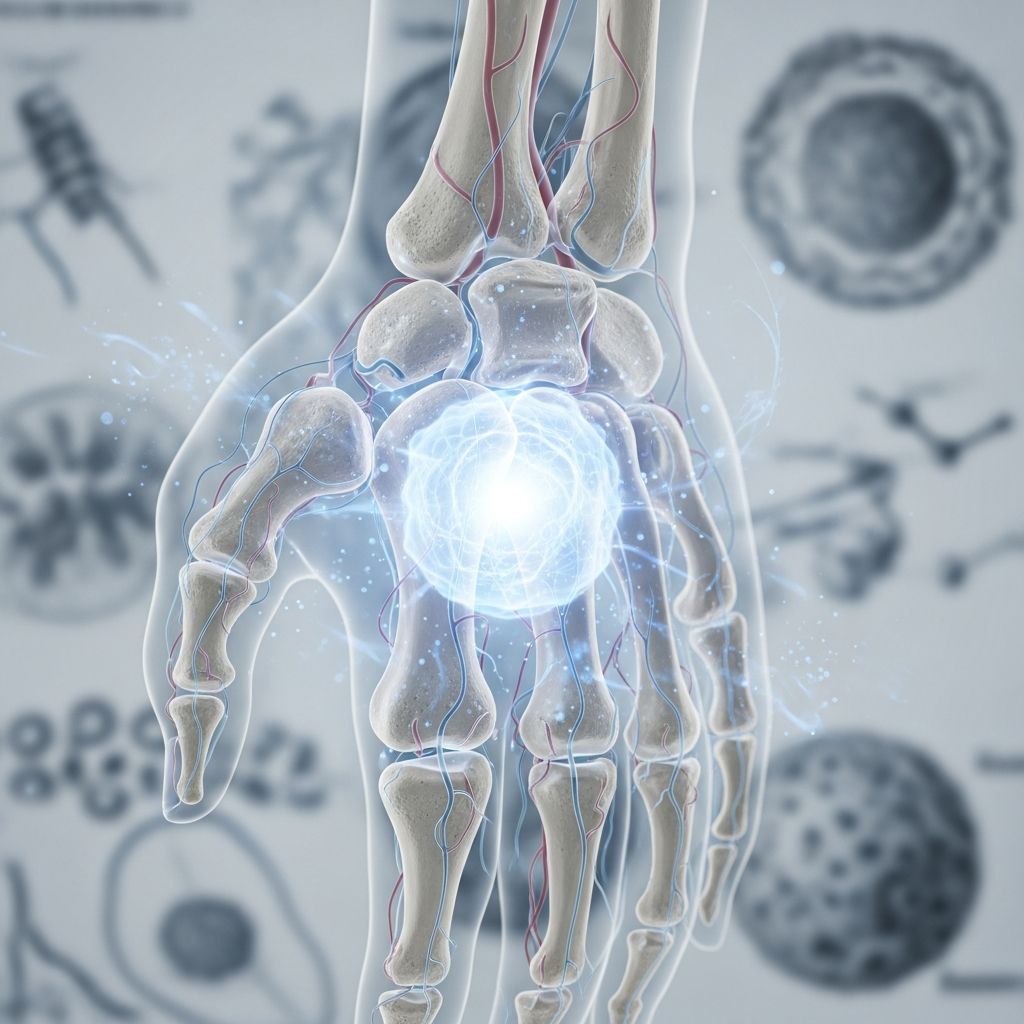
Your body is built on an incredible framework called the skeletal system. It is made of many bones that help you stand, move, play, and stay protected every day.
This guide will help you explore what bones are, how they grow as you grow, and how you can take great care of them so they stay strong for life.
1. What Is a Skeleton?
Your skeleton is the full set of bones inside your body. Without it, you would be a floppy pile of skin and organs with no shape at all.
Scientists group the main jobs of the skeleton into a few big categories.
- Support — Bones give your body shape and help you stand tall instead of sagging to the ground.
- Movement — Bones act like levers. Muscles pull on them so you can run, jump, kick, and dance.
- Protection — Some bones form tough shields around important organs, like your brain, heart, and lungs.
- Making blood cells — Inside some bones is soft red marrow that helps produce blood cells.
- Mineral storage — Bones store calcium and other minerals that your body can use when needed.
Even though bones seem hard and quiet, they are very busy inside.
2. How Many Bones Do Kids Have?
Children start life with more bones than adults. Over time, some bones slowly join together.
- Babies are born with around 270 bones (many are still partly soft cartilage).
- Adults usually have 206 bones after many bones have fused together.
As you grow, your skeleton changes shape and size. Bones in your skull and spine are examples of bones that slowly fuse while you grow up.
3. Inside a Bone: Not Just a Hard Shell
Bones are more than white sticks. Each bone has several layers and parts that work together.
| Bone Part | What It Looks Like | What It Does |
|---|---|---|
| Outer compact bone | Very hard, dense layer | Gives strength and protects the softer inside |
| Spongy (cancellous) bone | Looks like a honeycomb with many holes | Makes bones lighter and helps absorb forces |
| Bone marrow | Soft tissue in the middle of many bones | Makes blood cells and stores fat, depending on the type |
| Periosteum | Thin, tough covering on the outside of bone | Holds blood vessels and nerves and helps bone repair and growth |
Even though they are hard, bones are alive. They have their own:
- Blood vessels to bring oxygen and nutrients
- Nerves to send signals like pain or pressure
- Bone cells that build, repair, and reshape bone all the time
4. Different Shapes of Bones
Not all bones look the same. Their shapes match their jobs.
- Long bones — Longer than they are wide (for example, the femur in your thigh and the humerus in your upper arm). They help with movement and support body weight.
- Short bones — Almost cube-shaped (like many bones in your wrist and ankle). They help with balance and fine movements.
- Flat bones — Thin and often curved (such as the ribs and some skull bones). They protect organs and offer large areas for muscles to attach.
- Irregular bones — Odd shapes that do unique jobs (like the vertebrae in your spine).
These different bone types fit together like a 3D puzzle to form your whole skeleton.
5. How Bones Help You Move
Bones alone cannot move, but together with joints and muscles they act like a system of levers.
- Joints — Places where two or more bones meet. Some joints move a lot, while others move very little.
- Muscles — Attach to bones by strong cords called tendons. When muscles shorten (contract), they pull on bones to create movement.
- Ligaments — Bands of tissue that connect bone to bone and help keep joints stable.
Different kinds of joints allow different kinds of movements:
- Hinge joints (like your knee and elbow) bend and straighten.
- Ball-and-socket joints (like your hip and shoulder) swing in many directions.
- Gliding joints (in your wrist and ankle) slide over each other for smooth motions.
6. How Bones Grow as You Grow
Your bones change a lot from the time you are a baby until you are an adult. You do not just get more bone; your bones also change shape and length.
6.1 From Cartilage to Bone
Before birth, much of the future skeleton is made of soft, rubbery cartilage. Over time, this cartilage is replaced by bone in a process called ossification.
- Special cells called osteoblasts build new bone tissue.
- Other cells called osteoclasts break down older bone so it can be replaced.
- This building and breaking continues all through childhood and even in adults.
6.2 Growth Plates: Where Length Comes From
Most long bones grow from areas near their ends called growth plates.
- Growth plates are made of cartilage and sit between the wide end of a bone and its shaft.
- New bone forms here, making the bone longer over time.
- As kids become teenagers and then adults, the growth plates harden and turn into solid bone.
Once a growth plate has fully changed into bone, that bone stops getting longer, although bones can still change in thickness and strength.
6.3 Growing Up: Kids’ Bones vs. Adults’ Bones
Children’s bones are not just smaller versions of adult bones. They have some important differences.
- More growth plates — Kids’ long bones have active growth areas that are not present in fully grown adults.
- More flexible — Because they contain more cartilage and different patterns of bone tissue, children’s bones can bend more before breaking.
- Different break patterns — Growth plates are softer than solid bone, so certain injuries in kids happen around these areas.
Most bones finish growing in length by late teenage years or early adulthood, depending on the person.
7. How Bones Stay Strong and Repair Themselves
Bones are some of the only tissues in your body that can repair themselves so well after an injury.
7.1 Everyday Bone Remodeling
Your bones are always changing. This process is called remodeling.
- Old or damaged bone is removed by osteoclasts.
- New bone is built by osteoblasts.
- This helps your skeleton stay strong and adjust to how much you move and how much you weigh.
7.2 What Happens When a Bone Breaks?
When a bone breaks (a fracture), your body starts a repair project right away.
- A blood clot forms around the break.
- New tissue and cartilage fill in the gap.
- Bone-building cells replace that temporary tissue with strong new bone over time.
Doctors may use a cast or other supports to keep the bone still so it can heal in the correct shape. Children’s bones often heal faster than adults’ bones because they are still growing and remodeling quickly.
8. Everyday Habits for Strong, Healthy Bones
You can do a lot to help your bones be as strong as possible. Your choices now can affect your bone health for the rest of your life.
8.1 Eat Bone-Friendly Foods
Two nutrients are especially important for healthy bones:
- Calcium — A mineral that makes bones hard and strong.
- Vitamin D — Helps your body absorb calcium from food.
Calcium and vitamin D are especially important in childhood and teenage years, when bones are growing quickly and building up peak strength.
Many kids get these nutrients from:
- Milk, yogurt, and cheese (for calcium)
- Leafy green vegetables and some beans (for calcium)
- Foods that are fortified with vitamin D, such as some milks and breakfast cereals
- Safe sunlight exposure, which helps your skin make vitamin D
8.2 Move Your Body
Activities that make your bones work against gravity help them grow stronger. These are called weight-bearing exercises.
- Running and jogging
- Jumping rope
- Dancing
- Playing basketball, soccer, or similar sports
- Brisk walking
Regular physical activity during childhood and adolescence supports healthy bone density and structure.
8.3 Protect Your Bones from Injury
Staying active is great, but it is also smart to protect your bones.
- Wear helmets when biking or skateboarding.
- Use pads or guards for sports when needed.
- Follow safety rules during games, at the playground, and in sports.
- Use seat belts every time you ride in a car.
9. Fun Bone Facts
- The femur (thigh bone) is the longest and strongest bone in your body.
- Your stapes (a tiny bone in the middle ear) is one of the smallest bones.
- Your spine is made of many small bones called vertebrae stacked on top of one another.
- Your feet together contain over a quarter of all the bones in your body.
10. Frequently Asked Questions (FAQs)
Q1: Why do my bones sometimes ache after exercise?
After a lot of activity, your muscles and the tissues around your bones can get tired or slightly sore. This is usually normal and improves with rest, stretching, and drinking enough water. If pain is strong, happens after a fall, or does not go away, you should tell an adult and see a doctor.
Q2: Can bones bend without breaking?
Children’s bones can bend a bit because they are more flexible than adult bones. Sometimes, a child may have a small bend or a crack in the bone instead of a full break. Doctors can use X-rays to see what kind of injury has happened.
Q3: When do bones stop growing?
Bones usually stop growing in length when the growth plates harden and become solid bone, which often happens in late teenage years or early adulthood. The exact age is different for everyone, but most growth in height is finished by the early twenties.
Q4: What happens if a growth plate is injured?
Growth plates are more delicate than the rest of the bone, so an injury there needs special attention. Doctors carefully check these injuries because they can affect how the bone grows. With proper treatment and follow-up, many kids heal well.
Q5: How can I tell if I might have broken a bone?
Signs can include strong pain, trouble using or moving that part of your body, swelling, or the limb looking strangely bent. Only a health professional can say for sure, usually with an X-ray, so it is important to see a doctor if a serious injury is suspected.
References
- 6.4 Bone Formation and Development — Open Oregon State, Anatomy & Physiology 2e. 2021-01-01. https://open.oregonstate.education/anatomy2e/chapter/bone-formation-and-development/
- Embryology, Bone Ossification — L. Murakami, StatPearls/NCBI Bookshelf. 2023-01-09. https://www.ncbi.nlm.nih.gov/books/NBK539718/
- Bone Development & Growth — SEER Training Modules, National Cancer Institute. 2014-06-01. https://training.seer.cancer.gov/anatomy/skeletal/growth.html
- Understanding Children’s Bone Development: From Hip to Toe — New Step Podiatry. 2022-05-10. https://www.newsteppodiatry.com.au/understanding-childrens-bone-development-from-hip-to-toe-podiatrist-belconnen-canberra/
- Growth Plates — Nemours KidsHealth. 2021-09-01. https://kidshealth.org/en/parents/growth-plates.html
- Development of the Skeletal System During Childhood and Adolescence — Human Kinetics. 2019-01-01. https://us.humankinetics.com/blogs/excerpt/development-of-the-skeletal-system-during-childhood-and-adolescence
- The Growth Plate: Anatomy and Injuries — Orthopaedic Trauma Association. 2021-06-01. https://ota.org/sites/files/2021-06/Pediatric10%20The%20Growth%20Plate%20Anatomy%20and%20Injuries.pdf