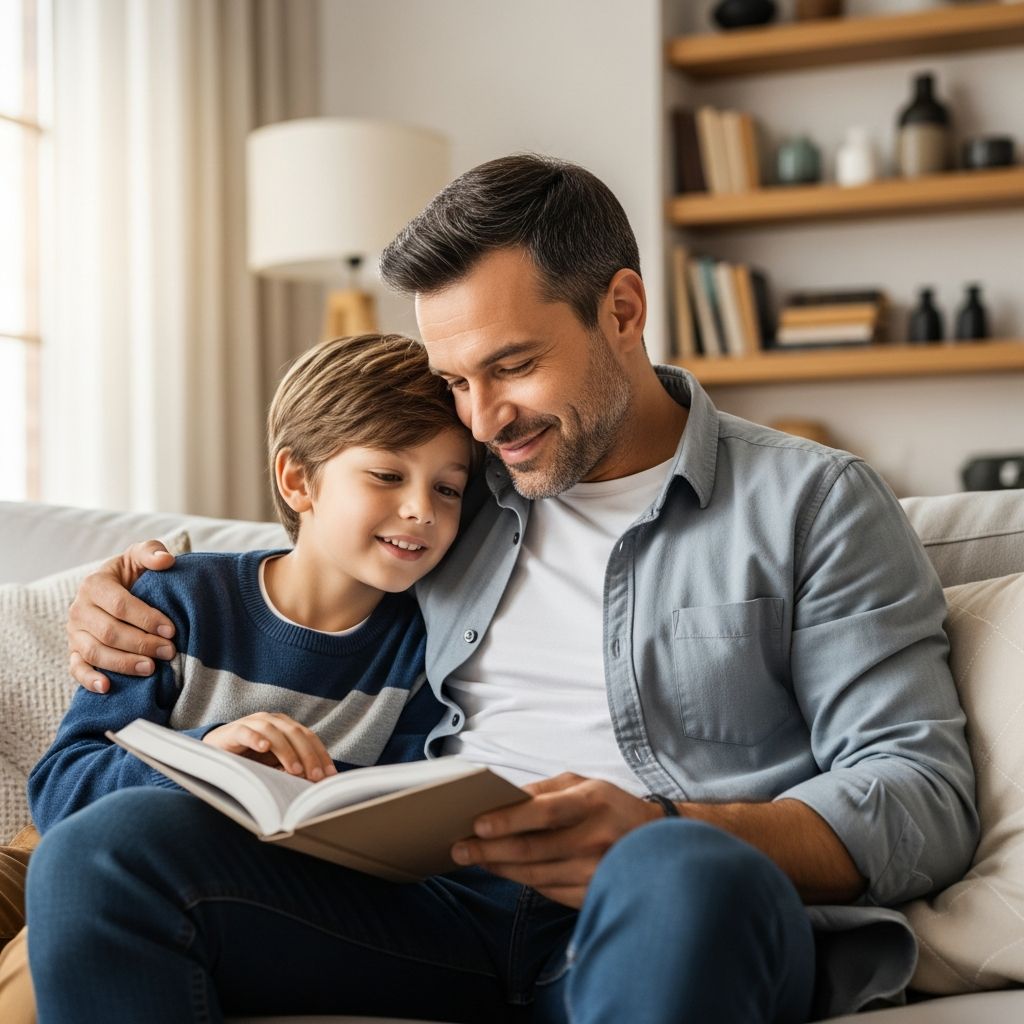
Understanding the Dynamics of Paternal Attachment Across Life Stages
The relationship between a father and his son represents one of the most transformative connections in a man’s life, yet it remains one of the least understood. Unlike maternal bonds, which have been extensively researched and culturally celebrated, paternal relationships have historically received less attention from both scientists and society. However, emerging research reveals that the father-son connection operates under distinct biological, emotional, and psychological principles that shape not only childhood development but influence lifelong resilience, emotional regulation, and relationship patterns.
This relationship is far from static. It evolves dramatically as a son matures, shifting from complete dependence and admiration in early childhood to independence and peer-like connection in adulthood. Understanding these natural transitions—and recognizing that they can be navigated successfully through intentional engagement—provides fathers with a roadmap for maintaining relevance and emotional intimacy across decades of change.
The Early Years: Foundation Through Physical Presence and Touch
Scientific research increasingly demonstrates that paternal bonding begins not with words or shared activities, but with physical contact and consistent presence during infancy and early childhood. The phenomenon of skin-to-skin contact between fathers and infants has emerged as a cornerstone of early attachment development, triggering neurochemical cascades that benefit both parent and child.
When fathers engage in direct caregiving activities—such as feeding, bathing, changing diapers, and holding their infants—they activate biological systems associated with nurturing. These interactions promote the release of oxytocin, sometimes referred to as the bonding hormone, which fosters feelings of emotional closeness and security. Beyond the immediate emotional experience, oxytocin facilitates trust-building and increases fathers’ confidence in their caregiving abilities, creating a positive feedback loop where engagement produces both enhanced bonding and increased paternal competence.
During this foundational period, a son’s primary experience of his father involves physical comfort, safety, and responsiveness. Research indicates that early involvement of fathers in caregiving responsibilities, particularly within the first 48 hours after birth and continuing through the perinatal period, establishes patterns of connection that extend well beyond infancy. Fathers who prioritize these early interactions report feeling closer to their infants and more emotionally invested in the parenting process.
Middle Childhood: Shared Experiences as Connection Currency
As sons transition from infancy into childhood, the mechanisms of bonding shift from primarily physical to include experiential and recreational dimensions. During this period, a son often views his father through an idealized lens, attempting to mimic behaviors, interests, and mannerisms. The father becomes a model of masculinity and a source of guidance about navigating the world.
This stage presents a unique opportunity for fathers to establish connection through shared activities and interests. Whether these involve sports, creative pursuits, outdoor exploration, or intellectual engagement, activities that both father and son genuinely enjoy create natural contexts for interaction. These shared experiences serve multiple functions simultaneously: they provide opportunities for casual conversation where important topics can emerge organically, they communicate paternal interest in the son’s development, and they create positive memories that reinforce the emotional bond.
Critically, the specific activity matters less than the quality of engagement. A father fully present during a simple walk or cooking activity creates more meaningful connection than distracted participation in more elaborate activities. Sons internalize messages about their importance based on whether their fathers demonstrate genuine engagement and interest in their perspectives and experiences.
The Adolescent Transition: Navigating Necessary Distance
Adolescence introduces a natural but sometimes jarring transformation in the father-son relationship. As teenagers develop their own belief systems, peer relationships become increasingly important, and sons typically begin to psychologically distance themselves from paternal figures. This shift, while developmentally appropriate and necessary for identity formation, often creates confusion and disappointment for fathers who may interpret withdrawal as rejection rather than recognizing it as a normal developmental process.
During this phase, many fathers inadvertently intensify control or criticism, attempting to maintain the influence they possessed in earlier years. This typically backfires, widening the emotional gap. More effective paternal strategies involve maintaining presence without demanding attention, demonstrating genuine interest in the son’s emerging interests and perspectives without judgment, and communicating that the relationship will evolve but remains important and secure.
Affectional communication becomes particularly crucial during adolescence. Expressing pride, offering encouragement, and demonstrating that the father continues to care deeply helps sustain the bond even as the son’s external behavior suggests otherwise. Research on the Affection Exchange Theory indicates that consistent affectional expression between parents and adolescents significantly strengthens bonds during this challenging period, essentially acting as relational glue that holds connections intact through developmental turbulence.
Adulthood: Reciprocity and Mutual Respect
As sons mature into adulthood, the father-son relationship undergoes its most profound transformation. The power differential that characterized earlier stages diminishes, and the relationship ideally evolves toward genuine reciprocity and mutual respect. Many adult sons discover renewed appreciation for their fathers’ wisdom and life experience, recognizing that paternal guidance contained truths the son was not developmentally ready to accept earlier.
This stage offers tremendous opportunity for deepening connection if the foundation built during earlier years was relatively solid. A son who experienced consistent affection, presence, and genuine interest from his father typically finds himself naturally gravitating back toward that relationship, now able to engage as an adult peer rather than a dependent child. The emotional investments made during childhood and adolescence bear fruit in adulthood through enhanced willingness to maintain contact, share vulnerabilities, and seek paternal perspective on life challenges.
The Neurobiological Basis of Paternal Bonding
Contemporary neuroscience has illuminated the biological mechanisms underlying paternal attachment, revealing that fathers’ brains undergo significant neurochemical and structural changes in response to active engagement with their children. The increased oxytocin production triggered by caregiving, physical contact, and positive interaction creates measurable changes in neural pathways associated with empathy, reward processing, and emotional regulation.
Beyond oxytocin, paternal engagement activates dopamine pathways, creating reinforcing experiences that motivate continued involvement and create positive emotional associations with fatherhood. These neurochemical changes don’t merely support bonding—they fundamentally alter fathers’ brains in ways that promote patience, attentiveness, and emotional responsiveness. In essence, engaging in active fathering literally rewires paternal neurobiology toward greater capacity for nurturing.
Children’s brains respond reciprocally to paternal presence and affection. Sons who experience consistent, warm engagement from their fathers show enhanced development in regions associated with emotional regulation, social understanding, and stress resilience. These neurobiological benefits translate into tangible life advantages, including better emotional control, improved interpersonal relationships, and greater ability to manage adversity in adulthood.
The Cultural Shift in Fatherhood Expression
An important contextual factor shaping contemporary father-son relationships involves the substantial cultural evolution in fatherhood norms. Previous generations of fathers often operated within frameworks that emphasized emotional restraint, authoritarian discipline, and limited involvement in caregiving and emotional nurturing. Many contemporary fathers grew up with fathers who maintained significant emotional distance, creating a sense of loss or longing for greater intimacy.
Research comparing intergenerational patterns reveals encouraging trends. Studies of 139 father-son pairs demonstrated that contemporary fathers report feeling closer to their sons, experiencing greater satisfaction in those relationships, and expressing more affection than they received from their own fathers. This data suggests that many fathers consciously or unconsciously decided to adopt different approaches to fatherhood, rejecting the detached model they experienced and instead embracing more emotionally available and involved paternal roles.
This cultural realignment matters profoundly because it removes certain barriers to affectional expression. Younger fathers navigate cultural scripts that increasingly validate paternal tenderness, hands-on caregiving, and emotional openness—shifts that allow them to build different kinds of relationships with their sons than were modeled by their own fathers. Understanding this historical context helps sons recognize that their fathers’ sometimes limited expressiveness may reflect their own upbringing rather than true indifference.
Affectional Expression as Relationship Foundation
The Affection Exchange Theory, developed through research at the University of Arizona, provides perhaps the most compelling framework for understanding father-son bonding. This theory proposes a direct relationship between the quantity and quality of affectional expression between people and the strength of their emotional bonds. In simpler terms: the more fathers communicate care, appreciation, and affection toward their sons—through words, actions, and presence—the stronger and more resilient the relationship becomes.
Affectional expression encompasses diverse behaviors and communications: verbal affirmation, physical touch appropriate to the son’s age, demonstrated interest in his experiences, reliable presence during important moments, and willingness to express emotions authentically. These expressions communicate fundamental messages: “You matter to me,” “I’m proud of you,” “I’m here for you,” and “Our relationship is important.” These messages, repeatedly conveyed over years, create an internalized sense of security and belonging that influences how sons relate to themselves and others throughout life.
The glue-like quality of affection becomes particularly apparent during times of difficulty or conflict. Families with strong histories of affectional expression can weather disagreements, misunderstandings, and challenging life circumstances more successfully because the underlying emotional connection remains intact and provides context for working through problems.
Practical Strategies for Strengthening the Paternal Bond
Understanding the science of father-son bonding translates into specific, actionable approaches fathers can implement across different life stages:
Consistent Presence and Reliability
Showing up physically and emotionally demonstrates that a son matters enough to warrant a father’s time and attention. This means being present at soccer games, school events, and parent-teacher conferences, but equally important, being emotionally present when a son shares his experiences, concerns, or achievements. Presence communicates more powerfully than expensive gestures or elaborate plans.
Identifying Mutual Interests
Discovering activities and interests that both father and son genuinely enjoy creates natural contexts for bonding. These need not be stereotypically masculine pursuits—they can involve cooking, reading, music, art, hiking, gaming, or any shared interest that facilitates quality time together. The key involves pursuing activities with authentic engagement rather than viewing them as obligatory fathering tasks.
Explicit Affectional Communication
Many fathers struggle with verbal affection due to their own upbringing or cultural conditioning around masculinity. Consciously practicing affectional expression—saying “I love you,” expressing pride in accomplishments, acknowledging a son’s positive qualities—gradually becomes more natural and communicates essential messages about the relationship’s emotional foundation.
Vulnerability and Experience Sharing
Fathers who selectively share their own experiences, including failures, challenges, and lessons learned, invite their sons into a deeper relationship based on mutual humanity rather than hierarchical authority. This communication style communicates trust and signals that the father values the son’s ability to understand complex realities.
Physically Affectionate Touch
Appropriate physical affection—hugs, arm around the shoulder, high-fives, or pats on the back—provides non-verbal affectional communication and triggers oxytocin in both father and son, reinforcing bonding at a neurochemical level. Physical comfort becomes less culturally acceptable for fathers with older sons, but maintaining some form of appropriate physical affection across all ages supports bonding.
The Long-Term Impact of Strong Paternal Bonds
Research examining men’s stress resilience demonstrates that those who experienced close, affectionate relationships with their fathers during childhood demonstrate significantly greater resilience when facing stressful life events in adulthood. These men handle everyday stress more effectively, recover more quickly from setbacks, and maintain better emotional equilibrium during challenging circumstances. The protective benefits of early paternal bonding essentially extend decades forward, influencing how sons navigate professional challenges, relationship difficulties, health crises, and other adult adversities.
Beyond individual resilience, strong father-son bonds influence relationship quality in adulthood. Sons who experienced secure, affectionate paternal relationships typically form healthier romantic partnerships, demonstrate greater emotional intelligence, and maintain more positive relationships with their own children. Essentially, the quality of the father-son bond creates ripple effects across multiple generations and life domains.
Addressing Barriers to Paternal Bonding
Some fathers face genuine obstacles to building strong bonds with their sons. Fathers with their own histories of emotional trauma or deprivation may struggle with affectional expression despite genuine desire to build different relationships with their children. Some circumstances—such as divorce, geographical distance, work demands, or health challenges—create practical barriers to consistent presence. Recognizing these barriers as real while still seeking creative solutions respects both the challenges involved and the son’s needs for paternal connection.
Seeking support through therapy, parenting programs, or mentorship from healthy paternal role models can help fathers overcome internal obstacles. Similarly, consciously developing rituals for connection—even brief ones—can help maintain bonds despite external constraints. The effort itself communicates that the son and the relationship matter enough to warrant problem-solving and adaptation.
The Expanding Definition of Fatherhood
It bears noting that not all father-son relationships follow traditional family structures. Single fathers, same-sex parenting couples, stepfathers, grandfathers, and other paternal figures can build equally strong and meaningful bonds with sons through the same mechanisms discussed throughout this article: consistent presence, genuine affection, shared interests, and emotional availability. The underlying neurobiology and psychology of bonding operates similarly regardless of family configuration.
Frequently Asked Questions
Q: At what age should fathers begin actively bonding with their sons?
A: Bonding begins immediately—even prenatal bonding is possible. However, the most critical periods involve infancy and early childhood when secure attachment forms. That said, fathers can build or rebuild meaningful connections at any age through consistent presence and affectional expression.
Q: How can fathers bond with sons when they have limited time due to work?
A: Quality matters more than quantity. Brief but consistent interactions—evening walks, cooking together, genuine conversations—can maintain strong bonds. What matters is that the time is present and focused rather than distracted.
Q: Is it too late to rebuild a bond with an adult son after years of distance?
A: It’s rarely too late, though rebuilding requires patience and genuine effort. Starting with small, consistent acts of presence and affection, demonstrating genuine interest in the son’s life, and acknowledging past distance can gradually restore connection.
Q: How does divorce affect father-son bonding?
A: While divorce disrupts family structures, strong father-son bonds can persist if fathers remain actively involved and affectionate post-separation. Consistent contact, reliability, and emotional presence become even more important during family transitions.
Q: Can physical affection between fathers and older sons feel awkward?
A: It can initially, especially if it wasn’t modeled earlier. Gradually introducing appropriate physical affection—hugs, shoulder pats—and normalizing this expression helps both father and son become comfortable. Many sons report later appreciating this physical affection even if initially uncomfortable.
References
- It’s science: Affection is the key to building a strong father + son bond — Motherly. Accessed 2026-04-02. https://www.mother.ly/life/its-science-affection-key-father-son-bond/
- The Current Concept of Paternal Bonding: A Systematic Scoping Review — National Center for Biotechnology Information (NCBI). 2022. https://pmc.ncbi.nlm.nih.gov/articles/PMC9690989/
- Why Dads Matter: The Benefits of Father-Baby Bonding — Kids2. Accessed 2026-04-02. https://shop.kids2.com/blogs/curiosity-corner/why-dads-matter-the-benefits-of-father-baby-bonding
- The Incredible Science Behind a Father’s Bond with His Baby — A Cozy Future. Accessed 2026-04-02. https://acozyfuture.com/blogs/from-bump-to-big-steps/the-incredible-science-behind-a-fathers-bond-with-his-baby
- The power of Dad — American Psychological Association (APA). October 2010. https://www.apa.org/monitor/2010/10/dad