The Science Behind Pregnancy Food Cravings
Food cravings represent one of the most distinctive aspects of pregnancy, often becoming a defining feature of the nine-month journey toward motherhood. These intense desires for specific foods emerge as a complex interplay of biological, psychological, and environmental factors that work together to shape eating patterns during pregnancy. Understanding the mechanisms driving these cravings can help expectant mothers navigate their dietary choices with confidence and maintain optimal health throughout their pregnancy.
The phenomenon of pregnancy cravings is far more common than many people realize. Research indicates that food cravings are present early in pregnancy, with peak frequency occurring during the second trimester, suggesting a direct connection to the physiological changes occurring within the pregnant body. These cravings differ fundamentally from ordinary food preferences because they are characterized by intense desires for specific foods that are difficult to resist. For many women, managing these powerful urges becomes a central concern throughout their pregnancy.
Hormonal Fluctuations and Sensory Changes
The primary driver of pregnancy cravings lies in the dramatic hormonal transformations that occur during pregnancy. The major reproductive hormones—human chorionic gonadotropin (hCG), progesterone, and estrogen—undergo significant fluctuations that profoundly affect how the body processes sensory information and experiences food preferences. These hormonal changes are not subtle; they represent a magnification of the hormonal fluctuations women experience before their menstrual cycle, intensified tenfold or more.
One of the most significant ways hormones influence cravings is through alterations in sensory perception. Pregnancy significantly alters taste and smell perception, possibly due to changes in the secretion of hormones. These altered sensory perceptions directly influence which foods appeal to pregnant women and which foods trigger aversions. The hormones can lead to changes on the receptors of the tongue, causing pregnant women to develop strong preferences for certain foods while simultaneously developing aversions to foods they previously enjoyed. This explains why a woman might suddenly find her favorite meal unappealing while craving foods she previously disliked.
The timing of these sensory changes provides interesting clues about their hormonal origins. The parallels in changes in taste perception and the trajectory of increasing craving intensity during the first trimester suggest a direct connection between changing sensory perception and food cravings. As pregnancy progresses and hormone levels continue to shift, these sensory alterations may intensify, contributing to the peak craving frequency observed during the second trimester.
Nutritional Deficiency as a Biological Signal
Beyond hormonal factors, many pregnancy cravings serve a practical biological function—they signal nutritional needs that the pregnant body requires to support both maternal health and fetal development. The theory that cravings help the body compensate for nutritional deficiencies has considerable support in medical literature and clinical observation.
Dairy cravings represent one of the most common and informative examples of nutrition-driven cravings. When pregnant, the calcium stored in a mother’s body is transferred to the growing baby for bone development. Craving ice cream, milk, cheese, or other dairy products can signal a calcium deficiency, as the body requires substantially more calcium to compensate for this transfer. Understanding this connection helps pregnant women interpret their cravings as messages from their body about its nutritional requirements.
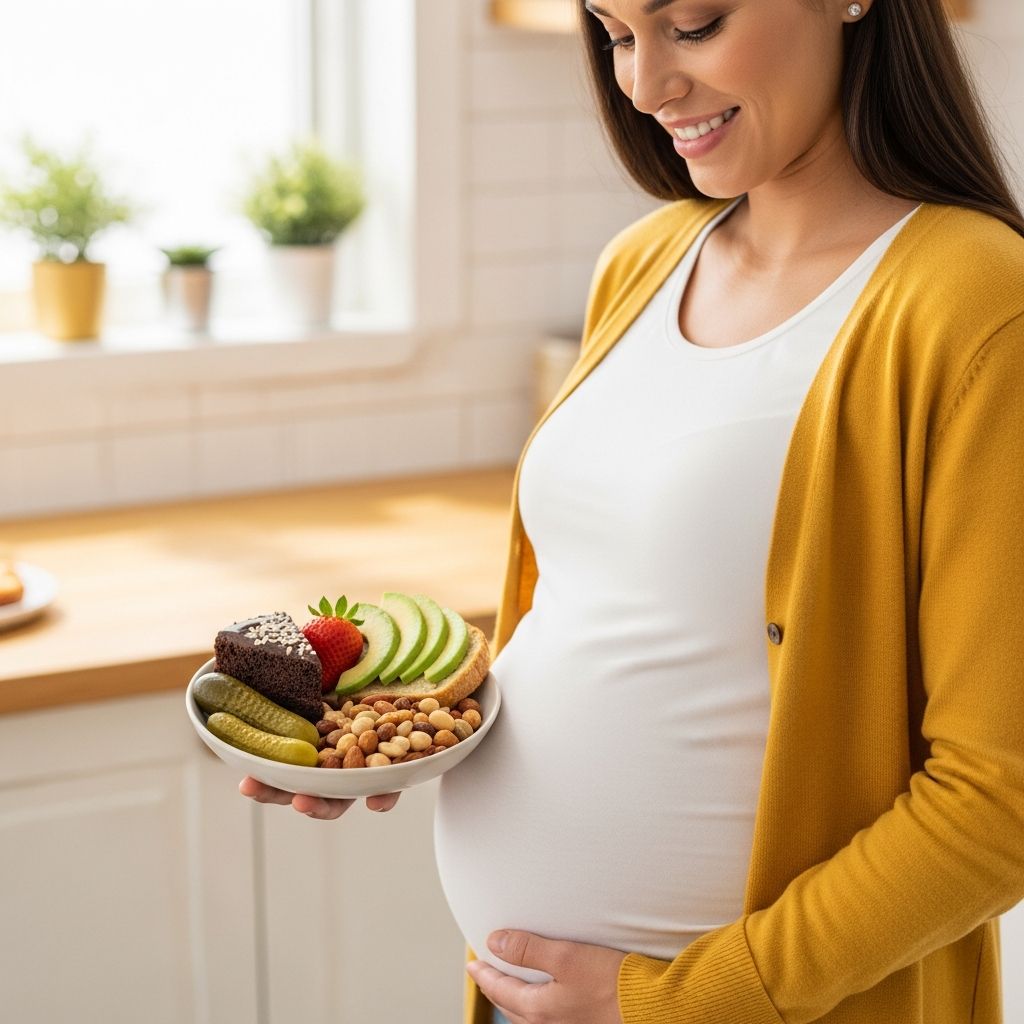
Similarly, fruit cravings often indicate vitamin C deficiency, while chocolate and sweet cravings can reflect the body’s increased caloric demands during pregnancy. Salty food cravings may indicate a need for sodium, which the body loses through increased urinary excretion during the first trimester due to elevated progesterone levels. Sour foods like pickles represent another common craving pattern, potentially reflecting the body’s attempt to retain fluids and replace electrolytes lost during early pregnancy.
Other specific cravings carry meaningful nutritional signals as well. Cravings for red meats, including beef, lamb, and buffalo, may indicate iron deficiency, as these meats contain more heme iron than white meats like chicken or pork. Similarly, cravings for seafood such as fully cooked oysters, mussels, or octopus may reflect the body’s need for iron and zinc. When pregnant women experience an impaired sense of taste or smell, this can indicate zinc deficiency, a symptom that warrants discussion with healthcare providers who may recommend zinc supplementation.
Common Pregnancy Cravings and Their Meanings
| Food Craving | Potential Nutritional Indication | Health Consideration |
|---|---|---|
| Dairy products (ice cream, milk, cheese) | Calcium deficiency | Choose low-fat options when possible |
| Fruits | Vitamin C deficiency | Excellent source of fiber and antioxidants |
| Chocolate and sweets | Increased caloric needs | Practice portion control to avoid excess weight gain |
| Salty snacks (pickles, chips, fries) | Sodium and fluid retention needs | Monitor sodium intake to prevent blood pressure issues |
| Red meat | Iron deficiency | Ensure meat is fully cooked to avoid foodborne illness |
| Seafood | Iron and zinc deficiency | Choose fully cooked options only |
Psychological and Environmental Influences
While biological factors form the foundation of pregnancy cravings, psychological and environmental influences play equally important roles in shaping eating behaviors during pregnancy. Cravings are not solely the result of direct biological causes but are influenced by cultural context, social interactions, and individual psychosocial characteristics.
The social dimension of cravings becomes particularly evident when examining how information spreads among pregnant women. If a friend tells you about her pregnancy craving for chili cheese fries, this shared experience may trigger similar cravings in you, even without the underlying biological need. These social cues create what researchers call “culturally sanctioned disinhibitors,” allowing women to acknowledge and act on food desires that might otherwise seem unusual or excessive.
Pregnancy appears to function as a cultural catalyst that permits women to indulge in highly palatable foods with less social judgment than they might experience at other life stages. This cultural permission, combined with the intense hormonal and physiological changes of pregnancy, creates an environment where cravings flourish. Women perceive these cravings as biologically based and therefore beyond their conscious control, which affects how they approach managing them.
When Cravings Signal Concern
While most pregnancy cravings reflect normal physiological processes, some cravings warrant medical attention. Pica—the craving and consumption of non-food substances—represents a concerning manifestation that requires professional evaluation. Eating clay or dirt in excessive amounts can lead to electrolyte imbalances, mineral deficiencies, constipation, and even intestinal obstruction.
Additionally, food aversions that often accompany cravings deserve understanding. Aversions frequently go hand in hand with morning sickness and may represent the body’s protective mechanism against potential harm from food poisoning caused by bacteria like listeria during pregnancy. While typically harmless, understanding this connection can help pregnant women appreciate that these aversions serve a biological purpose.
Managing Cravings for Healthy Pregnancy Weight Gain
Satisfying cravings occasionally is entirely appropriate during pregnancy, provided they are pursued in moderation and not excessively indulged. The key to healthy pregnancy lies in understanding that pregnant women need to consume only 300 additional calories per day to adequately support their pregnancy. This modest increase means that frequent or excessive indulgence in calorie-dense cravings can quickly lead to problematic weight gain patterns.
Excessive craving indulgence creates multiple health risks. It can lead to abdominal pain from indigestion and contribute to excessive weight gain during pregnancy, which significantly increases the risk for gestational diabetes and high blood pressure. Understanding that cravings and actual nutritional needs are not always aligned helps pregnant women make more intentional choices.
Research has identified cravings as a significant factor in excess gestational weight gain (GWG), with some studies finding that cravings during pregnancy were the only significant predictor of excess GWG in certain populations. This finding underscores the importance of developing strategies to manage cravings without completely suppressing them.
Practical Strategies for Craving Management
- Identify the underlying need: Before indulging a craving, consider whether it signals a nutritional need that can be addressed more healthily. If you crave ice cream, perhaps you need calcium—try yogurt or fortified plant-based milk alternatives.
- Choose nutrient-dense alternatives: When cravings strike, select options that satisfy the craving while providing nutritional value. Fresh fruit can satisfy sweet cravings while providing vitamins and fiber.
- Practice portion control: Allow yourself to satisfy cravings in moderation rather than completely denying them. A small serving of your craved food is often more satisfying than complete restriction.
- Stay hydrated: Sometimes cravings, particularly for salty foods, reflect dehydration. Adequate water intake may reduce the intensity of certain cravings.
- Maintain regular meals: Skipping meals can intensify cravings. Regular, balanced meals help stabilize blood sugar and reduce excessive craving intensity.
- Discuss unusual cravings with your healthcare provider: Any cravings that seem out of the ordinary warrant professional discussion, particularly cravings for non-food items.
The Role of Healthcare Provider Guidance
Throughout pregnancy, open communication with your obstetrician-gynecologist about cravings becomes essential. Your healthcare provider should monitor whether cravings indicate true nutritional deficiencies requiring intervention or simply represent normal hormonal phenomena. Professional guidance ensures that you receive appropriate nutrients and gain a healthy amount of weight for your pregnancy stage and individual circumstances.
Healthcare providers can help distinguish between cravings that reflect benign hormonal changes and those that indicate significant nutritional deficiencies requiring supplementation or dietary modification. This professional oversight becomes particularly important when cravings involve unusual foods or when weight gain patterns suggest excessive indulgence.
Frequently Asked Questions
Are all pregnancy cravings normal?
Most pregnancy cravings reflect normal hormonal and physiological changes. However, cravings for non-food items (pica), cravings accompanied by concerning weight gain, or cravings that seem completely out of character warrant discussion with your healthcare provider.
Do cravings indicate the baby’s gender?
No scientific evidence supports gender prediction through cravings. While some women postulate connections between specific cravings and fetal gender, these remain folklore without biological basis.
Can I satisfy my cravings without gaining excess weight?
Yes. By choosing nutrient-dense alternatives, practicing portion control, and addressing the underlying nutritional needs signaled by cravings, you can satisfy them while maintaining healthy weight gain patterns.
When do pregnancy cravings typically peak?
Cravings are present early in pregnancy, with peak frequency occurring during the second trimester, though they can persist throughout pregnancy.
What should I do if I crave non-food items?
Cravings for non-food items like clay, dirt, or ice (pica) should be discussed with your healthcare provider immediately, as they may indicate nutritional deficiencies requiring intervention.
References
- Uncovering the Causes of Pregnancy Cravings — Hawaii Pacific Health. 2017-12-19. https://www.hawaiipacifichealth.org/healthier-hawaii/eat-healthy/uncovering-the-causes-of-pregnancy-cravings/
- Pickles and ice cream! Food cravings in pregnancy — PubMed Central (NIH). 2014. https://pmc.ncbi.nlm.nih.gov/articles/PMC4172095/
- An OB-GYN’s Guide to Cravings During Pregnancy — Northwestern Medicine. https://www.nm.org/healthbeat/healthy-tips/pregnancy-cravings
- Six popular types of food on pregnancy cravings lists — The Mother Baby Center. 2022-12-01. https://www.themotherbabycenter.org/blog/2022/12/pregnancy-cravings-list/
- Women’s Experience and Understanding of Food Cravings in Pregnancy — PubMed Central (NIH). 2020. https://pmc.ncbi.nlm.nih.gov/articles/PMC7186144/