Understanding America’s Most Debated Halloween Confection
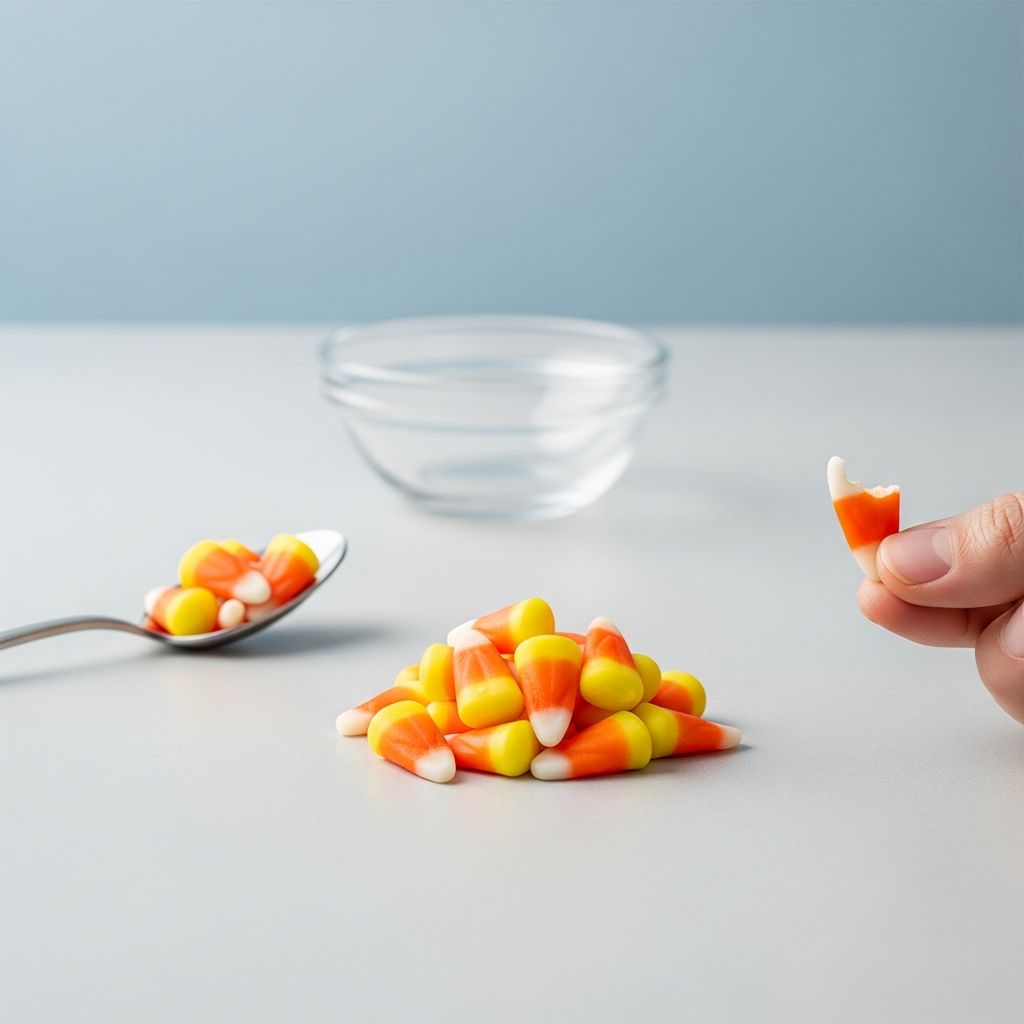
Candy corn stands as one of the most polarizing treats in American culture, particularly during the Halloween season. The tri-colored confection—with its distinctive yellow, orange, and white layers—has managed to inspire passionate debates about flavor, texture, and most intriguingly, the proper method of consumption. What many might assume is a straightforward eating experience has evolved into a surprisingly complex topic, with consumers employing various techniques and methodologies when enjoying this seasonal candy.
The fascination with candy corn extends beyond simple preference or taste preference. According to the National Confectioners Association, approximately 9 billion individual kernels of candy corn are produced annually in the United States, with roughly 35 million pounds manufactured each year. This staggering production volume reflects the candy’s significant role in American Halloween traditions and seasonal consumption patterns.
The Primary Consumption Methods: What Research Reveals
When examining how Americans approach eating candy corn, the data presents several distinct methodologies. A comprehensive survey conducted by the National Confectioners Association revealed surprising variations in consumer behavior, challenging the assumption that there exists one obvious or correct approach.
The most prevalent consumption method involves consuming the entire candy corn piece without interruption. According to survey data, approximately 51 to 65 percent of respondents reported eating candy corn in one continuous bite. This approach aligns with the candy’s diminutive size and straightforward structure, making it an intuitive choice for many consumers who view the piece as a single-serving confection designed for immediate consumption.
The Nibbling Phenomenon
A substantial portion of candy corn consumers engage in what can be described as deliberate nibbling, approaching the candy with a multi-bite strategy. The survey data indicates that approximately 29 to 33 percent of respondents begin their consumption at the narrow, white-tipped end of the candy. These consumers treat the candy corn piece similarly to how one might approach a Hershey’s Kiss, taking multiple small bites before eventually consuming the entire piece.
This nibbling approach raises intriguing questions about consumer motivation and perception. Some individuals who employ this technique may believe that the three distinct color layers represent different flavor profiles, though in reality, candy corn maintains a consistent sweetness throughout its structure, with minimal flavor variation between the colored sections.
The Unconventional End Approach
Perhaps the most surprising finding from consumer research involves the small but notable percentage of candy corn enthusiasts who begin consumption at the wider, yellow-colored base of the piece. Survey data indicates that approximately 7 to 16 percent of respondents employ this reverse-direction approach. This methodology remains particularly perplexing to many observers, as it contradicts the candy’s natural visual orientation and the white tip’s apparent designating as the “starting point” based on traditional presentation.
Geographic and Demographic Patterns in Consumption
Beyond the basic consumption methods, research has identified interesting patterns based on geographic location and demographic characteristics. The National Confectioners Association’s survey revealed that regional preferences influence eating behaviors, with notable variations between different parts of the United States.
Residents of the Northeast demonstrate a higher propensity for consuming candy corn in one complete bite, with approximately 4 percent more individuals in this region favoring this method compared to the national average. Conversely, Southerners show a 2 percent increased likelihood of beginning their candy corn consumption at the wider yellow end, suggesting regional variations in food consumption approaches extend even to such specific candies.
Age represents another factor influencing consumption preferences. Younger consumers sometimes demonstrate different approaches compared to older demographics, though the specific patterns vary based on individual food traditions and personal comfort levels with different consumption techniques.
The Science Behind Consumption Preferences
While the specific methodology for eating candy corn might seem trivial, psychologists and food behavior researchers have noted that such consumption patterns reflect broader aspects of human behavior and cultural identity. The deliberate choices individuals make regarding food consumption—even with items as small as candy corn—connect to comfort levels, familiarity, and established personal habits.
Food consumption methods often parallel established cultural eating traditions. Just as individuals develop preferences for utensils, eating positions, or preparation methods based on upbringing and cultural background, candy corn consumption preferences similarly reflect learned behaviors and personal comfort zones. These patterns become so ingrained that individuals rarely question why they approach eating in specific ways until confronted with alternative methodologies.
Candy Corn’s Unique Position in Halloween Tradition
The passionate discussions surrounding candy corn consumption methods underscore this candy’s distinctive role within American Halloween culture. Unlike many other popular candies that consumers feel neutral about, candy corn typically inspires strong reactions—either enthusiastic appreciation or vocal criticism. This polarization creates an environment where discussions about the candy itself become cultural conversations.
The social aspect of food consumption and discussion plays a significant role in how we perceive and engage with what we eat. Sharing opinions about candy corn—whether expressing devotion or disdain—creates community connections and common ground for conversation. These discussions transcend the actual taste or quality of the candy, becoming instead about shared cultural experiences and holiday traditions.
Alternative Uses and Creative Preparations
Beyond standard consumption, some creative consumers have developed unique approaches to candy corn integration. Certain individuals combine candy corn with complementary foods, most notably pairing the candy with roasted salted peanuts to create a texture and flavor contrast that enhances the overall eating experience. This combination addresses a common criticism of candy corn regarding its uniform, somewhat monotonous texture by introducing a crunchy alternative.
More experimental applications have emerged in recipe development and creative cooking projects. Some individuals have incorporated candy corn into non-traditional sweet preparations, treating it as a decorative or flavoring element rather than a standalone candy. These creative adaptations demonstrate the versatility of candy corn as a culinary ingredient beyond its traditional role as a direct-consumption Halloween treat.
The Psychology of Food Debate
The fact that candy corn consumption methodology generates measurable debate and research interest highlights an interesting aspect of human psychology. People invest significant emotional energy in discussing food preferences and preparation methods, even when discussing items that occupy relatively minor roles in daily nutrition or consumption patterns.
This phenomenon extends beyond candy corn to encompass broader food-related debates. The Internet has amplified these discussions, allowing individuals with specific preferences to find communities of like-minded consumers and engage in friendly—or sometimes not-so-friendly—discussions about the “correct” approach to food consumption. These debates serve social functions beyond the actual foods in question, creating conversation topics and community bonds.
Taste Profile and Structural Composition
Understanding candy corn’s basic composition helps contextualize the consumption debate. The candy consists of a consistent sugary mixture with corn syrup as its primary ingredient, with the coloring variations providing visual interest rather than distinct flavor differentiation. This uniformity of taste throughout the piece somewhat undermines the logic behind the nibbling approach, as consuming multiple small bites versus one complete bite results in identical flavor experiences.
The texture of candy corn remains consistent across all color layers, presenting a smooth, slightly waxy mouthfeel that characterizes the candy’s distinctive eating experience. This uniform texture further supports the argument for single-bite consumption, as segmented eating provides no textural variation to justify the deliberate multi-bite approach some consumers employ.
Comparative Analysis: Candy Corn Versus Similar Confections
When examining candy corn consumption methods, interesting comparisons emerge with other popular Halloween candies. While Hershey’s Kisses often inspire the white-tip-first nibbling approach that some candy corn consumers employ, Kisses feature distinct flavor variations—dark chocolate versus milk chocolate—that justify bite-by-bite tasting. Candy corn lacks these flavor distinctions, making the parallel consumption method somewhat illogical from a sensory perspective.
Other small candies like M&Ms or jelly beans typically inspire whole-piece consumption among most consumers, suggesting that candy corn’s size alone might not fully explain the prevalence of nibbling behavior. This discrepancy points toward specific cultural associations or individual preferences regarding candy corn itself rather than universally applicable principles about small candy consumption.
The Role of Tradition and Expectation
Candy corn’s consumption methods often become established through repeated childhood experiences and family traditions. Individuals who observe parents or relatives consuming candy corn using specific techniques frequently adopt identical approaches without consciously questioning their methodology. These ingrained habits persist into adulthood, becoming so automatic that consumers rarely reflect on why they approach the candy in their particular manner.
This pattern of tradition-based consumption methods extends across numerous food categories and eating practices. Cultural and familial food traditions establish foundational approaches to consumption that individuals maintain throughout their lives, even when presented with alternative methods or evidence suggesting other approaches might prove equally valid or more logical.
Market Impact and Consumer Engagement
The continued cultural engagement with candy corn consumption debates has generated measurable market interest and consumer engagement. Brands and researchers actively investigate consumption preferences, recognizing that understanding how consumers interact with products provides valuable marketing and product development insights. These investigations transform what might seem like a trivial eating method into a topic worthy of formal research and analysis.
The attention devoted to candy corn consumption methodology also reflects the candy’s enduring popularity despite ongoing cultural criticism. Year after year, consumers continue purchasing candy corn for Halloween distribution and personal consumption, maintaining this candy’s position as a seasonal staple despite vocal detractors and ongoing quality debates.
Frequently Asked Questions
Q: What percentage of Americans eat candy corn in one complete bite?
A: According to National Confectioners Association surveys, between 51 and 65 percent of Americans consume candy corn in a single bite, representing the most common consumption method.
Q: Why do some people nibble candy corn from the white end?
A: Approximately 29 to 33 percent of consumers employ this nibbling approach, often mirroring techniques used with candies that feature distinct flavor layers, though candy corn maintains consistent flavor throughout all color sections.
Q: Is there scientific evidence supporting one consumption method as superior?
A: No scientific consensus exists favoring any particular consumption method. Research indicates that consumption preferences reflect personal habit, cultural background, and individual comfort levels rather than objective quality measures.
Q: How much candy corn does America produce annually?
A: The United States produces approximately 35 million pounds of candy corn yearly, equivalent to approximately 9 billion individual kernels according to the National Confectioners Association.
Q: Do geographic regions show different candy corn consumption preferences?
A: Yes, research indicates regional variations, with Northeastern residents more likely to consume candy corn in one bite, while Southern consumers show increased preference for starting at the wider yellow end.
References
- What Is the Right Way To Eat Candy Corn? Some Answers Are Bonkers — Fatherly. https://www.fatherly.com/life/what-is-the-right-way-to-eat-candy-corn
- What Is The Most Correct Way To Eat Candy Corn? — The Takeout. https://www.thetakeout.com/what-is-the-most-correct-way-to-eat-candy-corn-1845391782
- Is There a Correct Way to Eat Candy Corn? — The Keynote. https://keystonekeynote.com/4776/forum/debate/is-there-a-correct-way-to-eat-candy-corn
- Why Americans Obsess Over Candy Corn, According to Psychologists — Matador Network. https://matadornetwork.com/read/americans-obsess-candy-corn-according-psychologists
- National Confectioners Association — Industry Research on Candy Consumption Patterns. https://www.candyusa.org