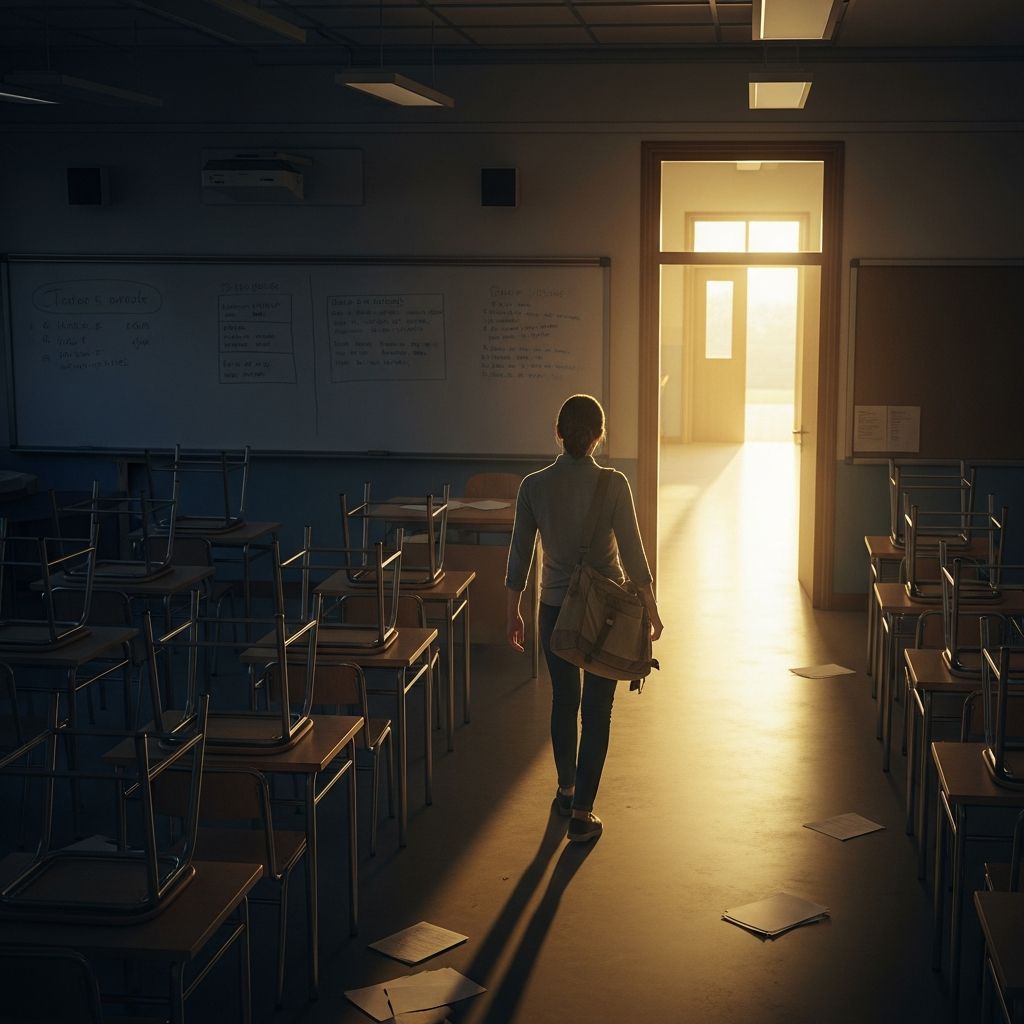
In recent years, a subtle yet profound shift has been unfolding in classrooms across the nation. Rather than dramatic resignations or mass walkouts, many educators are choosing a softer path: slowly dialing back their involvement. This “quiet exit” involves reducing hours, transitioning to part-time roles, or pivoting to alternative education-related positions. It’s a response to mounting pressures that have long simmered beneath the surface of the teaching profession.
Understanding the Roots of Educator Fatigue
The teaching profession has always demanded passion, patience, and resilience. However, post-pandemic realities have amplified longstanding challenges. According to the National Center for Education Statistics (NCES), teacher attrition rates have climbed steadily, with over 300,000 public school teachers leaving the field between 2020 and 2022.1 But the quiet exit trend represents a nuanced evolution—not outright departure, but a measured retreat.
Factors fueling this include chronic understaffing, where educators often juggle multiple roles from lesson planning to cafeteria duty. Emotional exhaustion from managing diverse student needs, coupled with stagnant salaries, erodes enthusiasm. A 2023 RAND Corporation report highlights that 55% of teachers report high levels of burnout, far exceeding rates in other professions.2
- Workload Overload: Beyond teaching, administrative tasks consume up to 20 hours weekly.
- Compensation Gaps: Median teacher pay lags 20% behind similarly educated professionals.
- Mental Health Toll: Student behavioral issues have surged 25% since 2019, per CDC data.3
Personal Journeys: Voices from the Frontlines
Meet Sarah, a veteran elementary teacher with 15 years in the classroom. After the pandemic, she shifted to part-time consulting for curriculum development. “It wasn’t a sudden decision,” she shares. “I started by dropping extracurriculars, then negotiated fewer preps. Now, I contribute without the daily grind.” Her story echoes many: a deliberate scaling back to reclaim personal time.
Similarly, Mark, a high school science instructor, now teaches two days a week while pursuing ed-tech entrepreneurship. These transitions allow educators to leverage expertise in less taxing environments, like online tutoring or professional development workshops.
| Aspect | Full-Time Classroom | Quiet Exit (Part-Time/Alternative) |
|---|---|---|
| Weekly Hours | 50-60 | 20-30 |
| Stress Levels | High | Moderate |
| Income Potential | Fixed, ~$60K avg. | Variable, often higher via gigs |
| Impact on Students | Consistent presence | Flexible, specialized support |
Systemic Pressures Driving the Shift
Beyond individual burnout, broader systemic issues propel this trend. Politicized curricula and standardized testing mandates create a high-stakes environment where creativity suffers. The U.S. Department of Education notes that compliance requirements have ballooned, diverting time from instruction.4
Additionally, inadequate support for diverse learners exacerbates inequities. Teachers in under-resourced districts face the steepest climb, with 40% considering part-time moves per a Learning Policy Institute study.5
- Policy Mandates: Endless evaluations and reporting stifle autonomy.
- Resource Shortages: Lack of aides means solo management of large classes.
- Cultural Shifts: Remote work normalization makes flexible careers appealing.
Effects on Schools and Student Learning
The ripple effects are significant. Schools grapple with staffing gaps, leading to combined classes and overburdened substitutes. Student continuity suffers, potentially impacting achievement scores—a concern as NAEP results show post-pandemic declines.1
Yet, there’s an upside: Quiet exiters often return as mentors or specialists, bringing fresh perspectives. This hybrid model could foster innovation, blending traditional teaching with modern tools like AI-assisted planning.
Navigating Change: Strategies for Educators
For those contemplating a quiet exit, strategic planning is key. Begin with open dialogues with administrators about flexible scheduling. Explore certifications in high-demand areas like special education or STEM coaching.
- Build a Portfolio: Document successes for consulting gigs.
- Network: Join platforms like Teachers Pay Teachers or ed-tech forums.
- Prioritize Wellness: Incorporate boundaries like ‘no-email weekends.’
Districts can counter this by offering sabbaticals, mental health stipends, and career laddering—proven retainers in progressive systems.
Policy Reforms to Stem the Tide
Addressing root causes demands bold action. Increasing starting salaries to $65,000, as piloted in states like Virginia, shows promise.4 Investing in paraprofessionals reduces teacher loads, while loan forgiveness expands pipelines.
Community involvement matters too: Parent volunteers and local business partnerships can alleviate pressures, creating sustainable ecosystems.
Looking Ahead: A Transformed Profession?
The quiet exit signals not defeat, but adaptation. As educators redefine success, the field may evolve toward more sustainable models—think team teaching, four-day weeks, and tech integration. By honoring teacher agency, we invest in brighter classroom futures.
Frequently Asked Questions
What exactly is a ‘quiet exit’ in teaching?
It’s a gradual reduction in classroom duties, such as moving to part-time, consulting, or hybrid roles, allowing educators to maintain income while reducing stress.
Is teacher burnout getting worse?
Yes, surveys indicate over half of teachers experience high burnout, driven by workload and post-pandemic challenges.
How can schools retain part-time teachers?
Offer flexible contracts, professional growth opportunities, and wellness support to make partial roles attractive.
Does this trend affect student performance?
Short-term disruptions occur, but experienced part-timers often provide high-value, targeted instruction.
What career paths await quiet exiters?
Popular options include curriculum design, online instruction, tutoring, and ed-tech development.
References
- Digest of Education Statistics 2023 — National Center for Education Statistics (NCES), U.S. Department of Education. 2024-05-15. https://nces.ed.gov/programs/digest/
- Teacher Well-Being and Turnover Post-COVID — RAND Corporation. 2023-09-12. https://www.rand.org/pubs/research_reports/RRA1687-1.html
- Youth Risk Behavior Survey Data Summary — Centers for Disease Control and Prevention (CDC). 2024-08-01. https://www.cdc.gov/healthyyouth/data/yrbs/index.htm
- State Teacher Salary Benchmarks — U.S. Department of Education. 2025-01-10. https://www.ed.gov/news/press-releases
- Addressing Teacher Shortages — Learning Policy Institute. 2024-03-20. https://learningpolicyinstitute.org/product/teacher-shortages-brief