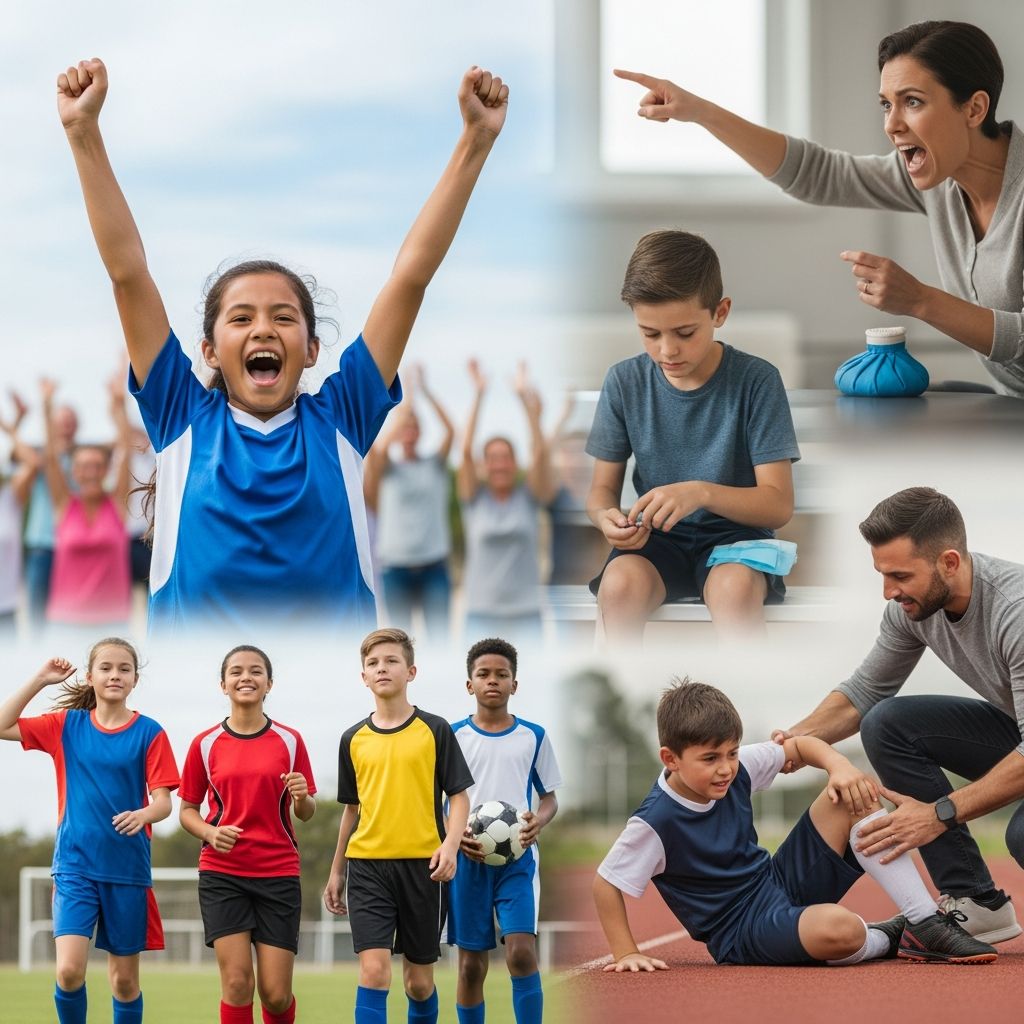
Competitive sports play a pivotal role in children’s development, offering a structured environment where young athletes can build essential life skills alongside physical prowess. However, the intensity of competition introduces potential downsides that parents must navigate thoughtfully. This article delves into the multifaceted impacts of youth sports, drawing on evidence-based insights to empower families in making informed decisions.
Physical Advantages of Engaging in Competitive Sports
Participation in organized sports significantly enhances children’s physical health. Regular activity through sports helps meet daily physical activity guidelines, combating sedentary lifestyles that contribute to childhood obesity rates, which have tripled since the 1970s with 1 in 5 children aged 6-19 affected. Sports improve cardiovascular fitness, strengthen bones and muscles, and enhance coordination and balance, laying the foundation for lifelong health habits.
- Cardiovascular Endurance: Activities like running and swimming boost heart health and stamina.
- Muscle and Bone Development: Weight-bearing sports promote denser bones, reducing future osteoporosis risk.
- Better Sleep Patterns: Physical exertion leads to improved rest, crucial for growth and recovery.
These benefits extend beyond immediate fitness, fostering habits that persist into adulthood, potentially lowering chronic disease risks.
Mental and Emotional Growth Through Team Competition
Beyond the body, competitive sports sharpen the mind and emotions. Young athletes develop resilience by managing competition stress, building confidence through achievements, and learning discipline via rigorous training schedules. Studies show sports participants exhibit lower rates of anxiety, depression, and social isolation compared to inactive peers, with inactive children twice as likely to face mental health issues.
| Benefit | Impact on Youth | Supporting Evidence |
|---|---|---|
| Stress Management | Teaches coping under pressure | Frequent competitions build mental toughness |
| Self-Esteem Boost | Increased confidence from wins and progress | Positive effects on personal development |
| Cognitive Skills | Improved focus and goal-setting | Tracked from kindergarten to fourth grade |
Quality coaching amplifies these gains, emphasizing encouragement over criticism to maximize psychological benefits.
Social Skills Forged in the Heat of Competition
Team sports excel at cultivating interpersonal abilities. Children learn cooperation, communication, and respect through shared goals and challenges. Evidence highlights improvements in relationships with peers and authority figures, sportsmanship, and social integration. Competitive environments also expand networks, connecting kids with diverse individuals and fostering community ties.
- Teamwork and camaraderie strengthen bonds.
- Respect for rules and opponents builds character.
- Leadership opportunities emerge in captain roles or mentoring younger players.
These skills translate to school and future careers, promoting well-rounded individuals capable of thriving in group settings.
Potential Pitfalls: Injuries and Overuse Concerns
While rewarding, competitive sports carry risks, particularly overuse injuries from specialization—focusing on one sport year-round. Higher specialization correlates with elevated injury rates, as repetitive motions strain developing bodies. Common issues include stress fractures, tendonitis, and growth plate injuries, often sidelining young athletes.
Parents should monitor training volume and encourage multi-sport participation to diversify physical demands, reducing repetitive strain.
The Shadow of Burnout and Performance Pressure
Intense competition can overwhelm young minds. Overzealous parents or coaches setting unrealistic goals lead to anxiety, emotional exhaustion, and dropout rates. Early specialization heightens burnout risk, with many children quitting due to constant pressure. Linking self-worth to performance exacerbates mental strain, straining family dynamics.
Signs of burnout include persistent fatigue, loss of enjoyment, and frequent illnesses. Addressing this requires prioritizing fun and balance over victories.
Navigating Social Downsides in Youth Leagues
Not all social experiences are positive. Competitive settings can amplify bullying, cliques, or discrimination, isolating non-team members or those with diverse abilities. Perfectionism fueled by external expectations may heighten stress and social withdrawal.
To counter this, programs should promote inclusivity, with coaches trained in anti-bullying and fair play.
Strategies for Parents to Foster Positive Experiences
Parents hold key influence in shaping sports outcomes. Focus on effort and enjoyment rather than scores, providing balanced praise that reinforces skill-building and resilience.
- Encourage multi-sport play to prevent burnout and injuries.
- Monitor for overuse signs and enforce rest periods.
- Communicate openly about feelings to catch stress early.
- Select programs valuing development over winning.
Pre-participation physicals and proper equipment further safeguard health.
Coach’s Role in Balancing Competition and Fun
Effective coaches prioritize holistic growth, using positive reinforcement and emphasizing physical activity over elite performance. Training in injury prevention and youth psychology equips them to create supportive atmospheres.
- De-emphasize winning in early years.
- Incorporate fun drills to sustain interest.
- Recognize individual efforts alongside team success.
Such approaches ensure sports remain joyful while delivering benefits.
Building Sustainable Programs for All Children
Society-wide changes amplify positives. Increased funding for safe facilities, inclusivity policies for underserved groups, and science-based rules can broaden access and equity. Communities benefit when sports inspire healthy, engaged youth.
Frequently Asked Questions (FAQs)
What age is best to start competitive sports?
Most experts recommend recreational play before age 12, delaying intense competition to allow natural development and reduce injury risk.
How can I tell if my child is over-specializing?
Watch for single-sport focus year-round, fatigue, declining performance, or reluctance to play—signs of needed diversification.
Are girls at higher risk in competitive sports?
Girls face similar risks but higher ACL injury rates; cross-training and strength work help mitigate this.
Should I push my child to win scholarships?
Focus on enjoyment first; scholarships are rare, and pressure can lead to burnout before college.
What if my child wants to quit?
Respect their feelings—quitting can prevent harm. Explore alternatives like recreational leagues.
In summary, youth sports competition offers profound benefits when managed wisely. By understanding risks and implementing safeguards, parents can help children reap physical vitality, mental strength, and social prowess for a healthier future.
References
- The Pros and Cons of Youth Sports Participation: A Review — Jersey Watch. 2023-10-15. https://www.jerseywatch.com/blog/pros-and-cons-of-youth-sports
- Recreational Sports for Adolescents: The Pros, Cons, and What to … — MSU Extension. 2019-07-01. https://apps.msuextension.org/magazine/print.html?id=3424
- Youth Sports Specialization: Pros, Cons, and Expert Advice — Orthopedic Hospital of Wisconsin. 2025-05-08. https://www.ohow.com/2025/05/08/youth-sports-specialization-pros-cons-and-expert-advice/
- The advantages and disadvantages of sports and competitive sports — QNT Sport. 2024-01-20. https://www.qntsport.com/en/blogs/news/the-advantages-of-sports-and-the-disadvantages-of-competitive-sports
- Youth Sports Facts: Benefits — Aspen Institute Project Play. 2023-11-12. https://projectplay.org/youth-sports/facts/benefits
- Health Consequences of Youth Sport Specialization — National Library of Medicine (PMC). 2019-10-01. https://pmc.ncbi.nlm.nih.gov/articles/PMC6805065/