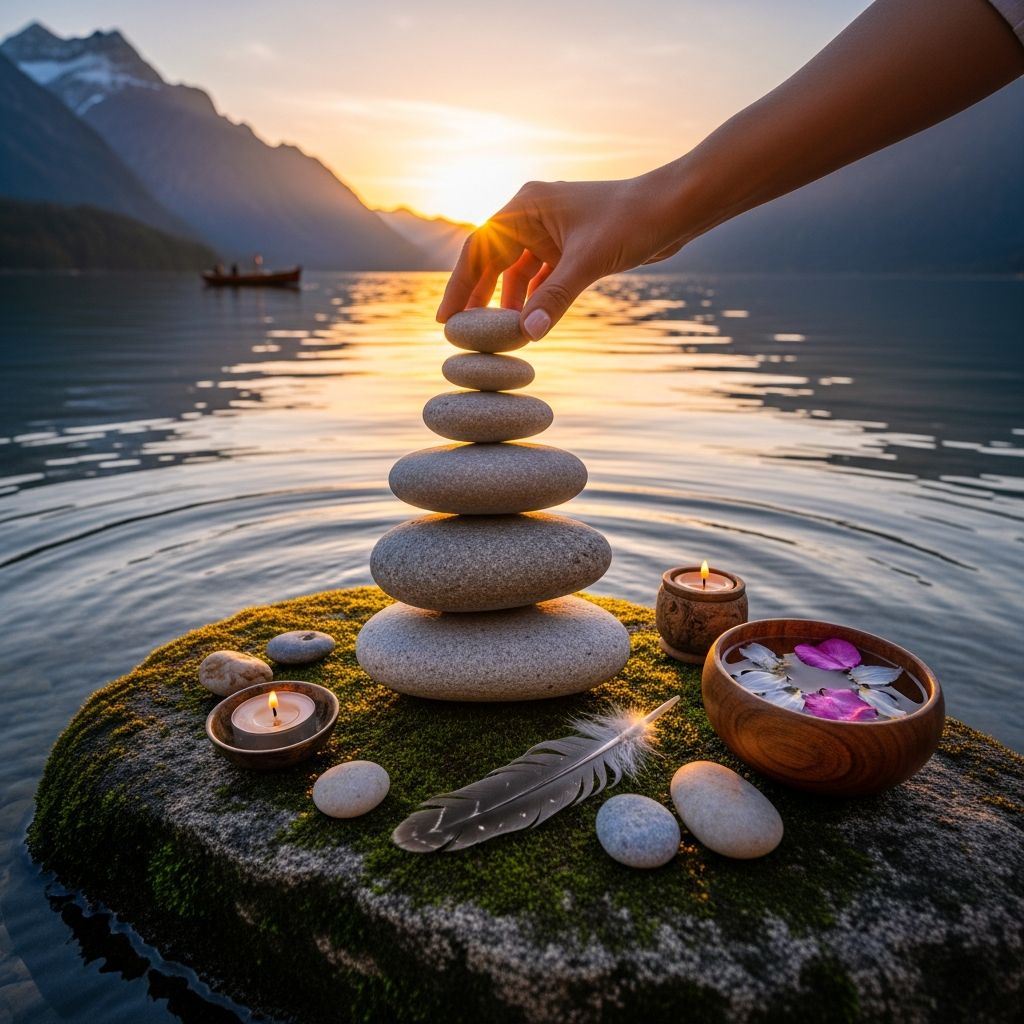
Rituals elevate ordinary actions into meaningful practices that anchor us in a chaotic world. By infusing intention into daily habits, they cultivate emotional resilience, sharpen focus, and deepen connections to self and others.
The Science Behind Rituals’ Transformative Impact
Research demonstrates that rituals regulate emotions and reduce anxiety by creating predictable patterns in uncertain times. For instance, performing a simple sequence before high-stress events can lower nervousness and boost performance, as shown in studies on pre-task behaviors.
These practices activate brain regions linked to emotional control, fostering a sense of security. Unlike mere habits, rituals carry symbolic weight, signaling transitions or affirmations that rewire neural pathways for positivity.
- Emotional Regulation: Rituals calm the nervous system, mitigating stress responses during challenges.
- Cognitive Clarity: They enhance concentration by minimizing distractions and promoting mindfulness.
- Long-term Resilience: Regular engagement builds psychological strength, aiding recovery from setbacks.
Core Benefits of Integrating Rituals into Daily Life
Rituals provide structure amid flux, turning routine moments into opportunities for growth. They bridge the gap between intention and action, helping individuals align behaviors with core values.
| Benefit | Description | Real-World Application |
|---|---|---|
| Grounding Presence | Encourages full engagement in the now, countering modern distractions. | Morning breathing exercises to start the day centered. |
| Purpose Amplification | Infuses actions with deeper significance, boosting motivation. | Weekly reflection journals to track personal progress. |
| Community Bonding | Facilitates shared experiences that strengthen relationships. | Family gratitude circles at dinner. |
| Transition Navigation | Marks life changes, easing adaptation to new phases. | Moving rituals like packing a memory box. |
These advantages extend to handling grief, where rituals offer solace by honoring loss and fostering healing. They also heighten spiritual awareness, connecting practitioners to nature, ancestry, or higher purpose.
Navigating Life’s Transitions with Ritual Practices
Change often brings disorientation, but rituals act as compasses. During shifts like career moves or relocations, symbolic acts reaffirm identity and direction.
Consider a threshold crossing ritual: light a candle, state intentions aloud, and step forward—mirroring ancient rites that signal renewal. Such practices reduce transition anxiety by 20-30% in psychological trials, providing tangible anchors.
- Identify the shift: Job loss, parenthood, empty nesting.
- Choose symbols: Objects evoking stability, like photos or stones.
- Enact with presence: Involve senses for embodied memory.
Cultivating Inner Stability Through Everyday Rituals
In turbulent periods, rituals offer stability like roots in a storm. They counteract chaos by establishing reliable rhythms, promoting better sleep, mood, and decision-making.
A bedtime ritual—dimming lights, herbal tea, gentle stretches—signals rest to the body, improving sleep quality per sleep science findings. Similarly, pre-work sequences build confidence, framing the day productively.
Building Community and Ancestral Connections
Rituals transcend the individual, weaving communal threads. Group practices, from shared meals to seasonal celebrations, reinforce belonging and collective identity.
Honoring roots through ancestral altars—photos, stories, offerings—preserves heritage while grounding present actions. These foster intergenerational bonds, enhancing emotional support networks.
Practical Framework: Designing Your Personalized Rituals
Creating rituals starts with self-reflection. Pinpoint areas craving intention: health, relationships, creativity.
- Clarify Intent: What value do you seek to embody? Write a one-sentence purpose.
- Select Elements: Incorporate senses—sight (candles), sound (music), touch (crystals).
- Set Frequency: Daily for habits, seasonal for milestones.
- Test and Refine: Track effects in a journal; adjust for resonance.
- Share Optionally: Invite others to amplify impact.
For example, a creativity ritual: Brew coffee mindfully, play inspiring tunes, sketch freely for 15 minutes daily. Over time, this sparks innovation effortlessly.
Overcoming Common Obstacles in Ritual Adoption
Barriers like busyness or skepticism arise, yet persistence yields rewards. Start micro: 2-minute meditations evolve into profound habits.
- Time Constraints: Integrate into existing routines, like mindful tooth-brushing.
- Lack of Belief: View as experiments; evidence builds faith.
- Inconsistency: Use cues like alarms or visual reminders.
Rituals for Enhanced Emotional and Spiritual Depth
Beyond utility, rituals nurture the spirit. Contemplative pauses invite aspiration exploration: Who do I aspire to be? They connect to the divine or universe through gratitude altars or nature walks.
In grief, lighting weekly candles while voicing memories heals by validating emotions. These practices outsmart negativity bias, training the mind toward positivity.
Frequently Asked Questions (FAQs)
What distinguishes a ritual from a habit?
A habit is automatic; a ritual is intentional, layered with meaning and symbolism to evoke emotion and purpose.
Can rituals help with anxiety?
Yes, they regulate the stress response, providing calm through predictability and focus, as supported by emotional regulation studies.
How long to establish a new ritual?
Typically 21-66 days with consistency, varying by complexity and personal commitment.
Are group rituals more effective?
They amplify benefits via shared energy but individual ones build personal sovereignty.
What if my ritual feels ineffective?
Refine by reassessing intent and elements; authenticity ensures resonance.
Case Studies: Real Transformations Through Rituals
Professionals report heightened productivity via morning rituals blending movement and affirmation. Parents find bedtime stories as rituals strengthen family ties and child security.
One study participant navigated divorce with a weekly forgiveness burn—writing pains, safely igniting them—releasing resentment over months.
Sustaining Rituals for Lifelong Well-Being
Longevity comes from evolution: Adapt rituals to life stages. Annual reviews ensure alignment, preventing stagnation.
Ultimately, rituals declare self-priority, fostering joy and purpose in a fast-paced world.
References
- Why Rituals Matter (and How to Create Your Own) — Mindful.org. 2023-05-15. https://www.mindful.org/why-rituals-matter-and-how-to-create-your-own/
- The Ritual Effect: Why Everyday Routines Matter More Than You Think — Radical Candor. 2022-10-20. https://www.radicalcandor.com/blog/ritual-effect
- The Power of Rituals – What They Are And How They Can Benefit You — Nina GrueneWald. 2021-08-12. https://www.ninagruenewald.com/articles/the-power-of-rituals
- 8 Key Benefits of Rituals + How to Create Your Own — Wholesome Soul. 2023-02-28. https://www.wholesomesoul.com/blog/8-key-benefits-of-rituals-how-to-create-your-own
- Why We Need Rituals (and how to develop your own) — Simplicity Relished. 2022-11-05. https://simplicityrelished.com/why-we-need-rituals-and-how-to-develop-your-own/